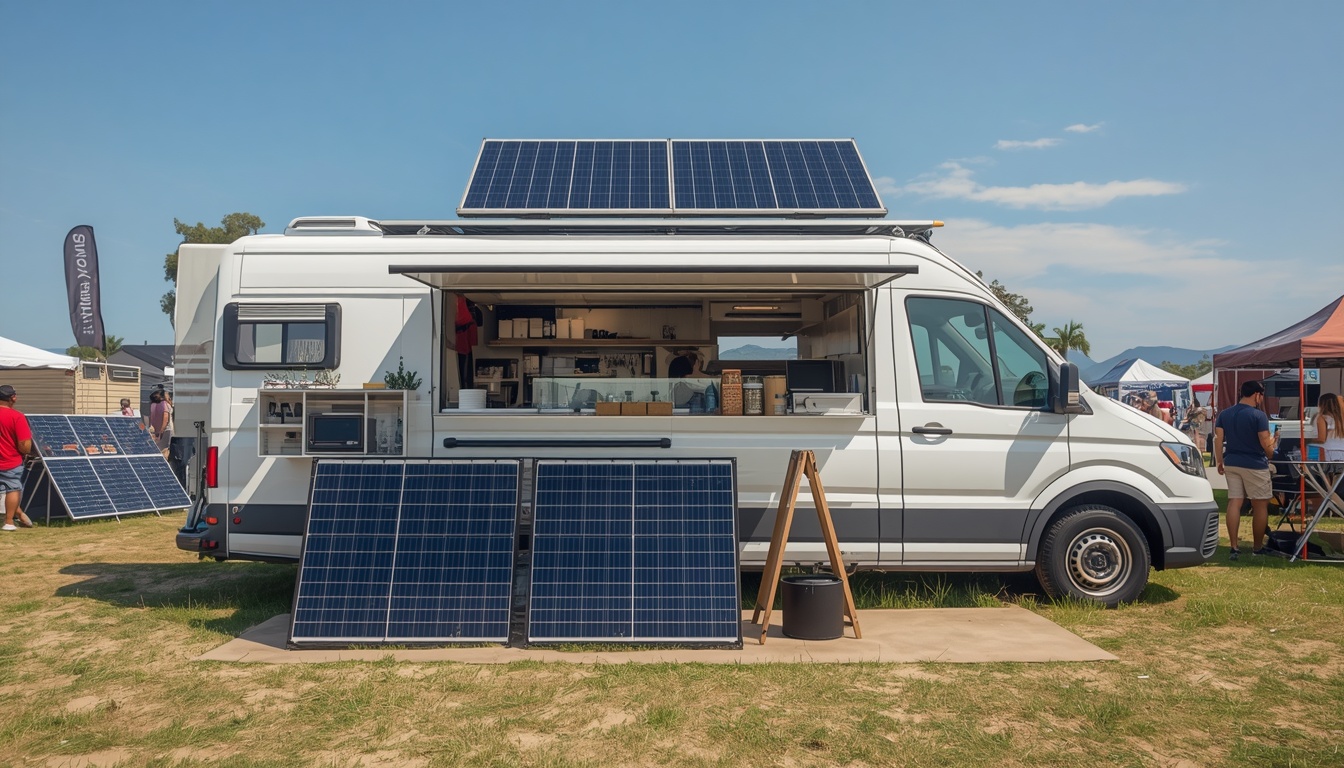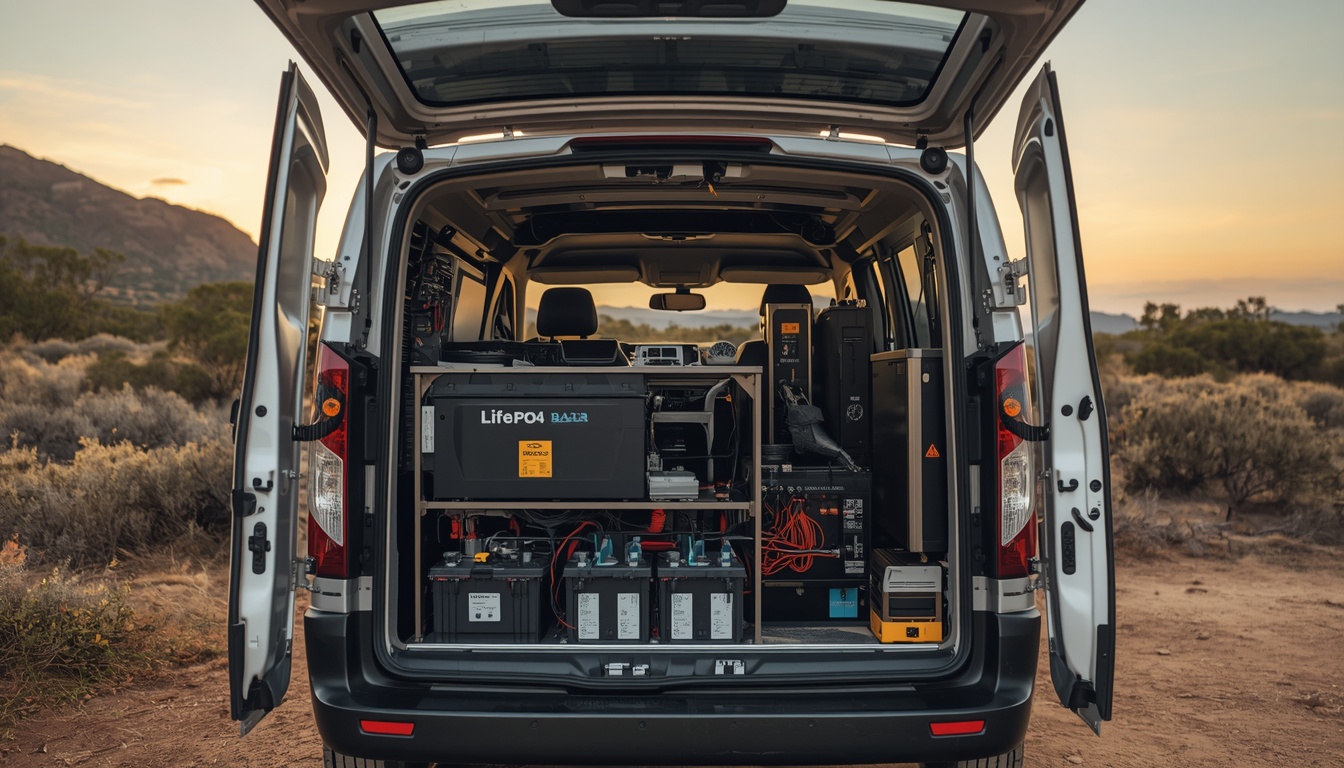
Choosing the right battery cells is one of the most important decisions in an off-grid solar setup. Whether you are powering a caravan, remote cabin, 4WD, tiny home, or commercial energy system, battery performance directly affects reliability, efficiency, and long-term running costs.
One brand commonly used in off-grid lithium battery systems is EVE Energy. EVE LiFePO4 cells have become popular because they combine strong cycle life, stable performance, and competitive pricing.
So, are EVE battery cells good for off-grid solar systems? Let’s find out.
Why EVE Battery Cells Are Popular in Off-Grid Solar Systems
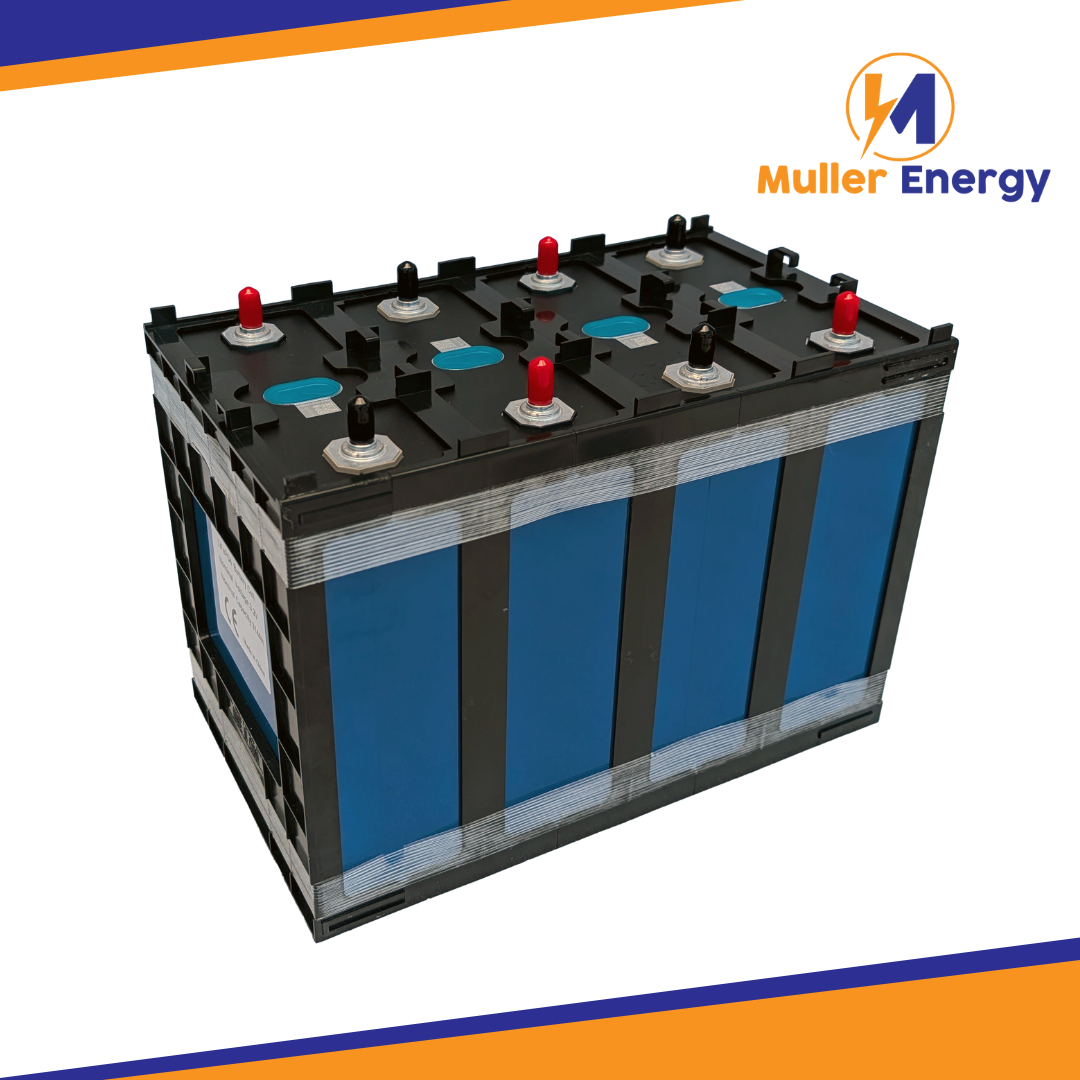
EVE cells are widely used in lithium iron phosphate (LiFePO4) battery systems, which have become a preferred option for off-grid solar applications due to their long cycle life, thermal stability, deep discharge capability, fast charging performance, and lower maintenance requirements compared with AGM or traditional lead-acid batteries.
EVE has developed a strong reputation in the lithium battery market by manufacturing prismatic LiFePO4 cells commonly used in DIY solar battery banks, caravan and RV power systems, marine applications, residential solar storage, and commercial off-grid installations.
For many users, EVE cells offer a practical balance between affordability, reliability, and long-term performance without the premium pricing often associated with large branded energy storage systems.
Benefits of EVE LiFePO4 Battery Cells
EVE LiFePO4 battery cells are widely used in off-grid solar systems because they combine long service life, stable performance, high usable capacity, and reliable power delivery. These advantages make them suitable for everything from DIY solar battery banks and caravans to residential and commercial energy storage applications.
1. Long Cycle Life
One of the biggest reasons people choose EVE cells is durability. Quality EVE LiFePO4 cells can often deliver thousands of charge and discharge cycles when used correctly. This makes them suitable for daily solar cycling in off-grid applications.
Compared with traditional lead-acid batteries, lithium batteries using EVE cells typically last significantly longer while maintaining more usable capacity over time.
2. Stable and Safe Chemistry
LiFePO4 chemistry is widely regarded as one of the safer lithium battery technologies for off-grid energy storage. EVE cells are commonly chosen for solar and mobile power systems because they provide strong thermal stability, consistent voltage output, and a lower risk of overheating compared with some other lithium chemistries.
These characteristics make them well-suited to enclosed battery compartments, caravans, campervans, marine systems, and other applications where safety and reliability are important.
3. High Usable Capacity
Traditional lead-acid batteries are typically limited to around 50% depth of discharge if you want to preserve their lifespan, which reduces the amount of usable energy available. In comparison, LiFePO4 batteries built with EVE cells can operate at much deeper discharge levels while maintaining stable performance and longevity.
This allows off-grid users to access more usable energy from the same battery bank size, resulting in longer runtime, improved overnight power availability, reduced reliance on generators, and better overall solar system efficiency.
4. Good Performance in High-Demand Applications
EVE cells are commonly used in off-grid systems powering inverters, fridges, air conditioners, power tools, pumps, Starlink systems, and both 12V and 48V solar setups. Their ability to deliver stable performance under continuous loads makes them suitable for a wide range of recreational, residential, and commercial energy storage applications.

What Makes an Off-Grid Solar Battery System Reliable?
Battery cells are only one part of the equation. Even high-quality EVE cells can perform poorly if the overall system is badly designed. A reliable off-grid solar setup also depends on:
1. Battery Management System (BMS)
A quality battery management system (BMS) plays a critical role in protecting lithium batteries from overcharging, over-discharging, temperature extremes, cell imbalance, and excessive current draw. Without a reliable BMS, battery performance, lifespan, and overall system safety can be significantly reduced.
To better understand the importance of battery protection systems, read our guide on what happens when a BMS fails in a lithium battery system.
2. Proper Solar Charging Equipment
Using compatible solar chargers and inverters is essential for maintaining battery performance and efficiency in an off-grid system. Many users pair LiFePO4 batteries with MPPT solar controllers, pure sine wave inverters, DC-DC chargers, and Victron-compatible systems to ensure stable charging and reliable power delivery.
Proper system integration is just as important as the quality of the battery cells themselves. Learn more about why MPPT solar charge controllers are important for LiFePO4 batteries.
3. Correct Battery Sizing
A battery bank should be sized according to daily energy consumption, available solar input, peak appliance loads, and backup power requirements. Systems that are too small often experience excessive cycling stress, which can reduce battery performance and shorten overall lifespan.
Are EVE Cells Better Than AGM Batteries?
For most modern off-grid applications, yes. Here is where LiFePO4 systems using EVE cells generally outperform AGM batteries:
| Feature | EVE LiFePO4 | AGM |
| Cycle Life | Much longer | Shorter |
| Weight | Lighter | Heavier |
| Charging Speed | Faster | Slower |
| Usable Capacity | Higher | Lower |
| Efficiency | Higher | Lower |
| Maintenance | Minimal | Moderate |
| Voltage Stability | Better | Drops under load |
Although AGM batteries may still suit some budget or occasional-use applications, LiFePO4 technology is now the preferred option for serious off-grid energy storage.

Important Things to Check Before Buying EVE Battery Cells
Not all battery sellers offer the same quality standards. When purchasing EVE cells or a pre-built lithium battery system, check for:
- Genuine Grade-A Cells: Authentic Grade-A battery cells generally offer better consistency, longer lifespan, improved cell balancing, and more reliable capacity ratings compared with lower-grade alternatives. In contrast, lower-grade or recycled cells can reduce overall system reliability and performance over time.
- Proper Compression and Assembly: Prismatic lithium cells require correct assembly and compression for optimal long-term performance. Poor DIY construction can shorten the lifespan or create safety issues.
If you are building your own battery bank, avoid common installation mistakes by reading Top Mistakes People Make When Building an Off-Grid Battery System. - Local Support and Warranty: Off-grid systems are long-term investments. Technical support and warranty coverage matter, especially in Australia, where environmental conditions can be demanding.
Choosing the Right Supplier for Off-Grid Solar Components
The reliability of an off-grid solar system depends not only on the battery cells but also on the quality of the supporting components and the expertise behind the setup. For Australian conditions, choosing a supplier that understands off-grid power requirements can improve long-term performance, safety, and system reliability.
Muller Energy supplies LiFePO4 batteries, EVE battery cells, solar panels, BMS units, chargers, inverters, cables, and DIY battery components designed for Australian off-grid applications. Their products are commonly used in caravans, 4WDs, camping setups, marine systems, residential solar storage, and commercial energy projects.
Why off-grid users choose Muller Energy:
- Australian-engineered energy solutions
- Support for DIY battery builds and commercial systems
- Custom energy solutions for businesses
- Technical guidance for off-grid installations
- 10-year warranty on batteries
- Australia-wide shipping
If you need help choosing the right battery setup, solar components, or off-grid power solution, you can contact the team at Muller Energy for expert advice and product support.

Are EVE Cells Good for DIY Solar Battery Builds?
Yes, EVE cells are one of the most commonly used options for DIY lithium battery projects because they are widely available, support modular battery builds, and perform well in 12V, 24V, and 48V systems.
They also integrate effectively with quality BMS units, making them a popular choice for custom off-grid solar setups. However, building a DIY lithium battery system requires proper electrical knowledge, safe assembly practices, and compatible charging equipment.
Incorrect wiring, poor cell compression, or unsuitable components can affect performance and create safety risks. For users without experience in battery assembly, a professionally built LiFePO4 battery system may offer a safer and more reliable solution.