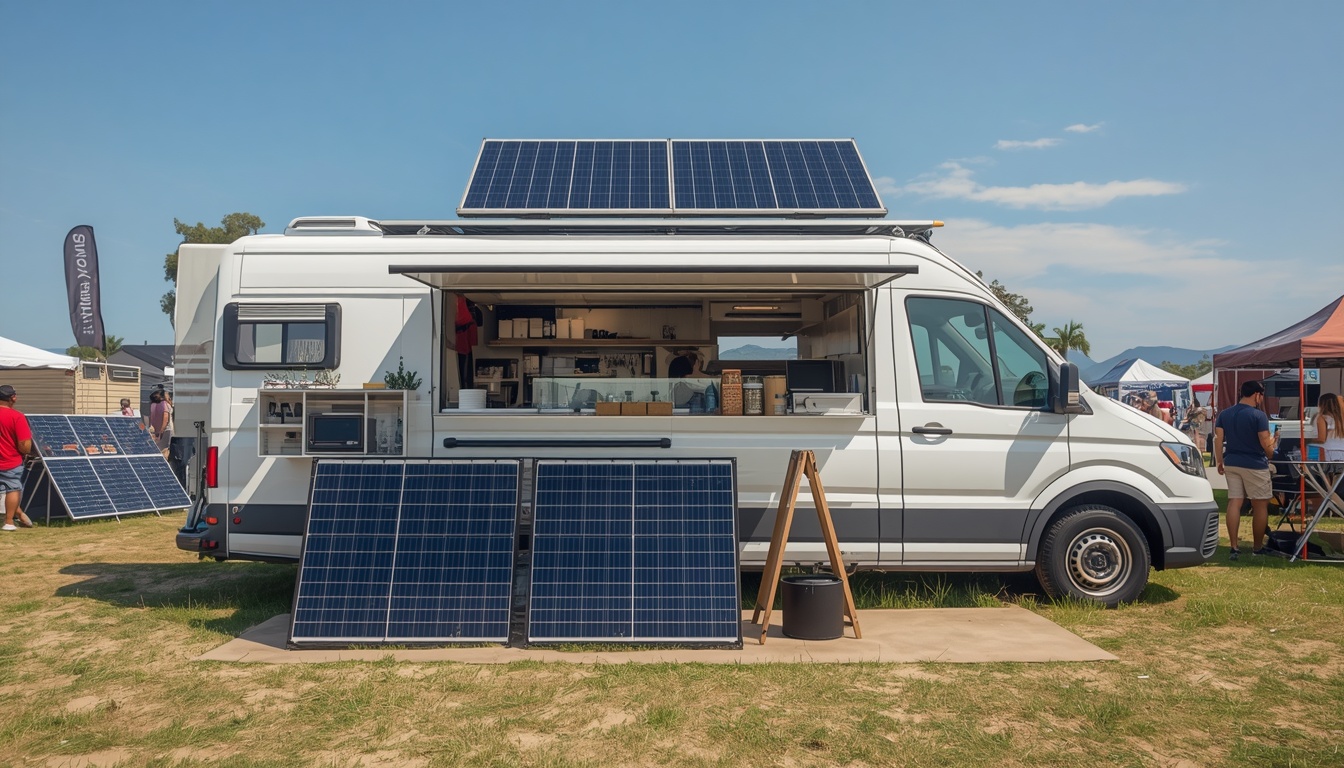
Solar panels rely on consistent sunlight to generate maximum power. However, shade from trees, buildings, roof accessories, or even dirt can reduce energy production more than many people expect.
For caravan, RV, marine, and off-grid systems, shading is a common issue because installations often operate in changing environments throughout the day. Understanding how shade impacts solar performance helps you design a more reliable and efficient setup.
This guide explains why shading affects solar panels, what causes the biggest power losses, and how to reduce shading problems with better system design and equipment choices.
How Does Shading Affect Solar Panels?
Shading reduces the amount of sunlight reaching the photovoltaic cells inside a solar panel, which lowers electricity production. Because solar cells are electrically connected, shaded sections can restrict the current flow of the entire panel. In some systems, the impact may also spread across multiple connected panels, especially when they are wired in series.
The severity of the power loss depends on factors such as how much of the panel is shaded, whether the shading is partial or full, the panel’s internal cell design, the system wiring configuration, and the use of bypass diodes or MPPT controllers.
Even temporary shading during certain hours of the day can noticeably reduce overall solar output in off-grid and battery-based solar systems.
Why Partial Shading Causes Large Power Losses
Solar panels generate electricity when sunlight reaches the photovoltaic cells. If a single cell receives less sunlight, it produces less current. Because solar cells are electrically connected, shaded cells can restrict current flow across sections of the panel. Modern bypass diodes help reduce this effect by allowing current to bypass shaded cell groups.
For example:
- A solar panel receiving full sunlight may produce around 200W.
- If one section of the panel becomes blocked from direct sunlight, output could drop to 120–160W, depending on the severity and location of the shade.
- In heavier shading conditions, power output may fall below 50W.
- In series-connected systems, one shaded panel may also reduce the performance of nearby connected panels by restricting current flow across the string.
This is why partial shading often causes larger energy losses than many people expect.
What Are Bypass Diodes on Solar Panels and How Do They Reduce Shading Problems?
Bypass diodes are protective components built into modern solar panels to help reduce power loss caused by uneven solar exposure.
When part of a solar panel is shaded, the affected cells can restrict the electrical flow through the panel. Bypass diodes create an alternative pathway for the current, allowing electricity to “bypass” the shaded section instead of slowing down the entire circuit.
This helps when solar exposure varies throughout the day and reduces the impact of temporary shading from trees, dirt, roof accessories, or nearby objects.
Benefits of bypass diodes include:
- Reduced power loss during partial shading
- Lower risk of hotspot formation
- Better performance in uneven sunlight conditions
- Improved long-term panel reliability
While bypass diodes help minimise shading issues, they do not completely prevent energy losses. The overall performance still depends on factors like panel quality, shading severity, and system design.
Higher-quality solar panels often include more advanced diode protection and efficient cell layouts for improved performance in real-world conditions.
Do Some Solar Panels Handle Shade Better Than Others?
Yes. While all solar panels lose efficiency in shaded conditions, some panel designs are better at reducing the impact of partial shading.
1. Monocrystalline Solar Panels
Monocrystalline solar panels are known for their high efficiency and strong overall performance. They are widely used in residential, caravan, marine, and off-grid systems.
Although they still experience power loss under shade, premium monocrystalline panels often include advanced cell layouts and bypass diode protection to help minimise efficiency drops.
2. Flexible Solar Panels
Flexible solar panels are commonly used on caravans, boats, and curved surfaces where installation space is limited.
Their main advantage is installation flexibility rather than superior shade performance. Because they can be mounted in more positions or moved more easily in portable setups, users may have more control over avoiding shaded areas during the day.

3. Half-Cut Cell Solar Panels
Half-cut cell solar panels are specifically designed to improve efficiency and performance during intermittent shade. By dividing solar cells into smaller sections, these panels reduce electrical resistance and improve current flow when part of the panel is shaded.
This design helps deliver better performance in partial shade, improves overall efficiency, reduces hotspot risk, and provides more stable energy output. Because of these advantages, half-cut cell technology is increasingly used in modern high-efficiency solar panels.
Note: Flexible solar panels are commonly used on caravans, boats, and curved surfaces where installation space and sunlight exposure can vary throughout the day. If you are comparing panel types for mobile or off-grid use, you can also read our guide on flexible solar panels vs rigid solar panels.
Does Shading Damage Solar Panels?
Occasional shading does not usually damage solar panels, but long-term or repeated uneven shading can contribute to hotspot formation. Hotspots occur when shaded solar cells heat up excessively while the surrounding cells continue generating power.
Over time, this excessive heat may reduce panel lifespan, lower long-term efficiency, and, in severe cases, cause cell damage or delamination. High-quality solar panels with bypass diodes and proper installation are designed to help reduce these risks and improve long-term reliability.
How to Reduce the Impact of Solar Panel Shading
While some level of shading is unavoidable in many solar installations, proper system planning can significantly reduce its impact. Factors such as panel location, installation angle, surrounding objects, system design, solar technology, and regular maintenance all play an important role in maintaining consistent solar performance and charging efficiency.
1. Choose the Right Installation Location
Avoid placing solar panels near objects that create regular shadows throughout the day. Trees, satellite dishes, roof racks, air conditioning units, and nearby buildings can all reduce solar performance by blocking sunlight from reaching the solar cells.
Even partial or temporary shading can affect charging efficiency, particularly in standalone solar systems. It is also important to consider seasonal changes, as tree growth and shifting sun angles may create additional shading over time.
Note: Temperature can also affect solar efficiency, especially during hot Australian summers. If you want to improve overall solar performance, you can also read our guide on how to cool down solar panels.
2. Use an MPPT Solar Charge Controller
An MPPT (Maximum Power Point Tracking) solar charge controller helps optimise energy harvesting when sunlight conditions vary throughout the day. These controllers continuously adjust the electrical operating point of the solar system to maximise available solar output during inconsistent sunlight conditions.
MPPT controllers are especially useful in caravans, RVs, marine systems, and remote solar applications where environmental conditions frequently change. While they cannot fully prevent power losses caused by shading, they help improve power conversion efficiency and maintain more stable battery charging performance when solar output fluctuates.
3. Keep Panels Clean
Dust, leaves, and bird droppings can create micro-shading across the surface of a solar panel, reducing the amount of sunlight reaching the solar cells. Over time, this buildup can lower solar output and affect overall charging performance.
Regular cleaning helps maintain higher energy production, improves charging efficiency, and supports more consistent battery performance, especially in off-grid and mobile solar systems.
For more practical cleaning and maintenance advice, read our guide on solar panel maintenance tips for 4WD and off-grid systems.
4. Consider Panel Layout Carefully
The wiring design matters. Systems wired in multiple strings or using parallel configurations can reduce the impact of shading compared to a single long series string. Professional system design becomes especially important for larger installations.

Choosing Solar Equipment Designed for Real-World Conditions
Shading is difficult to avoid completely in caravans, 4WDs, boats, and off-grid setups where sunlight conditions can change throughout the day. Using reliable solar equipment and proper system design can help maintain more stable charging performance when partial shading occurs.
Muller Energy offers a range of solar products suited to Australian mobile and off-grid power applications, including:
- Sunman 235W eArc Portable Solar Blanket – Features foldable construction, monocrystalline PERC cells, durable composite materials, and the ability to generate over 500Wh of daily solar energy for portable charging applications.
- Sunman 235W eArc Solar Blanket with Victron SmartSolar MPPT 100/20 Bluetooth Solar Charge Controller – Combines monocrystalline PERC solar technology with MPPT energy optimisation and Bluetooth monitoring for efficient battery charging in inconsistent sunlight conditions.
- Sunman eArc 520W Flexible Solar Panel – Delivers high-output solar performance with ultra-thin glass-free construction, monocrystalline cells, and compatibility with curved or space-limited installations.
- Sunman eArc 430W Flexible Solar Panel – Designed with monocrystalline solar cells and flexible composite construction for caravans, marine systems, and other mobile power applications requiring reliable long-term performance.
Muller Energy also supplies LiFePO4 batteries, battery cells, BMS systems, chargers, cables, and DIY battery components for users building customised solar and battery systems. This helps caravan, marine, camping, and 4WD users create more compatible power setups tailored to their energy requirements.

Real-World Example of Solar Panel Shading
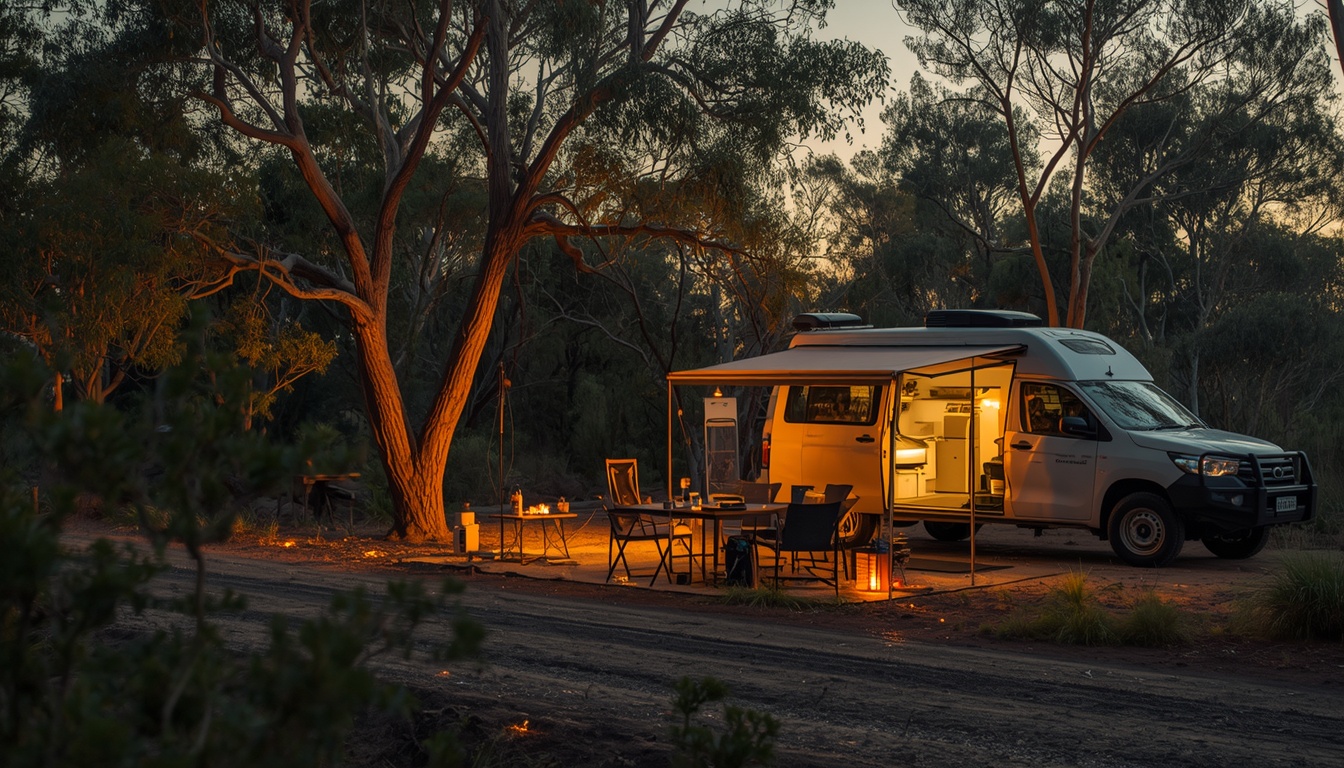
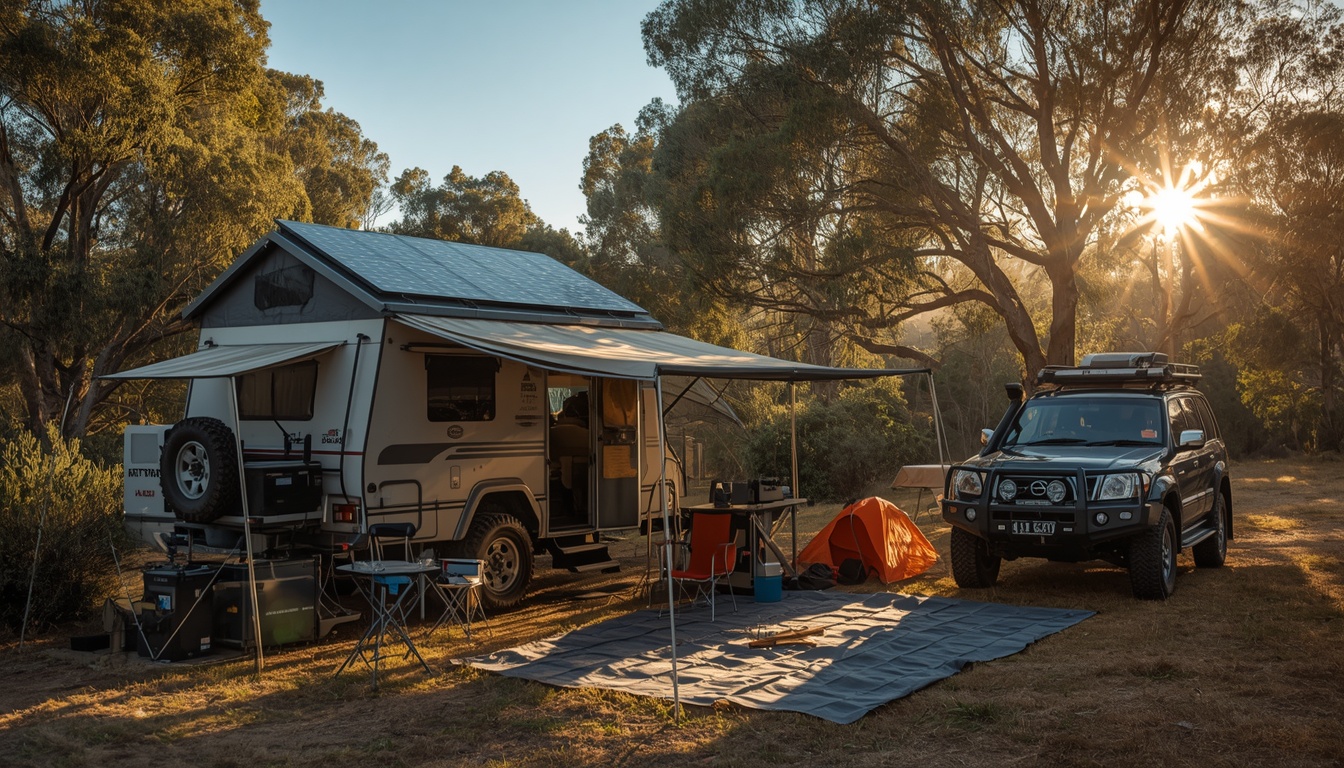
Imagine a caravan solar setup parked near trees during a camping trip. In the morning, one corner of the solar blanket may fall under shade, causing the battery charging rate to drop significantly. As solar output decreases, appliances and connected devices may charge more slowly than expected, especially in off-grid systems that rely heavily on consistent solar input.
Once the caravan moves back into full sunlight, solar output typically improves immediately, and the battery recovery rate accelerates as the panels resume generating higher power.
This is one reason portable solar blankets and flexible solar panels are popular for camping, caravans, and off-grid travel, as they can be repositioned throughout the day to avoid shaded areas and maximise solar performance.