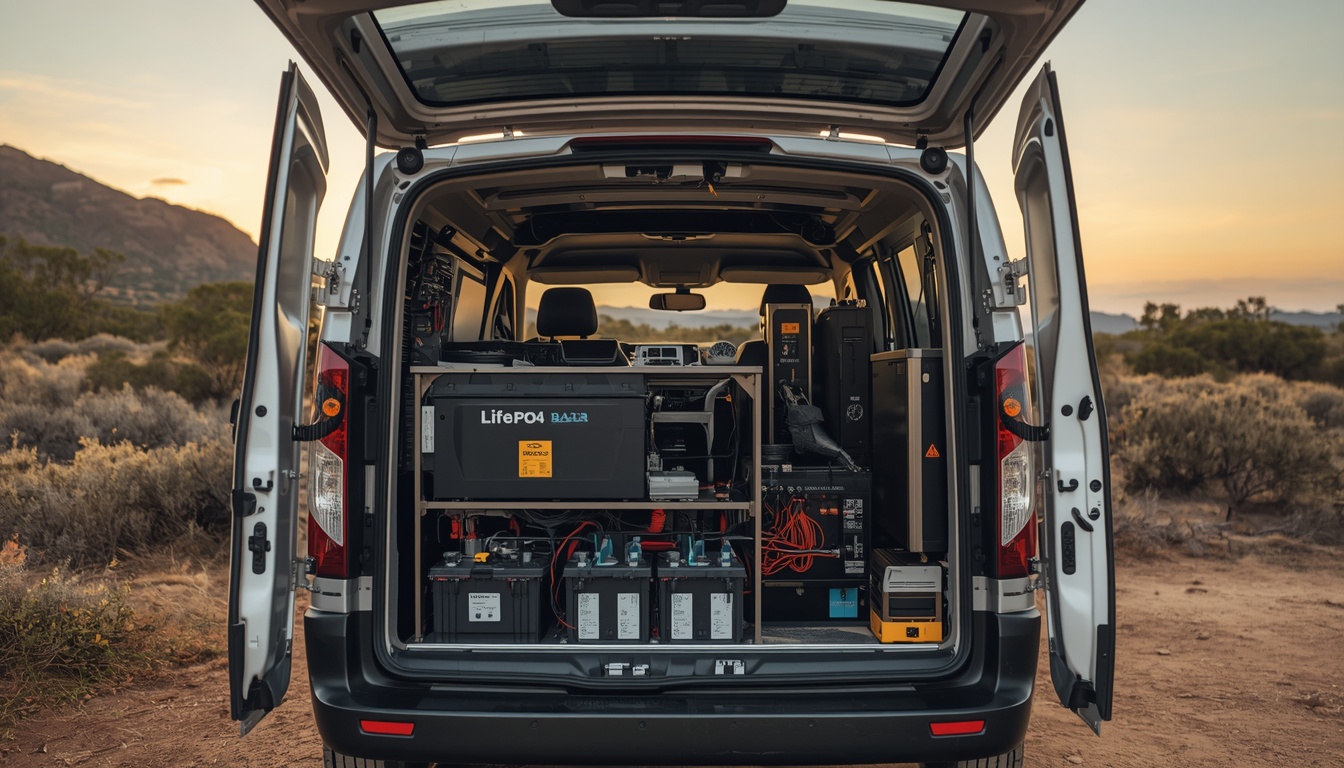
Buying a marine deep-cycle lithium battery is a long-term investment. While many products claim to offer high capacity, long life, and advanced safety, not all marine lithium batteries are built to the same standard.
A poorly built battery may work well initially but can develop performance issues, lose capacity prematurely, or even become a safety risk in harsh marine conditions. Since boats are regularly exposed to vibration, moisture, heat, and heavy electrical loads, battery quality matters far more than the advertised amp-hour rating.
This guide explains how to identify the warning signs of a poorly built marine lithium battery before you buy, what features indicate a quality product, and the questions every buyer should ask before making a purchase.
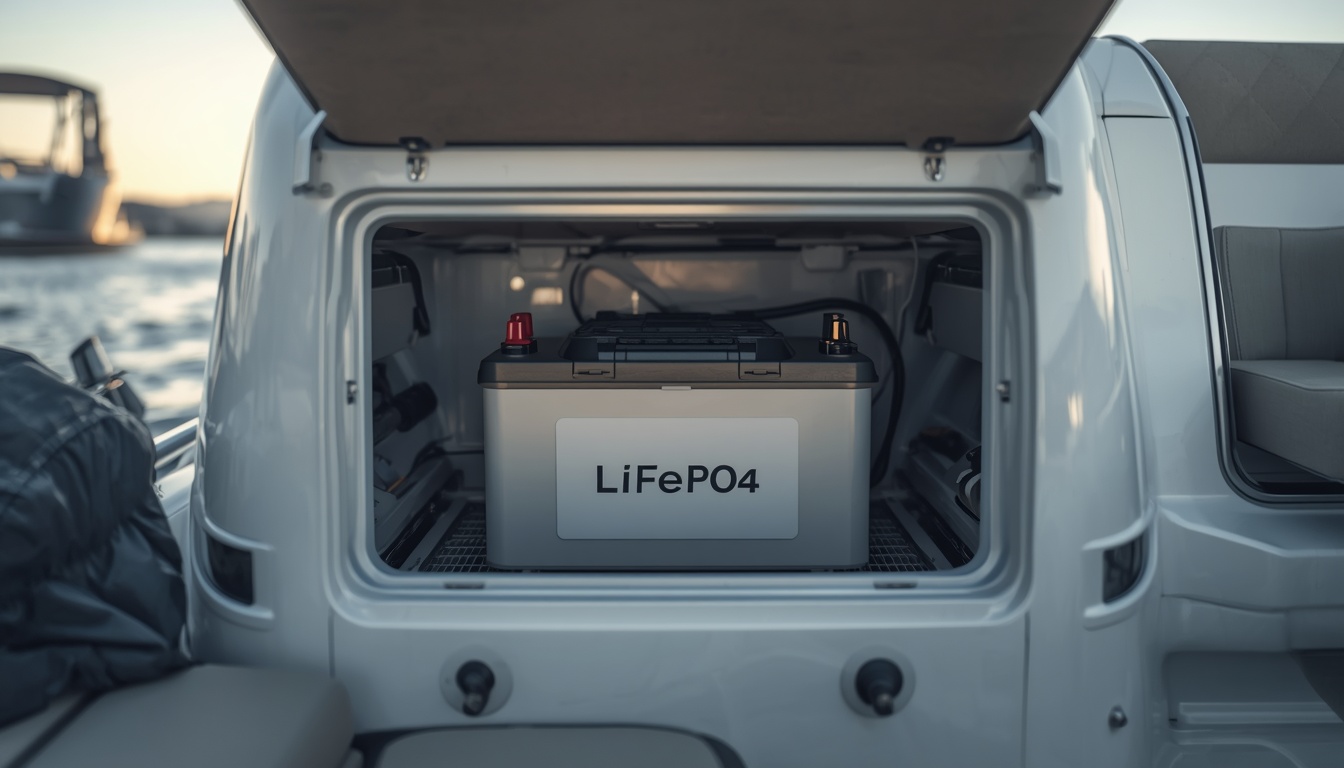
Why Marine Lithium Battery Quality Should Be Your Top Priority
Marine deep-cycle lithium batteries operate in demanding conditions, where they are expected to provide reliable power for onboard equipment over extended periods. They must also withstand constant vibration, fluctuating temperatures, salt-laden air, moisture, and frequent charging and discharging.
A well-built marine lithium battery is designed to deliver stable voltage, consistent performance under load, a long service life, and dependable safety in these challenging environments.
By contrast, poorly manufactured batteries often cut corners on critical components such as the battery cells, Battery Management System (BMS), cell balancing, or casing quality, increasing the risk of reduced performance, premature failure, and safety issues over time.
Warning Signs of a Poorly Built Marine Lithium Battery
Not all marine lithium batteries are built to the same standard. Before buying, check the quality of the battery cells, BMS, cell balancing, casing, safety features, warranty, and monitoring capabilities to avoid costly mistakes.
1. Unknown or Low-Quality Battery Cells
Lithium cells are the core of every marine deep-cycle lithium battery, and their quality has a significant impact on performance, lifespan, and reliability. Reputable manufacturers typically use premium LiFePO4 cells from established suppliers with strict quality control, whereas lower-quality batteries may contain reclaimed, mismatched, or lower-grade cells.
If a manufacturer doesn’t disclose the cell brand, provides only vague product descriptions, omits detailed specifications, or offers prices that seem unusually low compared with similar products, these may be warning signs of compromised quality.
A well-built marine lithium battery should use high-quality, well-tested LiFePO4 cells that deliver consistent capacity, stable performance, and a longer service life.
2. A Basic or Poorly Designed Battery Management System (BMS)
One of the easiest ways to assess a marine lithium battery’s quality is by evaluating its Battery Management System (BMS). The BMS protects the battery from conditions that can reduce performance or cause damage, helping to improve both safety and lifespan.
A basic BMS may provide only limited protection, whereas a more advanced BMS continuously monitors voltage, current, temperature, and individual cell performance. By detecting unsafe operating conditions early, it helps protect the battery from damage, improves long-term reliability, and reduces the likelihood of unexpected shutdowns.
Look for a BMS that includes protection against:
- Overcharging
- Over-discharging
- Short circuits
- Excessive current
- High and low temperatures
- Cell imbalance
Some advanced BMSs also support battery monitoring and diagnostics, giving users greater visibility into battery performance and making ongoing maintenance easier.
Learn more: If you’re interested in how the Battery Management System protects your battery, see our guide on What Happens When a BMS Fails for a Lithium-Ion Battery.

3. Poor Cell Balancing
Even premium lithium cells require proper balancing to perform at their best. Over time, individual cells can drift apart in voltage, reducing usable capacity and shortening the battery’s lifespan.
A well-built marine lithium battery is designed with features such as active cell balancing, carefully matched cells during manufacturing, and clearly documented balancing specifications to maintain consistent performance.
Without effective balancing, the weakest cell can limit the usable capacity of the entire battery pack. Over time, this may reduce runtime, shorten service life, and increase stress on the Battery Management System, even if the remaining cells are still performing well.
4. Cheap or Weak Battery Casing
Marine environments are demanding, so a battery’s casing plays an important role in protecting its internal components. A low-quality enclosure may allow moisture, vibration, or physical impacts to damage the battery over time.
A stronger marine-grade enclosure helps protect sensitive internal components from constant vibration, accidental impacts, and moisture exposure, reducing the risk of premature wear in demanding boating environments.
Look for features such as durable casing materials, stainless steel hardware, secure terminal connections, and a robust design suitable for marine use. In many cases, the external build quality is a good indicator of the engineering and component quality inside the battery.
Related reading: Marine batteries are constantly exposed to moisture and salt air. Learn how to protect them from corrosion and extend their lifespan in our guide to Marine Lithium Batteries: How to Avoid Corrosion and Saltwater Damage.
5. No Real Safety Features
Safety should always be a priority when choosing a marine lithium battery. Reliable batteries include multiple layers of protection beyond the basic functions of a Battery Management System (BMS).
Together, these protections help reduce the risk of electrical faults, overheating, and unsafe operating conditions, supporting safer operation and dependable performance in demanding marine environments.
Look for features such as automatic shutdown under unsafe operating conditions, short-circuit protection, spark protection during installation, and fault detection. Manufacturers that clearly explain these safety features are often more transparent about the quality and engineering of their products.
6. Unrealistic Capacity or Performance Claims
Be cautious of marine lithium batteries that promise extremely high cycle life without providing testing information, unusually low weight for their stated capacity, exceptionally high discharge rates, or prices that are significantly lower than comparable products.
When specifications seem too good to be true, they deserve closer scrutiny. Reliable manufacturers are generally transparent about how performance figures are measured and may provide supporting test data or certification to help verify their claims.
Related reading: Want to know how battery problems appear in real-world use? Read our guide on Common Signs of a Faulty Lithium Battery You Shouldn’t Ignore to learn the warning signs of a battery that may be failing.
7. Limited Warranty or Poor After-Sales Support
A marine battery is a long-term investment, so warranty coverage and after-sales support are important indicators of quality. Manufacturers that stand behind their products typically offer clear warranty terms, accessible customer support, technical assistance, installation guidance, and straightforward replacement procedures.
While warranty length isn’t the only measure of quality, a very short or unclear warranty may indicate lower confidence in the battery’s long-term reliability. Responsive local support can also make troubleshooting, warranty claims, and replacement much easier if issues arise after installation.
8. No Battery Monitoring Options
Modern marine lithium batteries increasingly include built-in monitoring features that make it easier to track battery performance and identify potential issues.
Bluetooth connectivity allows boat owners to monitor important information such as the state of charge, voltage, current, temperature, remaining capacity, and overall battery health directly from a smartphone.
Without these monitoring capabilities, identifying performance issues may become more difficult. Real-time monitoring can help users detect charging irregularities, unexpected voltage changes, or declining battery performance before they develop into more serious faults.

What Does a Well-Built Marine Lithium Battery Look Like?
Rather than focusing only on what to avoid, it also helps to know the features commonly found in a quality marine battery.
For example, quality marine batteries typically include:
- Premium-grade LiFePO4 cells
- An advanced Battery Management System (BMS)
- Active cell balancing
- Strong marine-ready construction
- Real-time battery monitoring
- Comprehensive warranty support
One example of these design principles can be seen in Muller Energy‘s marine lithium batteries. They use premium EVE LiFePO4 cells, a custom 250A JBD Bluetooth BMS, a 5A active balancer, touchscreen battery monitoring, and a BMS discharge switch to improve installation safety.
Backed by a 5-year Australian warranty and local customer support, they are engineered specifically for demanding boating environments.
Questions to Ask Before Buying
Before purchasing a marine lithium battery, ask the supplier the following questions. Clear, detailed answers can help you assess the battery’s quality, safety, and long-term reliability.
|
Questions |
What This Tells You |
| Which battery cells are used? | Premium cells from reputable manufacturers generally offer better performance, consistency, and lifespan. |
| Is there an active cell balancing system? | Active balancing helps maintain consistent cell performance and can extend battery life. |
| What protections does the Battery Management System (BMS) include? | A quality BMS should protect against overcharging, over-discharging, short circuits, excessive current, and temperature extremes. |
| Is Bluetooth monitoring available? | Bluetooth monitoring allows you to track battery health, charge status, voltage, current, and temperature in real time. |
| Is the battery specifically designed for marine deep-cycle applications? | Marine-rated batteries are built to withstand vibration, moisture, and other harsh boating conditions. |
| What warranty is included? | A clear warranty reflects the manufacturer’s confidence in the product and provides peace of mind. |
| Is local technical support available? | Accessible customer support can be invaluable if you need installation advice or troubleshooting assistance. |
If a supplier cannot clearly answer these questions or provide supporting product information, it may be worth considering alternative manufacturers that are more transparent about their battery design and support.

Buy with Confidence
Taking the time to evaluate battery construction before purchasing can help you avoid premature failures, improve onboard reliability, and maximise the long-term value of your investment.
Choosing a battery built with quality components, comprehensive safety features, and transparent manufacturer support gives greater confidence whether you’re cruising coastal waters or heading offshore.