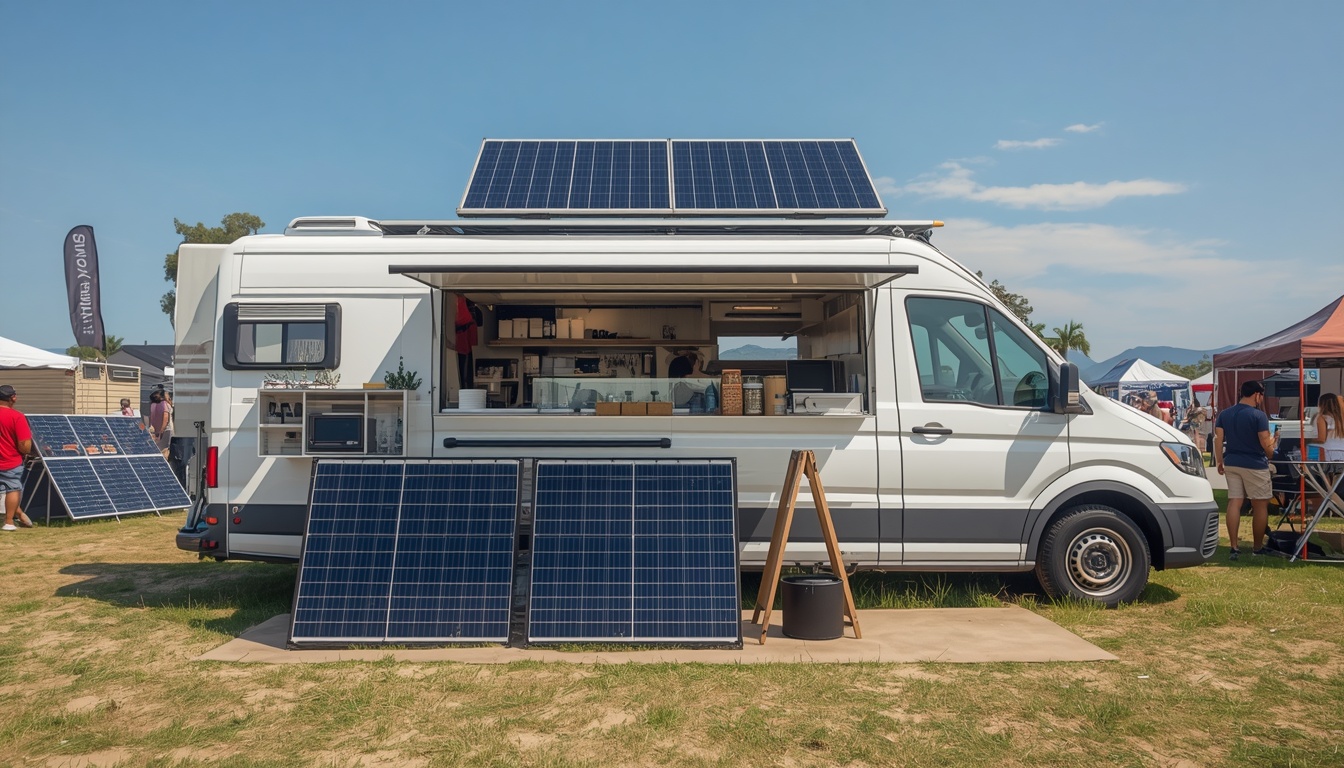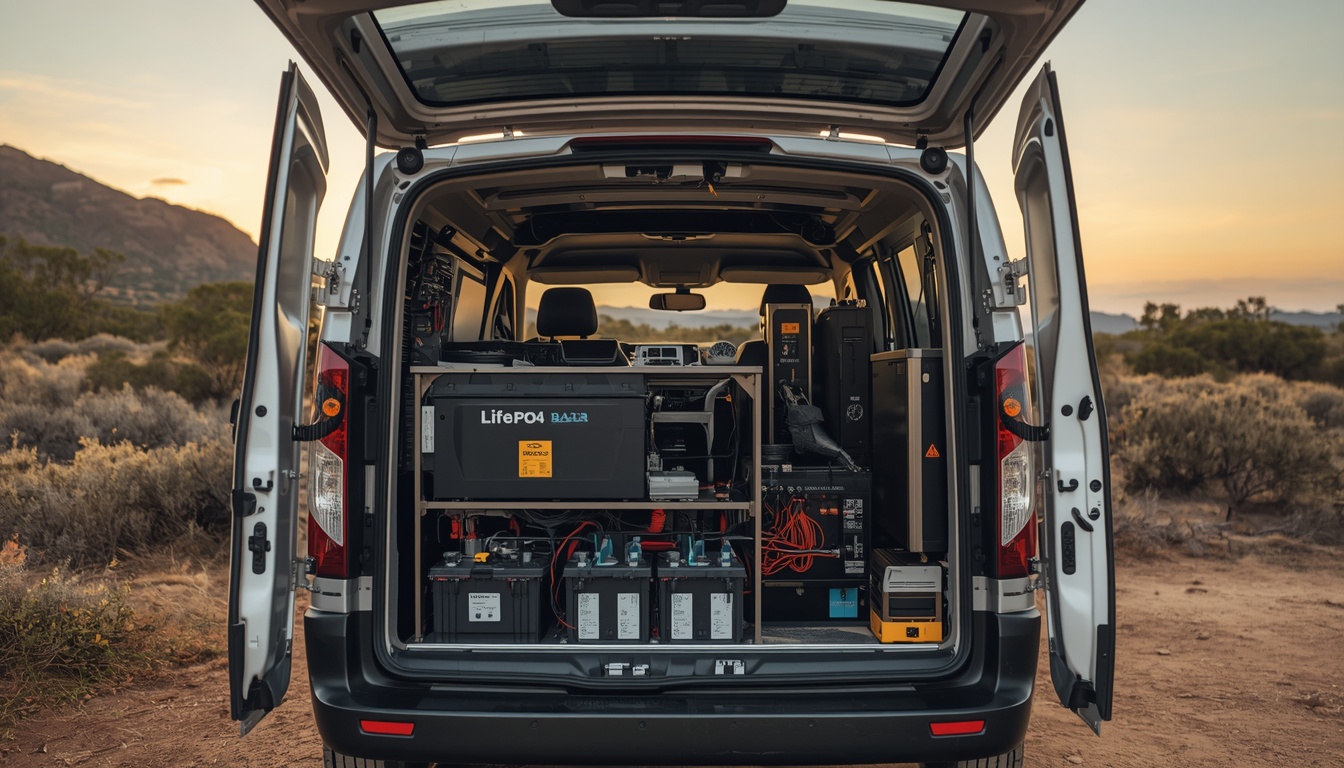
Expanding an off-grid lithium battery system is often the most cost-effective way to increase energy storage for caravans, RVs, cabins, boats, and off-grid solar systems.
However, adding another lithium battery without checking compatibility can create charging imbalances, overload system components, or reduce overall battery performance.
Before expanding your battery bank, ensure the batteries, Battery Management System (BMS), charger, inverter, solar charging equipment, and cabling are all suitable for the larger system.
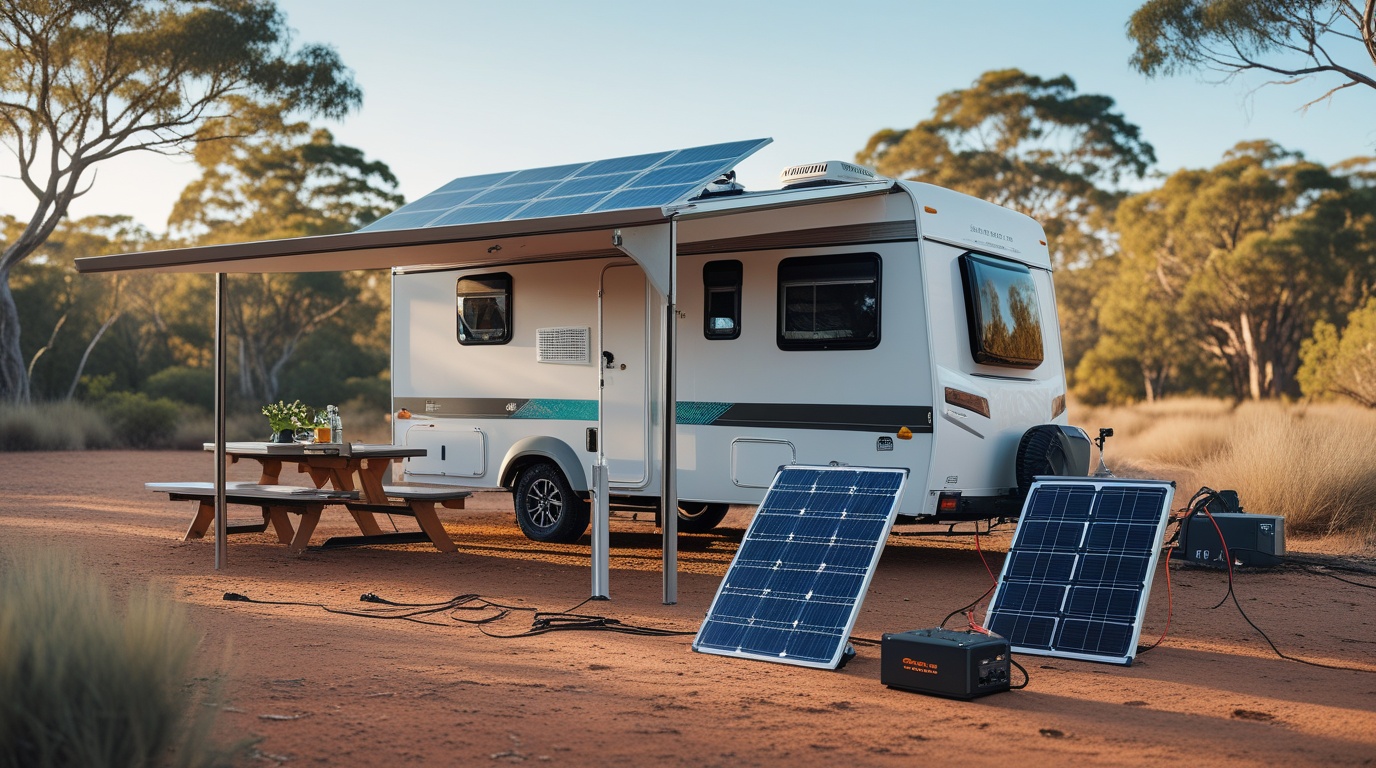
Identify Your Expansion Goals
Before purchasing additional batteries, consider why you want to expand your off-grid lithium battery system. Your goals can influence whether you need more battery capacity alone or upgrades to other parts of the system as well.
Common reasons for expanding include:
- Running appliances for longer between charges.
- Powering additional appliances or equipment.
- Increasing overnight energy storage.
- Supporting longer off-grid trips.
- Preparing for future energy needs or system expansion.
Understanding your energy requirements helps determine whether you need additional battery capacity, a larger solar array, a higher-capacity charger, a more powerful inverter, or a combination of these upgrades.
Taking this step before purchasing new equipment can help avoid unnecessary costs and ensure your expanded system meets your power requirements.
Plan Your Expansion Before Buying New Batteries
Before purchasing additional batteries, assess your entire electrical system rather than focusing solely on battery capacity. Expanding a battery bank can affect charging, power delivery, and overall system performance, so it’s important to assess existing components before purchasing additional batteries.
| Component | What to Check | Why It’s Important |
| Daily power consumption | Calculate your average daily energy use (Wh or Ah). | Helps determine how much additional battery capacity you actually need. |
| Existing battery capacity | Check the battery bank’s total capacity, age, and condition. | Older batteries may not perform well when paired with new ones. |
| Solar panel output | Confirm your solar array can recharge the larger battery bank. | Insufficient solar generation can lead to longer charging times. |
| Battery charger | Verify the charger’s output and charging profile are suitable for the expanded system. | An undersized charger may struggle to fully recharge additional capacity. |
| Inverter | Ensure it can handle your current and future power requirements. | More battery storage doesn’t increase the inverter’s power output. |
| Cable sizing | Check that cables are correctly sized for the expected current. | Proper cable sizing reduces voltage drop and improves safety. |
| Battery Management System (BMS) | Confirm the BMS supports the planned battery configuration and current limits. | The BMS protects the battery bank and ensures safe operation. |
Completing this assessment before purchasing new batteries can help you identify whether additional upgrades are needed, reducing the risk of compatibility issues or unexpected costs during installation. In many cases, upgrading components such as the solar array, charger, or inverter may be necessary to get the full benefit of your expanded off-grid lithium battery system.
Example: If your daily energy consumption is 2 kWh but your current battery stores only 1 kWh, adding another battery increases your available storage. However, if your solar panels or battery charger cannot replace that 2 kWh of energy each day, the larger battery bank may take longer to recharge and may not deliver the expected improvement in off-grid performance.

Use Matching Lithium Batteries Whenever Possible
One of the most important rules when expanding a lithium battery bank is using batteries that closely match each other.
Ideally, they should have the same:
- Chemistry (LiFePO4)
- Voltage
- Capacity (Ah)
- Manufacturer and battery model whenever possible
- Internal cell design
- Age
- State of health
Mixing batteries with significantly different ages or capacities can cause uneven charging and discharging, reducing the performance of the entire battery bank. Even if batteries have similar specifications, always confirm that the manufacturer approves the planned battery configuration.
Some LiFePO4 batteries are designed to support parallel expansion, while others may have Battery Management System (BMS) limitations or manufacturer-specified limits on the number of batteries that can be connected together. Following the manufacturer’s recommendations helps maintain safe and reliable system operation.
If your existing batteries are several years old or have experienced heavy use, replacing the entire bank may provide better long-term reliability than adding new batteries.
Related reading: Before adding new batteries to an existing system, learn about the hidden risks of mixing old and new lithium batteries in a single system, including how it can affect battery performance, lifespan, and overall system reliability.
Check Whether Other Components Need Upgrading
Increasing battery capacity may require upgrades to other parts of your off-grid power system. Check the following components before expanding your battery bank.
1. Battery Management System (BMS)
Before expanding your battery bank, confirm that the Battery Management System (BMS) supports the planned battery configuration, current limits, and maximum number of batteries that can be connected in parallel. Exceeding these limits may cause protective shutdowns or reduce overall system reliability.
If you’re connecting batteries in parallel, ensure both the batteries and their BMS are designed for parallel operation and always follow the manufacturer’s recommended connection limits.

2. Solar Panels and Charge Controller
A larger battery bank requires more energy to recharge. If your existing solar panels were already operating near their maximum output, they may not provide enough energy to fully recharge the expanded battery bank within a typical day.
Also ensure that your MPPT solar charge controller is correctly sized for both the solar array and the larger battery bank.
Related reading: Expanding a battery bank may require reviewing your solar charging setup. Learn why an MPPT solar charge controller is essential for LiFePO4 batteries and how it can help maximise charging efficiency.
3. Battery Charger
Whether you use an AC charger or a DC-DC charger, confirm that it supports LiFePO4 batteries and provides an appropriate charging profile and charging current for the expanded battery bank.
4. Inverter
If you plan to power additional or higher-demand appliances after expanding your battery bank, confirm the inverter’s continuous and surge ratings are suitable for the expected electrical load.

5. Cables, Fuses and Busbars
As battery capacity increases, so can the available current. Undersized cables can lead to voltage drop, overheating, and reduced system efficiency.
Use appropriately sized cables, quality terminals, correctly rated fuses, and suitable busbars. Where batteries are connected in parallel, use equal-length cables wherever practical to help balance cable resistance, allowing each battery to share charging and discharge currents more evenly.
Related reading: Choosing the correct cable size is essential for safety and performance. Read our guide on what size cable you need for a lithium battery system to help minimise voltage drop and safely carry higher currents.
Install and Test the Expanded Battery System
Once all components are confirmed to be suitable for the expanded system, install the additional batteries according to the manufacturer’s recommendations. Before connecting lithium batteries in parallel, ensure each battery is fully charged or at a similar state of charge (SOC).
Large voltage differences between batteries can result in high equalisation currents when they are first connected, which may place unnecessary stress on the batteries and electrical connections.
After installation:
- Confirm the expanded battery bank reaches a full charge normally.
- Verify that all batteries maintain similar voltages after charging.
- Check that all electrical connections are securely tightened according to the manufacturer’s specifications, where applicable.
- Monitor charging and discharging behaviour.
- Confirm the BMS is operating correctly.
- Inspect cable connections for excessive heat under load.
- Test the system with your normal appliances before relying on it for extended off-grid use.
Monitoring the first few charge and discharge cycles can help identify wiring or compatibility issues before they become larger problems.
Ready to Expand Your Off-Grid Battery System?
Expanding an off-grid lithium battery system is easiest when batteries and supporting equipment are designed to work together. Choosing correctly sized components from the outset can simplify installation, improve long-term reliability, and reduce the risk of system compatibility issues.
Muller Energy offers Australian-designed LiFePO4 batteries, Battery Management Systems, solar panels, inverters, chargers, cables, and complete off-grid power solutions designed to support safe and reliable battery system expansion.
If you’re unsure whether your existing system can safely support additional battery capacity, the Muller Energy team can provide personalised guidance to help you select suitable components for your application.

Expanding an off-grid lithium battery system starts with assessing your existing setup, selecting matching batteries, and confirming that supporting components such as the BMS, charger, inverter, solar panels, and cabling can handle the larger battery bank. Taking a planned approach helps improve safety, charging performance, and long-term reliability.
Frequently Asked Questions
Does temperature affect an expanded lithium battery system?
Yes. If your batteries are installed outdoors, in vehicle canopies, caravans, or other exposed locations, ensure the expanded battery bank operates within the manufacturer’s recommended charging, operating, and storage temperature ranges.
Charging LiFePO4 batteries below the manufacturer’s recommended temperature range may reduce charging performance or activate low-temperature protection, depending on the BMS.
Can I expand my battery bank one battery at a time?
Yes, provided the existing batteries remain in good condition, the new battery closely matches the existing battery bank in chemistry, voltage, capacity, and state of health, and the manufacturer approves parallel expansion for that battery model.
If the existing batteries are significantly older or have reduced capacity, replacing the entire battery bank may provide better long-term performance.
Can I use batteries with different capacities in the same battery bank?
It’s generally not recommended. Batteries with different capacities may charge and discharge at different rates, leading to uneven load sharing, reduced efficiency, and shorter overall battery life. For the best performance, use batteries that closely match in chemistry, voltage, capacity, age, and state of health, and always follow the manufacturer’s recommendations.
Can You Connect Batteries in Series or Parallel?
Most off-grid battery expansions use parallel connections to increase battery capacity while maintaining the same system voltage.
Series connections increase system voltage rather than capacity and should only be used if supported by the battery manufacturer and system design. Always follow the manufacturer’s recommended wiring configuration and connection limits.
Do I need a larger solar system after expanding my battery bank?
Not always. If your existing solar array already fully recharges your batteries, no upgrade may be needed. However, significantly increasing battery capacity often requires additional solar generation to maintain practical charging times.