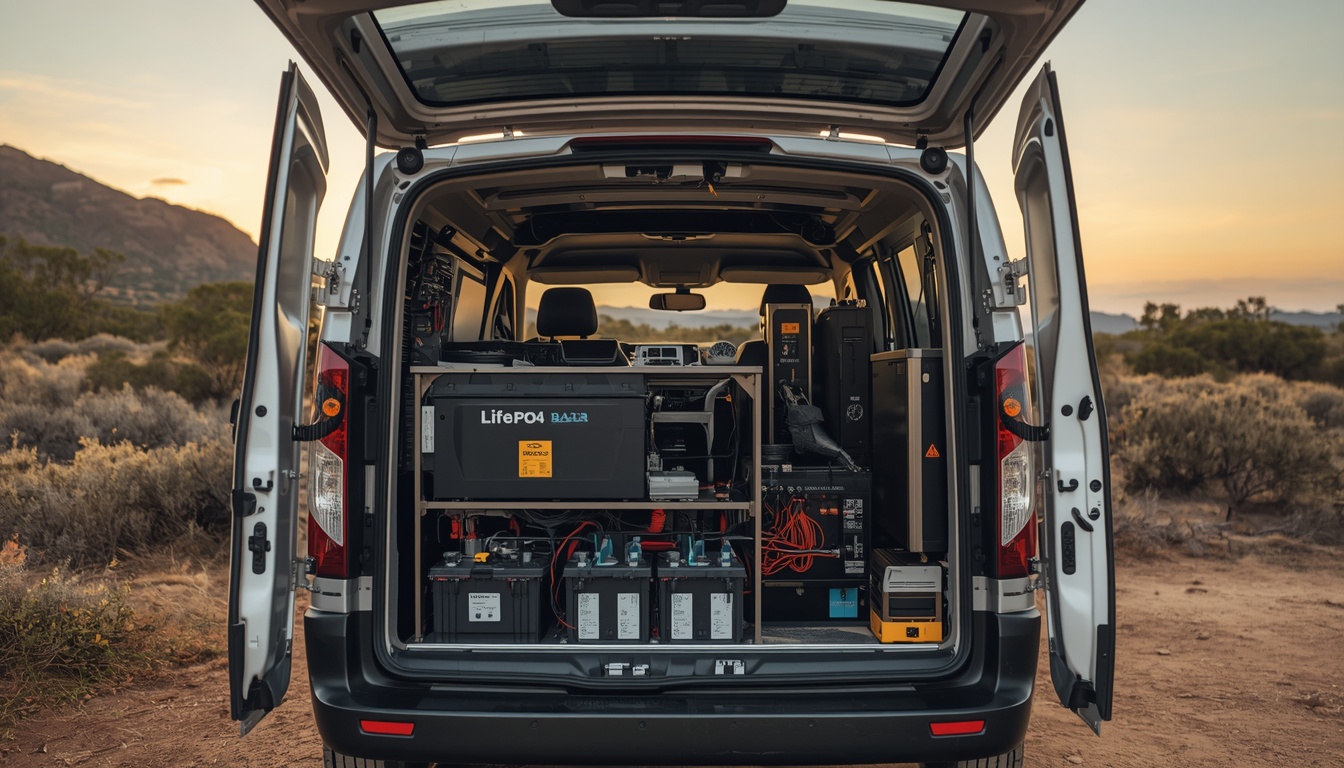
Choosing the correct cable size for a lithium battery system is not optional; it directly affects safety, performance, and system lifespan. Undersized cables can overheat, cause voltage drop, and even damage expensive components like your inverter or LiFePO4 battery.
If you’re building or upgrading a 12V, 24V, or 48V setup, this guide gives you a clear, no-nonsense answer to what size cable you need, and how to calculate it properly.
Importance of Correct Cable Sizing in Lithium Battery Systems
Lithium batteries, especially LiFePO4 systems, are capable of delivering high current very quickly.
While this improves performance and efficiency, it also places a greater demand on your cabling. If the cable size is not properly matched to the current load, it can create serious issues within your system.
Undersized cables can cause voltage drop, reducing efficiency and affecting device performance. They can also overheat under load, increasing the risk of insulation failure or even fire hazards in extreme cases.
Beyond safety concerns, incorrect cable sizing can lead to long-term damage to critical components such as the Battery Management System (BMS) and inverter, both of which rely on stable and consistent power delivery.
These risks make proper cable selection a non-negotiable part of system design. Whether you’re building an off-grid solar setup, a 4WD battery system, or an RV electrical system, ensuring the correct cable size is essential for maintaining safety, reliability, and optimal performance.
‘‘Many system failures come from simple design mistakes, including incorrect cable sizing. This detailed guide on top mistakes people make when building an off-grid battery system highlights common issues to avoid.’’
Battery Cable Size Chart
Here’s a simplified battery cable size chart based on common lithium battery setups and real-world applications, giving you a clear starting point for proper cable selection:
| Current (Amps) | Cable Size (AWG) | Cable Size (mm²) | Typical Use Case |
| 10–20A | 14–12 AWG | 2.5–4 mm² | Lights, small loads |
| 20–50A | 12–8 AWG | 4–10 mm² | DC appliances |
| 50–100A | 8–4 AWG | 10–25 mm² | DC-DC chargers, small inverters |
| 100–200A | 4–2 AWG | 25–35 mm² | Medium inverters |
| 200–300A | 2–0 AWG | 35–70 mm² | Large inverter systems |
Important: This chart assumes copper cables, short runs (under 2–3 m), and ~3% voltage drop. Always calculate for your specific setup.

How to Calculate Battery Cable Size
To get it exactly right for your setup, follow this process:
1. Determine Current (Amps)
Use this formula:
Amps = Watts ÷ Volts (for DC systems; actual current may be higher due to inefficiencies)
Example:
- 1200W inverter on 12V system
- 1200 ÷ 12 = 100A
2. Measure Cable Length
Measure the total circuit length as a full round trip, meaning from the battery to the device and back to the battery. This complete path determines the actual resistance in the circuit.
As cable length increases, resistance also increases. Longer runs require thicker cables to safely carry the current and maintain optimal system performance.
3. Decide Acceptable Voltage Drop
As a general best practice, aim to keep voltage drop below 3% for critical systems where stable performance is essential, such as inverters or sensitive electronics. For less sensitive loads, a voltage drop of up to 5% is typically acceptable.
Staying within these limits helps maintain efficiency, ensures reliable operation, and prevents unnecessary strain on your lithium battery system.
4. Use a Cable Size Chart or Calculator
To determine the correct cable size, you need to consider three key factors together. These include the current flowing through the system, the total cable length, and the acceptable voltage drop target. When all of these elements are properly evaluated, they help you accurately identify the minimum cable size required for safe and efficient operation.
‘‘Understanding how much current your system can draw is critical, especially in 12V setups. If you’re unsure, this guide on how much power a 12V lithium battery can deliver explains how load directly impacts cable sizing.’’
Factors That Affect Cable Size
- Cable Length: Longer runs increase resistance. Doubling the length can require a significantly thicker cable.
- System Voltage (12V vs 24V vs 48V):
Higher voltage systems use less current:
- 12V = high current → thicker cables
- 24V = moderate current → medium cable size
- 48V = lower current → thinner cables
This is why many off-grid systems move to 24V or 48V.
- Load Type (Continuous vs Surge): Devices like inverters have surge currents (startup spikes). Always size cables for peak load, not just average.
- Cable Material & Quality:
- Copper cables are best (low resistance)
- Cheap cables may not meet true AWG/mm² ratings
Always install a correctly rated fuse or circuit breaker as close to the battery as possible to protect cables from overcurrent and short circuits. The fuse should match both the cable size and expected current draw.
Poor cable connections (loose lugs or bad crimping) can create resistance and heat, even if the cable size is correct.
For Australian installations, always follow relevant standards such as AS/NZS wiring guidelines to ensure compliance, safety, and proper system design.
Practical Example (Real-World Setup)
Scenario: 200Ah LiFePO4 battery + 2000W inverter (12V system)
Current calculation (including inverter efficiency):
Most inverters are not 100% efficient and typically operate at around 85–95% efficiency. To get a more realistic current draw, you need to account for this loss.
Current = 2000 ÷ (12 × 0.9)
= 185A
Cable length: 2m (round trip – 4m)
Recommended cable size: 50 mm² (0 AWG) should be considered the minimum acceptable size for this setup. However, at this current level and cable length, it can be borderline depending on your voltage drop target.
For better performance, reduced voltage drop, and improved safety margins, 70 mm² is a more reliable choice, especially for continuous high loads or critical systems.
Anything smaller risks overheating, excessive voltage drop, and reduced system performance.
‘‘In real-world applications like touring setups, cable sizing becomes even more critical due to vibration, long cable runs, and high loads. You can see how this is applied in practice in this complete guide to the best 4WD lithium battery setup for camping trips.’’

Choosing High-Quality Cables for Reliable System Performance
When building a lithium system, cable quality is just as important as sizing. Even if your calculations are correct, low-quality cables or connectors can quickly become weak points, leading to performance issues, overheating, or long-term system failure.
Practical Tip:
If you’re running high-current systems (100A+), using flexible, high-strand silicone cables makes installation easier and safer, especially in tight 4WD or caravan setups where vibration and limited space are common challenges.
To apply correct cable sizing in real-world setups, it’s equally important to use reliable cables and connectors designed to handle the required current. Using high-quality components from a trusted supplier like Muller Energy helps ensure reliability and real-world performance.
Recommended components for better performance and reliability:
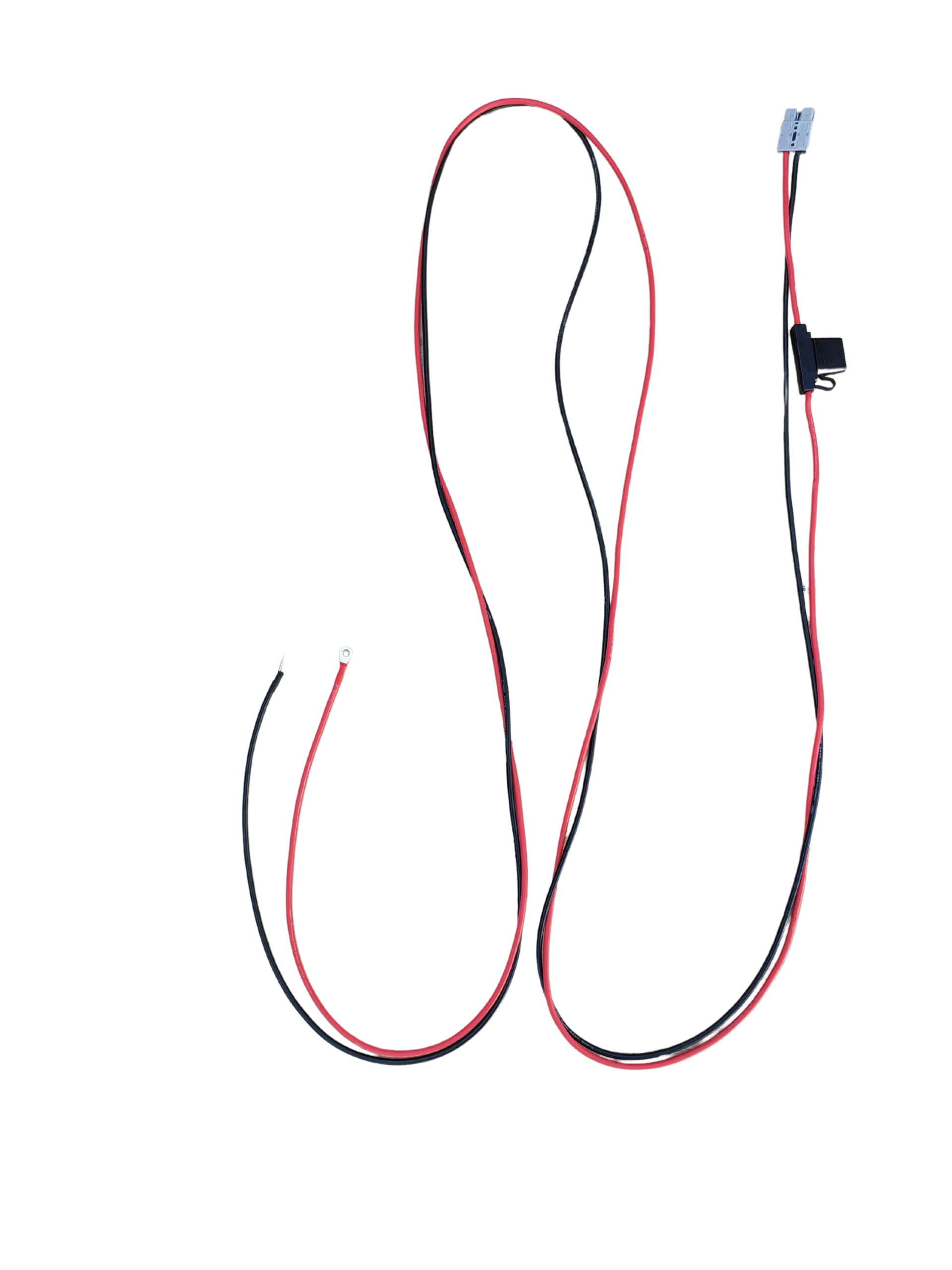
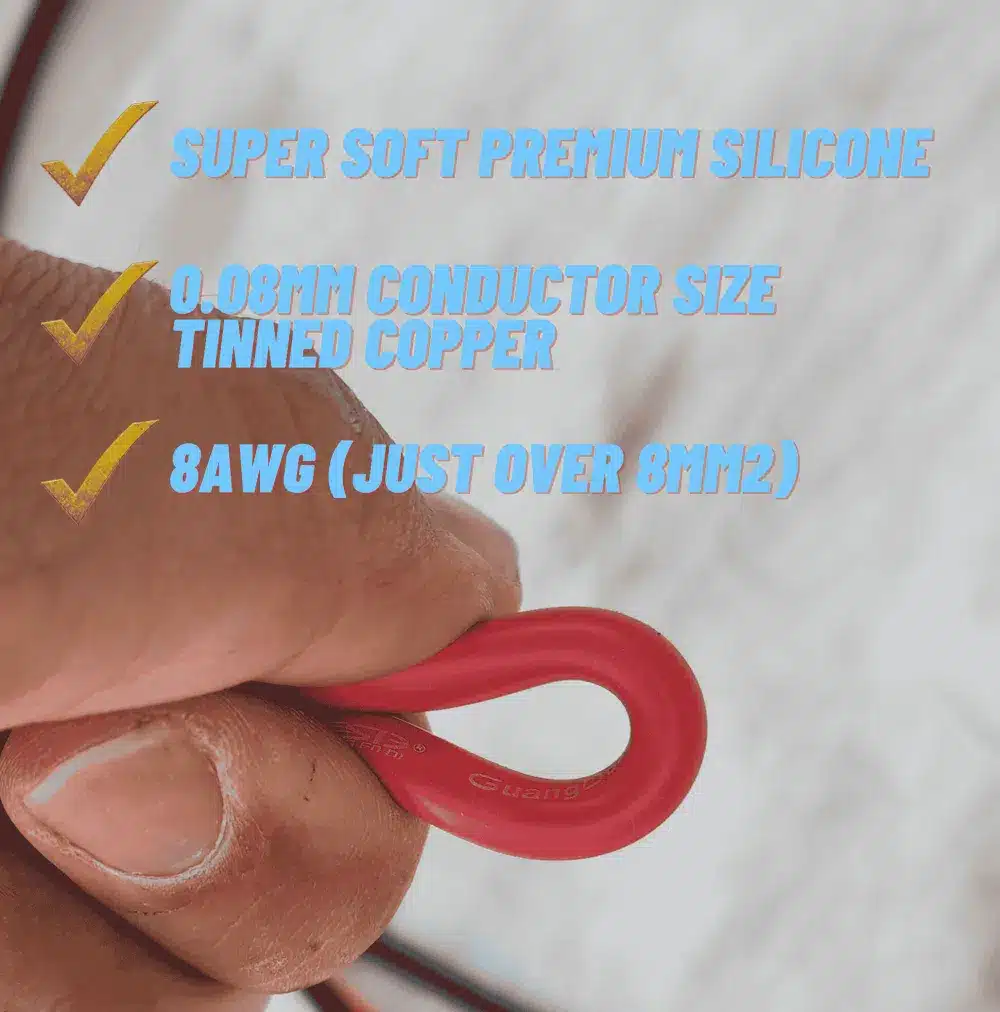
- 4m Super-Flexible Silicone 8AWG Cable
A practical solution for medium-current applications, offering excellent flexibility for tight routing and consistent current flow in high-vibration environments. - 175A Anderson to 175A & 3x 50A Anderson Fused Converter
Designed for safe and efficient power distribution, allowing you to connect multiple devices while maintaining proper circuit protection with built-in fusing. - 175A Anderson to 3x 50A Anderson Fused Converter
A compact and efficient option for managing multiple outputs, ideal for clean and organised system setups without compromising safety.
Using high-quality, purpose-built components from Muller Energy ensures your cable sizing calculations translate into real-world performance. This is crucial because poorly built cables or connectors are one of the most common failure points in lithium battery systems, even when the cable size itself is technically correct.