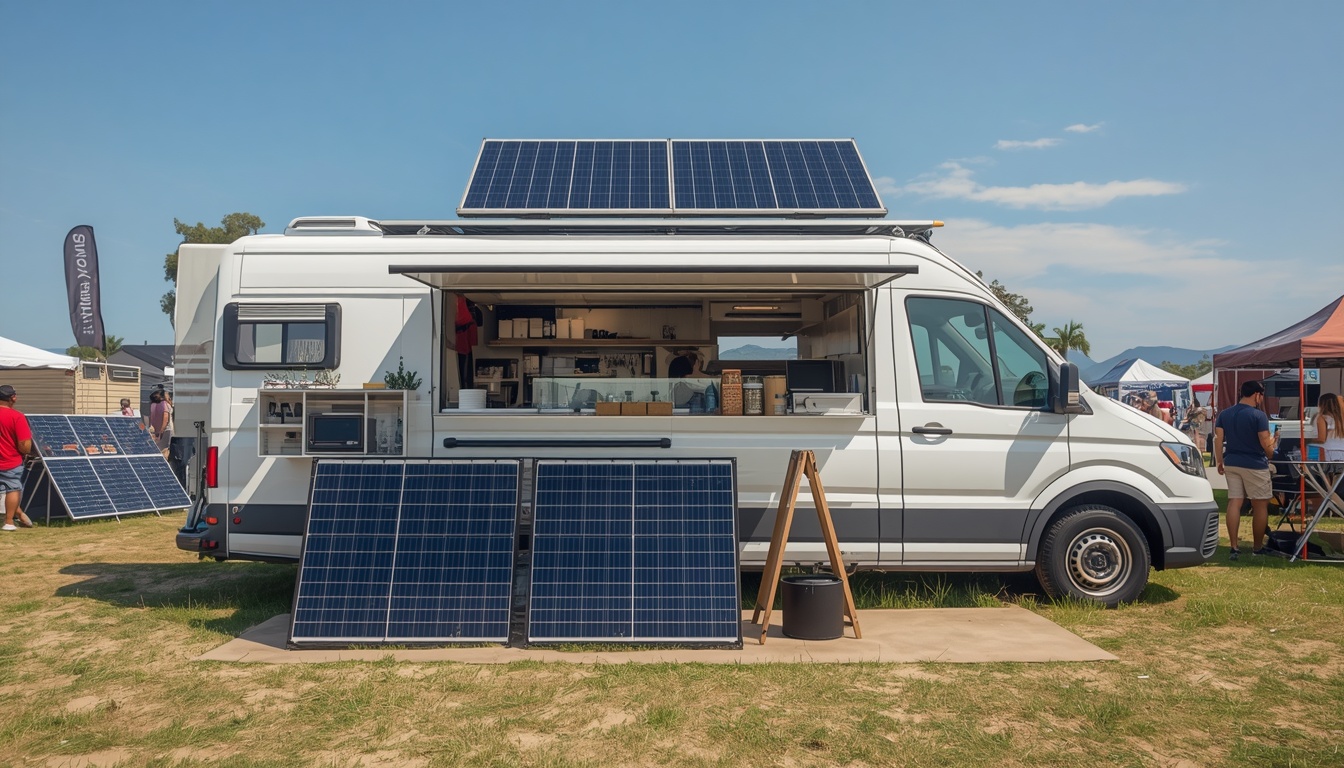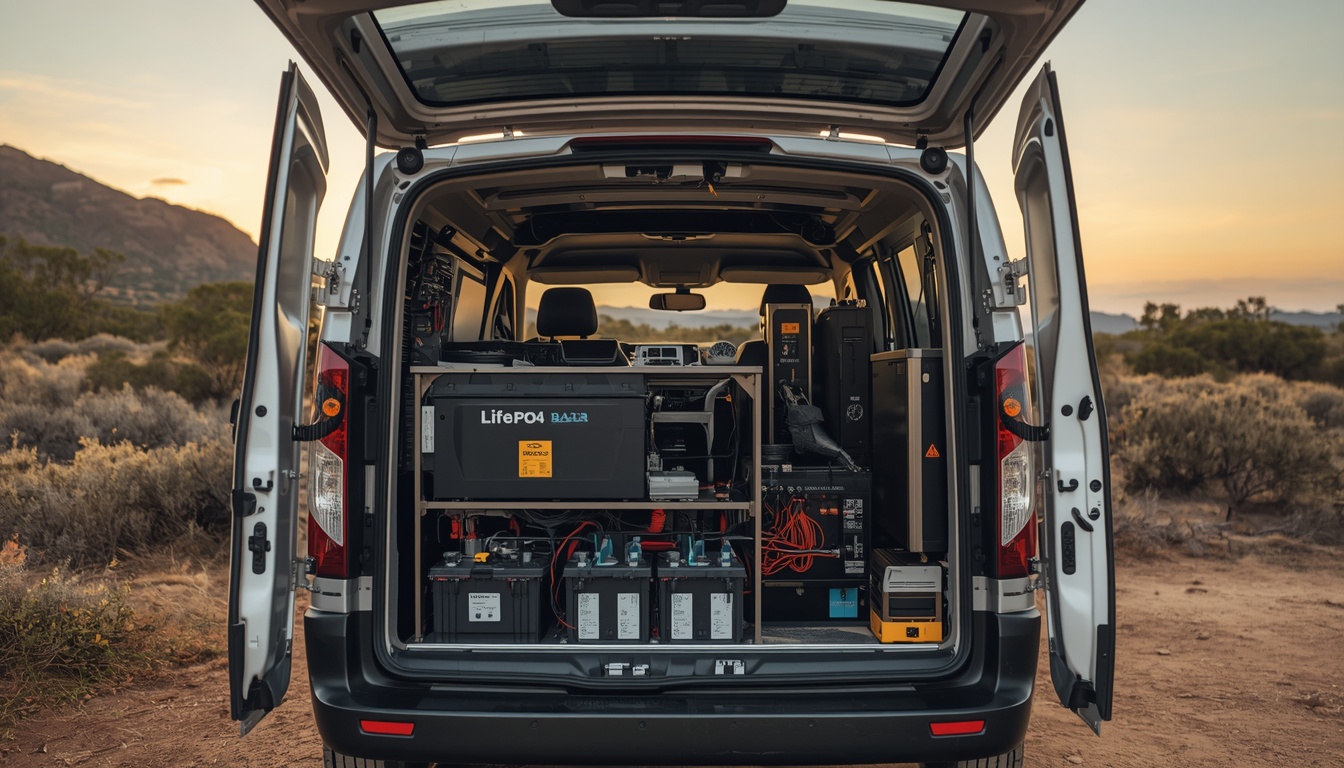
Building a reliable off grid battery system requires more than selecting the right solar panels or batteries. Every component must be designed with safety, efficiency, and long-term durability in mind.
Many homeowners and off-grid enthusiasts unknowingly make wiring mistakes that reduce system performance, shorten battery lifespan, or even create electrical hazards.
Whether you’re upgrading an existing off-grid power setup or building a new system from scratch, understanding these common errors can help you avoid costly repairs and ensure your off-grid energy system runs smoothly for years.
Common Mistakes to Avoid When Building an Off Grid Battery System
Building a high-performing off-grid battery system requires correct planning, accurate calculations, and properly matched components. Below are the essential mistakes to avoid if you want your system to run safely and efficiently.
1. Not Calculating Real Energy Needs Correctly
One of the biggest mistakes is underestimating daily power consumption. Many people assume their load is lower than it actually is because individual appliances appear to use very little power. However, when everything runs together such as lights, the fridge, pumps, chargers, and inverters, the total demand becomes much higher.
A proper off-grid design requires:
- A detailed list of all appliances
- Wattage and running hours per day
- Surge requirements
- Seasonal variations
- Future expansion needs
A proper load audit ensures that your system’s batteries and solar components can keep up with your real energy lifestyle. This is why many off-grid users choose high-efficiency LiFePO4 batteries such as those offered by Muller Energy, known for stable output and deep cycling performance.

2. Choosing the Wrong Battery Chemistry
Selecting the wrong battery type is a major design mistake. Many still choose lead-acid batteries because they seem cheaper upfront, but their long-term cost and performance limitations make them unsuitable for most off-grid systems.
Here’s a clear comparison:
| Feature | LiFePO4 Lithium | Lead-Acid (AGM/Flooded/Gel) |
| Usable Capacity | 90–95% | 30–50% |
| Cycle Life | 3000–6000 cycles | 300–800 cycles |
| Weight | Light | Very heavy |
| Charge Speed | Fast | Slow |
| Lifespan Cost | Lower long-term | High due to frequent replacements |
LiFePO4 batteries are the industry standard for reliability, safety, and longevity.
3. Poor Battery Bank Sizing
Even with the right battery chemistry, many people still size their battery bank incorrectly. An undersized system is forced into deep discharge cycles every day, which accelerates wear and dramatically reduces battery lifespan.
On the other hand, an oversized system leads to unnecessary expenses and unused capacity. Proper battery sizing requires understanding your peak and continuous loads, preferred depth of discharge, available charging sources such as solar or alternator input, and the number of autonomy days you need during low-sun periods.
When these factors are balanced correctly, your off-grid battery bank delivers long-term health, stable performance, and minimal degradation.
‘‘For a deeper breakdown of how to design a dependable off-grid setup from start to finish, read our full guide: Build a Reliable Off-Grid Solar System.’’
4. Incorrect Battery Configuration (Series vs Parallel)
Many DIY installers connect batteries incorrectly, resulting in unbalanced cells, reduced lifespan, and system instability.
Common mistakes include:
- Mixing series and parallel strings without proper balancing
- Using different cable lengths
- Connecting loads to only one side of the bank
- Mixing batteries with different ages or capacities
Note: To avoid these issues, all connections must be equal in length, properly balanced across all cells, and made using identical battery models. The system should also be supported by a high-quality Battery Management System (BMS).
When these principles are ignored, incorrect wiring often leads to overheating, voltage drops, and uneven cell cycling, ultimately causing early system failure.
5. Underestimating the Importance of a Quality BMS
A Battery Management System is the backbone of any lithium battery setup, yet many people overlook its importance or choose low-quality units to cut costs. The BMS is responsible for safeguarding the battery against overcharging, over-discharging, excessive current, cell imbalance, and overheating.
Without a reliable BMS, even a premium LiFePO4 battery can become unstable, unsafe, or experience premature failure. A high-quality BMS keeps every cell balanced, protected, and operating within safe limits, making it essential for long-term off-grid performance and reliability.

6. Improper Solar Array Sizing
Another widespread mistake is installing too few solar panels, often based on the assumption that a small array will be sufficient. In reality, off-grid systems require ample solar input to fully recharge the battery bank each day.
A properly designed solar array must consider system voltage, battery bank size, seasonal variations in sunlight, potential shading, and overall daily energy usage. When the array is underpowered, the batteries experience chronic undercharging, one of the fastest ways to shorten their lifespan and significantly reduce system performance.
7. Using the Wrong Charge Controller Type
Selecting the incorrect charge controller is a critical issue. Many beginners use inexpensive PWM controllers, not realising they waste a significant amount of solar power.
PWM Controllers:
- Cheap but inefficient
Works best with small, simple systems
MPPT Controllers:
- Much more efficient
- Convert excess voltage into usable current
- Ideal for off-grid and high-load systems
Choosing an MPPT controller ensures maximum solar harvest, faster charging, and improved battery life.
‘‘To better understand why MPPT controllers are more efficient than PWM units in off-grid setups, you can read our detailed guide here: MPPT vs PWM Solar Charge Controller for LiFePO4.’’
8. Improper Cable Sizing and Poor Wiring
Undersized or low-quality wiring causes voltage drops, overheating, reduced charging efficiency, and increased fire risk.
Common wiring mistakes include:
- Using Undersized Cables: Thin automotive wires cannot handle the current demanded by inverter loads or charging systems, leading to heat buildup.
- Skipping Fuse Protection: Without proper fuses or breakers, a short circuit can destroy components or start a fire.
- Poor Crimping or Weak Connectors: Loose or poorly crimped lugs increase resistance and cause intermittent system failures.
- Unsecured or Exposed Cables: Vibration, moisture, and sharp edges can damage insulation and create safety hazards.
- Incorrect DC-Rated Components: AC-rated parts used in DC systems can overheat or fail under continuous load.
An off-grid battery system must be built using proper AWG cable sizes, high-quality lugs, correctly rated fuses and breakers, and heat-shrunk, sealed connections to ensure safety and long-term reliability.
When these elements are selected and installed correctly, the entire system operates more efficiently, stays cooler under load, and maintains durability even in harsh off-grid conditions.
9. Mixing Battery Brands and Ages
Many DIY builders try to expand their battery bank by adding new batteries to an older setup, but this almost always creates a system imbalance. New batteries are forced to match the behaviour of older, worn units, which results in uneven voltages, reduced overall capacity, and added strain on the newer cells.
Over time, this mismatch shortens the life of the entire bank. For users planning to upgrade, selecting a matched set of caravan, campervan, marine, or 4WD lithium batteries, such as the compatible options offered by Muller Energy, helps maintain proper balance and ensures long-term reliability.
Why mixing old and new batteries causes issues:
- Imbalanced voltages
- Reduced usable capacity
- Faster wear on newer batteries
- Shortened overall lifespan
For optimal performance, all batteries in an off-grid system should be identical in terms of brand, model, age, and cycle history. If more storage is needed, the safest approach is to install a new, separate bank or replace the old one entirely.
10. Ignoring System Monitoring and Maintenance
Ignoring system monitoring and maintenance is a common cause of silent system degradation. Even with good components, performance issues can build up unnoticed unless you track basic metrics, such as state of charge, voltage, current, load usage, charging behaviour, and temperature.
A proper monitor helps you catch imbalances early and maintain battery health. When monitoring is skipped, problems accumulate until the system fails unexpectedly.
Tip: Use a reliable battery monitor or smart BMS to detect early warning signs before they turn into costly damage.

11. Not Planning for Future Expansion
Many off-grid systems fail to meet long-term expectations because they are designed only for current energy needs. Over time, users add appliances, upgrade fridges, run tools, or take longer trips, and the original setup can no longer keep up. To avoid costly redesigns, it’s essential to plan for expansion from the start.
| Future-Proofing Element | Why It Matters |
| Larger inverter | Supports additional appliances later |
| Expandable solar array | Allows more charging power as needs grow |
| Oversized charge controller | Prevents needing a new unit when adding panels |
| Extra battery space | Enables seamless energy storage upgrades |
Planning ahead ensures the system remains capable and cost-efficient for years.
12. Choosing Cheap Components to Save Money
One of the most damaging mistakes is attempting to save money by purchasing low-quality components. Cheap batteries, inverters, and controllers often fail prematurely, creating extra costs and safety risks.
High-quality off-grid systems use:
- Reputable LiFePO4 batteries
- Pure sine wave inverters
- MPPT controllers
- Proper DC-rated breakers and fuses
- Marine-grade wiring where possible
Investing in quality upfront ensures a reliable, long-lasting off-grid energy solution.
Final Thoughts
Building a reliable off grid battery system requires accurate planning, the right components, and careful installation. Avoiding the mistakes above will dramatically increase your system’s performance, safety, and lifespan. A well-designed setup ensures true energy independence, reduces maintenance costs, and delivers uninterrupted power for years to come.
If you’re building or upgrading an off-grid setup, Muller Energy offers dependable LiFePO4 batteries, solar panels, inverters, chargers, cables, and Victron components suitable for long-lasting off-grid power.