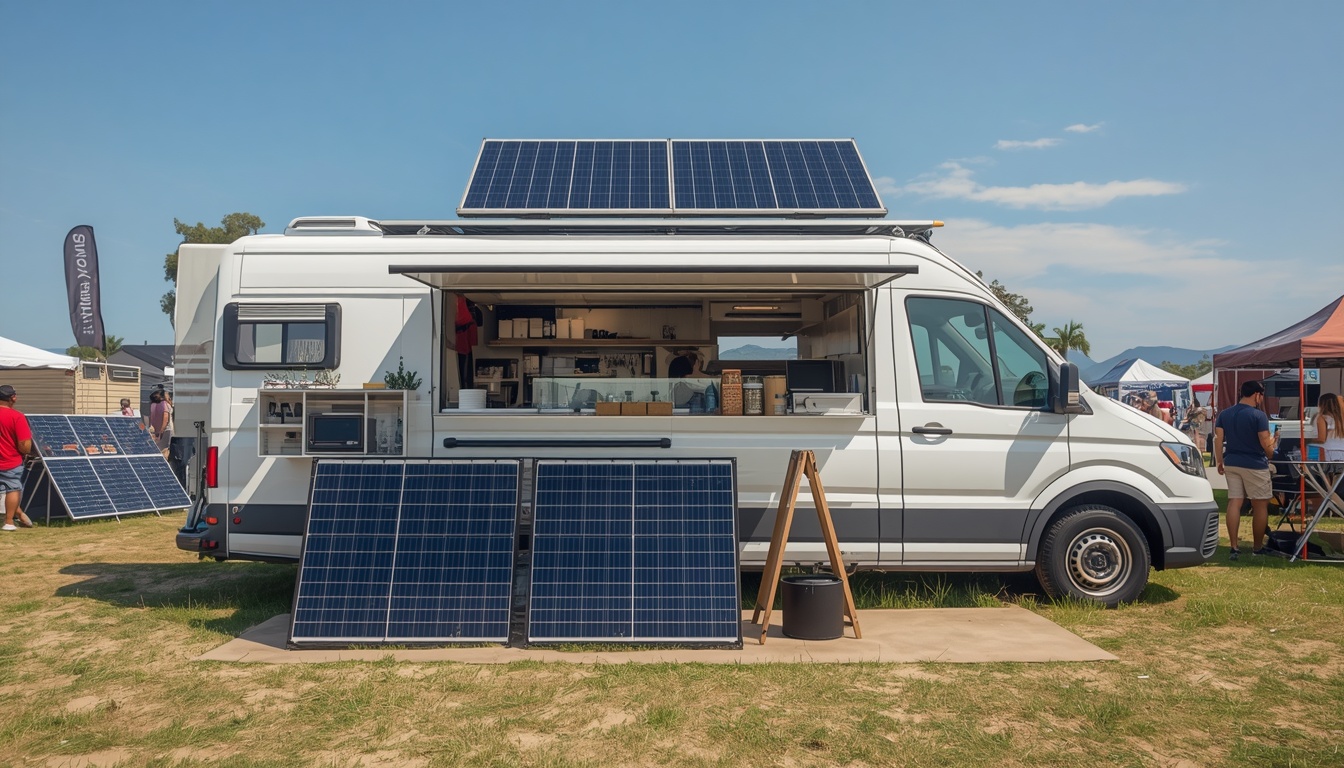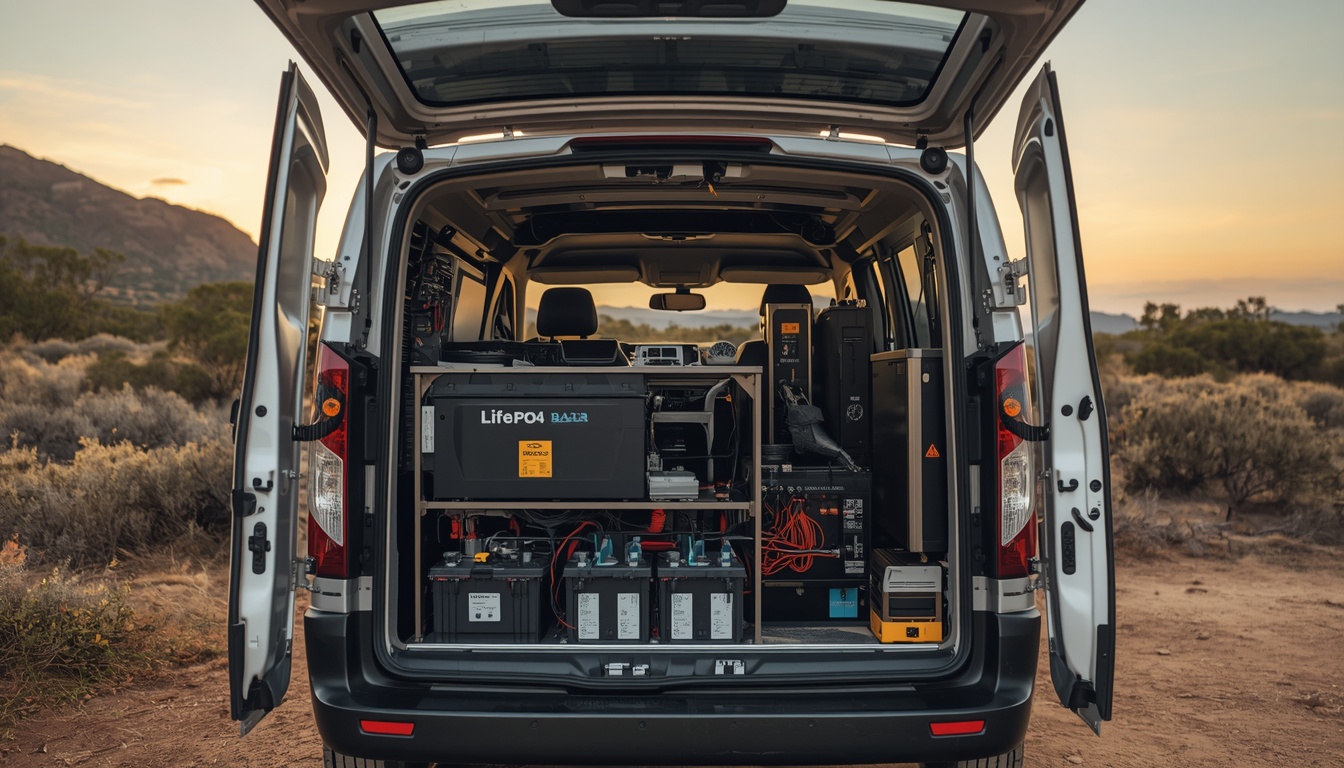
Building your own lithium battery pack allows greater flexibility, performance, and cost benefits, especially for off-grid, RV, caravan, marine, and backup power systems. However, one of the most important decisions is determining how many lithium cells are required to safely and efficiently assemble a 12V or 24V battery configuration using LiFePO4 (Lithium Iron Phosphate) cells.
This guide explains everything you need to know about cell voltage basics, series and parallel wiring, the right cell types, energy capacity, safety components, and recommended design considerations.
Lithium Cell Basics for Battery Building
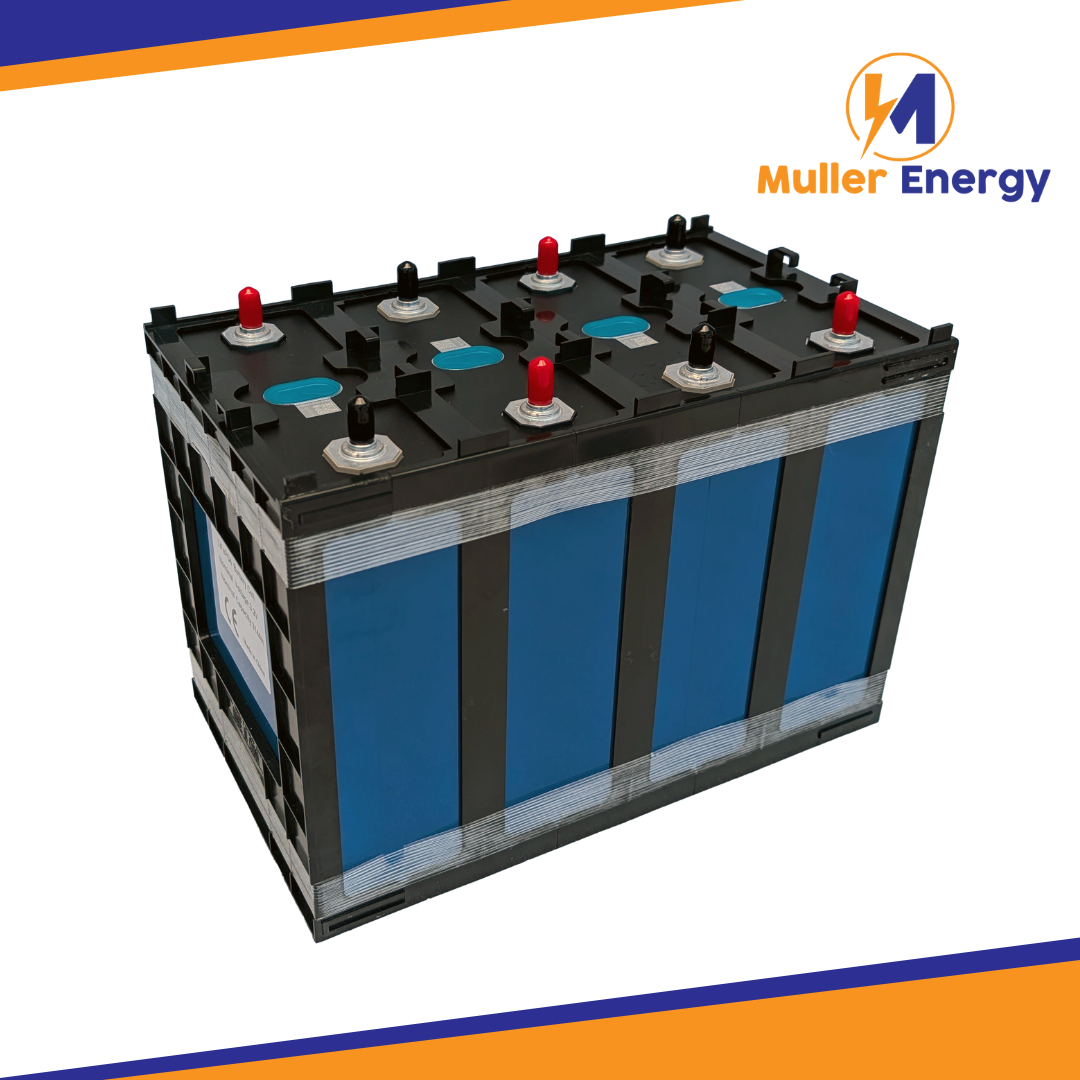
A single LiFePO4 cell has a nominal voltage of 3.2V and a fully charged voltage of 3.65V. To reach system voltages like 12V or 24V, multiple cells must be wired in series (S):
| System Voltage | Nominal Voltage | Full Charge Voltage | Cells Required |
| 12V Battery | 12.8V | 14.6V | 4S (4 cells in series) |
| 24V Battery | 25.6V | 29.2V | 8S (8 cells in series) |
- 1 cell = 3.2V → not enough for energy systems
- 4 cells = perfect for 12V
- 8 cells = perfect for 24V
Each cell adds its voltage to the system, so doubling the cells doubles the voltage.
Compared to traditional lead-acid batteries, LiFePO4 lithium cells offer higher efficiency, faster charging, and a much longer lifespan. If you’re considering upgrading, you can learn more in our detailed guide — Can You Replace a Lead-Acid Car Battery with a Lithium Battery?
Series vs Parallel: What’s the Difference?
When connecting lithium cells, there are two primary wiring methods: Series (S) and Parallel (P). Wiring cells in series increases the overall voltage of the battery pack. This is how we build standard system voltages like 12V (4S), 24V (8S), and 48V (16S), making series connections essential for high-power applications such as inverters, motors, and off-grid solar systems.
In contrast, wiring cells in parallel increases the capacity (Ah) of the battery. More parallel connections mean more stored energy, longer runtime, and the ability to power devices for extended periods without changing the system voltage.
Simple Breakdown
- Series = More Voltage
- Parallel = More Energy Storage (Ah)
Most DIY lithium battery packs use a mix of both to get the right voltage and right amount of stored power for the intended setup.
How Many Cells for 12V Lithium Battery?
To create a 12.8V nominal LiFePO4 battery system, you need 4 lithium cells connected in series, as each cell contributes approximately 3.2V to the total pack voltage.
Desired Capacity |
Configuration |
Total Cells |
Resulting Battery Specs |
| 100Ah | 4S1P | 4 cells | 12.8V 100Ah |
| 200Ah | 4S2P | 8 cells | 12.8V 200Ah |
| 300Ah | 4S3P | 12 cells | 12.8V 300Ah |
| 400Ah | 4S4P | 16 cells | 12.8V 400Ah |
📌 Standard 12V Pack Configurations Rule: Each parallel string must have matched cells for optimal safety.
How Many Cells for 24V Lithium Battery?
To build a 25.6V nominal LiFePO4 battery pack, you’ll need 8 cells connected in series, since each cell provides roughly 3.2 volts. The higher voltage reduces current flow, which improves system efficiency and minimises power loss.
This configuration is ideal for off-grid homes, high-power inverters, caravan A/C units, and 24V solar energy systems, offering superior performance and longer lifespan compared to traditional lead-acid batteries.
Standard 24V Pack Configurations
| Desired Capacity | Configuration | Total Cells | Resulting Battery Specs |
| 100Ah | 8S1P | 8 cells | 25.6V 100Ah |
| 200Ah | 8S2P | 16 cells | 25.6V 200Ah |
| 300Ah | 8S3P | 24 cells | 25.6V 300Ah |
| 400Ah | 8S4P | 32 cells | 25.6V 400Ah |

Note: Reliable energy begins with the right components. Muller Energy delivers premium DIY lithium battery kits, smart BMS systems, and carefully tested LiFePO4 cells, ensuring long-lasting performance for every project. Whether you’re powering a caravan, boat, or off-grid system, our team helps you build it right from the ground up.
Choosing the Right Lithium Cells (EVE, CATL, etc.)
Using Premium Grade A LiFePO4 cells is crucial for achieving maximum efficiency, longer cycle life, and dependable power output. These cells are designed to handle demanding environments such as off-grid setups, 4WDs, caravans, campervans, and marine systems.
Here are some of the most common and trusted cell capacities used in modern lithium battery builds:
| Cell Model | Nominal Voltage | Capacity | Typical Use |
| EVE LF105 | 3.2V | 105Ah | RV + Portable setups |
| EVE LF230 | 3.2V | 230Ah | Vanlifers + Boats |
| EVE LF280 / LF304 | 3.2V | 280–304Ah | High-demand off-grid |
| CATL 302Ah | 3.2V | 302Ah | Solar + Backup energy |
- More Ah = longer runtime
- Higher voltage = more efficient power delivery
Building a 12V or 24V lithium battery is essential for anyone interested in off-grid living or solar-powered systems. To understand how these batteries revolutionise sustainable energy setups, explore our in-depth article on the Role of Lithium Batteries in Off-Grid Living and Solar Power.
What is Battery Energy Storage (Wh & kWh)
When designing or comparing lithium battery systems, it’s important to understand how energy storage is calculated. The total stored energy determines how long your battery can power your appliances or equipment.
The formula is simple:
Energy (Wh) = Voltage × Capacity (Ah)
This value tells you the total watt-hours (Wh) your battery can deliver before it needs recharging.
Examples:
- A 12.8V 200Ah LiFePO4 battery → 12.8 × 200 = 2560Wh (or 2.56kWh)
- A 25.6V 200Ah LiFePO4 battery → 25.6 × 200 = 5120Wh (or 5.12kWh)
As you can see, a 24V (25.6V nominal) lithium battery can store twice the energy of a 12V battery with the same capacity (Ah). This means higher voltage systems deliver more total energy while operating more efficiently, ideal for solar setups, off-grid homes, and high-power inverters.
Importance of a BMS (Battery Management System)
A Battery Management System (BMS) is the brain of your lithium battery pack. It ensures every cell operates safely, efficiently, and within its optimal limits. Using a high-quality BMS is crucial to protect your investment and extend the overall battery lifespan.
A reliable BMS provides essential protection against:
- Overcharging – prevents cells from exceeding safe voltage levels
- Over-discharging – stops cells from dropping too low and being damaged
- Over-current – safeguards against excessive load or charging current
- Short-circuit – instantly cuts off power to avoid damage or fire risk
- Thermal issues – monitors and regulates temperature for safety
- Cell balancing – keeps all cells evenly charged for consistent performance
Recommended sizes for DIY lithium builds:
| Battery Voltage | Recommended BMS |
| 12V | 100A–250A |
| 24V | 100A–200A |
| High-Power Inverters | 250A–350A |
Your BMS must match the number of cells in series within your battery pack. Use a 4S BMS for a 12V LiFePO4 system and an 8S BMS for a 24V system to ensure proper voltage monitoring, balancing, and safe operation.

Proper Busbars & Cell Compression
To maintain long-term durability and consistent performance, it’s essential to use high-quality components and follow proper assembly techniques. Using copper busbars ensures low electrical resistance and stable power flow throughout the battery pack.
Applying cell compression helps prevent swelling and mechanical stress during charge and discharge cycles, extending the overall lifespan of the cells. Additionally, insulation and nickel plating protect against corrosion and improve electrical reliability. For best results, never mix cells of different types or ages within the same battery pack, as this can cause imbalance, reduced performance, and safety issues.
Why Lithium Packs Need Balancing
LiFePO4 cells must always operate within safe voltage limits to maintain performance and longevity. Even a small voltage drift between cells can lead to reduced lifespan, capacity loss, and potential cell damage.
To prevent these issues, using a smart active BMS is essential, as it continuously monitors each cell and keeps them perfectly balanced for optimal efficiency and safety.
12V vs 24V: Which Should You Choose?
Choosing between a 12V and 24V system depends on your power needs, cable length, and load size. While 12V systems are ideal for smaller setups like RVs and boats, 24V systems offer higher efficiency and better performance for larger power demands, such as home solar, inverters, and caravan A/C units.

For caravan and camping enthusiasts, lithium batteries deliver superior power-to-weight ratios and deeper discharge capabilities than AGM options. Discover a detailed comparison in our post — AGM Battery vs Lithium Battery for Caravan: Which Is Better?
Final Recommendations for DIY Battery Builders
Use Grade A LiFePO4 cells from trusted suppliers and ensure all cells match in capacity, batch, and internal resistance. Choose 4S for 12V or 8S for 24V systems and pair them with a properly rated BMS. Maintain correct busbar thickness, apply cell compression, and never mix old and new cells. Always include fuses, insulation, and safety disconnects for protection.
Building your own lithium battery pack offers better performance, faster charging, and a longer lifespan, making it ideal for off-grid and adventure power systems.