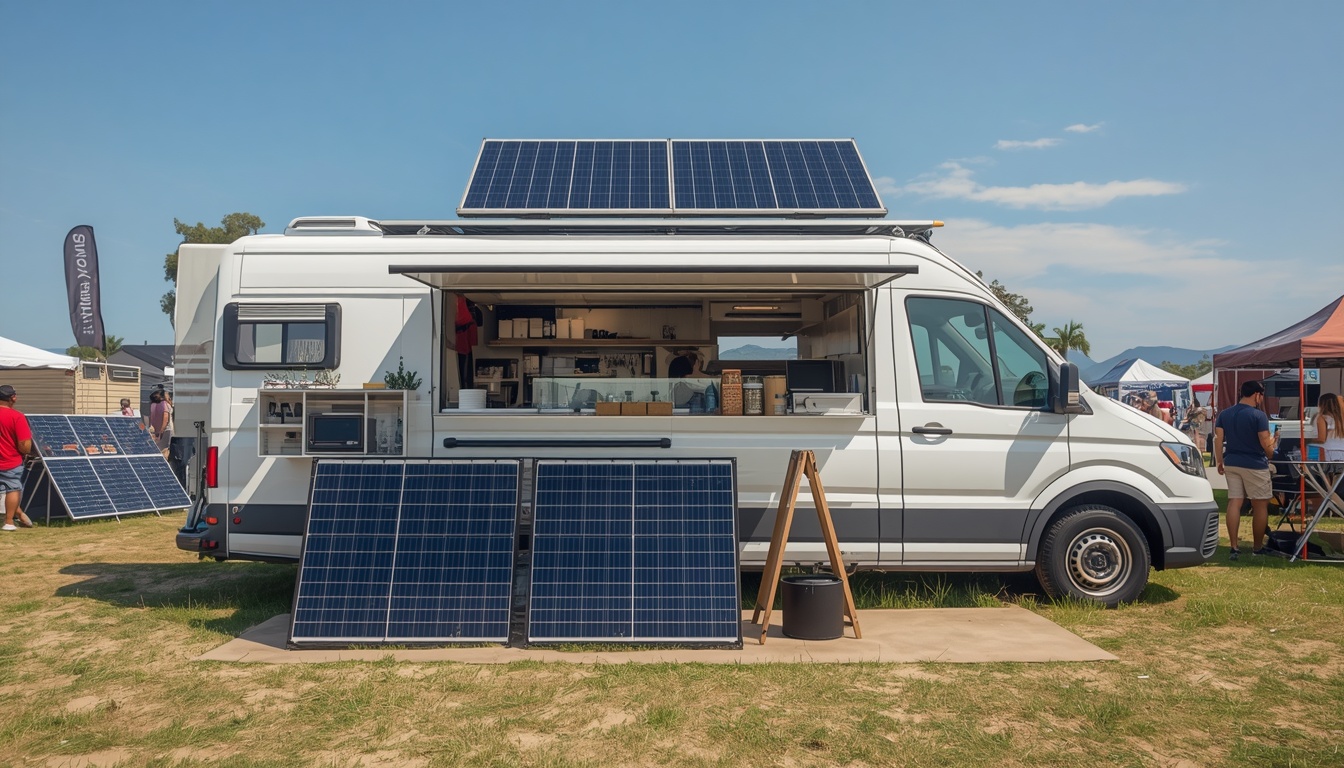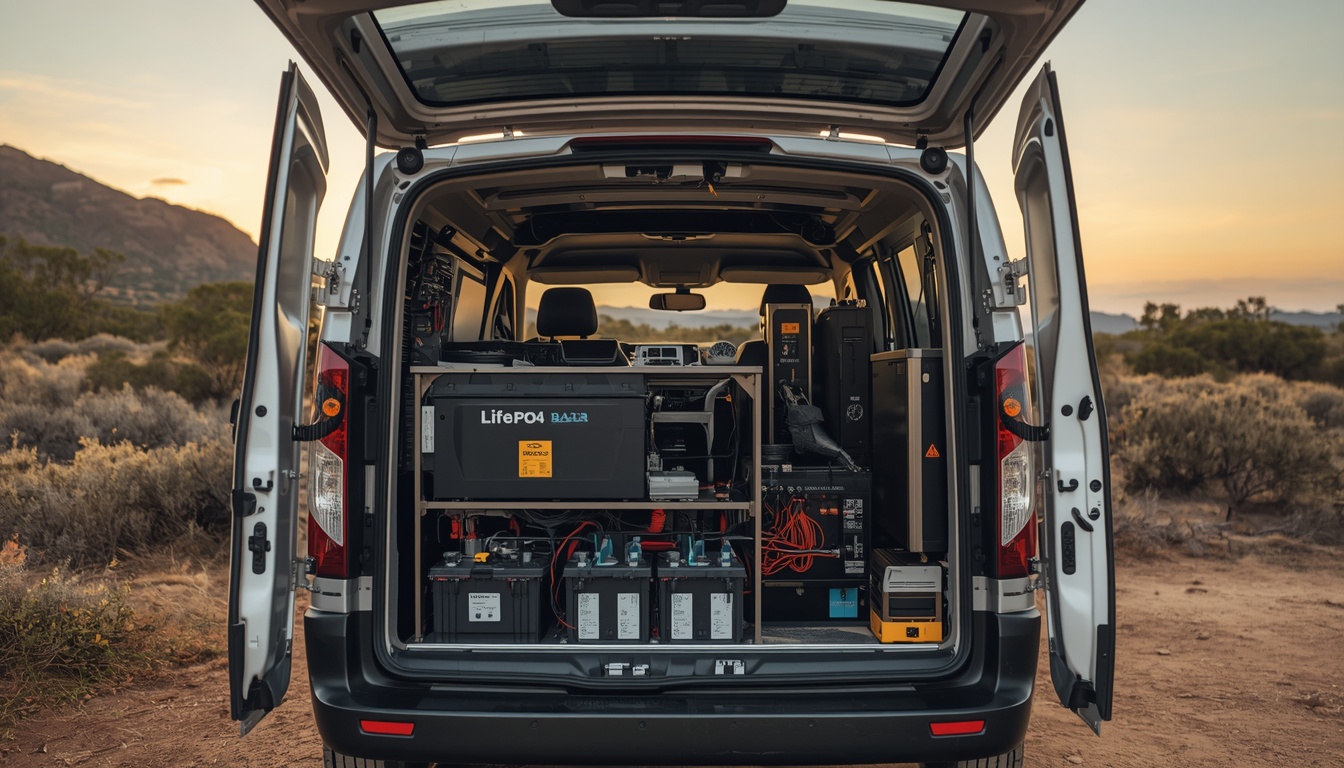
As leaders in LiFePO4 battery technology, Muller Energy understands that Battery Management Systems (BMS) play a vital role in performance, longevity, and safety. Whether you’re powering a 4WD, caravan, marine setup, solar system, or other off-grid applications, choosing the right BMS can make a significant difference.
In this guide, we break down the key differences between passive and active BMS, helping you make the most informed energy decision.
What Is a BMS and Why Is it Essential for LiFePO4 Batteries?
A Battery Management System (BMS) is the electronic brain of a Lithium Iron Phosphate (LiFePO4) battery. It continuously monitors and controls each cell to ensure:
- Overcharge and over-discharge protection
- Temperature and current regulation
- Short-circuit defense
- Cell balancing to maintain uniform voltage levels across all cells
By managing these critical functions, the BMS protects the battery from damage, maximises usable capacity, and extends overall cycle life. Without it, cells can become unevenly charged, leading to reduced performance and potential safety issues.
‘‘For a more detailed explanation of how BMS systems work in Australian LiFePO4 batteries, check out our guide on Understanding BMS in Lithium Batteries – Australia.’’

What Is Cell Balancing?
Cell balancing is the process of keeping all cells in a LiFePO4 battery pack at similar voltage levels during charging and discharging. This balance prevents certain cells from reaching their voltage limits too early, which protects the battery, maintains consistent performance, and extends overall lifespan.
How Does a BMS Balance Cells?
The BMS equalises cell voltages using control circuits that detect and correct imbalances. Depending on the design, this is done in two ways: passive systems discharge excess energy from higher-voltage cells as heat, while active systems transfer that excess energy to lower-voltage cells. This process ensures stable, efficient charging and discharging throughout the battery pack.
Passive vs Active BMS Cell Balancing Comparison
There are two main approaches a BMS uses for cell balancing: Passive and Active. Below is a comparison to help understand the differences between them.
| Feature | Passive BMS | Active BMS |
| Balancing Method | Discharges higher voltage cells as heat | Redistributes charge between cells |
| Efficiency | Moderate | High |
| Balancing Speed | Slow | Fast |
| Heat Generation | Higher | Lower |
| Cost | More affordable | Higher investment |
| Best for | Everyday recreational use | High-performance applications |
What Is a Passive BMS?
A passive balancing BMS uses resistor-based technology to bleed excess energy from higher-voltage cells, converting that extra charge into heat. This ensures all cells finish charging simultaneously.
Advantages of Passive BMS
- Cost-effective option: A budget-friendly option that can make upgrading from AGM or lead-acid more accessible for basic energy needs.
- Simple, reliable design: Fewer components mean passive BMS units are generally simpler and can work well in many recreational setups.
- Well-suited for standard setups: Works adequately for common appliances like fridges, lights, and pumps that don’t demand high power or fast energy delivery.
- Performs well with common chargers: Generally functions fine with common charging systems such as solar, AC, and DC-DC chargers found in camping environments.
- Ideal for occasional or light use: A practical choice for users who don’t cycle their batteries frequently and prioritise standard functionality over maximum performance.
Limitations
- Wastes energy as heat
- Slower balancing, especially during rapid charging
- Not ideal for high-discharge, high-regen environments
What Is an Active BMS?
An active balancing BMS uses energy transfer circuits such as capacitors, inductors, or transformers to move charge from higher-voltage cells to lower-voltage ones. Instead of wasting excess energy as heat, it redistributes it efficiently, preserving capacity and improving overall cell uniformity.
Key Advantages of Active BMS
- Higher balancing efficiency: Instead of burning off excess energy as heat, an Active BMS redistributes power between cells, ensuring less energy waste and more usable battery capacity every cycle.
- Faster, more precise cell management: Continuously works during charging and discharging, preventing cell drift and allowing all cells to remain healthier and aligned over thousands of cycles.
- Longer battery life overall: Reduces internal stress and prevents weak cells from degrading early, resulting in longer operational life and better performance in the later years of use.
- Supports high-power appliances: Perfect for caravans with air conditioners, induction cooktops, high-wattage inverters, portable power tools, and marine systems requiring instant surge power.
- Essential for EVs and commercial systems: Supports fast charging, higher discharge currents, and continuous cycling conditions where peak efficiency and fault prevention are absolutely critical.
- Improved thermal safety: Redistributing power between cells reduces heat buildup inside the battery pack, improving safety in slimline or enclosed installations with limited airflow.
‘‘Maintaining proper cell balance is key to long battery life. Learn more tips on maximising LiFePO4 battery lifespan in our article How to Increase the Life of Your Lithium Battery.’’
Limitations
- Higher cost due to complex electronics
- Increased system complexity
- Typically used in premium or commercial-grade systems
Note: Muller Energy supplies LiFePO4 batteries that incorporate active BMS technology, offering a solution suited to demanding power applications where users depend on consistent performance and efficient cell management.

Why Cell Balancing Matters More Over Time
LiFePO4 batteries are designed for exceptional longevity, often reaching 3,000–6,000 cycles, but with each charge and discharge, small imbalances naturally develop between individual cells.
Without consistent balancing, some cells may reach voltage cut-off earlier than others, limiting usable capacity. Over time, the BMS compensates by restricting performance to protect weaker cells, gradually shortening the pack’s overall lifespan.
That’s why effective balancing is essential; it keeps cells aligned, preserves capacity, and ensures the battery continues to operate with near-new performance for many years.
Which BMS Technology Is Better?
There’s no single best option; the right BMS depends on your system’s power demands, charging speed, and usage environment. The guide below compares both technologies to help you choose based on your application and performance goals.
Application / Usage Type |
Passive BMS |
Active BMS |
| 4WD Touring | ✅ Excellent for typical off-grid setups | ✅ Excellent performance and efficiency |
| Caravans / Motorhomes | ✅ Suitable for moderate appliances | ✅ Best for fast charging and heavy power draw |
| Marine Systems | ✅ Works well for basic boating needs | ✅ Better for motors, winches & long cable runs |
| Home Solar Storage | ✅ Good balance of cost and reliability | ✅ Optimal efficiency and longevity |
| EV / Mobility / Robotics | ❌ Not suitable due to high discharge demands | ✅ Required for high discharge and regen performance |
Choose Passive BMS if you:
- Use systems with moderate discharge rates
- Prefer a cost-efficient and simple system
- Charge mainly via solar, DC-DC, or AC systems
Choose Active BMS if you:
- Need maximum efficiency and faster balancing
- Run high-demand or surge-heavy appliances
- Operate in high-regeneration environments (EVs, robotics, or commercial systems)
Tip: Always choose LiFePO4 batteries built by reputable manufacturers like Muller Energy, where safety, efficiency, and long-term reliability are top priorities.
‘‘If you plan to use your LiFePO4 battery in a caravan or off-grid system, understanding charging methods is essential. Check out our guide on Caravan Lithium Battery Charging: DC-DC & Solar for more practical insights.’’
Advanced Battery Protection with Active BMS Technology
At Muller Energy, we pair our LiFePO4 batteries with a smart Active BMS to deliver more usable energy, better long-term cell health, and stronger safety protection. Our Active BMS continuously balances cells while charging and discharging, helping the battery maintain smooth performance even under high surge loads.
With high-quality LiFePO4 cells, reinforced construction for vibration resistance, and reliable thermal monitoring, our batteries are built for tough Australian conditions, whether you’re touring in a 4WD, living off-grid in a caravan, or powering marine equipment. Muller Energy batteries are designed to stay efficient, safe, and dependable wherever your adventure leads.
Don’t just take our word for it; our customers consistently rate us highly for reliability and service. Check out our Google reviews to see why Australians trust us for off-grid power solutions.
Final Verdict: Passive and Active BMS for LiFePO4
Both ensure safe operation of LiFePO4 batteries, but active systems deliver higher efficiency, especially under demanding usage. We recommend selecting a battery with a BMS engineered for your specific lifestyle needs, ensuring optimal power, safety, and longevity for every adventure.