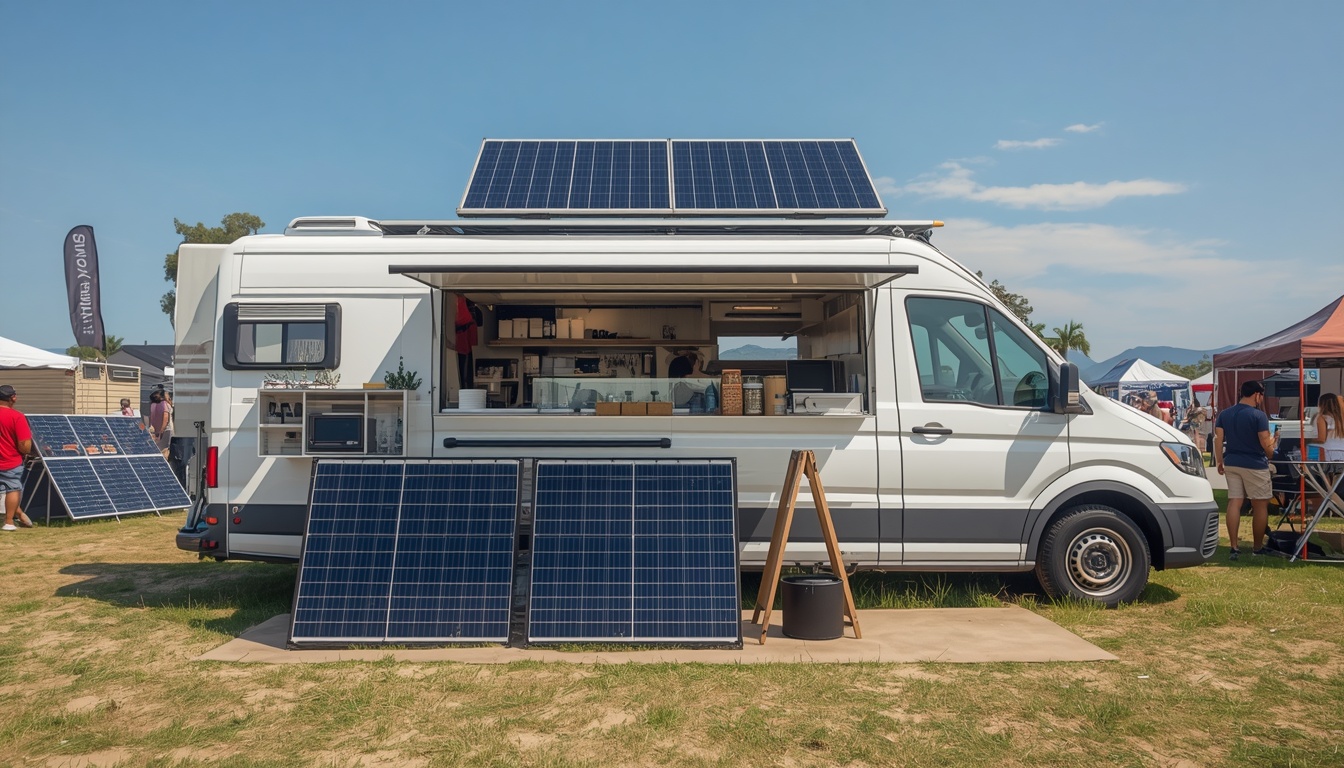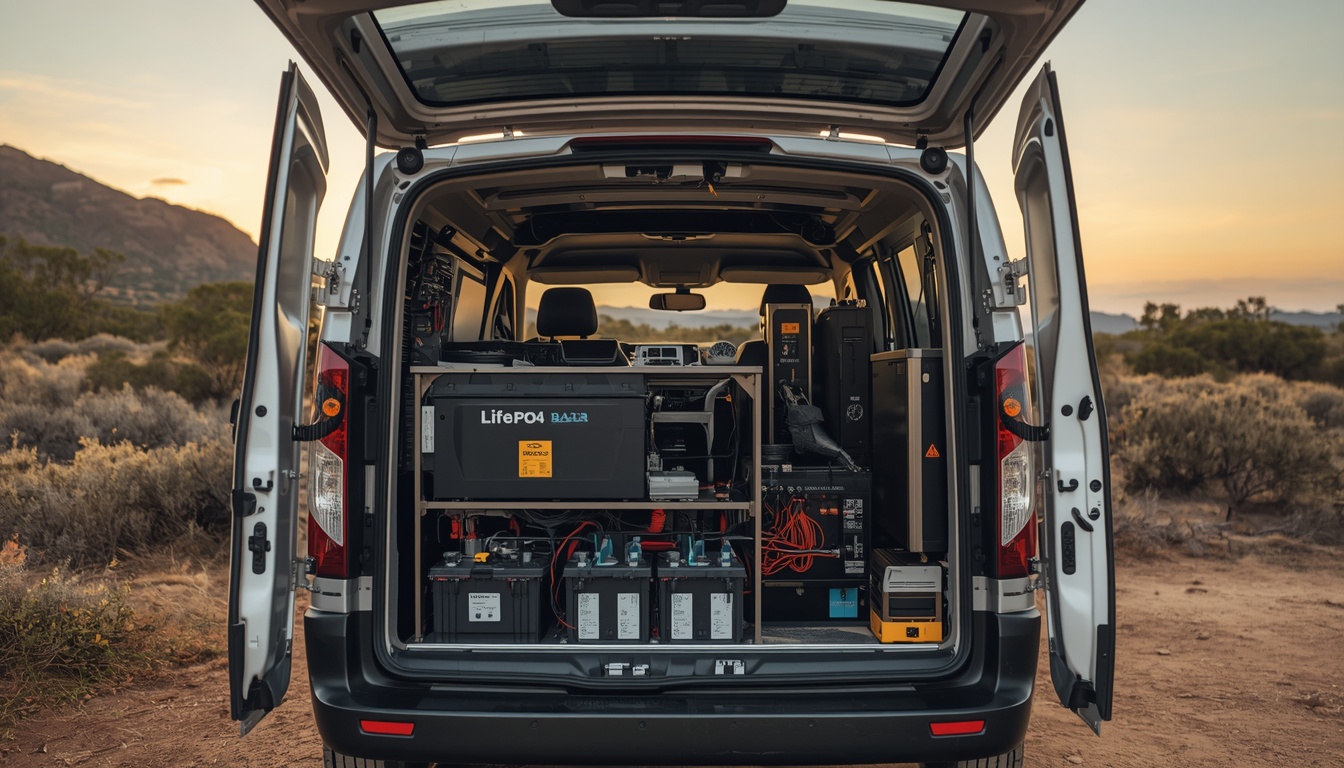
When it comes to modern off-grid systems, campervans, 4WD setups, marine power banks, and renewable-energy storage, the 12V lithium battery has become the gold standard. Its combination of high efficiency, long lifespan, and exceptional usable capacity makes it far superior to outdated lead-acid technologies.
In this comprehensive guide, we break down how much power a 12V lithium battery can really deliver, how to calculate its real performance, and why it has become the preferred choice for demanding power systems.
True Power Potential of 12V Lithium Batteries
A 12V lithium battery typically using LiFePO4 chemistry delivers significantly more usable energy than old AGM or deep-cycle batteries. While a lead-acid battery can only safely use about 50% of its capacity, a lithium battery can discharge 90–100% without damage.
This alone means that a 100Ah 12V lithium battery can deliver nearly twice the usable energy of a 100Ah AGM battery. But the real power capability involves more than capacity.
Key factors include:
- Voltage stability under load
- Maximum continuous discharge rate
- Surge (peak) discharge capability
- Battery management system (BMS) limits
- Temperature and efficiency factors
A well-engineered lithium battery maintains its voltage even under high current loads, ensuring your devices and appliances run at peak performance without voltage dropouts.
How to Calculate a 12V Lithium Battery Run Time?
To understand how much power a 12V lithium battery delivers, you must look at two measurements:
1. Energy Capacity (Wh)
Measured in watt-hours, energy capacity tells you how much energy a battery can store and deliver. The formula is:
Formula:
Watt-hours (Wh) = Amp-hours (Ah) × Voltage (V)
This gives you the total amount of usable energy inside the battery.
Example Calculation for a 12V 100Ah LiFePO4 Battery:
Using a nominal voltage of 12.8V for lithium iron phosphate:
100Ah × 12.8V = 1280Wh (1.28kWh)
(Using 12.8V nominal for LiFePO4)
This means a 100Ah 12V lithium battery stores 1280 watt-hours (1.28kWh) of usable energy.
2. Maximum Continuous Discharge Rate
Lithium batteries often have discharge rates between:
- 50A to 200A continuous
- 100A to 400A peak (surge)
This determines how many appliances you can run at the same time.
How Much Power 12V Lithium Batteries Can Deliver
Below is a comprehensive breakdown of the most popular 12V lithium battery sizes and their real-world power potential, including what appliances they can support, how long they can deliver sustained loads, and how their high discharge capabilities translate into practical off-grid performance.
| Battery Size | Usable Energy (Wh) | Continuous Discharge (A) | Max Continuous Power (W) | Suitable For |
| 12V 100Ah Lithium Battery | 1280Wh | 100A | 12.8V × 100A = 1280W | Fridges, lights, water pumps, laptops, TV, small inverters up to 1500W |
| 12V 200Ah Lithium Battery | 2560Wh | 150–200A | 12.8V × 200A = 2560W | High-power inverters, microwaves, coffee machines, off-grid cabins |
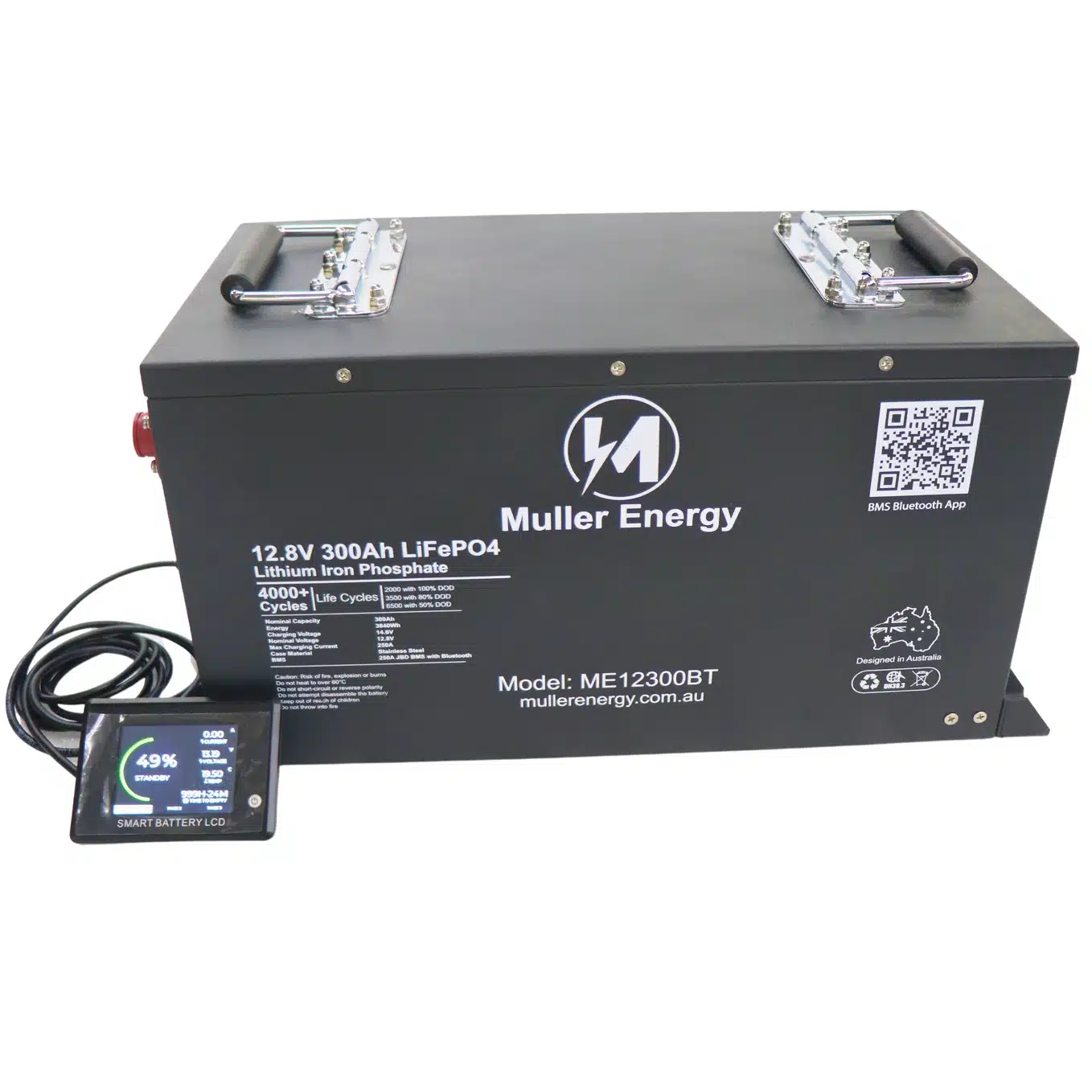
| 12V 300Ah Lithium Battery | 3840Wh | 200–250A | 12.8V × 250A = 3200W | Heavy off-grid setups, RV air-conditioning, full-time van life systems |
Why a 12V Lithium Battery Delivers More Real Power Than Lead-Acid
1. Higher Usable Capacity
Lithium batteries provide up to 100% usable energy, compared to 50% for AGM. This means:
A 100Ah lithium battery ≈ 200Ah AGM battery, in terms of usable power.
2. Voltage Stability
Lead-acid voltage drops quickly under load, which causes:
- Dim lights
- Weak water pumps
- Inverter shutdown
A lithium battery maintains 13.0–12.5V for most of its cycle, ensuring stable power delivery.
3. Higher Discharge Rates
Lithium batteries comfortably deliver high currents without stress, enabling them to power:
- Induction cooktops
- Compressors
- Electric ovens
- High-wattage inverters
Lead-acid batteries fail quickly under these conditions.
How Long a 12V Lithium Battery Lasts Running Common Appliances
Here are the real-world runtimes you can expect from a 100Ah lithium battery (1280Wh), based on common appliances used in camping, caravans, 4WD setups, and off-grid systems.
| Appliance | Average Wattage | Estimated Runtime |
| 12V Fridge | 40W | 32 hours |
| LED Lights | 10W | 128 hours |
| Water Pump | 60W | 20 hours |
| Laptop | 50W | 25 hours |
| Fan | 35W | 36 hours |
| 1500W Inverter (light loads) | 100W | 12.8 hours |
| Microwave / Kettle | 1000W–1500W | 5–20 minutes |
Higher-capacity batteries scale these runtimes proportionally.

Role of the BMS in Power Delivery
A lithium battery’s performance and power delivery are heavily influenced by its Battery Management System (BMS). The BMS is the brain of the battery, constantly monitoring and controlling its operation to ensure safety, efficiency, and longevity. Key functions of a BMS include:
- Maximum Discharge Current: Controls how much current the battery can safely deliver at any moment, preventing damage from excessive loads.
- Maximum Charging Current: Regulates the charging speed to protect the cells and extend battery life.
- Temperature Protection: Monitors cell temperatures to avoid overheating or freezing, which can degrade performance.
- Cell Balancing: Ensures all individual cells maintain equal voltage levels, maximising usable capacity and lifespan.
- Over/Under-Voltage Protection: Prevents damage from excessive discharge or overcharging, keeping the battery safe under all conditions.
A high-quality BMS guarantees:
- Longer battery life
- Greater surge capability
- Safe operation under heavy loads
Conversely, cheaper or poorly designed batteries often cut corners on BMS quality, which can lead to reduced performance, shorter lifespan, and potential safety risks.
Note: Muller Energy’s LiFePO4 batteries come equipped with an advanced BMS that delivers stable power output, enhanced surge handling, and comprehensive protection for safe, reliable operation in demanding off-grid, campervan, 4WD, and marine applications.
‘‘For readers who want a deeper understanding of how BMS technology works, consider exploring our detailed guide on lithium battery BMS systems.’’
Can You Run an Inverter on a 12V Lithium Battery?
Absolutely, lithium batteries are ideal for inverters. Here’s what you need to know before choosing the right battery–inverter combination for your setup:
✔ 100Ah Lithium Battery
- Suitable for 600W–1500W inverters
- Can handle coffee machines, laptops, TVs
✔ 200Ah Lithium Battery
- Suitable for 2000W–3000W inverters
- Ideal for microwaves and induction cooktops
✔ 300Ah Lithium Battery
- Suitable for 3000W+ inverters
- Capable of running air-conditioners (with soft start)
Note: If you need a reliable battery for inverter use, Muller Energy offers 100Ah, 200Ah, and 300Ah LiFePO4 batteries, all built to deliver consistent voltage and strong surge capability for demanding appliances.
‘‘And for help choosing the right inverter to pair with your lithium system, here’s our expert guide on the best power inverters for campervans.’’

Why Lithium Is the Superior Power Solution
A 12V lithium battery delivers superior power due to several key advantages. It offers higher energy density, allowing more energy to be stored in a smaller, lighter package. Lithium batteries support higher discharge rates and maintain a stable voltage under load, ensuring consistent performance even with demanding appliances.
They also provide a longer lifespan, typically between 3,000 and 6,000 cycles, and feature lightweight construction, often weighing half as much as comparable AGM batteries.
Additionally, lithium batteries achieve faster charging efficiency, reaching up to 99%, which reduces downtime and maximises usable energy. These benefits make lithium batteries the clear choice for campervans, 4WDs, marine systems, and home backup power solutions.
How to Choose the Best 12V Lithium Battery for Your Needs
Selecting the right 12V lithium battery is crucial to ensure reliable, long-lasting power for your campervan, 4WD, marine setup, or off-grid system. When making your choice, consider the following factors carefully:
1. Capacity (Ah)
Choose a battery with enough capacity to meet your daily energy consumption. Consider all appliances, devices, and potential future additions to avoid running out of power unexpectedly.
2. Continuous Discharge Rating
Ensure the battery’s continuous discharge rate matches or exceeds the load of your inverter or connected appliances. This prevents voltage drops and ensures stable performance under heavy or simultaneous loads.
3. BMS Quality
The Battery Management System (BMS) is the heart of any lithium battery. A high-quality BMS protects against overcharging, over-discharging, overheating, and cell imbalance, ensuring safety, optimal performance, and longer lifespan. Never compromise on this feature.
4. Warranty & Safety Standards
Look for batteries with 5+ year warranties and certified LiFePO4 cells. These certifications guarantee compliance with safety standards, build quality, and reliability for both home and mobile energy systems.
5. Brand Reputation
Opt for well-known, trusted brands with positive reviews, proven performance history, and responsive customer support. Reliable brands are more likely to provide quality products, consistent specifications, and assistance if any issues arise.
6. Efficiency and Charge Time
Consider how quickly the battery can be charged and how efficiently it stores energy. Faster charging batteries reduces downtime, while higher efficiency ensures more usable energy from solar panels or alternators.
7. Weight and Installation Considerations
Lightweight batteries are easier to handle and ideal for vehicles or marine setups where weight is critical. Ensure the battery’s size and design fit your installation space and mounting options.
By carefully evaluating these factors, you can select the best 12V lithium battery that delivers reliable, long-term power, meets your energy needs, and ensures safe operation in any application.
“When selecting a battery, choosing a trusted brand is just as important as the specifications. Muller Energy batteries come with advanced BMS systems, LiFePO4 cells, and a 10-year warranty, ensuring safety, longevity, and dependable performance for campervans, marine setups, and off-grid systems.”
Final Thoughts
A 12V lithium battery is capable of delivering exceptional power, the kind of reliable, stable energy modern off-grid and mobile lifestyles demand. Whether you’re powering a campervan, marine setup, home backup system, or 4WD touring rig, lithium technology ensures maximum performance, longer lifespan, and the highest usable capacity.
With the right capacity and a robust BMS, a 12V lithium battery can safely run high-demand appliances, maintain voltage stability, and deliver unmatched efficiency compared to traditional options. It’s the future of energy storage and the ideal solution for anyone who needs dependable, long-lasting power.