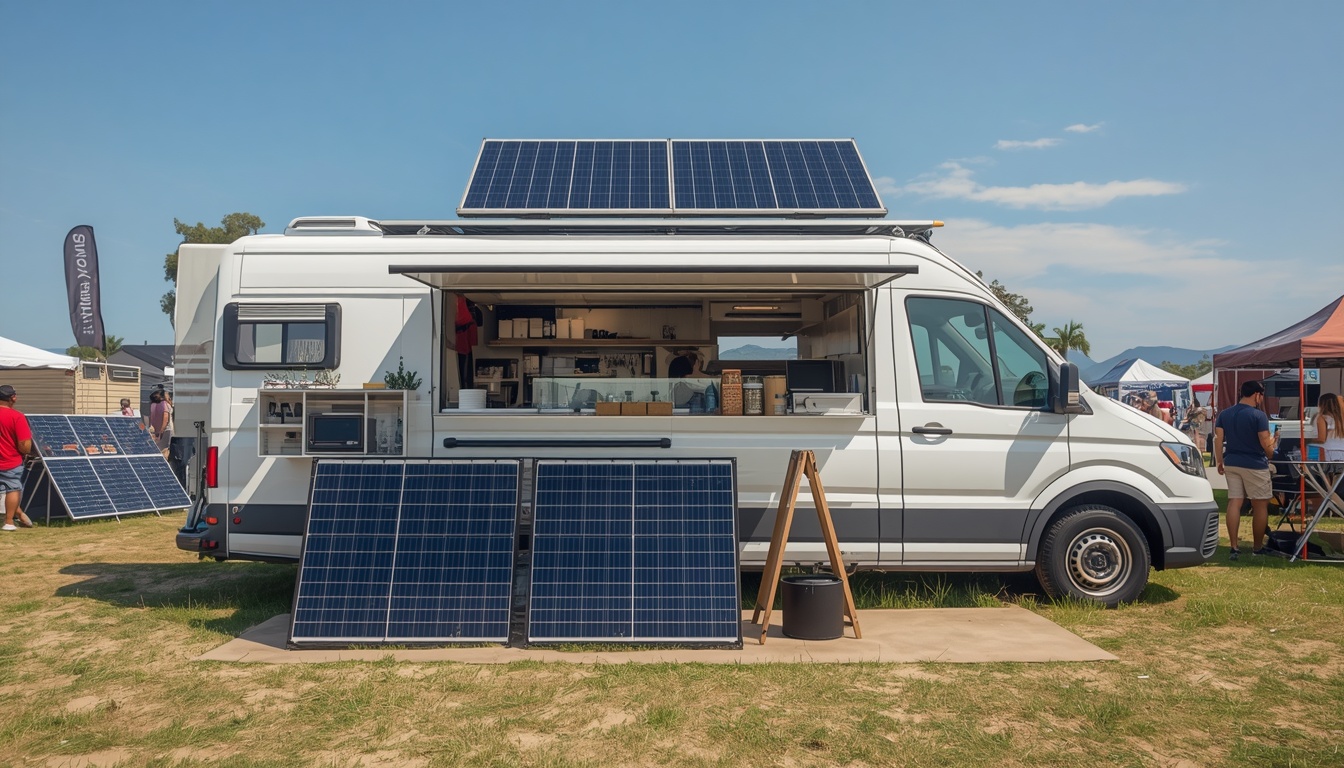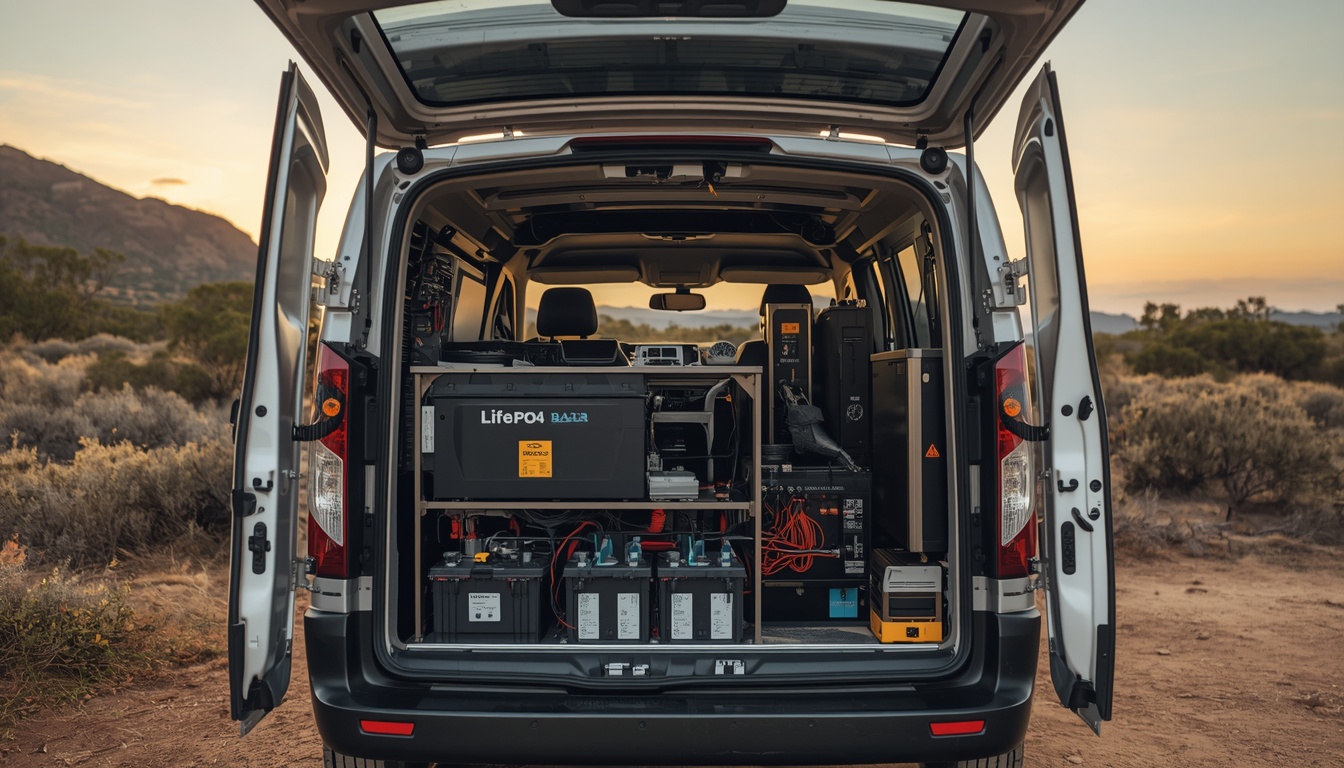
A lithium ion battery for camping is one of the most valuable investments for any outdoor enthusiast. It powers fridges, lights, fans, water pumps, phones, cameras, and essential camp electronics. While these batteries deliver exceptional performance, improper use, especially over-discharging, can dramatically shorten their lifespan.
Here, we provide a comprehensive guide on how to prevent over-discharging and ensure reliable, long-lasting power on every trip.
What is Over Discharging in Lithium Ion Batteries
Over-discharging occurs when a lithium ion battery is drained below its recommended minimum voltage. Every lithium battery operates within a safe voltage range, and dropping below that range causes irreversible chemical stress on the cells.
When a battery is discharged too deeply, it can permanently lose capacity, develop an internal cell imbalance, experience reduced charging efficiency, and suffer a significantly shorter lifespan.
In camping setups where batteries often power fridges, lights, pumps, and devices for extended periods, understanding how to prevent over-discharging is essential for maintaining performance and reliability.
Why Over-Discharging Is Harmful for Camping Applications
Camping environments expose batteries to continuous loads, fluctuating temperatures, and extended use. This combination increases the risk of running below safe voltage. Common results include:
- Shortened cycle life: Deep discharges accelerate cell wear, reducing the battery’s usable lifespan.
- Voltage sag: Low voltage causes sudden drop-offs in power, leading to unexpected shutdowns of appliances.
- Reduced high-current performance: The battery struggles to deliver strong bursts of power when heavily discharged.
- BMS lockout: The Battery Management System may shut down the battery entirely to protect it from damage.
Since a lithium ion battery is often your only power source in remote areas, avoiding these issues is critical for both convenience and safety.
Recommended Depth of Discharge (DoD) for Camping Batteries
Unlike AGM or lead-acid batteries, where discharge below 50% severely reduces lifespan, lithium batteries allow deeper use. However, there are still limits you should not exceed.
| Depth of Discharge (DoD) | Recommendation |
| 20–70% | Ideal daily discharge range for long battery life |
| 80–90% | Maximum safe discharge level |
| 0% | Never discharge to this level (below BMS cutoff) |
Most high-quality camping lithium ion batteries include a protective Battery Management System that disconnects power if the voltage gets too low. However, relying on the BMS cutoff regularly accelerates wear and reduces usable life.
How to Prevent Over-Discharge in Camping Lithium Batteries?
Keeping your lithium battery within a safe charge range is essential for maintaining performance and longevity during camping trips. With proper monitoring, correct battery sizing, smart charging habits, and efficient power use, you can avoid deep discharge and ensure reliable off-grid power.
1. Monitoring Your Battery to Avoid Deep Discharge
Use a high-quality battery monitor to track voltage, current, and state of charge (SOC). If a dedicated monitor isn’t available, you can check the voltage manually after the battery has rested for a few minutes. Approximate SOC for a 12V LiFePO4 battery is:
| Battery Voltage | Approx. State of Charge (SOC) |
| 13.2 – 13.4 V | 100% (Full) |
| 12.8 – 13.0 V | 70–80% |
| 12.4 – 12.6 V | 40–50% |
| 12.0 – 12.2 V | 20–30% |
| Below 12.0 V | At risk of over-discharge |
Use devices with built-in low-voltage protection, such as fridges, inverters, or DC controllers. Set their low-voltage disconnects appropriately to prevent accidental deep discharge.
Tip: Voltage fluctuates under load, so always check after the battery rests.
2. Choose the Right Battery Size to Avoid Deep Discharge
A heavily undersized battery bank forces deeper daily cycling, which increases the risk of over-discharging. To prevent this, follow these steps:
Calculate Your Daily Power Usage
Add up the watt-hours (Wh) for all devices:
- Fridge: 400–800 Wh/day
- Lights: 30–50 Wh/day
- Fans: 50–150 Wh/day
- Phone/tablet charging: 20–50 Wh/day
- Camera, drones, laptops: 100–200 Wh/day
Total typical camping usage: 600–1200 Wh/day
Choose Battery Capacity Accordingly
- 100 Ah LiFePO4 (≈1280 Wh) → Light use, weekend trips
- 150–200 Ah → Ideal for full setups with fridges
- 300 Ah+ → Heavy off-grid use or multiple appliances
Tip: Undersizing your battery leads to deeper daily discharges. Correct sizing ensures your battery operates within safe Depth of Discharge (DoD) limits and prolongs its lifespan.

3. Use Solar or Vehicle Charging to Maintain Safe Battery Levels
Keeping the battery topped up throughout the day ensures it enters the evening with sufficient reserve capacity, greatly reducing the risk of deep or dangerous nighttime discharge when continuous loads like fridges and lights remain active.
Solar Charging
Portable or fixed solar panels maintain charge and reduce DoD:
- 200W → Light setups
- 300–400W → Fridge + multiple devices
- 500W+ → Heavy off-grid systems
Tip: Use an MPPT solar controller to maximise efficiency and charging speed.
Vehicle Charging
Vehicle charging through a DC-DC charger provides a safe and efficient way to recharge your lithium battery while driving. It delivers stable voltage, applies the correct lithium charging profile, and protects the battery from alternator overvoltage.
With regular top-ups from your vehicle, you can significantly reduce the risk of deep nighttime discharge and maintain healthier battery levels throughout your trip.
4. Prevent Over-Discharging With Smart Power Management
Proper power management extends battery life and prevents unnecessary drain.
Turn Off Non-Essential Loads
At night or when the battery drops below 30%, disconnect:
- Lights not in use
- Inverters
- High-draw fans
- Electric pumps
Inverters, in particular, can drain batteries quickly even when idle.
Use Energy-Efficient Camping Appliances
Choose devices designed for low power use:
- 12V fridges instead of 240V (via inverter)
- LED lighting
- Low-draw DC fans
- USB-powered electronics
Efficient electronics reduce the risk of accidental over-discharge.
Related Articles:
How to Increase the Life of Your Lithium Battery and Should You Bother?
Selecting Your Ideal Caravan Battery Size
Understanding BMS: How It Protects Your Lithium Battery
5. Keep Your Lithium Ion Battery at Optimal Temperature
Temperature plays a major role in how efficiently a lithium battery discharges, directly influencing voltage stability, available capacity, and overall performance in real-world camping conditions.
Cold Temperatures (Below 0°C)
- Voltage drops faster
- Battery capacity is effectively reduced
- Discharge currents may be reduced
High Temperatures (Above 45°C)
- Accelerated chemical degradation
- Shorter cycle lifespan
- BMS may trigger thermal protection
Keep the battery shielded from direct sunlight and insulated from extreme cold.

6. Use a Battery Management System With Advanced Protection
A camping-ready lithium ion battery should always be equipped with a high-quality Battery Management System (BMS). The BMS provides essential protections such as low-voltage disconnect, high-voltage disconnect, short-circuit protection, over-temperature protection, and automatic cell balancing to keep the battery operating safely.
While these built-in safeguards prevent accidental over-discharge and other electrical faults, they are not a substitute for responsible usage. Consistently monitoring your battery, sizing your system correctly, and following good charging practices remain just as important for long-term performance.
7. Store Your Battery Properly Between Camping Trips
Proper storage is essential because a lithium battery can still over-discharge even when it’s not being used. To keep it healthy between camping trips, store the battery at 50–70% charge, and make sure to disconnect all loads so nothing drains it slowly over time.
You should also check and top up the charge every 3–6 months to prevent natural self-discharge from dropping the voltage too low. Always keep the battery in a cool, dry environment, as heat and humidity accelerate degradation.
Letting a battery sit empty for extended periods can cause severe cell damage and long-term capacity loss, so maintaining proper storage habits is crucial.
Choose a Reliable Lithium Ion Battery for Safe Camping
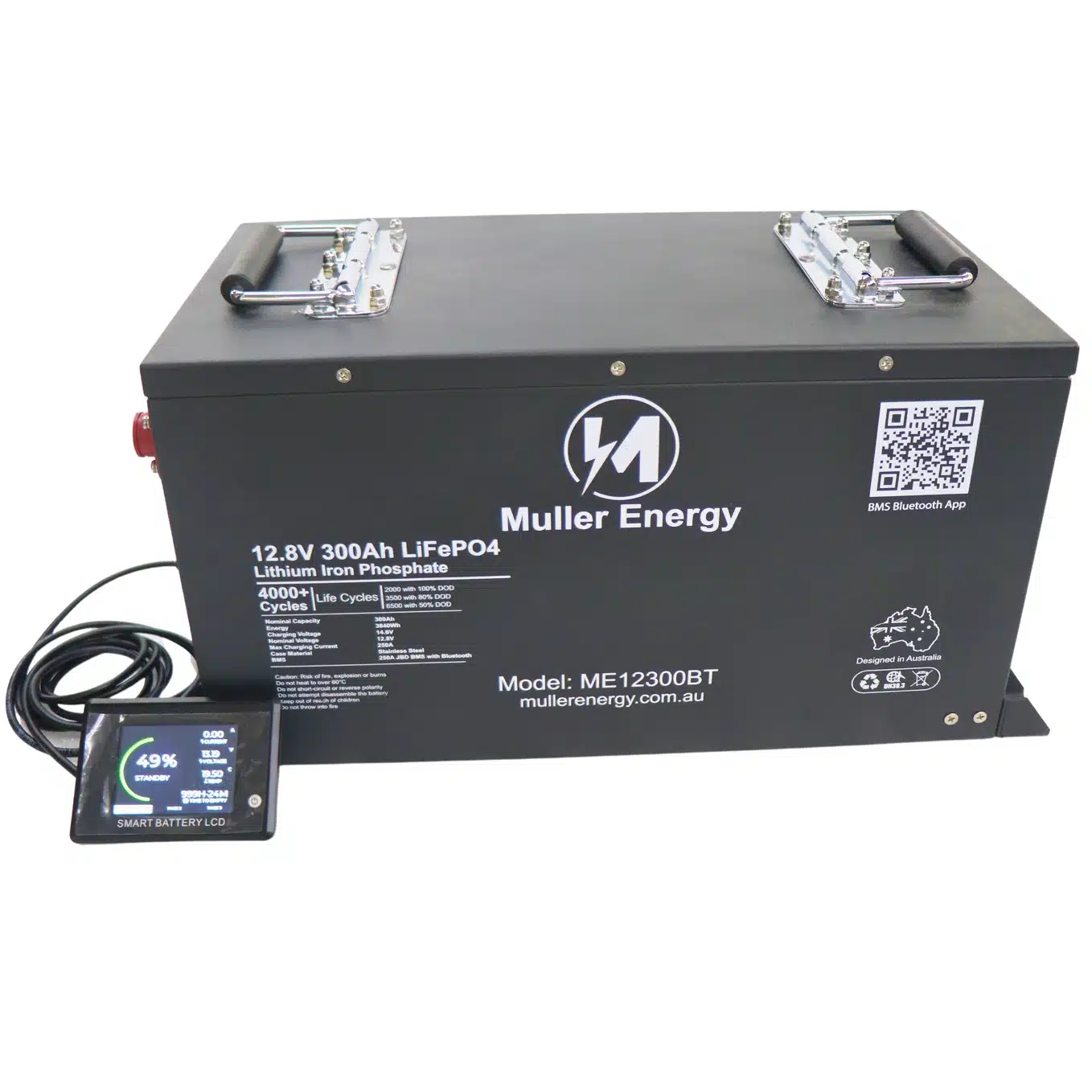
For maximum safety and long-term performance, it’s important to use a high-quality lithium battery from a trusted provider. Muller Energy batteries are specifically designed for camping and off-grid applications, featuring:
- Advanced LiFePO4 chemistry for long-lasting cycles
- Built-in BMS with low-voltage, over-voltage, and temperature protection
- Durable, lightweight design suitable for rugged outdoor conditions
- Reliable support for fridges, lights, inverters, and other essential camping devices
- 10-year Australian warranty, giving peace of mind and long-term protection
Choosing a battery like this not only helps prevent over-discharge but also ensures consistent, dependable power throughout your camping trips.

Check out our lithium battery full range!
Signs Your Lithium Battery May Have Been Over-Discharged
You may have unintentionally over-discharged your lithium battery if you notice any of the following warning signs, indicating that your battery’s performance or health has been compromised:
- Reduced Runtime Compared to Before: If your battery is providing noticeably less energy than usual, it could be a sign that it has been over-discharged. Over-discharging causes permanent capacity loss in lithium cells, meaning the battery cannot hold as much charge as it did originally.
- Battery Shutting Off at Moderate Load: A battery that suddenly powers off when running devices that previously worked fine is likely suffering from low-voltage stress. Over-discharge can trigger the BMS to cut off power to protect the battery, even under normal load conditions.
- Difficulty or Delays When Starting a Charge: Over-discharged batteries often resist initial charging. You may notice that chargers take longer to recognise the battery or that charging does not start immediately. This is caused by an internal cell imbalance or voltage dropping below safe thresholds.
- Noticeable Voltage Sag: Voltage sag refers to a sudden drop in voltage under load. If the battery shows a larger than normal voltage drop when devices are operating, it can indicate weakened cells due to repeated over-discharge events.
- Cycling Inconsistencies: A healthy battery should charge and discharge predictably. If your battery shows erratic behaviour such as uneven charge percentages, sudden drops, or irregular discharge curves, it is likely suffering from the effects of over-discharge, which can damage cell balance and reduce reliability.
Conclusion
Preventing over-discharging is essential for maximising the lifespan, performance, and safety of your lithium ion battery for camping. With proper monitoring, adequate sizing, reliable charging sources, smart power management, and responsible storage, you can ensure dependable power on every adventure. By following these best practices, you protect your investment and enjoy long-lasting energy wherever your travels take you.