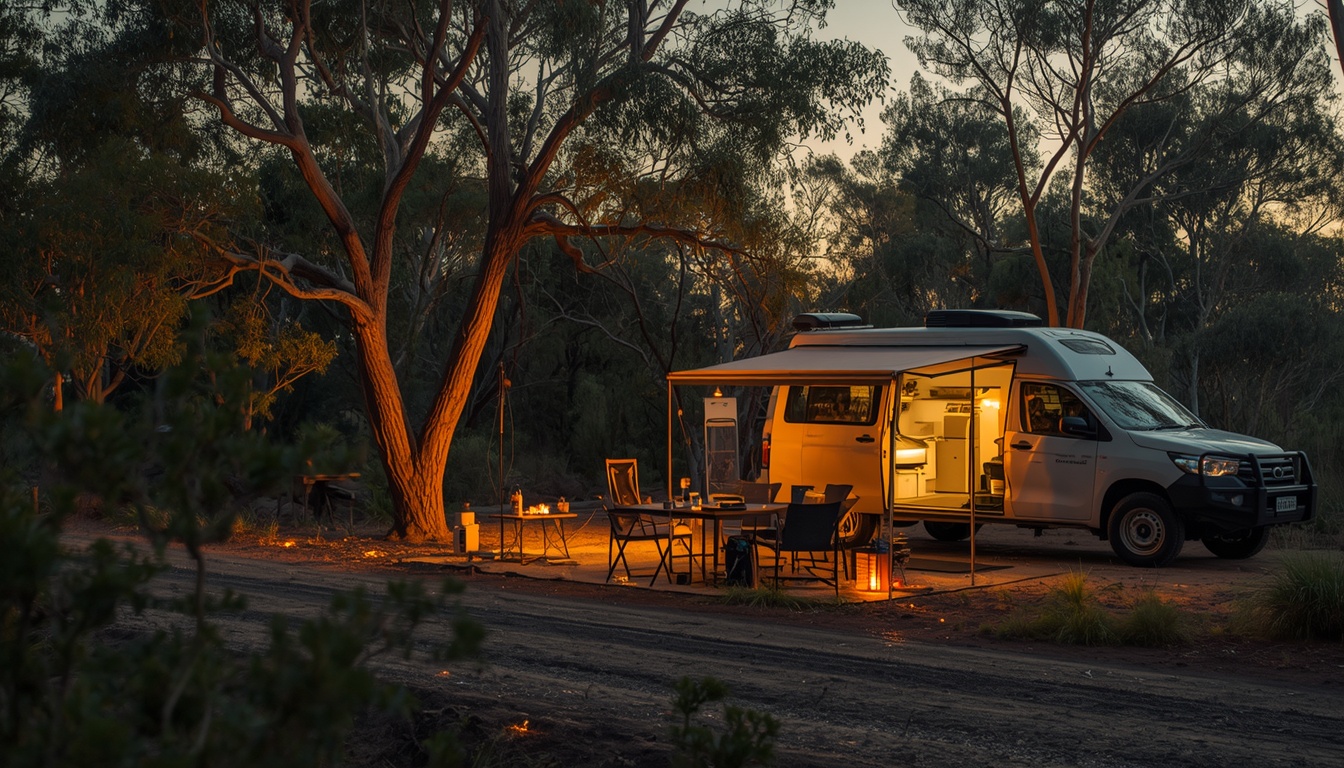
You’ve driven hours into the bush. No reception. No powered sites. Just you, your 4WD, and complete freedom.
But freedom only works if your power system does. The best 4WD lithium battery setup for camping trips ensures your fridge keeps running, your lights stay on, and your adventure doesn’t end early because of a flat battery.
For serious 4WD campers in Australia, lithium (LiFePO4) systems have become the go-to solution. They’re lighter, charge faster from solar or alternator input, and deliver reliable deep-cycle performance in harsh conditions.
This guide breaks down exactly what you need, how it works, and how to build a dependable setup that will power your camping trips for years, not just weekends.

What Defines a Reliable 4WD Lithium Camping System?
A reliable 4WD lithium camping system is not defined by battery size alone. It’s defined by how well the entire power system is designed, integrated, and protected.
1. Correct Sizing for Real-World Usage
The system must be sized around your actual daily amp-hour consumption, not guesswork. A 12V fridge running 24/7, combined with lighting, water pumps, and device charging, can easily draw between 50–80Ah per day.
Undersizing the battery is one of the most common causes of camping power failure. A reliable setup carefully matches battery capacity to your daily load, solar input to the number of days you plan to stay stationary, and charger output to your typical driving habits to ensure consistent power recovery.
2. Proper Charging Integration
Lithium batteries require a controlled charging profile to perform safely and efficiently. A dependable 4WD camping system, therefore, includes a lithium-compatible DC-DC charger to regulate alternator input, MPPT-regulated solar charging to maximise efficiency, and proper alternator integration to protect both the battery and vehicle electronics.
Without correct charging management, even the highest-quality lithium battery will underperform and may experience reduced lifespan.
3. Built-In Protection & Monitoring
A reliable system includes a high-quality Battery Management System (BMS) that protects the lithium battery against overcharging, over-discharging, short circuits, and over-temperature conditions. These safeguards are essential for both safety and long-term performance, particularly in demanding 4WD environments.
Monitoring features, such as Bluetooth connectivity or an integrated display, are equally important, as they allow you to track voltage, state of charge, and system health in real time. Simply put, you can’t manage what you can’t see.
4. Vibration & Environmental Durability
4WD vehicles are exposed to constant vibration, dust, moisture, and extreme temperature swings, all of which place stress on electrical systems. A dependable lithium setup must therefore feature secure internal cell construction, a strong and durable casing, solid mounting within the vehicle, and correctly sized cabling with proper fuse protection.
These factors are critical for long-term reliability, which is why premium 4WD-specific lithium batteries consistently outperform generic drop-in units in demanding off-road conditions.
5. Long-Term Performance, Not Short-Term Output
Lithium (LiFePO4) systems are preferred for 4WD camping setups because they offer 80–100% usable capacity, maintain stable voltage under load, accept faster recharge rates, and deliver 4,000+ deep discharge cycles in quality builds.
These advantages translate into longer fridge runtime, quicker recovery while driving or using solar, and fewer battery replacements over time. True reliability isn’t peak performance on a single trip; it’s about consistent, dependable performance trip after trip.
‘‘For more guidance on selecting the right battery for your power needs, check out our detailed guide on how to choose the best lithium battery for a campervan, including capacity, cycle life, and reliability considerations.’’

Core Components of the Ideal Camping Setup
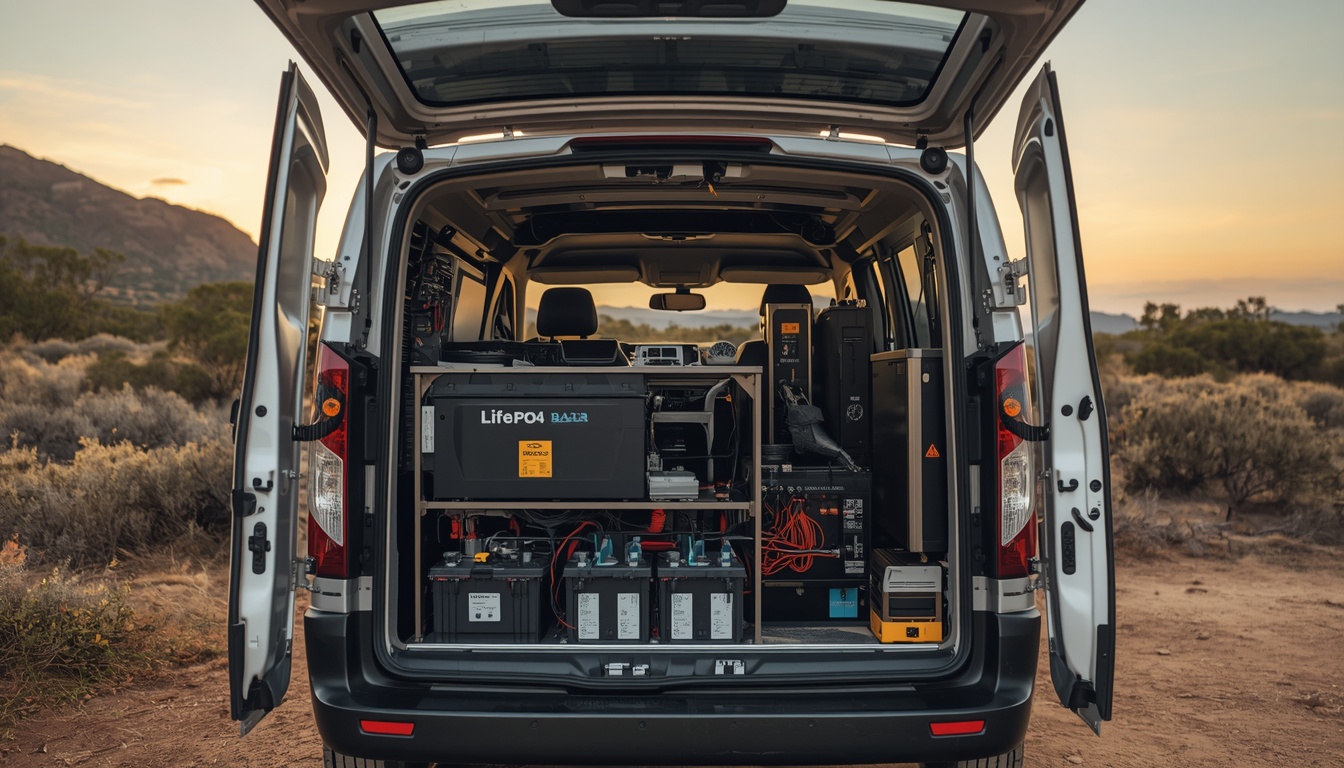
A reliable 4WD lithium camping setup centres on five key components, including the lithium auxiliary battery, a DC-DC charger, solar panels, an optional inverter, and proper cabling with circuit protection. When correctly integrated, these elements deliver safe, efficient, and dependable off-grid power.
1. Lithium Auxiliary Battery (The Heart of the System)
Most campers choose:
- 100Ah–120Ah for short trips
- 200Ah–300Ah for extended off-grid stays
A high-quality LiFePO4 battery should include an integrated Battery Management System (BMS) to regulate performance and protect the cells. It must provide overcharge and over-discharge protection, built-in temperature safeguards, and ideally Bluetooth monitoring for real-time visibility of voltage and state of charge.
A strong, vibration-resistant casing is also essential to withstand the harsh conditions commonly encountered in 4WD and off-road environments.
For example, purpose-built 4WD lithium batteries such as those available from Muller Energy are designed specifically for harsh Australian conditions. Our 4WD range includes features like:
-
- EVE lithium cells
- 5A active balancer
- 250A custom JBD BMS with Bluetooth
- Touchscreen display
- 10-year Australian warranty
2. DC-DC Charger (Essential for Alternator Charging)
A DC-DC charger regulates charging from your vehicle’s alternator and ensures the lithium battery receives the correct charging profile. It also prevents starter battery drain by isolating the auxiliary system and often includes a built-in MPPT solar controller for efficient solar input.
In lithium setups, a compatible DC-DC charger is mandatory; it is not optional. Incorrect charging remains one of the most common and costly mistakes beginners make.
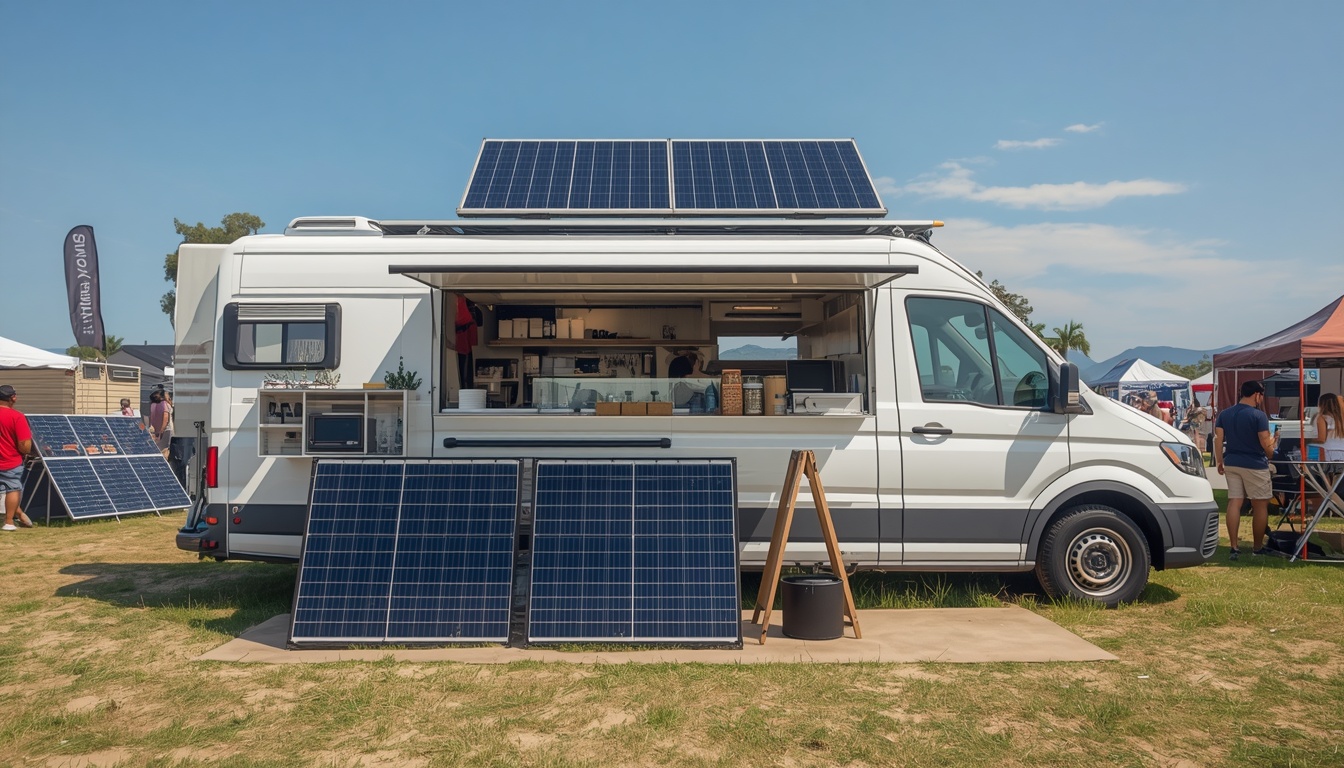
3. Solar Panels (For Off-Grid Freedom)
Solar panels allow longer stays without driving.
Common camping configurations: Solar Panels (For Off-Grid Freedom)
- 120W–160W portable solar blanket (weekend trips)
- 200W–600W fixed + portable combo (remote touring)
Solar charging reduces reliance on the alternator and fuel consumption.
4. Inverter (If You Need 240V Power)
Use an inverter only if it is genuinely required for your setup. Typical 240V loads in a camping environment include coffee machines, laptop chargers, and occasional power tools.
When selecting an inverter, choose a pure sine wave model sized appropriately for your actual power demand rather than oversizing unnecessarily, as larger inverters can increase cost and idle power consumption without providing additional practical benefit.
5. Proper Cabling & Protection
Often overlooked but critical to system performance are the supporting components, such as correct cable gauge, ANL fuses or circuit breakers, quality battery terminals, and secure mounting.
These elements ensure safe and efficient power transfer throughout the system. Loose connections or undersized wiring can cause voltage drop, excessive heat buildup, and potential system failure, particularly under high current loads common in 4WD camping setups.
Now that you understand the components, let’s look at how to build the system step by step.

How to Build a Reliable 4WD Lithium Setup for Off-Grid Camping
Build your 4WD lithium setup methodically by calculating your power usage, selecting the correct battery size, installing a lithium-compatible DC-DC charger, adding solar input, and thoroughly testing and monitoring the system before heading off-grid.
Step 1: Calculate Your Power Usage
Example:
- 12V fridge: 50Ah per day
- Lighting, water pump, charging: 30Ah per day
- Occasional inverter use: 20Ah per day
- Total daily consumption: 100Ah
If you remain stationary for two days without driving, your total usage would be approximately 200Ah.
A 200Ah LiFePO4 battery provides sufficient usable capacity (typically 80–90%) for this scenario while maintaining reserve for battery longevity. In real-world conditions, you would also likely recover power via solar during the day, meaning the battery rarely reaches full discharge. This provides both capacity and reserve for unexpected loads.
An AGM battery would struggle in this scenario unless significantly oversized due to its lower usable capacity.
Step 2: Choose Battery Size
Guideline:
- Short trips: 100Ah–120Ah
- Touring: 200Ah
- Long off-grid stays: 300Ah
Slimline lithium batteries are useful where space is limited.
Step 3: Install DC-DC Charger
Ensure the system is configured with a lithium-specific charging profile, correct cable thickness to handle expected current loads, and proper fuse protection to safeguard both the battery and connected equipment.
These elements are essential for safe operation, efficient power transfer, and long-term reliability in a 4WD lithium camping setup.
Step 4: Add Solar Input
Connect your solar panels via an MPPT controller, often built into a quality DC-DC charger, to maximise charging efficiency and optimise power output in varying sunlight conditions. An MPPT controller dynamically adjusts voltage and current to ensure your lithium battery receives the most efficient charge throughout the day.
To learn more about why an MPPT solar charge controller is essential for LiFePO4 batteries and how it protects your system, check out our full guide here.
Step 5: Test & Monitor
Bluetooth monitoring allows you to check the battery’s state of charge, monitor voltage levels, and track real-time current draw directly from your smartphone. This visibility helps you manage energy consumption more effectively, particularly during extended off-grid trips.
Batteries with built-in monitoring significantly simplify long journeys by giving you clear, instant insight into overall system performance.
Why 4WD Campers Across Australia Trust Muller Energy
Muller Energy is Australia’s premier choice for safe, efficient, and durable lithium batteries. Our batteries are engineered to meet Australian Standards, delivering compliance, safety, and complete peace of mind for every off-grid adventure.
Engineered locally with precision, they feature high-quality LiFePO4 cells, integrated Battery Management Systems (BMS) with Bluetooth monitoring, touchscreen displays, and rugged casings built to withstand harsh 4WD conditions.
We provide cutting-edge solutions, including DC-DC chargers, solar inputs, inverters, and quality cabling, so you can build a complete, safe, and optimised off-grid system.
Backed by exceptional customer service, free nationwide shipping, and a 4.9-star Google rating, Muller Energy ensures your fridge runs, lights stay on, and devices remain powered, trip after trip.
Check out our 4WD lithium battery range to start building a reliable off-grid setup today.

Common Mistakes to Avoid
- Installing lithium without a proper DC-DC charger
- Undersizing the battery for the fridge load
- Ignoring cable thickness
- Poor mounting in high-vibration areas
- Mixing lithium with old AGM batteries
Lithium systems require proper design, but when designed correctly, they outperform AGM in nearly every camping scenario.
If you’re moving from AGM to lithium, our upgrade guide explains the benefits, sizing considerations, and installation tips for a seamless transition.
Frequently Asked Questions
1. How long will a 200Ah lithium battery run a fridge?
Most 12V fridges use 30–50Ah per day. A 200Ah lithium battery can typically run a fridge for approximately 3–4 days without charging, depending on fridge size, temperature, and usage. Occasional solar or driving input can extend this runtime even further.
2. Can I install a 4WD lithium battery inside the cabin?
Yes. LiFePO4 batteries are generally safe for internal installation because they do not emit harmful gases like traditional lead-acid batteries. However, installation must comply with AS/NZS 3001.2 where applicable. Ensure the battery is securely mounted and properly fused for safety and compliance.
3. What maintenance does a lithium 4WD battery require?
LiFePO4 batteries require minimal maintenance compared to AGM batteries. There is no need for equalisation charging or fluid checks. Periodic inspection of terminals, cabling, and state-of-charge monitoring is generally sufficient.