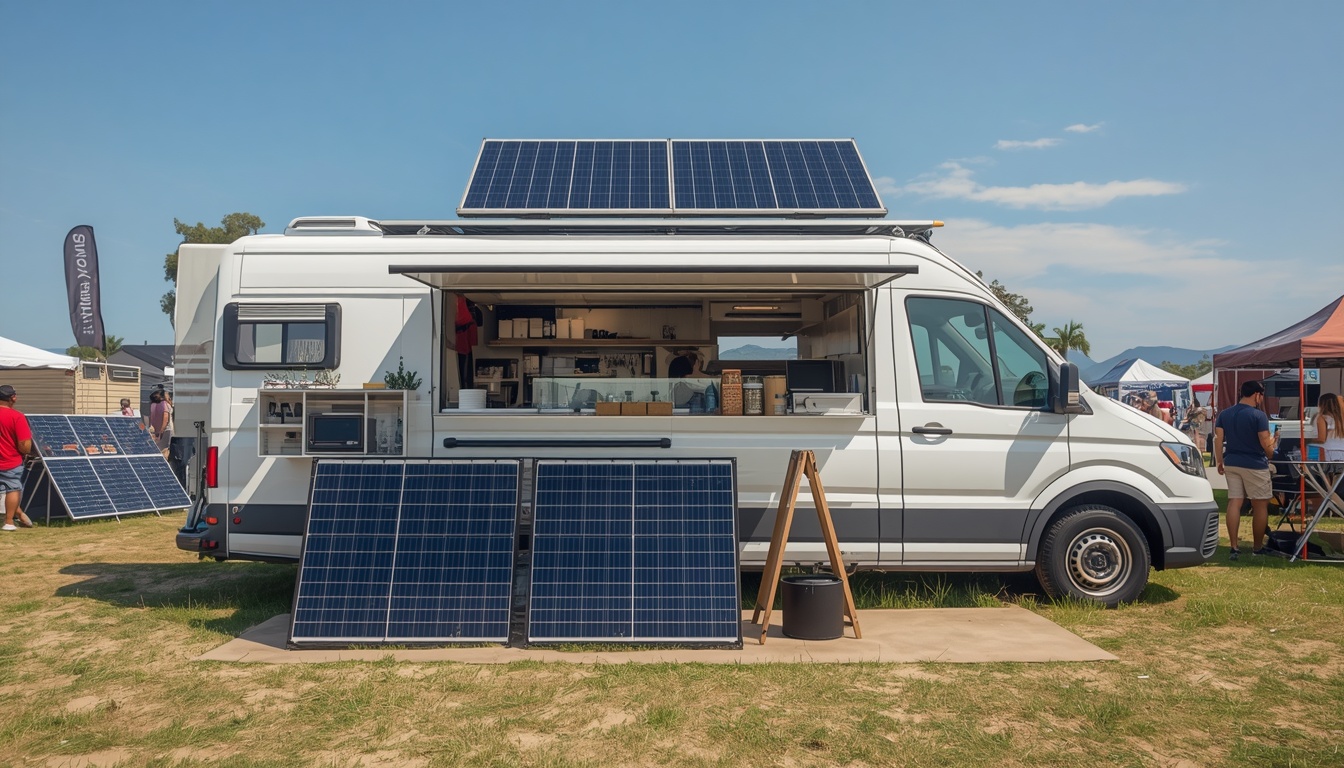
Solar technology has evolved quickly, and Sunman flexible solar panels are gaining attention as a lightweight alternative to traditional solar panels. Unlike rigid glass panels, these ultra-thin modules can be installed on curved or weight-sensitive surfaces, making them popular for caravans, boats, and off-grid setups.
But are Sunman flexible solar panels actually better than traditional panels? The answer depends on how and where you plan to use them. In this guide, we’ll explain how they work, where they outperform conventional panels, and when traditional solar panels may still be the better option.

How Sunman Flexible Solar Panels Are Designed
Sunman flexible solar panels are ultra-thin photovoltaic panels designed without the traditional glass and aluminium frame used in conventional solar panels. Instead, they use lightweight composite materials combined with high-efficiency monocrystalline solar cells.
These panels are typically around 2mm thick and about 70% lighter than traditional solar panels. Their flexible structure allows installation on curved or uneven surfaces, while the glass-free composite material helps maintain durability.
Because these panels do not rely on a heavy glass layer, they can also reduce the risk of micro-cracks caused by structural stress or roof movement. This makes them suitable for lightweight roofs and installations where traditional glass panels may place too much load on the structure.
Despite their lightweight design, they can still deliver strong solar performance across a wide range of applications, particularly where weight and installation flexibility are important considerations.
How Do Sunman Flexible Solar Panels Work?
Functionally, Sunman panels operate using the same photovoltaic technology as traditional solar panels, converting sunlight into usable electrical energy through high-efficiency solar cells.
- Sunlight hits monocrystalline solar cells
- The cells convert sunlight into direct current (DC) electricity
- Electricity flows through solar cables to a charge controller
- Power is stored in solar batteries or converted via an inverter for use
Note: The key difference lies in the panel construction, not the energy conversion technology. Traditional panels rely on glass protection and aluminium frames, while Sunman panels use advanced composite materials similar to those used in aircraft windows. This reduces weight while maintaining durability.

Sunman Flexible Solar Panels vs Traditional Solar Panels
Understanding the differences helps determine which technology is better for your situation.
| Feature | Sunman Flexible Solar Panels | Traditional Solar Panels |
| Weight | Very lightweight | Heavy |
| Thickness | 2mm | 35–40mm |
| Flexibility | Can fit curved surfaces | Rigid |
| Installation | Easier in mobile setups | Roof mounting preferred |
| Durability | Composite material | Tempered glass |
| Ideal Use | Mobile/off-grid | Residential rooftops |
Flexible panels prioritise adaptability, while traditional panels prioritise long-term structural rigidity and cost efficiency.

When Sunman Flexible Solar Panels Are the Better Choice
Sunman panels shine in environments where conventional panels are impractical, especially in mobile or lightweight structures that cannot support heavy glass panels.
1. Caravans and Motorhomes
Rigid solar panels can add significant weight to vehicles, which can be a challenge for caravans and motorhomes. Flexible solar panels help solve this problem because they are much lighter and easier to install.
Their lightweight structure reduces load on the roof, simplifies transportation, and improves compatibility with curved surfaces commonly found on vehicle roofs.
2. Marine Applications
Boats and yachts often have limited flat surfaces, which can make installing traditional solar panels difficult. Flexible solar panels offer a practical solution because they can be mounted on curved decks, lightweight structures, and other non-standard surfaces where rigid panels may not fit properly.
3. Off-Grid Mobile Systems
Flexible solar panels are ideal for 4WD vehicles, expedition setups, and portable solar systems where weight and installation flexibility are important. Their lightweight design makes installation easier and can also help reduce the impact of extra weight on vehicle fuel consumption.

When Traditional Solar Panels Are Still Better
Despite their advantages, flexible panels are not always the best solution. In some situations, traditional solar panels remain the more practical and reliable choice, particularly for permanent installations.
For large residential solar systems, traditional panels are often more cost-effective because they typically offer a lower cost per watt. They also tend to come with longer structural warranties, which makes them a dependable option for fixed rooftop installations.
Traditional glass panels can also provide slightly better long-term stability and durability. This makes them well-suited for permanent rooftop systems where the panels are expected to operate in the same position for many years. As a result, rigid panels continue to be the most commonly used option for typical home solar installations.
Practical Installation Tips
To get the best performance and lifespan from flexible solar panels, proper installation and compatible system components are essential. The following tips can help ensure efficient operation and long-term reliability.
| Installation Tip | Why It Matters |
| Provide Proper Mounting Support | Flexible panels should be installed with adequate support points across the surface to prevent bending stress and maintain long-term durability. |
| Use Compatible Adhesives | High-quality solar panel adhesives are commonly used to securely mount flexible panels to roofs or curved surfaces without drilling. |
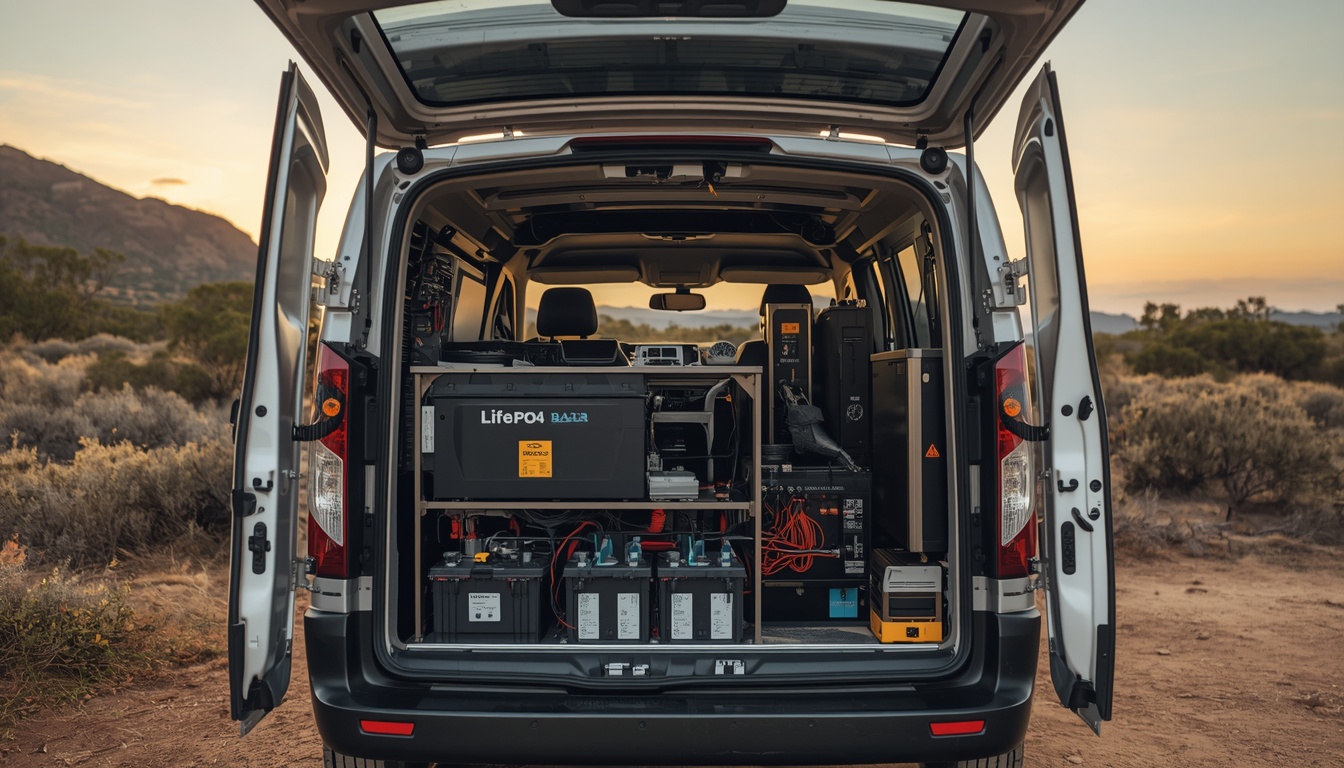
| Pair With the Right Battery System | A solar setup performs best when paired with compatible components such as MPPT solar charge controllers, LiFePO4 lithium batteries, and proper cabling and inverters, ensuring efficient power storage and energy use. |
Using the right installation method and system components helps maximise energy output and improve the overall reliability of the solar system.

Choosing the Right Solar Components for Your Setup
Flexible solar panels are only one part of a reliable off-grid energy system. To store and manage the electricity generated by solar panels, you also need compatible components such as batteries, charge controllers, and inverters. Choosing the right combination helps ensure efficient charging, a stable power supply, and a longer system lifespan.
When building a mobile or off-grid solar setup, it’s important to source components from suppliers that understand real-world installations and energy storage requirements. For example, at Muller Energy, we offer a range of products designed to work together in solar and battery systems, including:
-
- Sunman flexible solar panels (430W and 520W models)
- LiFePO4 lithium batteries
- Solar charge controllers
- Inverters
- Battery management systems (BMS)
- DIY battery components
- Cables
These components are commonly used in 4WD setups, caravans, off-grid homes, marine systems, and other mobile solar installations. Because every part of a solar system must work together efficiently, choosing compatible and well-designed components can significantly improve system reliability, performance, and battery lifespan.