Building your own lithium battery pack might sound like the ultimate DIY project. It offers custom capacity, full control over components, and the potential for lower costs. But is it really the best choice?
When choosing a power solution for solar systems, caravans, or 4WD setups, many people debate whether they should build their own lithium battery or buy a pre-built one. Both options have clear advantages, but they also come with different risks, costs, and technical requirements.
This guide breaks down how each option works, the pros and cons, and when a DIY battery build makes sense compared to a professionally built lithium battery.

What Does It Mean to Build Your Own Lithium Battery?
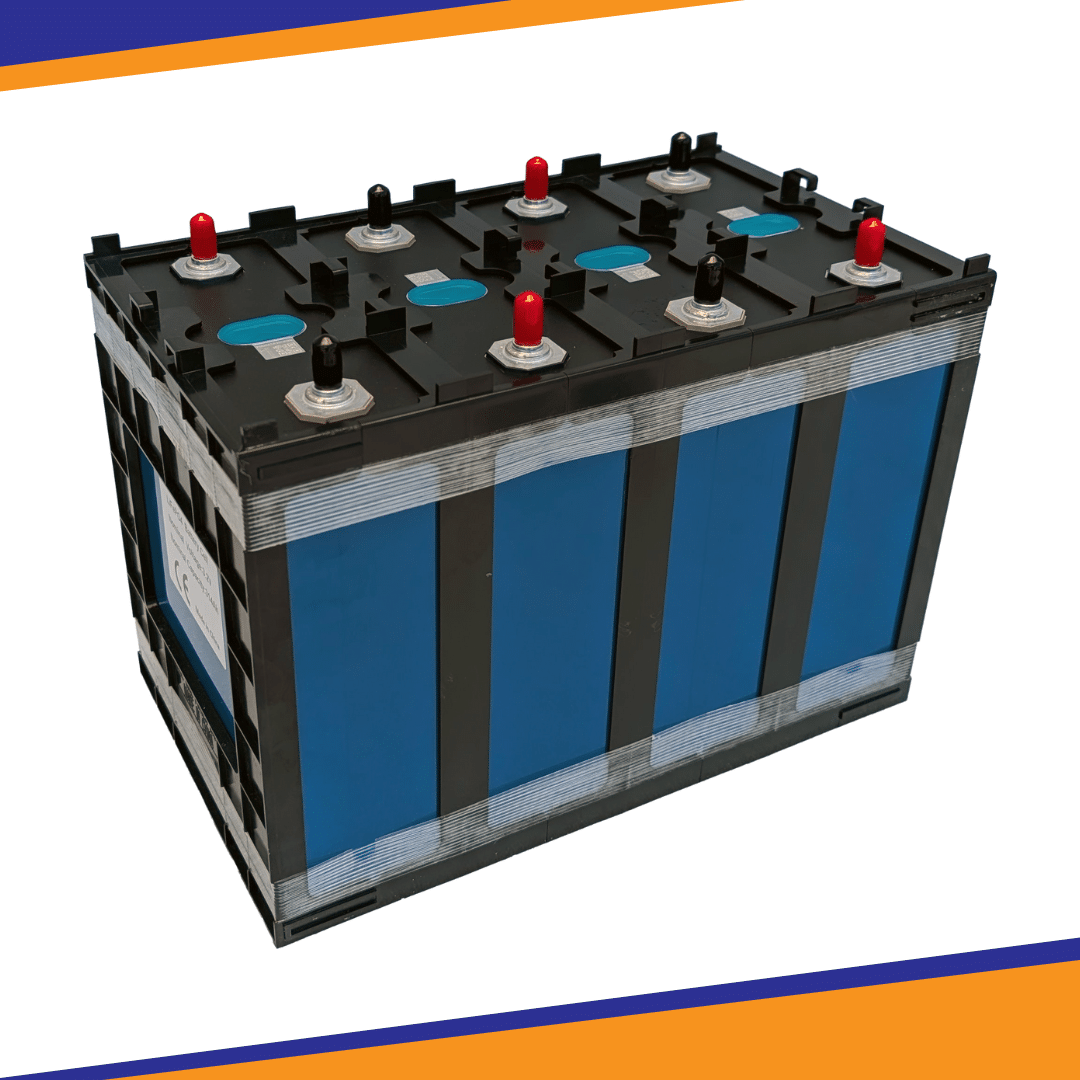
Building your own lithium battery means assembling a battery pack using individual LiFePO4 cells and components instead of purchasing a fully assembled unit.
A typical DIY lithium battery build includes:
-
- LiFePO4 battery cells
- Battery Management System (BMS)
- Busbars and connectors
- Battery terminals
- Protective enclosure
- Wiring and monitoring components
When assembled correctly, these parts create a custom lithium battery pack tailored to your voltage, capacity, and application. This approach is common among advanced hobbyists building solar battery storage, off-grid systems, or high-capacity 4WD batteries.

How to Build a Lithium Battery Pack
If you decide to build a lithium battery pack, the process generally follows several key steps, from selecting the right components to assembling and testing the system safely.
1. Selecting LiFePO4 Cells
You start by choosing the correct lithium iron phosphate (LiFePO4) cells. These cells are widely preferred for off-grid and vehicle power systems because they offer a long cycle life, high thermal stability, deep discharge capability, and a safer chemistry compared to many other lithium battery types.
For optimal performance, DIY builders usually ensure the cells are properly matched in capacity and internal resistance before assembling the pack. Using well-matched cells helps maintain balanced charging and discharging across the battery.
Once selected, the cells are arranged in series and parallel configurations to achieve the required voltage and capacity for the battery pack.
2. Installing a Battery Management System (BMS)
A BMS (Battery Management System) is an essential component in any lithium battery pack. It continuously monitors and protects the battery by balancing cell voltages, preventing over-charging and over-discharging, monitoring temperature levels, and protecting the system against short circuits.
Without a properly configured BMS, lithium cells can degrade quickly, lose performance, or even become unsafe to use.
3. Wiring and Assembly
After installing the BMS, the cells are connected using busbars or heavy-duty cables. The pack is then mounted inside a protective case to prevent vibration, moisture exposure, and accidental contact.
Proper cable sizing, terminal connections, and insulation are critical to avoid resistance buildup and heat.
4. Testing and Integration
Finally, the battery pack must be tested before being connected to system components such as solar charge controllers, DC-DC chargers, inverters, or vehicle electrical systems. Proper testing ensures the battery operates safely within its voltage and current limits and helps identify any wiring or configuration issues before the system is put into regular use.
Note: If you’re unsure about any part of a DIY lithium battery setup, we at Muller Energy are always happy to offer guidance to help make the process easier and safer. You can contact us at 1300 654 320 or visit us at 38/3 Cal Cl, Somersby NSW 2250, Australia.
Advantages of Building Your Own Lithium Battery
DIY battery builds can be rewarding for technically experienced users, as they offer greater customisation, potential cost savings depending on component choices, and the opportunity to gain deeper learning and control over the entire energy system.
1. Customisation: You can design a battery pack tailored to your specific system requirements, including custom capacity, voltage, and layout that fit available installation space. This flexibility can be particularly useful for off-grid solar systems or specialised energy storage setups where standard battery sizes may not suit the application.
2. Potential Cost Savings: A DIY battery may cost less in some situations, particularly for large systems, but the final cost can vary depending on cell quality, shipping, and additional components.
3. Learning and Control: Many enthusiasts enjoy understanding how their energy system works in detail. Building your own battery pack provides complete control over component selection, system configuration, and the monitoring setup, allowing you to customise the system according to your specific requirements.
Risks and Challenges of DIY Lithium Batteries
Despite the benefits, DIY battery systems come with several important risks. Safety is a major concern, as lithium battery systems require careful electrical design and proper assembly.
Common DIY mistakes, such as incorrect cell balancing, improper BMS configuration, undersized cables, and poor thermal management, can reduce battery performance, damage the system, or create potential safety hazards if not handled correctly.
Another limitation is the lack of warranty protection. Most DIY battery builds do not include a long-term manufacturer’s warranty, meaning that if a cell or component fails, the responsibility for repairs or replacement falls entirely on the builder.
There is also the factor of time and complexity. Building a reliable lithium battery pack requires extensive research, solid electrical knowledge, and the ability to troubleshoot issues during assembly and operation. For many users, the time and effort required to design and build the system can outweigh the potential cost savings.

Benefits of Buying a Pre-Built Lithium Battery
For most users, pre-built lithium batteries offer a safer and more practical solution. They provide engineered safety features, simple plug-and-play installation, and the added benefit of manufacturer warranties and technical support.
1. Engineered Safety: Professionally built batteries are designed with integrated BMS protection, proper thermal management, high-quality internal wiring, and a durable structural battery casing. These systems are carefully engineered and tested to operate safely and reliably in demanding environments such as 4WDs, caravans, and marine applications.
2. Plug-and-Play Installation: Pre-built batteries are typically ready to install with minimal setup. In most cases, they can be connected directly to a solar charge controller, a DC-DC charger, or an inverter or power system. This plug-and-play convenience makes them ideal for applications such as camping, off-grid living, and vehicle power setups.
3. Warranty and Support: A quality lithium battery usually includes a long warranty period, access to technical support, and manufacturer testing with proper quality assurance processes. These factors help ensure reliability and significantly reduce long-term risk for the user.
Where Pre-Built Batteries Make the Most Sense
Buying a ready-made battery is typically the best choice for applications such as 4WD and camping power systems, caravan or RV batteries, marine battery setups, and portable solar power systems.
It is also ideal for users who want a reliable plug-and-play energy storage solution without the complexity of assembling and configuring a battery pack themselves.
For example, purpose-built 4WD lithium batteries are designed to handle vibration, temperature changes, and high discharge loads commonly found in off-road vehicles.

Lithium Battery Solutions for 4WD and Off-Grid Systems
If you prefer a professionally engineered solution, companies like Muller Energy provide ready-to-install lithium battery systems designed for real-world applications.
Our range of LiFePO4 batteries, battery cells, BMS units, chargers, inverters, and cabling allows both DIY builders and buyers to create reliable energy setups. For vehicle power systems specifically, our 4WD lithium battery range is designed for durability, efficient power delivery, and long service life.
What distinguishes such solutions is the focus on:
- Australian-engineered battery design
- Durable stainless-steel battery casing
- Long-term reliability with extended warranties
- Technical support for both DIY and complete battery systems
This type of option works well for users who want dependable performance without the complexity of assembling a battery pack from scratch.
Final Thought
Building your own lithium battery offers flexibility and learning opportunities, but requires strong technical knowledge and careful safety planning.
Buying a pre-built lithium battery provides reliability, safety engineering, and faster installation. For most people powering 4WD vehicles, caravans, or solar systems, a professionally built battery offers the best balance of performance and convenience.
DIY builds are best suited for advanced users who understand battery design, electrical protection systems, and energy storage engineering.