If you rely on solar power while travelling or living off-grid, proper maintenance is not optional; it directly affects performance, battery life, and system reliability.
Whether you’re powering a fridge in your 4WD, running a caravan, or managing a full off-grid system, maintenance is the difference between consistent power and unexpected downtime.
Let’s discuss it in detail.

How Poor Solar Panel Maintenance Reduces Charging Efficiency
Poor solar panel maintenance reduces how efficiently your system generates power, especially in 4WD and off-grid setups. Solar panels need regular cleaning and inspection to maintain performance.
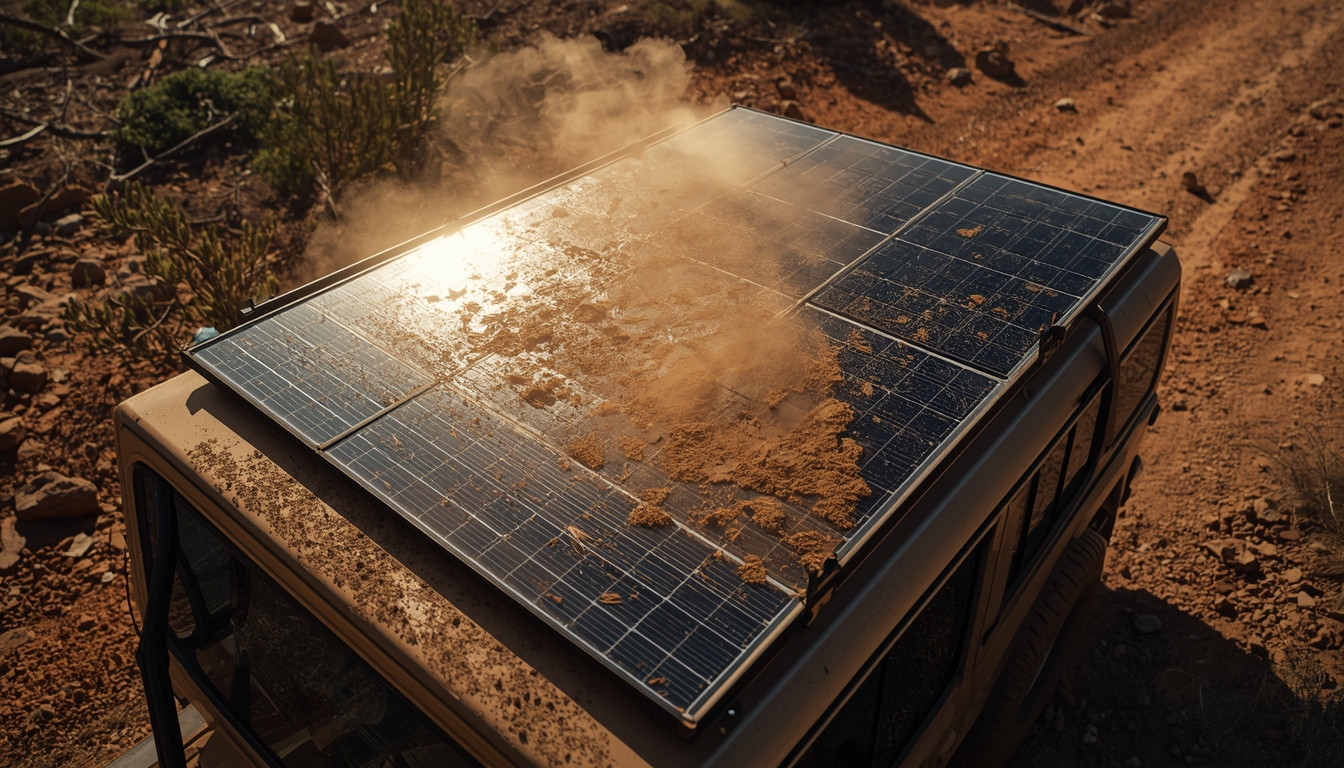
Without it, panels collect dust, mud, and salt that block sunlight, systems in remote areas rely fully on solar with no backup power, and battery charging depends on consistent solar input.
Research published on ScienceDirect highlights that notable efficiency reductions are linked to specific dust types, with coal dust causing losses of up to 64%, fine sand around 32%, and gypsum approximately 30%, based on global case studies.
Even lighter, everyday dirt can significantly impact output. Over time, this leads to slower charging, increased battery strain, and reduced overall system efficiency.
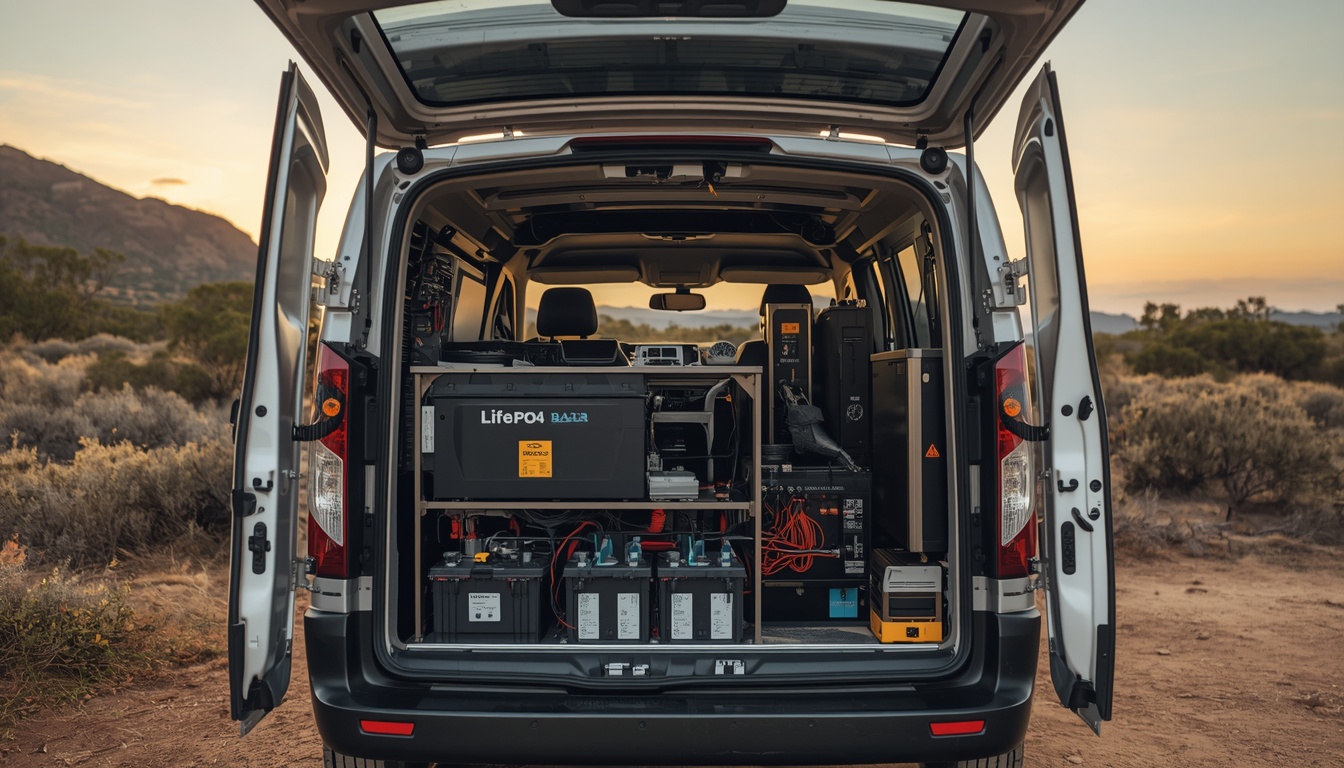
Note: For reliable off-grid performance, using high-quality components is just as important as maintenance. At Muller Energy, our LiFePO4 batteries and 4WD battery systems are engineered in Australia for durability, efficient charging, and long cycle life, making them ideal for harsh off-grid environments.
Check out our range of 4WD battery solutions to ensure your solar system performs at its best.

8 Essential Solar Panel Maintenance Tips for 4WD and Off-Grid Systems
1. Clean Solar Panels
Dust, bird droppings, and road grime are the biggest performance killers, as they block sunlight and significantly reduce solar panel efficiency.
Best practices:
- Use clean water and a soft cloth or sponge
- Avoid harsh chemicals or abrasive materials
- Clean early morning or late afternoon (avoid hot surfaces)
- Increase frequency in dusty or coastal areas
Tip: If you’re doing long outback trips, carry a small cleaning kit because it makes a noticeable difference in daily power output.
2. Inspect for Physical Damage
Off-road driving can cause micro-cracks in panels, loosen mounts or brackets, and even lead to delamination (peeling layers). It’s important to check your panels after rough tracks or long trips to ensure everything remains secure and functioning properly, including mounting brackets and fasteners, as constant vibration can loosen bolts and lead to long-term mounting fatigue or panel damage.
Look for signs of damage:
Reduced output despite good sunlight, visible cracks or scratches, and any warping or bubbling are all indicators of potential panel damage and reduced performance.
3. Check Wiring and Connections
Loose or corroded connections reduce efficiency and can become safety hazards. It’s important to regularly inspect MC4 connectors, battery terminals, and cable insulation to ensure reliable performance and safe operation.
Fix immediately if you notice:
Look for signs such as heat marks, fraying, or loose fittings, as these indicate potential issues that can affect performance and safety.
4. Check Charge Controller Settings
Your charge controller plays a critical role in regulating power from your solar panels to your battery. Incorrect settings can reduce efficiency and even damage your battery over time.
What to check:
Ensure the correct charging profile is selected, such as LiFePO4 or AGM, based on your battery type. Verify that the voltage settings match your battery specifications to prevent undercharging or overcharging. If you are using an advanced charge controller, regularly check firmware and system settings to ensure optimal performance and compatibility.
5. Monitor System Performance
Don’t wait for failure, track your system performance regularly using a battery monitor or BMS display, along with solar charge controller readings to ensure everything is operating efficiently.
Watch for Performance Issues:
Lower-than-normal charging rates, voltage drops, and inconsistent performance are common signs that your system may not be operating efficiently.

6. Check Fuses and System Protection
Fuses and circuit protection components are essential for preventing damage from electrical faults or overloads. Ignoring them can lead to serious system failures or safety risks.
What to check:
Regularly inspect fuses for signs of wear or damage and ensure that the correct fuse ratings are used for your system. Replace any blown or corroded components immediately to maintain safe and reliable operation.
7. Keep Panels Positioned for Maximum Sunlight
Portable panels especially need adjustment throughout the day to maintain optimal sunlight exposure and maximise energy output. Even partial shading can significantly reduce output, particularly in series-connected panels where one shaded section can impact the performance of the entire system.
Optimisation tips:
Face panels north to maximise sunlight exposure, adjust the tilt angle when stationary, and avoid shade from roof racks, antennas, or trees.
8. Maintain Your Battery System
Your solar panels are only as effective as your battery system. Poor maintenance can lead to reduced storage capacity, inefficient charging, and overall system instability.
For LiFePO4 batteries:
Ensure proper BMS operation, avoid extreme temperatures, and use compatible chargers and controllers to maintain optimal performance. Regularly monitor the State of Charge (SOC) to avoid unexpected power loss, avoid frequent deep discharges to 0% to protect battery lifespan, and store the battery partially charged (around 40–60%) if not in use for extended periods.
Check out: Best 4WD Lithium Battery Setup for Camping Trips
Avoid These Costly Solar Maintenance Mistakes
Mistake |
Why It’s a Problem |
| Ignoring small dirt buildup | Dirt accumulates over time and gradually reduces solar efficiency |
| Using high-pressure water | Can damage panel seals and internal components |
| Overlooking wiring issues | Often, the hidden cause of poor performance or system failure |
| Parking in the shade all day | Limits solar charging regardless of system size |
| Mismatched components | Reduces overall system efficiency and compatibility |
How Often Do Solar Panels Need Maintenance?
- Before and after long trips – Ensures your system is ready for travel and helps identify any damage caused during the journey.
- Monthly for regular users – Routine checks help maintain consistent performance and catch minor issues early.
- After extreme weather or off-road driving – Dust, vibrations, and harsh conditions can impact efficiency and loosen components.
- When performance drops noticeably – Slower charging or reduced output indicates it’s time for immediate inspection.
Consistency is key, as regular checks prevent small issues from becoming major system failures.

Build a More Reliable Off-Grid System with the Right Components
Solar panel maintenance is essential, but long-term performance also depends on the quality of the components in your system. Using reliable, well-engineered products reduces maintenance issues and ensures consistent power output in demanding 4WD and off-grid environments.
Muller Energy offers a complete range of high-quality energy solutions, including premium solar panels designed for efficient energy generation and durability in harsh conditions. Their LiFePO4 lithium batteries are built for deep-cycle performance and long lifespan, supported by advanced BMS systems that enable safe operation and real-time monitoring.
Solar chargers and inverters ensure efficient energy conversion, while durable cables and accessories provide secure and stable connections across the entire system.
Engineered in Australia, our products are designed with precision and built to handle harsh environments. With fast shipping Australia-wide, a 10-year warranty, and dedicated customer support, you can build a system that not only performs better but also requires less ongoing maintenance.
Choosing high-quality components from the start helps you maximise solar efficiency, protect your battery system, and reduce the risk of unexpected failures when you’re off-grid.