Selecting the Best lithium battery for a campervan is crucial for ensuring a reliable, efficient, and long-lasting power supply for all your adventures. With the increasing popularity of off-grid travel, choosing the right battery requires careful consideration of capacity, lifespan, safety, and compatibility with your campervan’s electrical system.
In this comprehensive guide, we will explore everything you need to know to make an informed decision and maximise your energy efficiency.
Lithium Battery Types for Campervans
Lithium batteries come in a variety of types, each offering its own distinct advantages and potential limitations, making it important to carefully consider which type is best suited for your campervan’s specific energy requirements, usage patterns, and off-grid lifestyle.
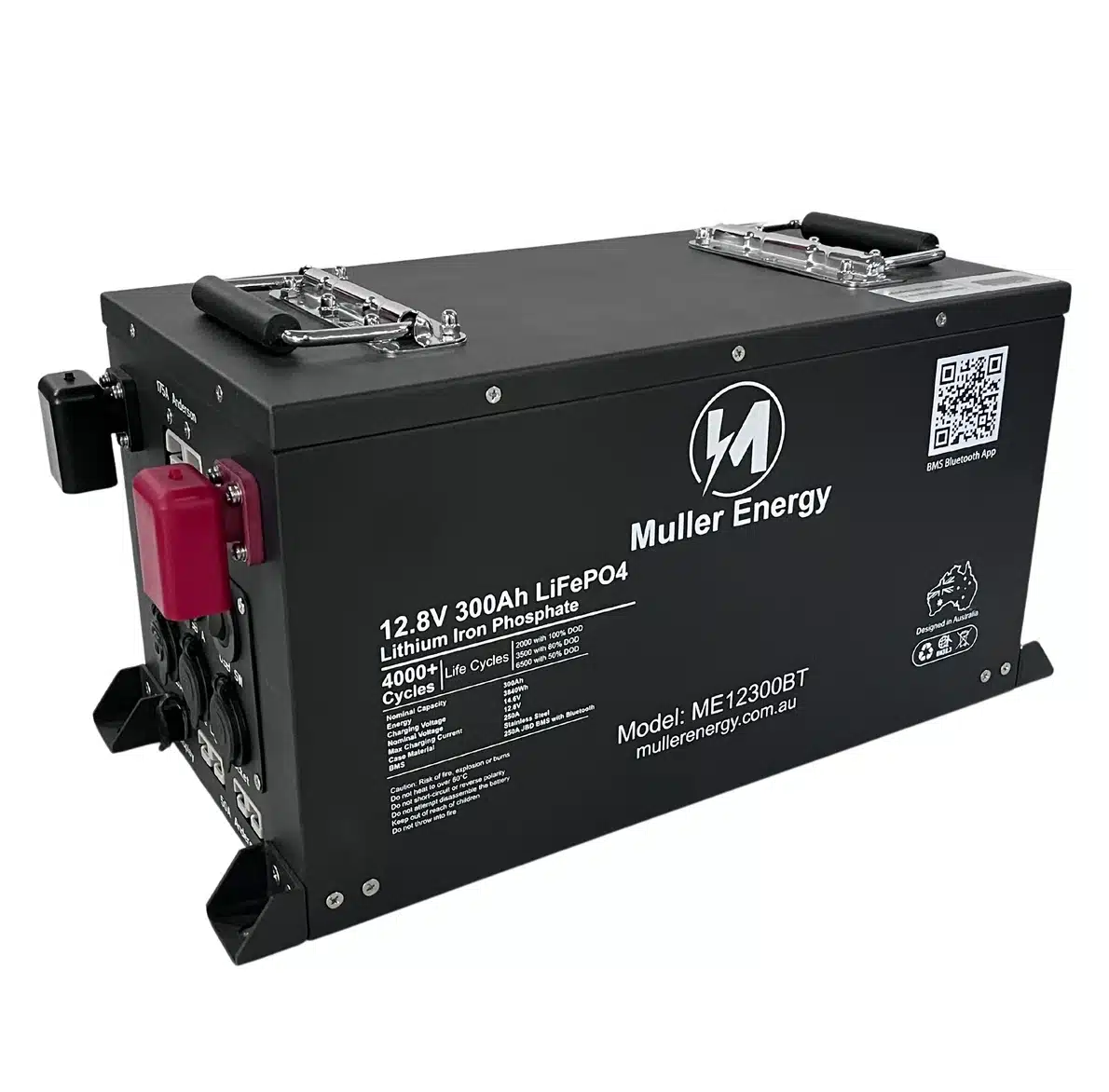
- LiFePO4 (Lithium Iron Phosphate): Renowned for stability, long cycle life, and safety, LiFePO4 batteries are ideal for campervans. They are less prone to thermal runaway and maintain consistent voltage output.
- Li-ion (Lithium-Ion): Lightweight and compact, Li-ion batteries offer high energy density but may require sophisticated battery management systems (BMS) to ensure safety.
- Li-Po (Lithium Polymer): Flexible in form factor, Li-Po batteries are occasionally used in specialised applications but are generally less common for campervan setups due to safety and lifespan concerns.
For most campervan owners, LiFePO4 is the preferred choice because it combines longevity, reliability, and safety in demanding off-grid conditions. To learn more, read our detailed guide on why LiFePO4 batteries are the best choice for campervans.
Determining the Right Capacity for Your Needs
Battery capacity, measured in amp-hours (Ah), is a critical factor. It determines how long you can run appliances without recharging. To calculate your ideal capacity:
- List all electrical appliances: Include fridge, lights, water pump, charging devices, inverter, and any other equipment.
- Estimate daily energy consumption: Calculate how many amp-hours your campervan uses each day
- Factor in autonomy: Decide how many days you want to operate without charging. Typically, 2–3 days is standard for campervan trips.
- Apply a safety margin: Adding 20–30% extra capacity ensures you avoid complete discharge, which can degrade battery life.
Want to ensure your campervan never runs out of power? At Muller Energy, we provide expert guidance to help you select the ideal battery size for your adventures.
For example, if your campervan uses 150Ah per day and you want 3 days of autonomy, you would need a battery bank of at least 450Ah. For LiFePO4 batteries, you can safely use up to 90–95% of the capacity, unlike lead-acid batteries that only allow 50% depth of discharge.
Voltage Considerations: 12V, 24V, or 48V Systems
Most campervans use 12V systems, but some larger setups may benefit from 24V or 48V configurations. Consider the following:
- 12V Batteries: Ideal for standard campervans and easy to integrate with existing inverters, chargers, and appliances.
- 24V Batteries: Suitable for larger setups or high-power appliances, reduces current flow and wiring losses.
- 48V Batteries: Typically used in high-demand setups, less common for standard campervans.
Tip: Ensure all components of your campervan electrical system are compatible with the battery voltage to prevent inefficiencies or damage.

Importance of Battery Management Systems (BMS)
A Battery Management System (BMS) is essential for maintaining safety and extending the life of your lithium battery. It continuously monitors and regulates the battery’s performance to prevent damage and ensure reliable operation. Key functions include:
- Overcharging and over-discharging
- Cell balancing
- Temperature protection
- Short-circuit prevention
High-quality LiFePO4 batteries, such as those from Muller Energy, often come with an integrated BMS. For DIY setups, adding a separate BMS can help protect your investment and prevent potential hazards while travelling.
Assessing Cycle Life and Longevity
One of the key advantages of lithium batteries is their long cycle life. A cycle is a full charge and discharge. LiFePO4 batteries typically offer 2,000–5,000 cycles, compared to 300–500 cycles for lead-acid batteries. Factors that affect longevity include:
- Depth of discharge (DoD)
- Operating temperature
- Charging methods
- Maintenance habits
Choosing a battery from Muller Energy ensures maximum cycle life, reliable performance, and peace of mind with a 10-year warranty, so your campervan adventures remain worry-free for years.
Weight and Space Considerations
Weight and size are critical in campervan conversions where space is limited. Lithium batteries are significantly lighter and more compact than equivalent lead-acid options, freeing up valuable space for storage or living comfort. For example:
- A 100Ah LiFePO4 battery weighs approximately 12–15kg.
- A 100Ah AGM lead-acid battery can weigh 25–30kg.
This reduction in weight improves fuel efficiency, handling, and overall vehicle performance, making lithium an optimal choice for mobile living.
‘‘Many campervan owners trust Muller Energy for their lithium battery needs, as reflected in our customer reviews highlighting real-life experiences with our batteries.’’

Charging Options and Efficiency
Efficient charging is essential for maintaining battery health, maximising usage, and ensuring your campervan’s power system performs reliably.
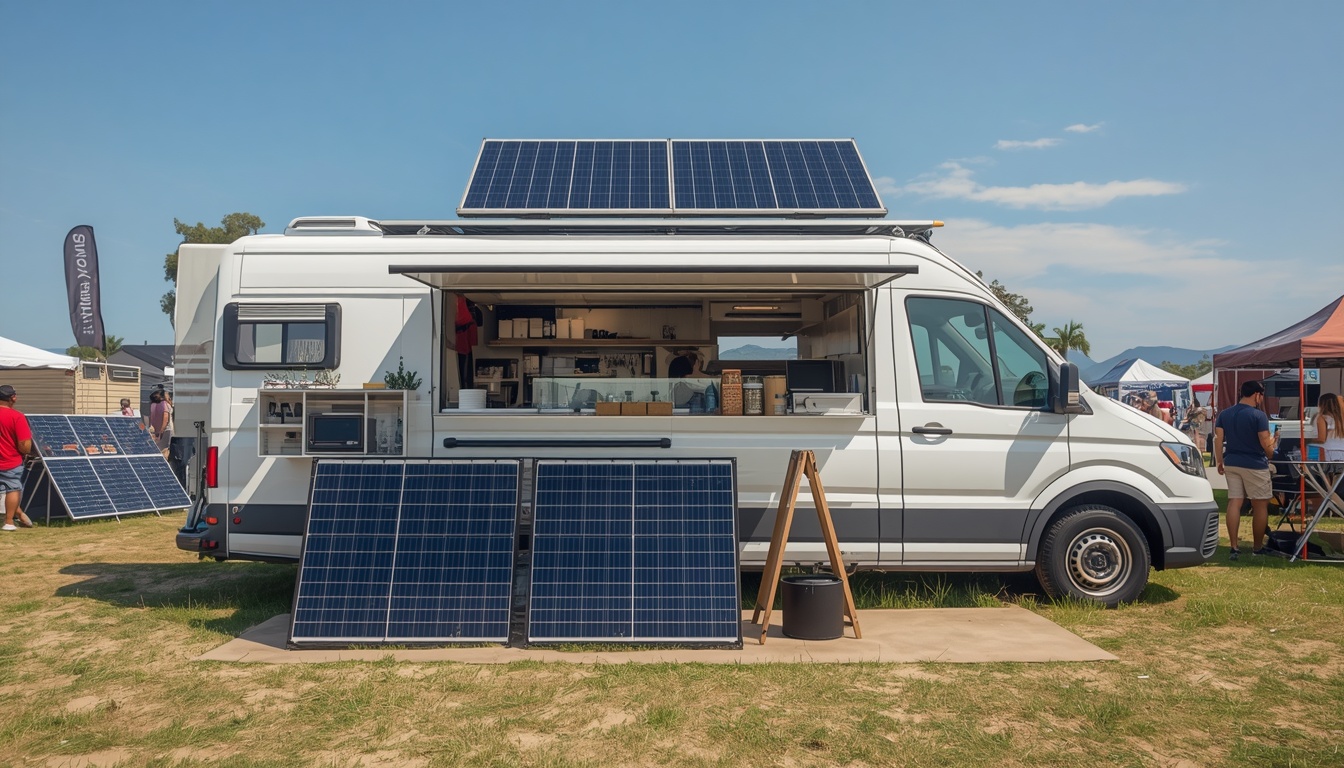
- Solar Charging: Pairing lithium batteries with high-efficiency solar panels provides reliable off-grid energy. Lithium batteries can handle higher charge currents, allowing faster recharge from solar.
- DC-DC Chargers: Essential when charging from a vehicle alternator, ensuring proper voltage and current to avoid battery damage.
- AC Chargers: Plug-in chargers are suitable for campsite power hookups, offering precise charging profiles for lithium batteries.
Tip: Lithium batteries accept fast charging without harm, unlike lead-acid batteries, which improves convenience for campers on the move.
Temperature and Environmental Factors
Lithium batteries perform best in moderate temperatures but require consideration in extreme conditions:
- Cold Weather: Charging below 0°C can damage LiFePO4 cells. Look for batteries with built-in low-temperature protection.
- High Heat: Avoid prolonged exposure above 45°C, as it can reduce lifespan. Ensure proper ventilation in campervan battery compartments.
Choosing a battery designed for the operating conditions of your campervan trip ensures consistent performance and reliability.
Maintenance and Monitoring
Unlike lead-acid batteries, lithium batteries are virtually maintenance-free, with no need to top up electrolyte. However, regular monitoring of state-of-charge (SOC) and voltage is recommended. Advanced setups may include:
- Bluetooth-enabled monitoring: Track battery health via smartphone apps.
- Remote monitoring systems: Ideal for larger or more complex campervan electrical systems.
Proactive monitoring allows you to detect potential issues early and extend battery life.
For detailed tips on maximising your lithium battery’s longevity, read our guide on How to Increase the Life of Your Lithium Battery and Should You Bother.

Budget vs. Value
While lithium batteries have a higher upfront cost than lead-acid options, the long-term value is unmatched:
- Longer lifespan with over 10 years of reliable use compared to 3 to 5 years for lead-acid batteries
- Higher usable capacity allows 90 to 95 percent of energy to be used without damage
- Reduced maintenance and lower replacement costs over the lifetime of the battery
- Weight and space savings that improve fuel efficiency and enhance campervan ergonomics
Investing in a quality lithium battery is a strategic choice that pays off in convenience, reliability, and safety.
Recommended Brands and Sources
When choosing a lithium battery for your campervan, it is important to prioritise reputable and trusted manufacturers that provide reliable products, comprehensive support, and proven performance.
- Integrated or optional BMS
- Verified cycle life and capacity ratings
- Warranty and support
- Compatibility with solar and campervan charging systems
For instance, Muller Energy offers high-performance LiFePO4 batteries optimised for campervan applications, combining safety, efficiency, and reliability in a lightweight, compact form.
Installation Tips for Campervans
Proper installation is crucial for ensuring maximum performance, long-term reliability, and safety of your lithium battery system in a campervan.
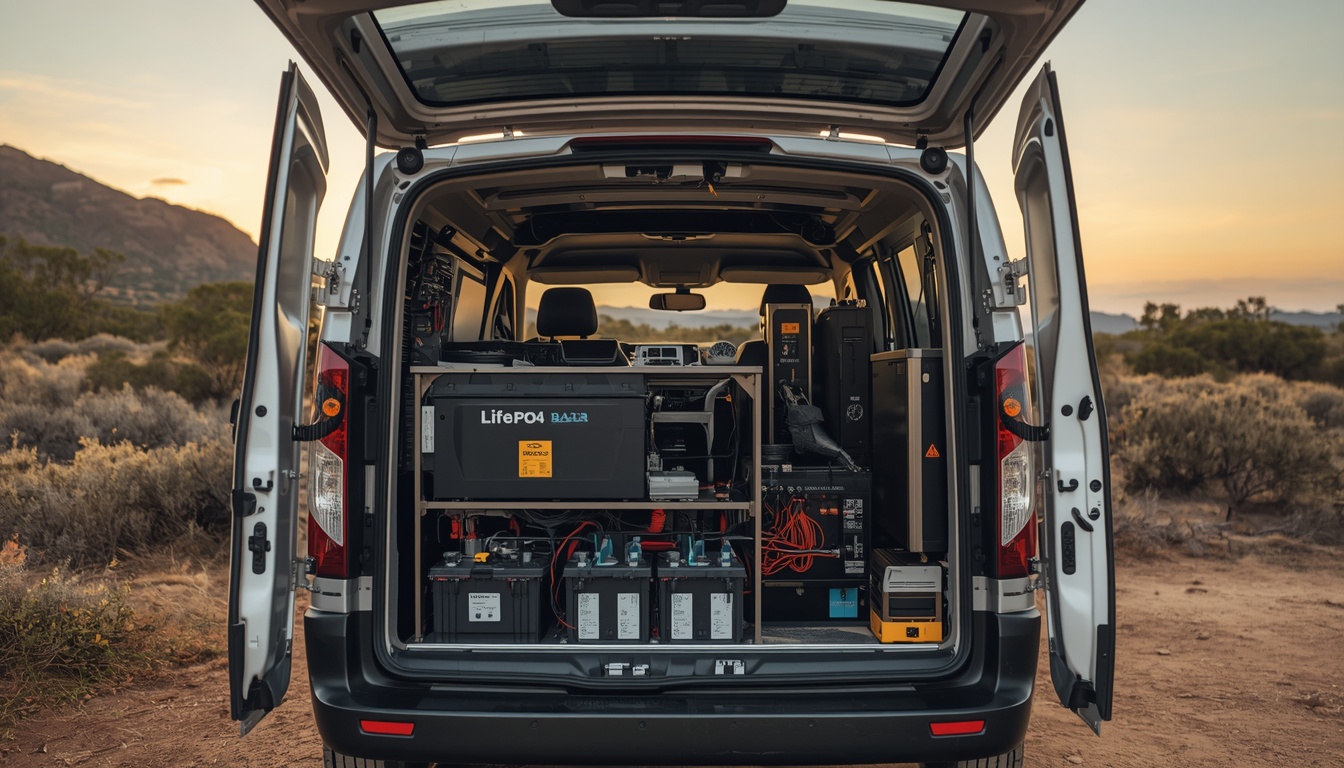
- Secure mounting: Prevent movement during travel to avoid damage.
- Ventilation: Maintain airflow around batteries to manage temperature.
- Proper wiring: Use correctly rated cables and fuses to prevent overheating.
- Monitoring: Install voltage or SOC meters for real-time awareness.
Following best practices ensures years of dependable energy on the road.
Conclusion
Choosing the best lithium battery for a campervan involves balancing capacity, voltage, safety, lifespan, and installation considerations. LiFePO4 batteries emerge as the top choice for most campervan setups due to their long cycle life, high efficiency, lightweight design, and superior safety.
Pairing them with a reliable BMS, solar charging solutions, and careful monitoring guarantees uninterrupted power for your adventures. Investing in the right lithium battery not only enhances your off-grid experience but also improves safety, comfort, and convenience on the road.
By considering capacity, voltage, BMS features, cycle life, and environmental factors, campervan owners can select a battery that meets their energy demands and ensures long-term reliability.