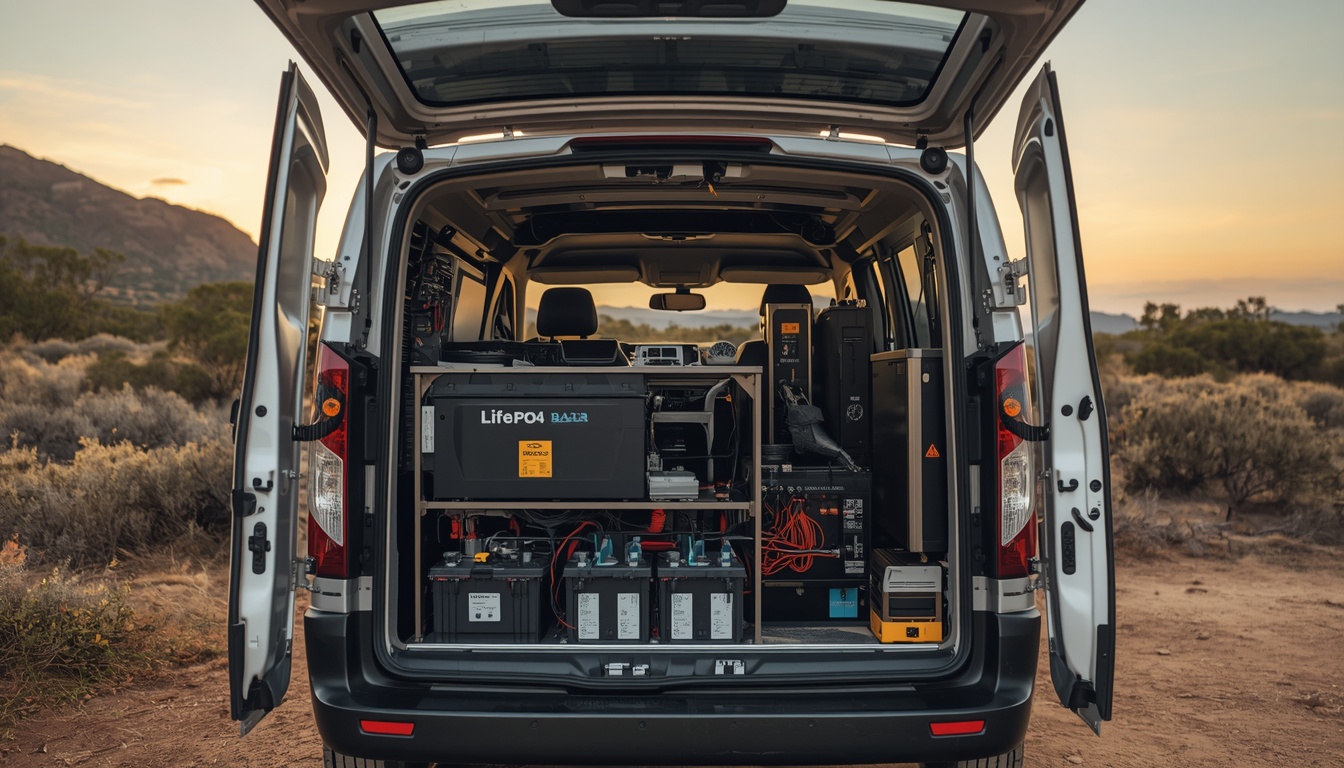
Modern boating demands reliable, high-performance power systems capable of standing up to harsh marine conditions. Among the most significant advancements in marine energy storage is the lithium boat battery, which has become the preferred choice for anglers, sailors, cruisers, and commercial operators.
However, one question remains a consistent concern for boat owners: Are lithium boat batteries safe in saltwater environments?
Below is an in-depth, comprehensive guide that explores how lithium batteries behave in saltwater, why they have become the safer and more dependable option for marine use, and what steps ensure optimal long-term performance on the water.

Why Lithium Boat Batteries Are Engineered for Marine Conditions
Lithium iron phosphate (LiFePO4) batteries are specifically designed with features that make them suitable and, in many cases, superior for saltwater exposure. Unlike traditional lead-acid batteries, which deteriorate quickly in marine environments, lithium batteries deliver stable power, exceptional durability, and higher resistance to environmental stress.
Their internal chemistry and structural integrity allow them to remain safe even when subjected to vibration, humidity, rapid temperature shifts, and accidental splashes.
Saltwater Exposure: Challenges for Marine Battery Safety
Saltwater is highly corrosive due to its mixture of moisture, oxygen, and sodium chloride. Electrical equipment exposed to saltwater faces three primary risks:
- Corrosion of metal components
- Risk of conductive bridging from salt deposits
- Accelerated wear on terminals, connectors, and exposed circuitry
Many high-quality lithium boat batteries, such as those engineered by leading Australian manufacturers like Muller Energy, use corrosion-resistant terminals, sealed LiFePO4 cells, and marine-grade housings specifically designed to withstand these saltwater challenges.
Why Lithium Boat Batteries Are Safer Than Lead-Acid in Saltwater
1. Superior Chemical Stability and Zero Acid Leakage
Lithium iron phosphate (LiFePO4) batteries do not contain liquid acid. This eliminates one of the biggest risks of traditional marine batteries: acid leaks that corrode trays, mounts, terminals, and wiring.
With sealed, stable chemistry, lithium batteries cannot spill or off-gas harmful fumes, making them inherently safer on boats where moisture and movement are constant.
2. Advanced Built-in Battery Management Systems (BMS)
A high-quality marine lithium battery includes a smart BMS that actively monitors and protects against:
- Overcharging
- Over-discharging
- Overheating
- Short circuits
- Cell imbalance
- Excessive current draw
In saltwater environments, the BMS adds an extra layer of security by preventing electrical faults that can be triggered by moisture, corrosion, or compromised wiring.
3. High-Level Waterproofing and Sealed Construction
Marine-grade lithium batteries typically feature:
- IP-rated casings
- Sealed internal cells
- Vibration-resistant housings
- Moisture-protected terminals
This ensures the battery remains secure even when exposed to salt spray, humid air, or unexpected water ingress.
‘‘Marine lithium batteries from reputable brands like Muller Energy undergo rigorous quality assurance to ensure they perform reliably in harsh saltwater environments.’’
How Lithium Batteries React if Submerged in Saltwater
Lithium boat batteries are not designed to operate underwater, but in the rare case of full submersion, they still respond more safely than many assume.
If submerged:
- The outer casing protects internal components from water intrusion.
- The BMS triggers an automatic shutdown if a short is detected.
- LiFePO4 chemistry has extremely low thermal runaway potential, especially compared to NMC or other lithium chemistries.
- The risk of fire is extremely low compared to other lithium chemistries.
Note: Unlike some lithium chemistries, LiFePO4 has extremely low fire risk even when compromised. SLA/AGM may short-circuit or fail, but they lack the same thermal stability advantages.
Corrosion Resistance: Why Lithium Batteries Last Longer on Boats
Corrosion is one of the top contributors to battery failure in marine environments. Lithium boat batteries are far more resistant to corrosion because:
- They lack exposed lead plates.
- Their sealed enclosures limit oxygen exposure.
- They use stainless-steel or corrosion-resistant terminal materials.
- Internal components are protected from salt residue thanks to the sealed enclosure.
Because the battery chemistry remains uncontaminated, marine-grade lithium batteries maintain their efficiency and capacity for 8–12 years with proper care, installation, and protection in saltwater environments.

When Not to Use Lithium Batteries on Boats
Even though LiFePO4 batteries are one of the safest choices for marine use, there are a few situations where they should not be installed:
1. Unsealed or Non-Marine Lithium Packs
Avoid using lithium batteries that are not designed for marine environments. DIY packs, EV battery modules, and low-cost unsealed lithium units do not offer proper waterproofing or corrosion resistance.
2. Lithium Batteries Without a BMS
Never install a lithium battery that lacks a built-in Battery Management System. A BMS is essential for preventing overcharging, overheating, short circuits, and cell imbalance, especially in wet, salty conditions.
3. Enclosed or Unventilated Compartments
Avoid installing lithium batteries in fully sealed or excessively hot compartments. While LiFePO4 batteries do not produce gas during normal operation, they do require basic airflow to allow heat to dissipate effectively and to minimise humidity buildup around terminals and wiring. Ensuring light ventilation helps maintain safe operating temperatures and long-term reliability.
Real-World Marine Applications Where Lithium Batteries Shine
Lithium batteries have rapidly become the standard power source across various marine categories:
Marine Application |
Benefits of Lithium Batteries |
| Fishing Boats and Trolling Motors | Longer runtimes, lighter weight, and faster charging are essential for long fishing days. |
| Sailboats and Navigation Systems | Stable voltage for uninterrupted autopilot, chartplotters, communication devices, and navigation equipment. |
| Offshore Cruisers | Extended lifespan and strong corrosion resistance reduce maintenance during long voyages. |
| Electric Outboard Motors | High energy density provides powerful, consistent propulsion without voltage drop. |
| Marine Solar Systems | Efficient solar charging capability, ideal for extended off-grid or multi-day trips. |
How to Maximise Safety and Longevity of Lithium Boat Batteries in Saltwater
To ensure optimal performance and long-term safety, follow these best practices:
1. Install in a Dry, Ventilated Compartment
Even though lithium batteries are sealed and protected, they should still be mounted away from direct saltwater exposure. A dry, well-ventilated compartment reduces humidity, prevents condensation from forming around terminals, and helps maintain optimal operating temperatures.
2. Use Marine-Grade, Corrosion-Resistant Wiring
Quality cabling and stainless-steel or tinned copper terminals are essential in saltwater environments. Marine-grade wiring prevents conductive salt buildup, reduces corrosion, and ensures consistent voltage delivery to all onboard electronics.
3. Apply Dielectric Grease to Terminals
A thin layer of dielectric grease creates a protective barrier against moisture, oxidation, and salt deposits. This helps maintain clean, low-resistance electrical connections and extends the life of your wiring and terminals.
4. Rinse Battery Compartments with Fresh Water
After every saltwater trip, rinse the surrounding areas, not the battery itself, to remove salt spray and residue. Fresh water prevents corrosion from forming on mounts, brackets, and nearby wiring.
5. Inspect Connections Regularly
Check for corrosion, loose wiring, or salt residue at least once a month. Regular inspection helps you catch early signs of wear, preventing voltage drops, overheating, or potential electrical faults.
6. Ensure Proper Ventilation for Charging
Lithium batteries remain cooler than lead-acid, but they still need basic airflow during charging. Proper ventilation prevents heat buildup, allows the BMS to operate efficiently, and supports long-term battery health.

Looking to Buy the Best Lithium Boat Battery? Here’s What to Know
The long-term safety and performance of a lithium boat battery depend heavily on the quality of the engineering behind it. Saltwater environments demand corrosion-resistant materials, a robust and intelligently designed BMS, durable housing, and reliable cell construction that can withstand constant vibration and extreme temperature changes.
Manufacturers such as Muller Energy specialise in marine-ready LiFePO4 batteries engineered specifically for these demanding conditions. Founded in 2020, the company has rapidly built a strong reputation for producing lithium batteries with advanced saltwater protection, high-efficiency output, and exceptional durability, all backed by a 10-year warranty for long-term confidence.
With an impressive 4.9-star Google rating, Muller Energy’s marine-grade lithium batteries deliver reliable, long-lasting power for boat owners who need performance they can count on in every saltwater environment.
Shop Marine Lithium Batteries!
Lithium Boat Batteries Are One of the Safest Choices for Saltwater Use
Lithium boat batteries are not only safe for saltwater environments, but they are also one of the most reliable, efficient, and resilient power solutions available for marine use. With sealed construction, corrosion-resistant materials, advanced BMS protection, and unmatched cycle life, they outperform traditional marine batteries in every critical category.
When combined with proper installation and routine maintenance, lithium batteries provide years of trouble-free performance, making them the ideal choice for anyone who navigates saltwater with confidence.
Whether you are upgrading your trolling motor system, powering marine electronics, or building a full marine energy setup, a high-quality LiFePO4 battery offers the safety, strength, and stability your vessel deserves.