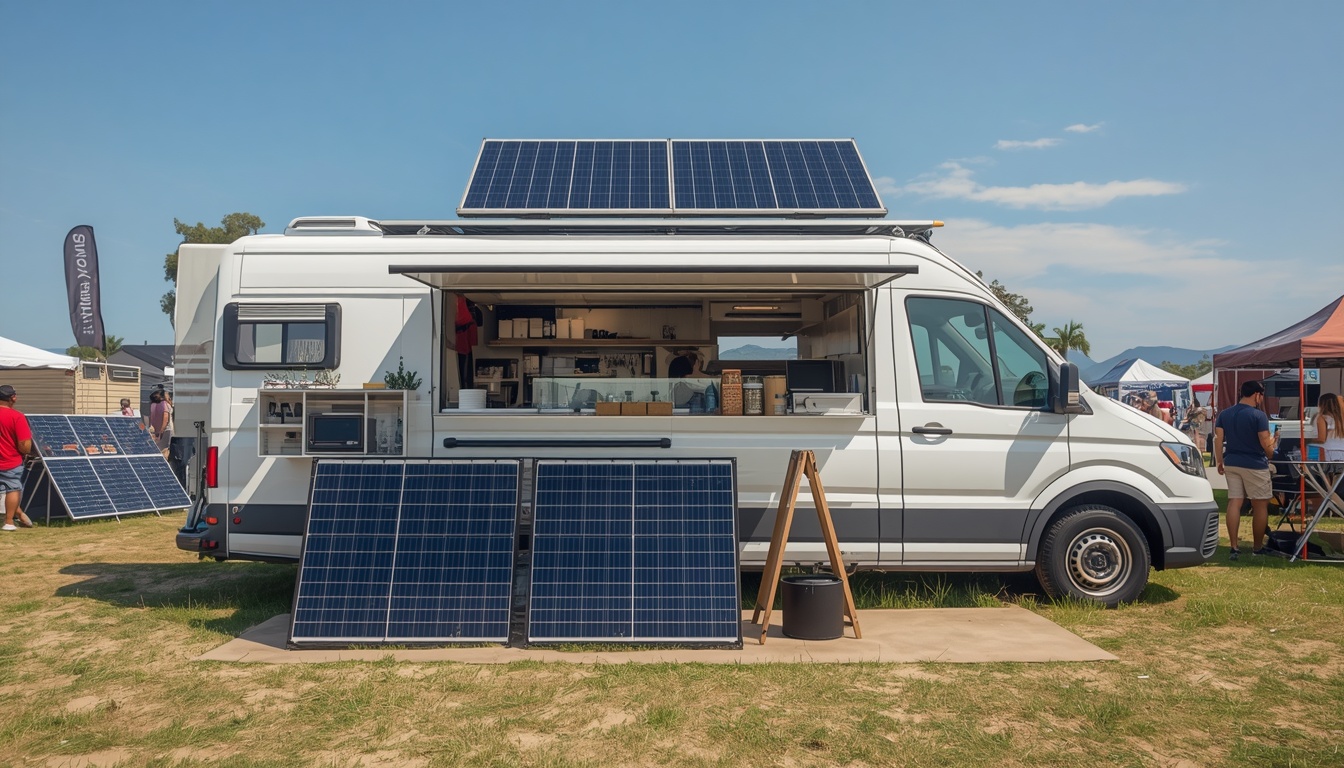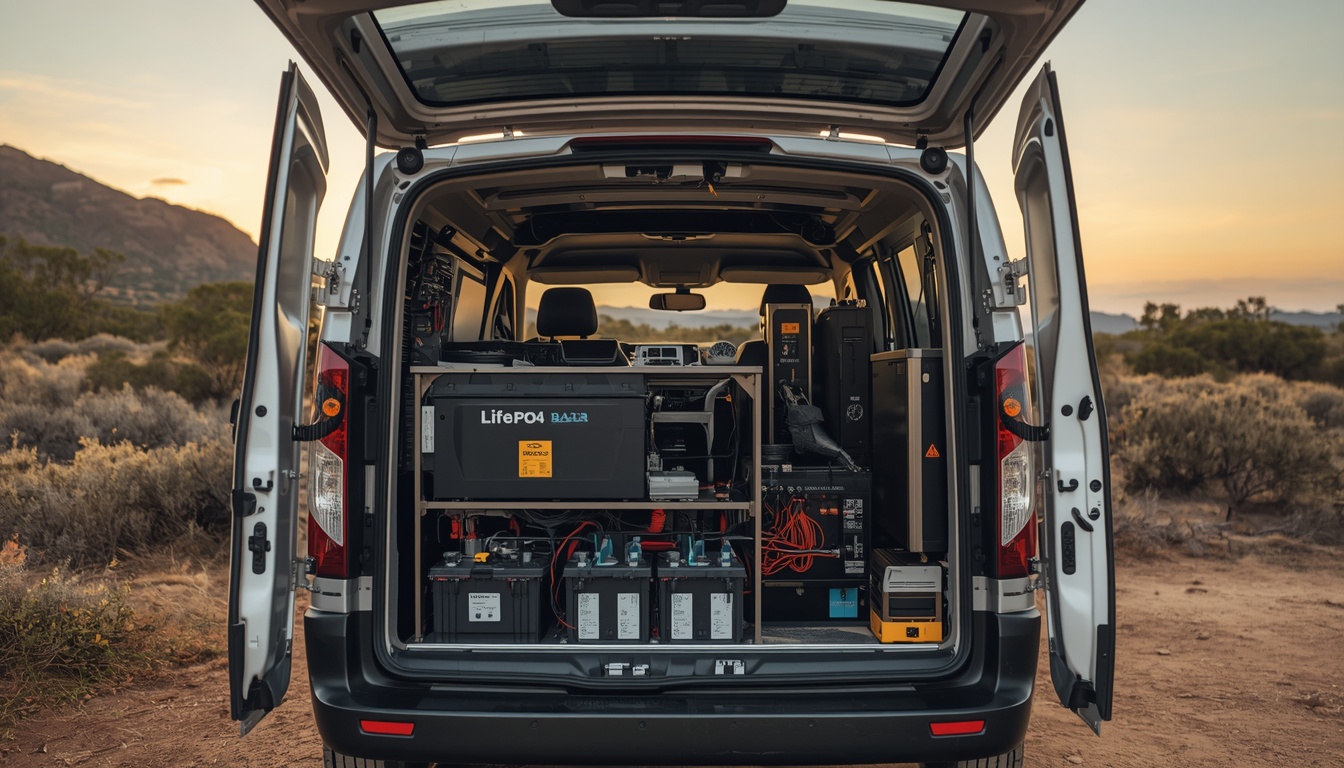
Power outages are no longer rare events. Extreme weather, grid overload, and infrastructure failures have made blackouts more frequent and unpredictable. Lithium batteries for emergency backup during blackouts provide a dependable, quiet, and efficient way to keep essential systems running when the grid goes down.
For homeowners, small businesses, and off-grid users, lithium backup power has become a practical alternative to fuel-based generators.
This guide explains what lithium backup batteries are, how they work during blackouts, who they are best suited for, and how to choose the right system without hype or vague claims.
Why Lithium Batteries Are Best for Emergency Backup During Blackouts
Lithium batteries, particularly LiFePO4 (Lithium Iron Phosphate), are ideal for emergency backup because they deliver instant power, handle frequent cycling, and require minimal maintenance.
Unlike traditional batteries, they can discharge deeply without harming battery health, making more usable energy available during outages. Compared to generators, lithium systems operate silently and without emissions. Compared to lead-acid batteries, they offer higher usable capacity and a much longer service life.
Australian-designed systems, such as those from Muller Energy, are increasingly preferred because they are engineered for local conditions and common blackout scenarios, making them a reliable choice for powering essential loads and supported by strong customer trust reflected in a 4.9-star Google rating.

How Lithium Battery Backup Systems Work
Lithium battery backup systems operate automatically across different power conditions, ensuring a continuous energy supply without user intervention. The table below outlines how the system charges, switches to battery power during an outage, supports essential loads, and returns to grid power once electricity is restored.
| Stage | What Happens |
| Normal Operation | The battery charges from the grid, solar panels, or both. The inverter remains on standby or powers loads via pass-through. |
| Grid Failure | The inverter detects power loss within milliseconds and automatically switches to lithium battery power. |
| During the Blackout | Essential loads continue operating without interruption. If solar is available, the system can recharge while supplying power. |
| Grid Restoration | The system switches back to grid power automatically, and the battery recharges. |
High-quality systems rely on an advanced BMS to manage charging, balance cells, and protect against electrical faults. In this area, engineered solutions from suppliers like Muller Energy add long-term reliability.
Benefits of Lithium Batteries for Blackout Backup
Lithium batteries provide a reliable and efficient blackout backup solution, combining fast response, long service life, and safe operation.
Compared to lead-acid batteries and fuel generators, they deliver uninterrupted power, higher usable capacity, and low-maintenance performance for residential and small commercial use.
1. Instant Power with No Downtime
Lithium battery systems switch to backup power within milliseconds of a grid failure. This near-instant response prevents outages to critical devices and protects sensitive electronics such as routers, medical equipment, and computers from sudden power loss.
2. Long Cycle Life
High-quality LiFePO4 batteries typically deliver 3,000 to 6,000 charge-discharge cycles at usable depths, significantly outlasting lead-acid batteries. This longer cycle life reduces replacement frequency and lowers long-term ownership costs.
3. Safe and Stable Chemistry
LiFePO4 chemistry is known for its thermal stability and low risk of overheating. It is widely used in residential energy storage systems due to its predictable performance, built-in battery management systems, and strong safety profile.
4. High Efficiency
Lithium batteries provide 90–95% usable capacity, allowing more stored energy to be used during a blackout. In contrast, lead-acid batteries typically offer only around 50% usable capacity, limiting available backup time.
5. Silent and Emission-Free
Lithium battery backup systems operate without noise, fumes, or exhaust emissions. This makes them suitable for indoor installation and residential areas where fuel generators are impractical or restricted.
Who Should Use Lithium Backup Batteries?
Lithium battery backup systems are well suited for:
- Homeowners needing blackout protection
- Apartment dwellers
- Small businesses requiring uptime
- Remote or off-grid homes
- Medical device users
- IT and networking setups
Muller Energy supports both retail customers and Australian businesses, offering scalable solutions for residential, marine, solar, and commercial applications.

Choosing the Right Lithium Battery Backup System
Choosing the right lithium battery backup system ensures reliable performance during power outages and prevents common issues such as insufficient runtime or system incompatibility. By assessing your power needs and selecting components that work together efficiently, you can build a backup solution that delivers dependable energy when it matters most.
1. Determine Your Essential Loads
List the devices you must keep running during an outage, such as refrigerators, lighting, internet equipment, or medical devices and note their individual wattage requirements.
2. Calculate Required Capacity
Battery capacity is measured in kWh or Ah. A typical home backup system ranges from 2kWh to 10kWh, depending on how many loads you need to power and how long you want them to run during a blackout.
3. Select a Compatible Inverter
Choose an inverter that fully supports lithium batteries, offers automatic transfer during outages, and is appropriately sized to handle your peak power demand safely and efficiently.
4. Check Battery Management System (BMS)
A built-in Battery Management System (BMS) protects the lithium battery by preventing overcharging and over-discharging, monitoring temperature to avoid overheating, and safeguarding the system against short circuits, ensuring safe and reliable operation during emergency backup use.
5. Consider Expandability
Choose a system that allows additional batteries to be added in the future, making it easier to increase capacity as your energy needs grow or if you want longer backup runtimes without replacing the entire system.
Note: Muller Energy supplies LiFePO4 batteries, inverters, BMS units, solar panels, chargers, and accessories, enabling customers to build or upgrade complete backup systems with matched components.

Recommended Lithium Battery Options for Emergency Backup
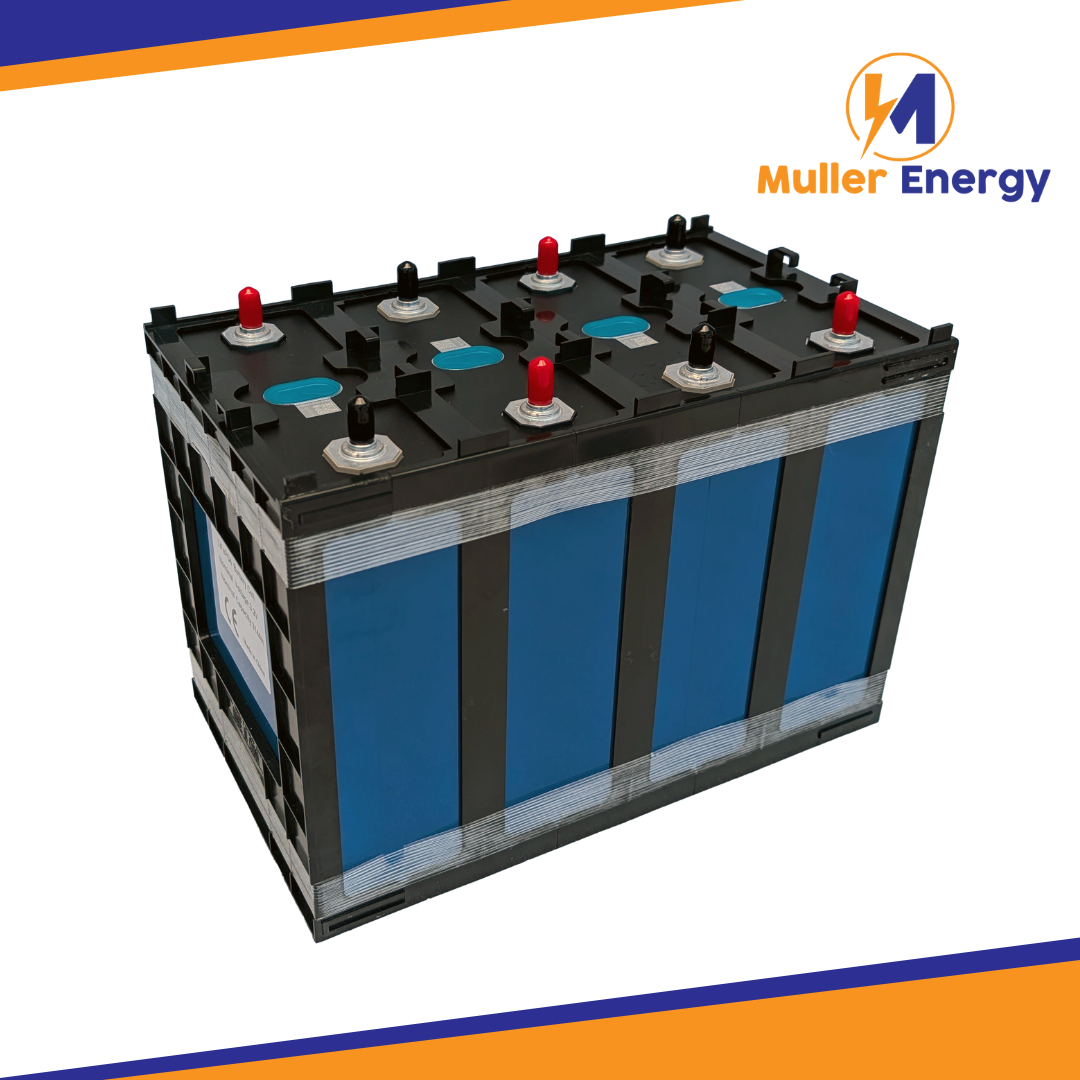
Once you’ve identified your essential loads, the next step is choosing a battery that matches your backup requirements. The following Muller Energy lithium battery options are well-suited for emergency backup applications based on capacity, reliability, system compatibility, and come with a 10-year warranty for long-term peace of mind.
For Small to Medium Home Backup (Essential Loads)
Ideal for powering refrigeration, lighting, Wi-Fi, and medical devices during short to moderate outages.
- Muller Energy 12V 105Ah LiFePO4 Battery (Touchscreen)
A compact, easy-to-monitor option for essential backup loads where space is limited. - Muller Energy 12V 200Ah LiFePO4 Battery (Touchscreen)
Offers longer runtime and higher usable capacity, suitable for homes needing extended backup without oversizing the system.
For Extended Runtime or Higher Power Demand
Designed for longer outages or higher energy usage.
- Muller Energy 12V 300Ah LiFePO4 Battery (Touchscreen)
Well suited for households or small businesses requiring sustained power to multiple essential circuits. - Muller Energy 48V 100Ah LiFePO4 Battery (51.2V)
A strong option for larger backup systems using 48V inverters, offering higher efficiency and reduced current losses.
For Complete Backup & Solar-Ready Systems
Recommended when building a fully integrated or future-proof backup solution.
- Muller Energy 200Ah LiFePO4 Battery + Victron Bundle
A matched battery and inverter/charger solution designed for seamless integration and dependable blackout performance. - Muller Energy 48V Lithium Starter Kit
Suitable for users looking for a scalable, all-in-one backup and solar-ready system with minimal configuration complexity.
For Custom or DIY Backup Builds
Best for experienced users or professionals designing tailored systems.
- EVE Automotive-Grade LiFePO4 Prismatic Cells (314Ah / 304Ah)
Combined with a Muller Energy Smart BMS (8S or 16S with Bluetooth), these allow precise system sizing and monitoring for custom installations.
Practical Tip: For most residential blackout scenarios, a 12V or 48V LiFePO4 system paired with a compatible inverter and quality BMS offers the best balance of reliability, efficiency, and long-term value. Muller Energy’s modular product range makes it easier to start small and expand as backup needs grow.
Common Mistakes and Misconceptions
Before choosing a backup system, it’s important to understand the most common lithium battery mistakes that can affect performance and reliability.
Common Mistake / Misconception |
Why It’s a Problem |
| Assuming all lithium batteries are the same | Not all lithium chemistries perform well for backup power. LiFePO4 batteries are preferred due to their safety, stability, and long cycle life. |
| Undersizing the system | Insufficient battery capacity can cause frequent shutdowns, especially during extended blackouts or when multiple essential loads are running. |
| Ignoring inverter compatibility | Using an incompatible inverter can reduce system efficiency, trigger faults, or even prevent the backup system from operating correctly. |
| Treating lithium like lead-acid | Lithium batteries require different charging profiles and system design; applying lead-acid settings can shorten battery life or cause performance issues. |
Practical Use Case Examples
- A household running lights, fridge, Wi-Fi, and fans for 8–12 hours
- A small office maintaining internet, laptops, and security systems
- A solar-equipped home stays powered during multi-day outages
- Medical equipment operating safely without fuel dependency
Final Thought
Lithium batteries for emergency backup during blackouts provide fast, clean, and dependable power when grid electricity fails. With long lifespan, high efficiency, and silent operation, LiFePO4 battery systems outperform traditional lead-acid batteries and avoid the limitations of generators.
For Australian homes and businesses seeking reliable backup power, well-engineered lithium solutions offer a future-proof approach.
Frequently Asked Questions (FAQ)
Q1. Are lithium batteries better than generators for blackouts?
For short to medium outages, yes. Lithium batteries provide silent, instant power with no emissions and no need for fuel storage or manual startup. Generators may still be useful for very long outages where solar recharging is not available.
Q2. How long can a lithium battery power a home?
This depends on battery capacity and total load. A 5kWh lithium system can typically run essential loads such as refrigeration, lighting, and internet for several hours to a full day, depending on usage patterns.
Q3. Can lithium batteries be used indoors?
Yes. LiFePO4 batteries are designed for safe indoor installation when properly installed and managed by a built-in battery management system (BMS), making them suitable for homes, garages, and utility spaces.
Q4. Do lithium backup batteries work without solar?
Yes. Lithium backup batteries can charge from the grid and operate independently of solar panels. Solar simply extends runtime during prolonged outages but is not required for basic backup functionality.
Q5. What is the lifespan of a lithium backup battery?
Most quality lithium battery systems last between 8 and 15 years, depending on cycle depth, usage frequency, and operating conditions.
Q6. Where can I buy reliable lithium batteries in Australia?
Australian-designed suppliers like Muller Energy provide LiFePO4 batteries, inverters, BMS units, and solar-ready backup solutions with local support and long warranties.