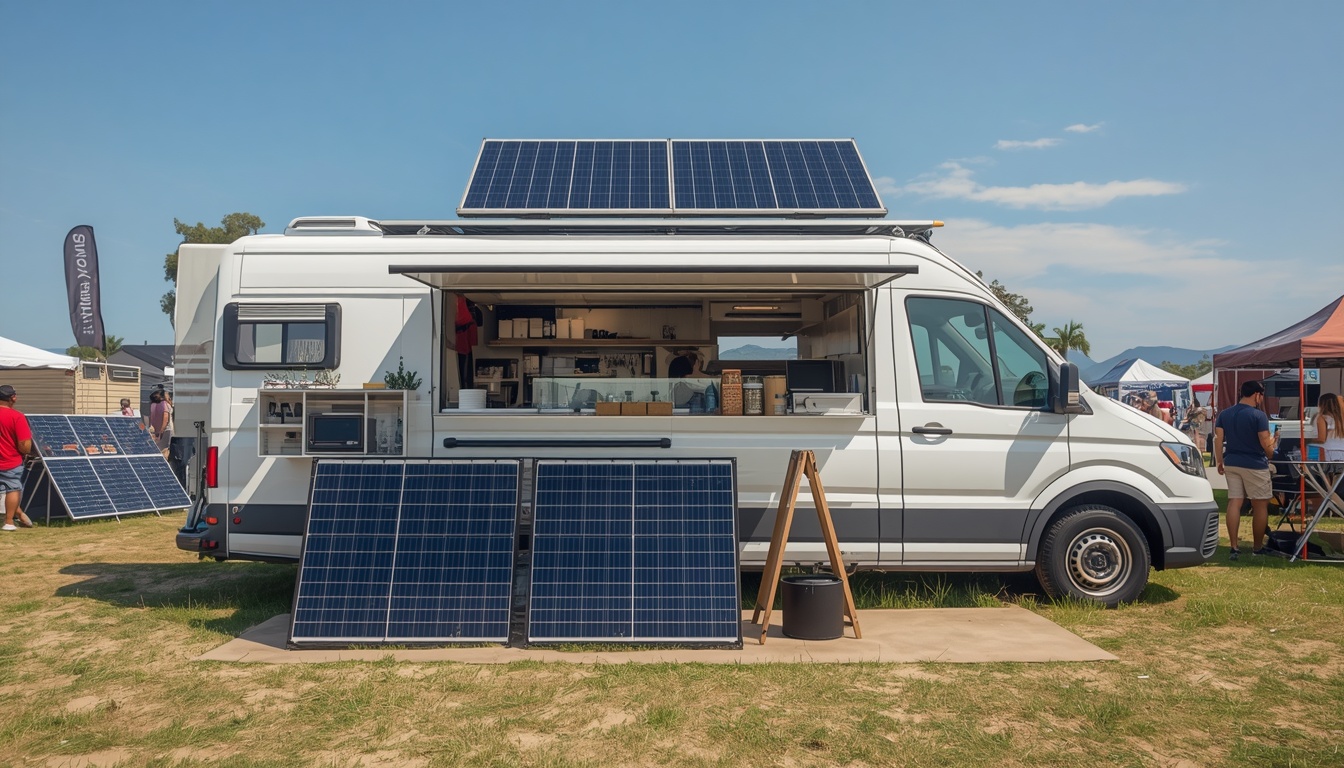
Solar panels often produce more electricity than you use, especially during peak sunlight hours. So, what actually happens to excess power generated by solar panels?
The answer depends on your system setup, grid connection, and whether you use battery storage. Understanding this is critical if you want to maximise efficiency, reduce energy bills, and avoid wasted solar energy.
Why Do Solar Panels Generate Excess Power?
Solar panels generate electricity based on sunlight rather than your real-time energy needs. As a result, peak production typically occurs around midday when sunlight is strongest, while peak household energy usage usually happens in the morning and evening.
This mismatch creates surplus solar energy, electricity that isn’t immediately used in your home. If this excess energy isn’t properly managed or stored, a portion of it can end up being underutilised or even wasted.
What Happens to Excess Power Generated by Solar Panels?
When solar panels generate more electricity than you use, the excess power is either stored, exported to the grid, or used elsewhere, depending on your system setup.
1. It Is Sent Back to the Grid (Grid-Tied Systems)
In grid-connected systems, any excess electricity generated by your solar panels is automatically exported to the utility grid. The process is straightforward: your inverter converts DC power into usable AC electricity, your home consumes what it needs in real time, and any remaining energy is sent back to the grid.
This mechanism varies by region. In countries like Australia, exported solar energy is typically compensated through feed-in tariffs (FiTs), while other regions use net metering systems that provide bill credits for exported electricity.
Benefits:
Exporting solar energy allows you to earn credits or payments for unused electricity, helping offset your energy costs. It also ensures that unused generation contributes to the wider grid rather than being curtailed.
Limitations:
Feed-in tariffs are usually significantly lower than the cost of buying electricity from the grid. In many cases, exported solar energy earns around 5–10 cents per kWh, while grid electricity can cost 25–40 cents per kWh, reducing the overall financial return.
In addition, some regions impose export limits, which can restrict how much solar energy your system is allowed to send back to the grid. However, in off-grid or camping setups where there is no grid connection, exporting solar energy isn’t possible, making battery storage essential for using excess power.
2. It Is Stored in Solar Batteries (Best Use Case)
Instead of exporting excess energy to the grid, you can store it in a solar battery storage system for later use. In this setup, surplus electricity generated during the day charges your battery, allowing you to use that stored energy at night or during power outages when solar production drops.
This approach can increase your solar self-consumption rate from around 30–40% to as high as 70–90%, while also improving energy independence and system efficiency.
Why it’s important: Stored energy is typically more valuable than exported energy.
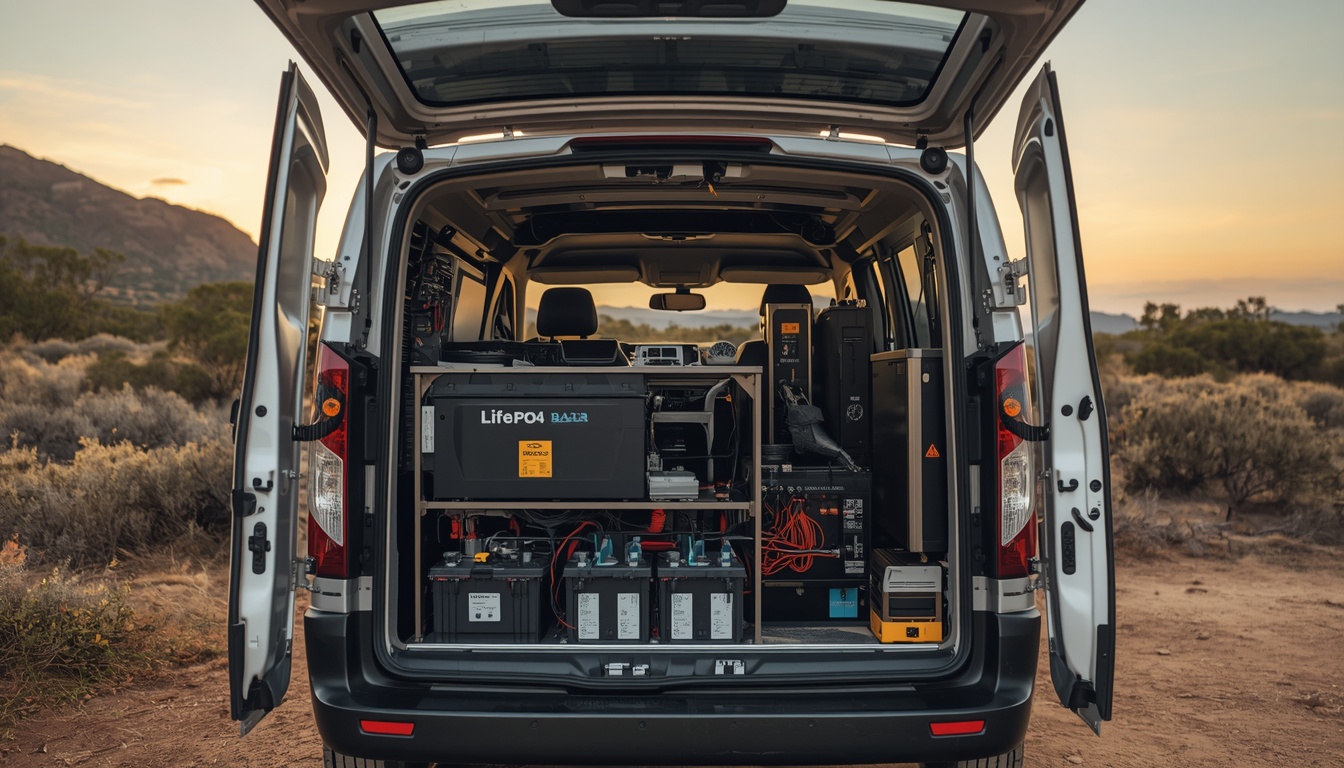
Practical Tip: To fully benefit from solar storage, the quality of your battery system matters. High-performance lithium solutions, such as LiFePO4 batteries with advanced battery management systems, offer better efficiency, longer lifespan, and safer operation.
High-quality LiFePO4 battery systems (such as those offered by Muller Energy) are designed for real-world applications, including off-grid setups, caravans, and 4WD systems, where reliable energy storage is essential.

3. It Is Automatically Curtailed (Wasted Energy)
If your battery is already full and exporting to the grid is restricted, your system will automatically reduce its output, a process known as solar curtailment.
In this situation, the inverter limits how much electricity your panels produce, meaning the system reduces output before excess energy is generated. As a result, potential solar energy is not produced rather than being wasted after generation.
4. It Powers Other Loads (Smart Energy Use)
Advanced solar setups can automatically redirect excess energy to other household or system loads, such as water heating systems, EV charging, pool pumps, or air conditioning. This approach, known as load shifting or smart energy management, increases real-time solar usage, reducing reliance on both battery storage and low-value grid exports.
Related Articles:
- How to Build a Reliable Off-Grid Solar System in Australia
- Lithium Batteries for Emergency Backup During Blackouts
- Role of Lithium Batteries in Off-Grid Living and Solar Power

How to Maximise Excess Solar Power (Practical Strategies)
To get the most value from excess solar power, you need the right combination of usage habits, storage solutions, and smart system controls. By optimising how and when you use energy, you can reduce waste, increase efficiency, and rely less on the grid.
- Increase Self-Consumption: To make the most of your solar energy, it’s best to use electricity while your panels are actively generating power. This can be done by running appliances during the day and scheduling high-consumption tasks, such as washing machines or dishwashers, to operate during peak sunlight hours, helping you maximise self-consumption and reduce reliance on the grid.
- Install a Battery System: A properly sized battery system allows you to reduce grid reliance, avoid low feed-in tariff returns, and maintain power availability during outages. It also increases your ability to use stored solar energy during peak demand periods, improving overall energy efficiency and long-term cost savings.
- Use Smart Inverters & Controllers: Modern solar systems are designed to optimise energy flow automatically, ensuring efficient use of every unit of power generated. They can prioritise battery charging when excess energy is available, manage export limits based on grid requirements, and seamlessly integrate with smart home systems to balance energy usage across connected devices.

Turn Extra Solar Power into Maximum Savings
If you want to maximise how excess solar power is captured, stored, and used, choosing the right system components is critical. Muller Energy specialises in engineered solar and lithium battery solutions, built for real-world conditions such as off-grid systems, caravans, and 4WD setups.
Their product range includes:
- High-capacity LiFePO4 lithium batteries (100Ah to 300Ah+) backed by a 10-year warranty, designed for efficient and reliable solar energy storage.
- Advanced Battery Management Systems (BMS) for safe and stable performance
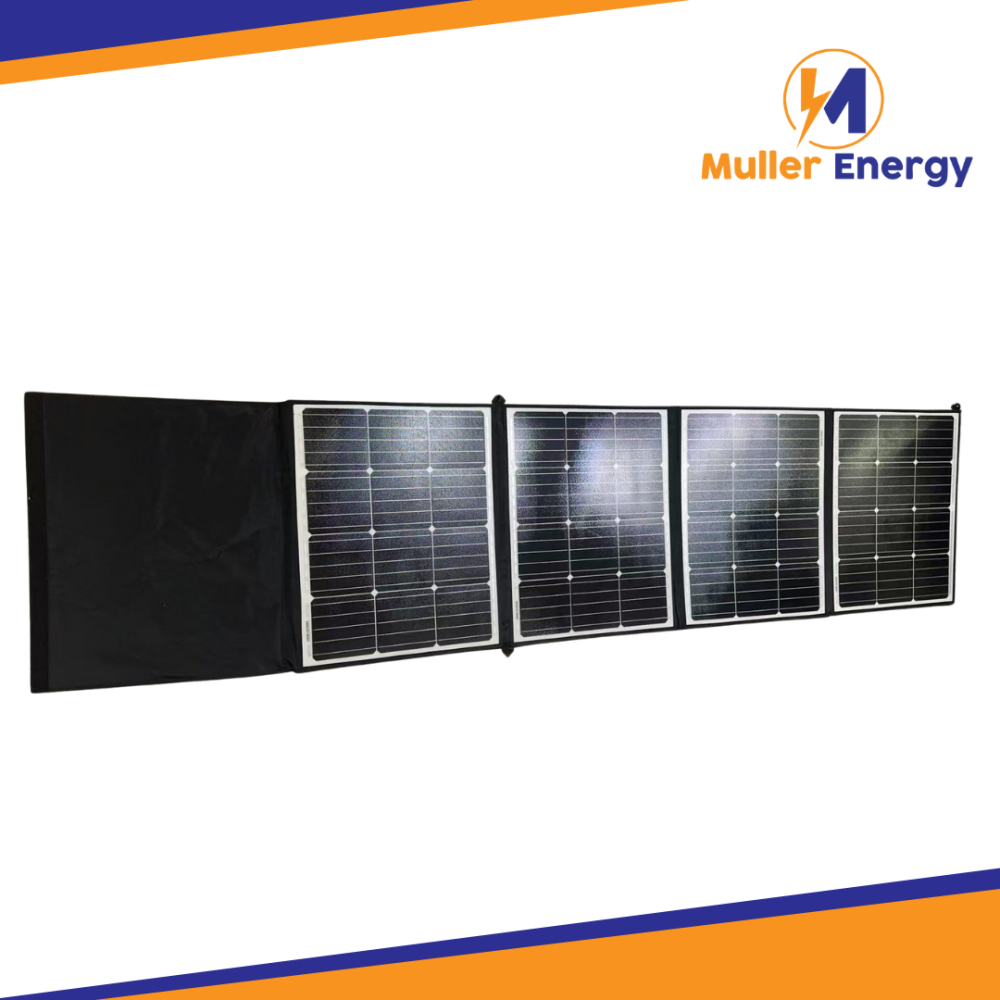
- High-efficiency solar panels, including flexible and portable options for off-grid use
- Compatible inverters and solar chargers for complete system integration
With Australian-engineered design, premium build quality, and long-term reliability, these solutions help you generate, store, and use more of your excess solar energy, reducing grid reliance and improving overall system efficiency.