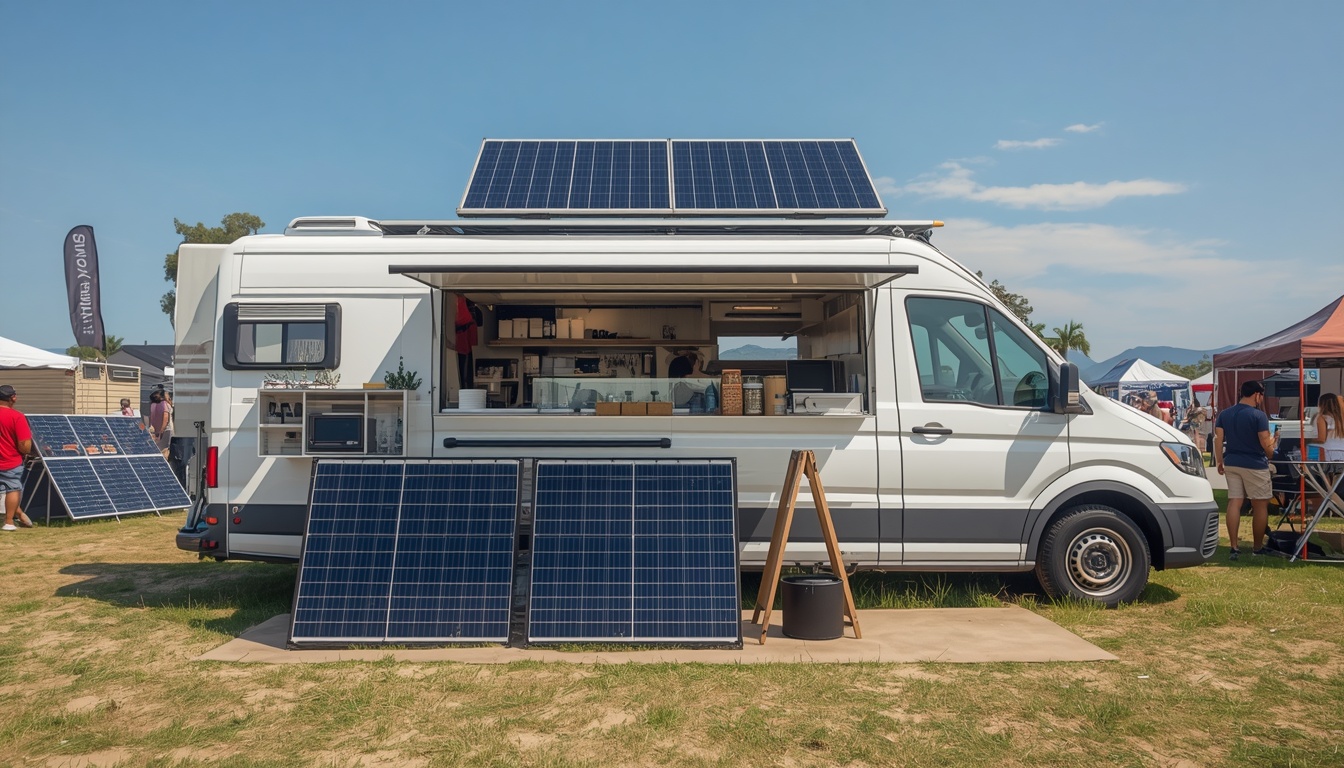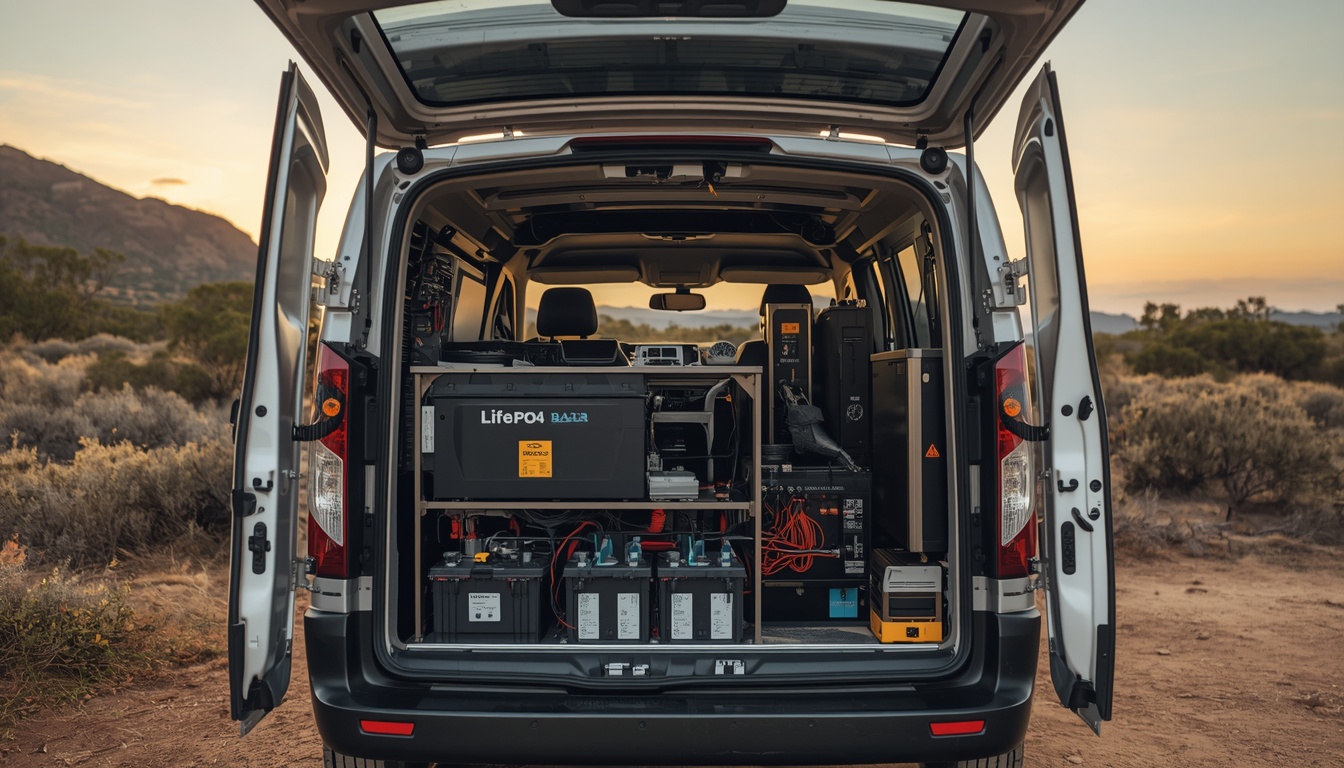
Lithium batteries are known for reliability, but sudden shutdowns can still happen without warning. If your system cuts power unexpectedly, in most cases, it’s not a failure but a protection mechanism doing its job. However, in some situations, issues such as a faulty BMS, cell imbalance, or battery degradation can also cause shutdowns.
Most shutdowns are managed by the Battery Management System (BMS), although wiring issues, load demands, or battery faults can also contribute.
Understanding why lithium batteries shut down suddenly helps you fix the issue quickly and avoid repeat problems. This guide explains the real causes, practical fixes, and how to prevent future shutdowns, especially in off-grid, 4WD, and solar setups.

What Causes Lithium Batteries to Shut Down Suddenly?
Most sudden shutdowns are triggered by the Battery Management System (BMS), the built-in safety system in modern lithium batteries.
1. Low Voltage Cut-Off (Over-Discharge Protection)
When battery voltage drops too low, the BMS automatically disconnects power to protect the cells from damage. This typically occurs when appliances are run for extended periods without recharging, when the battery capacity is too small for the load, or when inaccurate state-of-charge readings create a false sense of available power.
How to Fix It:
Recharge the battery as soon as possible using a compatible charger to restore it safely. To reduce the risk of repeated shutdowns, avoid regularly draining the battery below 10–20% capacity. If this issue occurs frequently, it usually indicates that the battery is undersized for your system, and upgrading to a higher-capacity battery may be necessary.
2. Overcurrent or High Load Demand
If your system draws more current than the battery can safely supply, the BMS will shut it down to protect the cells. This typically happens when running high-wattage inverters, starting heavy loads like compressors or pumps, or operating multiple devices at the same time, all of which can push the battery beyond its safe discharge limits.
How to Fix It:
Start by checking whether your inverter size and overall load requirements are within the battery’s safe discharge limits. If the demand is too high, consider upgrading to a battery with a higher discharge rating to handle the load more effectively.
In cases where power demand is consistently high, adding a second battery in parallel can help distribute the load and prevent future shutdowns.

3. Temperature Protection (Too Hot or Too Cold)
Lithium batteries operate within defined temperature limits, and the Battery Management System will shut the system down if those limits are exceeded. This can happen when charging below 0°C, discharging in extreme heat, or when the internal temperature rises beyond safe operating thresholds.
Most LiFePO4 batteries operate within manufacturer-specified temperature ranges. Typically, charging is safe between 0°C and 45°C, and discharging between approximately -20°C and 60°C, depending on the battery chemistry, BMS configuration, and manufacturer design. Operating outside these limits can trigger protective shutdowns or reduce battery performance.
How to Fix It:
Install the battery in a well-ventilated area to prevent heat buildup and maintain stable operating conditions. In colder environments, use insulated battery boxes to protect against low temperatures. It’s also important to avoid charging the battery in freezing conditions, as this can trigger protection shutdowns and potentially damage the cells.
4. BMS Fault or Imbalance Between Cells
Cell imbalance or internal faults can trigger protective shutdowns, as the Battery Management System detects unsafe conditions within the battery. This often shows up as the battery displaying a charge but failing to deliver power, repeated shutdown cycles, or inconsistent voltage readings across the system.
How to Fix It:
Start by performing a full charge cycle, which can help rebalance the cells and restore normal operation, particularly in batteries with built-in balancing systems. The effectiveness of this depends on the BMS design, as some systems use passive balancing while others use more advanced active balancing.
If the issue persists, consider using a battery with an active balancing system to maintain cell stability over time. In cases where the problem is linked to a faulty BMS, replacement or professional inspection may be required.
Note: To better understand how battery management systems detect and handle these issues, see our detailed guide on Battery Management System operation.

5. Loose Wiring or Poor Connections
Sometimes the issue isn’t the battery itself; it’s the overall setup. Problems such as loose terminals, undersized cables, corrosion, or poor crimping can disrupt power flow and trigger shutdowns, even when the battery is functioning correctly.
How to Fix It:
Check and tighten all connections to ensure a secure electrical path. Use properly rated cables and terminals that match your system’s current requirements, and regularly inspect the setup for signs of wear, corrosion, or damage to maintain reliable performance.
‘‘For more common system issues and troubleshooting steps, see our detailed guide on lithium battery problems and solutions.’’

How to Reset a Lithium Battery After Shutdown
After a protection shutdown, most lithium batteries will automatically reset once safe operating conditions are restored. In many cases, this happens as soon as the battery is reconnected to a compatible charger. However, if the system does not reset automatically, a manual reset may be required.
This typically involves disconnecting all loads from the battery, connecting it to a suitable charger, and allowing the Battery Management System (BMS) to detect stable conditions and restore normal operation. Some advanced systems may also require a manual reset button or a Bluetooth/app-based reset function to reactivate the battery.
Ways to Prevent Lithium Battery Shutdown
Prevention mainly depends on good system design and component quality, including proper battery sizing, a reliable BMS, controlled discharge depth, correct charging systems (DC-DC/solar), and real-time monitoring to catch issues early.
| Key Area | Best Practice | Why It Matters |
| Battery Sizing | Match battery size to your power needs | Prevents overload and deep discharge shutdowns |
| BMS Quality | Use a high-quality Battery Management System (BMS) with proper protections | Ensures safe operation under load and temperature stress |
| Discharge Depth | Avoid deep discharges regularly | Extends battery life and reduces low-voltage cut-offs |
| Charging System | Install proper charging systems (DC-DC, solar regulators) | Maintains stable and safe charging conditions |
| Monitoring | Monitor battery health in real time | Helps detect issues before shutdown occurs |
Proper system design plays a key role in preventing shutdowns. Learn how to build a reliable off-grid setup in our detailed system guide.

How Product Quality Makes a Difference
Not all lithium batteries handle these conditions equally. Many shutdown issues come from low-quality BMS units, weak cells, or poor system design.
Practical Tip: If your battery frequently shuts down under normal use, it’s often a sign the system isn’t built for real-world loads.
For example, well-designed systems, like those used in Muller Energy’s lithium batteries, focus on preventing unnecessary shutdowns through:
- High-quality LiFePO4 cells (e.g., EVE-grade)
- Advanced BMS with high current handling (up to 250A)
- Active cell balancing for stability
- Bluetooth monitoring + touchscreen diagnostics
This is especially important in demanding setups like 4WDs, where power spikes and harsh conditions are common. Choosing a well-engineered battery system not only improves performance under load but also adds long-term reliability.
Features like a 10-year warranty provide added peace of mind, while strong customer feedback, such as consistent 4.9-star ratings on Google, reflects real-world trust and proven performance in tough conditions.
Common Signs Before a Shutdown
Before a lithium battery shuts down completely, it often shows early warning signs that indicate a protection event is about to occur. Recognising these symptoms can help prevent sudden power loss and system interruptions.
- Battery percentage drops suddenly from around 40% to near 0%
- The inverter cuts out when a load is applied
- The battery shows voltage, but no output is available
- System restarts after disconnecting and reconnecting the load
Key Takeaway: Lithium battery shutdowns are usually a sign that the system is protecting itself rather than failing. Most issues come down to load, temperature, battery sizing, or installation quality. Fix the root cause, and the problem rarely returns.