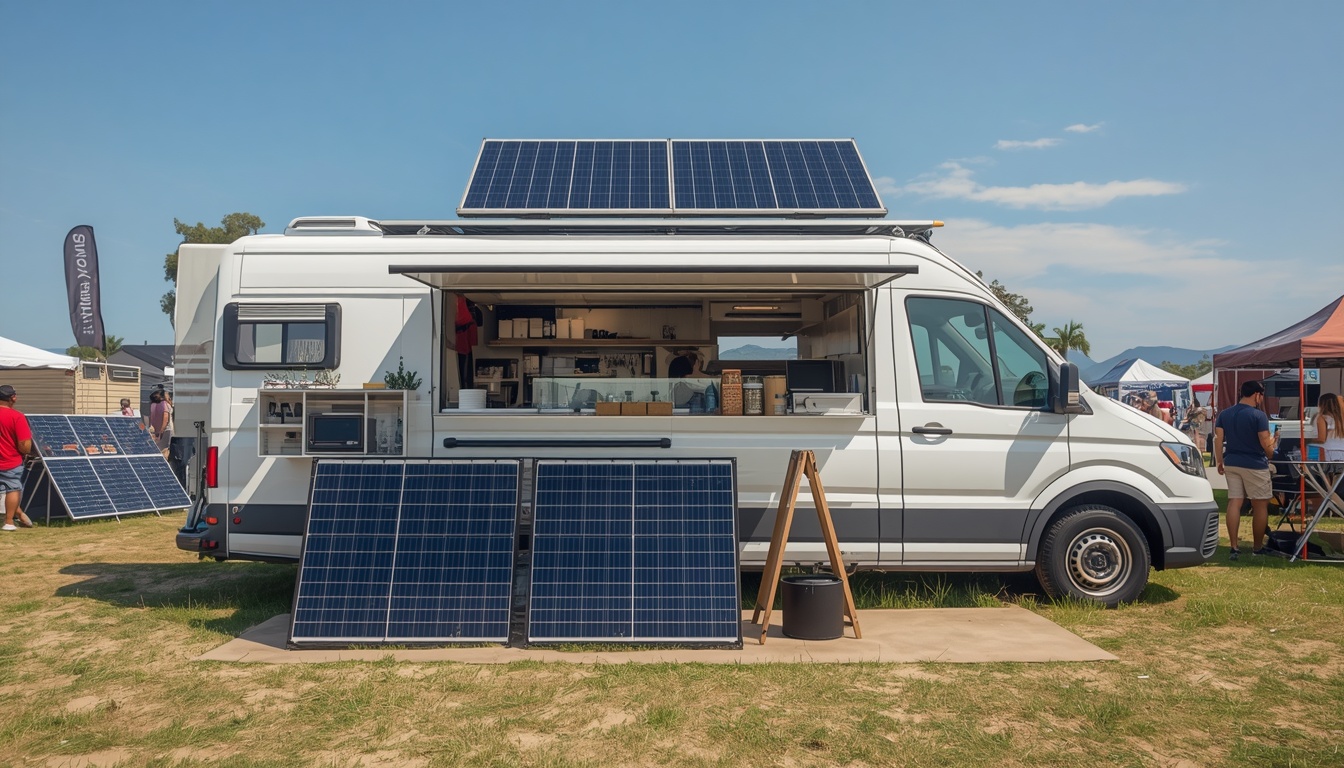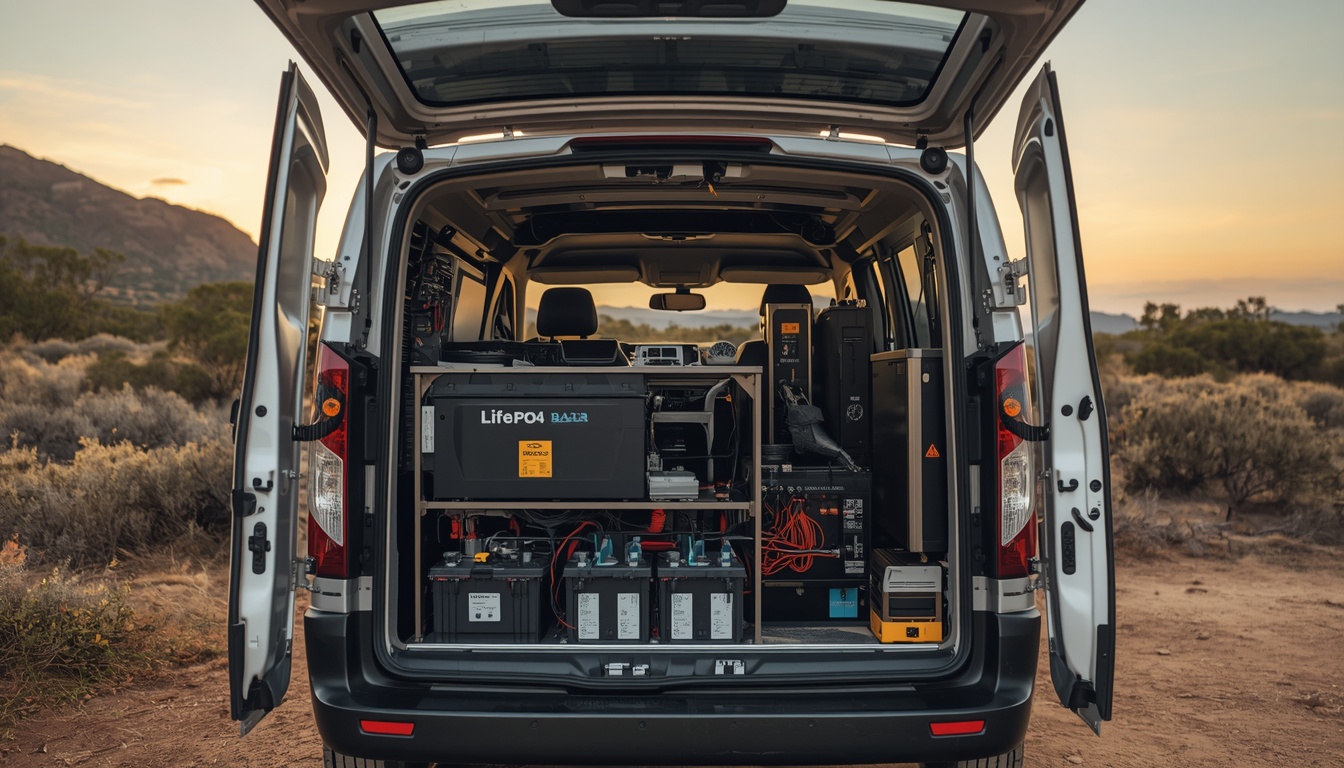
Energy costs are one of the most significant and partially controllable expenses for modern businesses. As electricity prices rise and grid reliability fluctuates, more organisations are turning to commercial solar batteries to stabilise costs and improve energy efficiency.
This guide explains exactly how commercial solar batteries reduce energy costs for businesses, where the real savings come from, and how to implement the right system for long-term financial returns.

How Solar Battery Storage Reduces Commercial Energy Expenses
At a basic level, commercial solar battery storage systems allow businesses to store excess solar energy generated during the day and use it when electricity is most expensive.
Without batteries, surplus solar power is typically exported to the grid at low feed-in tariffs. With batteries, that energy is retained and used internally, where it delivers far greater value.
1. Maximise Solar Self-Consumption:
Instead of exporting excess solar energy to the grid at low feed-in tariff rates, businesses can store unused daytime power in battery systems for later use. This stored energy can then be utilised during evenings, peak demand periods, or cloudy conditions when solar generation is limited.
By increasing self-consumption, businesses rely less on grid electricity, which is typically more expensive. As a result, a higher proportion of generated solar energy is used on-site, directly contributing to lower overall electricity costs.
2. Load Shifting and Peak Demand Optimisation:
Electricity costs for businesses are often driven by two key factors: peak demand charges and time-of-use (TOU) pricing. Commercial battery systems help address both through a strategy known as load shifting.
Instead of relying on grid electricity during high-cost periods, businesses can store excess solar energy or off-peak electricity and use it when demand and prices are highest. This reduces peak demand spikes while avoiding expensive peak-period tariffs.
By shifting energy usage away from high-cost periods, businesses can significantly lower demand charges and optimise overall electricity costs. This is particularly beneficial for operations with variable or high energy usage, such as manufacturing, cold storage, and processing facilities.
3. Provide Backup Power and Reduce Downtime Costs:
Power outages can be highly disruptive and costly, particularly for businesses in food and beverage operations, manufacturing, and data-sensitive industries where even short interruptions can lead to significant losses.
Battery systems help mitigate these risks by providing a reliable backup power source, ensuring continuous operations during outages. This helps reduce potential financial losses caused by downtime and protects critical systems, equipment, and inventory from unexpected power disruptions.
This is particularly important for industries where power interruptions can lead to significant operational and financial impact, as explained in our detailed guide on lithium batteries for emergency backup during blackouts.
4. Lower Grid Dependency:
The more energy a business generates and stores on-site, the less it needs to rely on the grid for its power needs. This reduced dependency provides a level of protection against rising electricity prices while giving businesses greater energy independence.
Over time, it also leads to more predictable operating costs, making it easier to manage budgets and plan for long-term expenses. Businesses looking to reduce operational expenses are increasingly adopting battery storage solutions, similar to the approaches discussed in our guide on managing rising energy prices in Australia.
What Impacts the ROI of a Commercial Battery System?
Not all battery systems deliver the same level of savings, and the return on investment depends on several key factors. These include system size and energy usage, battery technology, energy tariff structure, and the system’s integration with existing solar infrastructure.
- System Size and Energy Usage: System size and energy usage directly impact how effective a commercial battery system is. Businesses with higher energy demand often need larger storage capacity, but proper load analysis is essential to ensure the system is optimised for maximum efficiency and ROI.
- Battery Technology: Modern commercial energy storage systems typically use LiFePO4 batteries due to their long cycle life, strong thermal stability, and consistent performance, making them a reliable and cost-effective choice for long-term business use.
- Energy Tariff Structure: The level of savings from a battery system largely depends on the energy tariff structure. Businesses benefit more when peak electricity rates are high, feed-in tariffs are low, and demand charges form a significant part of the bill.
- Integration with Solar Systems: Businesses achieve the best results by integrating battery storage with commercial solar PV systems. When combined with smart inverters and energy management systems, businesses can optimise energy usage, reduce waste, and maximise overall efficiency. To learn further, read our article on the role of lithium batteries in solar power systems.

Industries That Benefit Most from Commercial Solar Batteries
While nearly all businesses can benefit from battery storage, some industries tend to see faster ROI due to higher energy usage, peak demand charges, or the need for a consistent power supply:
- Manufacturing: High energy usage and peak demand charges
- Food & Beverage: Need for uninterrupted power and refrigeration
- Retail & Warehousing: Evening energy usage patterns
- Off-grid Operations: Remote locations with high energy costs
- Solar Installers & Integrators: Offering value-added storage solutions
How to Choose the Right Commercial Solar Battery System
A poorly designed system can significantly limit potential savings and reduce overall efficiency. To maximise performance and return on investment, businesses should focus on the following key factors:
|
Factor |
What to Look For |
Why It Matters |
| Scalability | Systems that can expand with your energy needs | Supports future growth without requiring full system replacement |
| Battery Management System (BMS) | Reliable BMS with safety and monitoring features | Ensures safety, optimises performance, and extends battery lifespan |
| Compatibility | Integration with solar systems, inverters, and chargers | Prevents system inefficiencies and ensures smooth operation |
| Installation and Support | Expert guidance and ongoing support | Helps with correct sizing, proper setup, and long-term reliability |
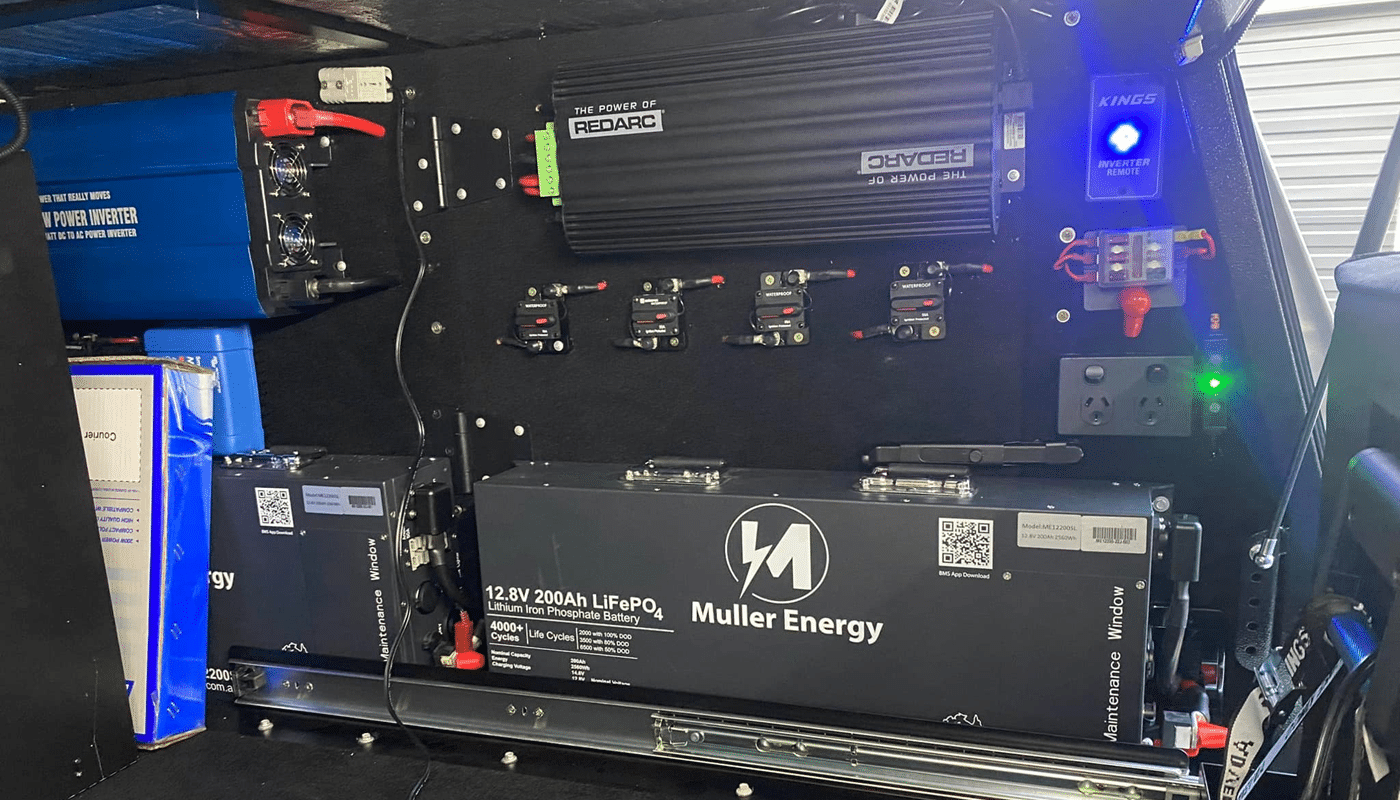
Why Muller Energy Is a Smart Choice for Industrial Energy Storage Solutions
When evaluating commercial solar battery solutions, supplier capability plays a major role in long-term performance and cost savings. Muller Energy supports Australian businesses with tailored energy solutions designed for reliability and scalability.
This is important for cost reduction because, rather than offering one-size-fits-all systems, Muller Energy focuses on aligning energy solutions with each business’s specific usage patterns.
Muller Energy’s approach includes flexible, customisable system designs, cost-efficient bulk purchasing options, and dedicated B2B support for system planning and optimisation. This ensures businesses get a solution that not only performs efficiently from the start but continues to deliver savings as energy needs evolve.
The product ecosystem includes:
- High-performance LiFePO4 batteries for long lifecycle and efficiency
- Advanced BMS systems for safety and control
- Compatible inverters, chargers, and solar panels
- DIY and professional-grade accessories for flexible installations
This integrated approach helps businesses optimise system performance from day one while avoiding costly mismatches between components and allowing systems to scale as energy needs grow.
Muller Energy’s products are engineered for Australian conditions and built with durable materials, including premium stainless steel casing, ensuring long-term reliability. They are also backed by strong warranties and responsive customer support, giving businesses added confidence in their investment.
For organisations aiming to reduce energy costs through battery storage, working with a supplier that combines high-quality hardware with strategic guidance can significantly improve overall return on investment.
📥 Download the Muller Energy catalogue to view detailed product specifications, system configurations, and solution options created for commercial applications.
Contact Muller Energy
If you’re exploring commercial solar battery solutions or need expert guidance tailored to your business, you can reach out to Muller Energy directly:
📲 Phone: +61 493 274 334
📧 Email: [email protected]
📌 HQ Location: 38/3 Cal Close, Somersby NSW 2250
Common Mistakes to Avoid
- Undersizing or oversizing the system
- Ignoring demand charges in ROI calculations
- Choosing low-quality battery technology
- Lack of integration with energy management systems
- Focusing only on upfront cost instead of lifecycle value
Future Trends in Commercial Energy Storage
Businesses adopting battery storage today are better positioned to manage rising energy costs and increasing grid instability.
Australia’s energy mix is shifting rapidly, with renewable generation increasing from 6.3% in 2014 to 31.4% in 2024, while coal’s share has declined significantly over the same period, based on research published on ScienceDirect. As renewable penetration increases, energy supply becomes more variable, making storage solutions more important than ever.
With electricity demand expected to nearly double by 2050, commercial battery systems are becoming essential for managing energy use, improving reliability, and controlling long-term costs.
FAQs
1. How much can businesses save with commercial solar batteries in Australia?
Most businesses reduce electricity costs by lowering peak demand charges and increasing solar self-consumption, with savings typically depending on tariff structure and usage patterns.
2. Are lithium batteries better for commercial use?
Yes. LiFePO4 batteries are widely preferred due to longer lifespan, higher efficiency, and improved safety compared to traditional battery types.
3. How long do commercial solar batteries last?
Most high-quality lithium batteries last between 8–15 years, depending on usage cycles, depth of discharge, and overall system design. Proper maintenance and a well-configured system can further extend their lifespan.
4. Can batteries work without solar panels?
Yes, batteries can operate without solar panels by charging from the grid. However, maximum cost savings and efficiency are typically achieved when batteries are paired with solar systems to store and use self-generated energy.
5. Is battery storage suitable for small businesses?
Yes, battery storage is suitable for small businesses. Scalable systems allow businesses to start with a smaller setup and expand over time as energy needs grow, making it a flexible and cost-effective solution.