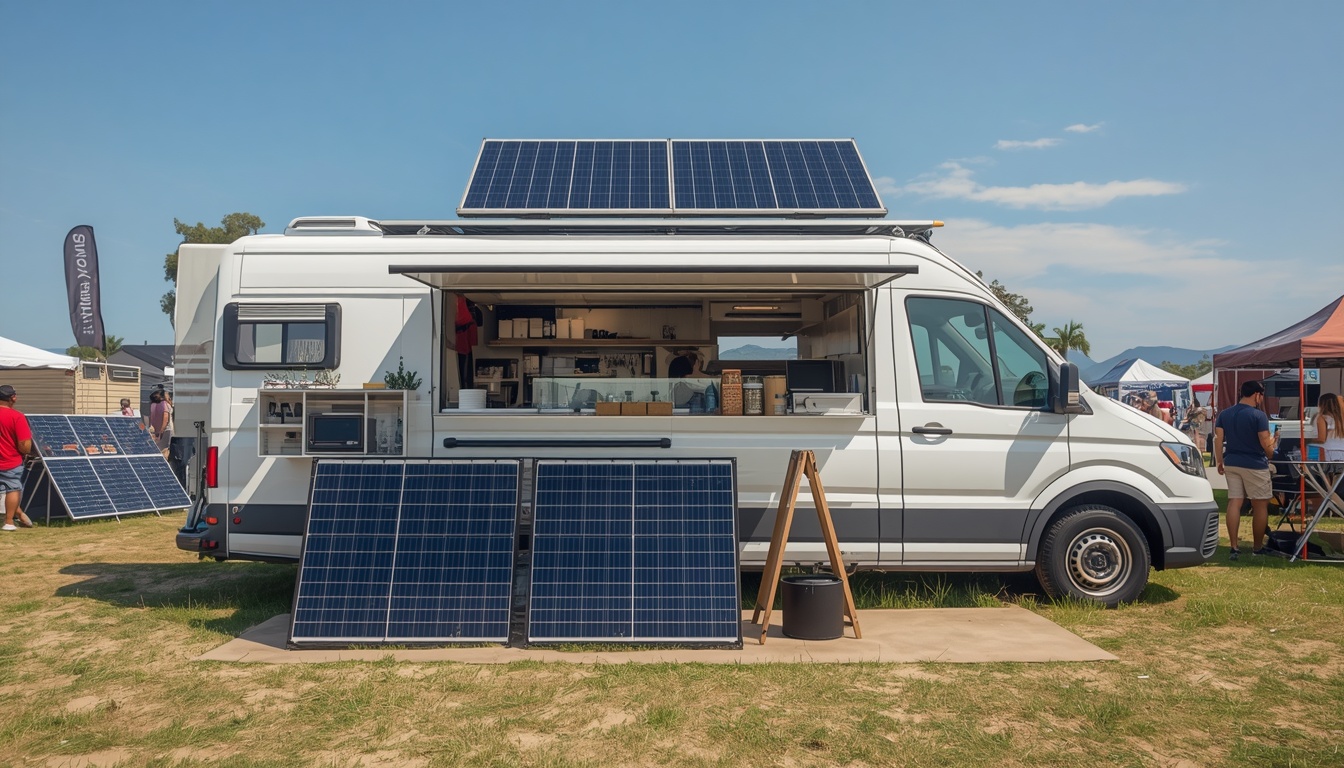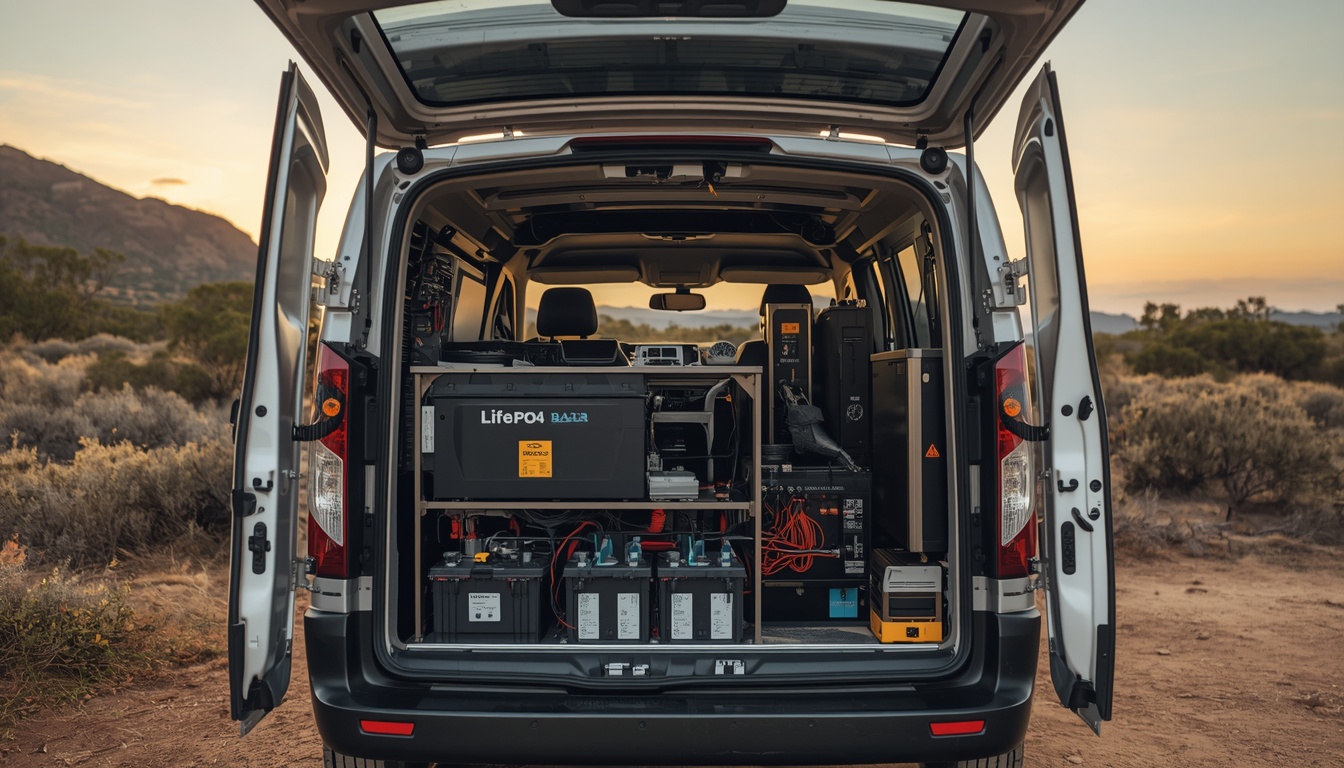
Lithium batteries are increasingly powering everything from solar energy storage systems to caravans, 4WDs, boats, and home backup solutions. For many buyers, one of the biggest decisions is whether LFP or NMC battery technology is the better fit for their needs.
The answer depends heavily on where and how the battery is used.
Australian conditions can be demanding on battery systems, making battery chemistry an important factor for reliability, durability, risk management, and long-term performance.
This guide compares LFP vs NMC batteries across performance, safety, lifespan, temperature tolerance, cost, and practical use cases.
What Are LFP Batteries?
LFP batteries use lithium iron phosphate cathodes and are widely used in applications where durability, consistent performance, and long service life are priorities. They are commonly found in solar energy storage, caravans, 4WD systems, marine applications, backup power systems, and remote energy setups.
Compared with many other lithium battery chemistries, LFP batteries are widely used in stationary and deep-cycle energy storage applications. They generally offer lower energy density than NMC batteries but are valued for their suitability in applications requiring frequent cycling.
What Are NMC Batteries?
NMC batteries use a combination of nickel, manganese, and cobalt in their cathodes. This chemistry is widely used in electric vehicles, portable electronics, power tools, and applications where weight and compact size are important considerations.
The biggest advantage of NMC batteries is their higher energy density, allowing more energy storage in a smaller and lighter battery pack.
They can also support faster charging in many applications. However, battery performance can vary depending on operating conditions, battery design, and intended application.

LFP vs NMC Batteries for Australian Conditions
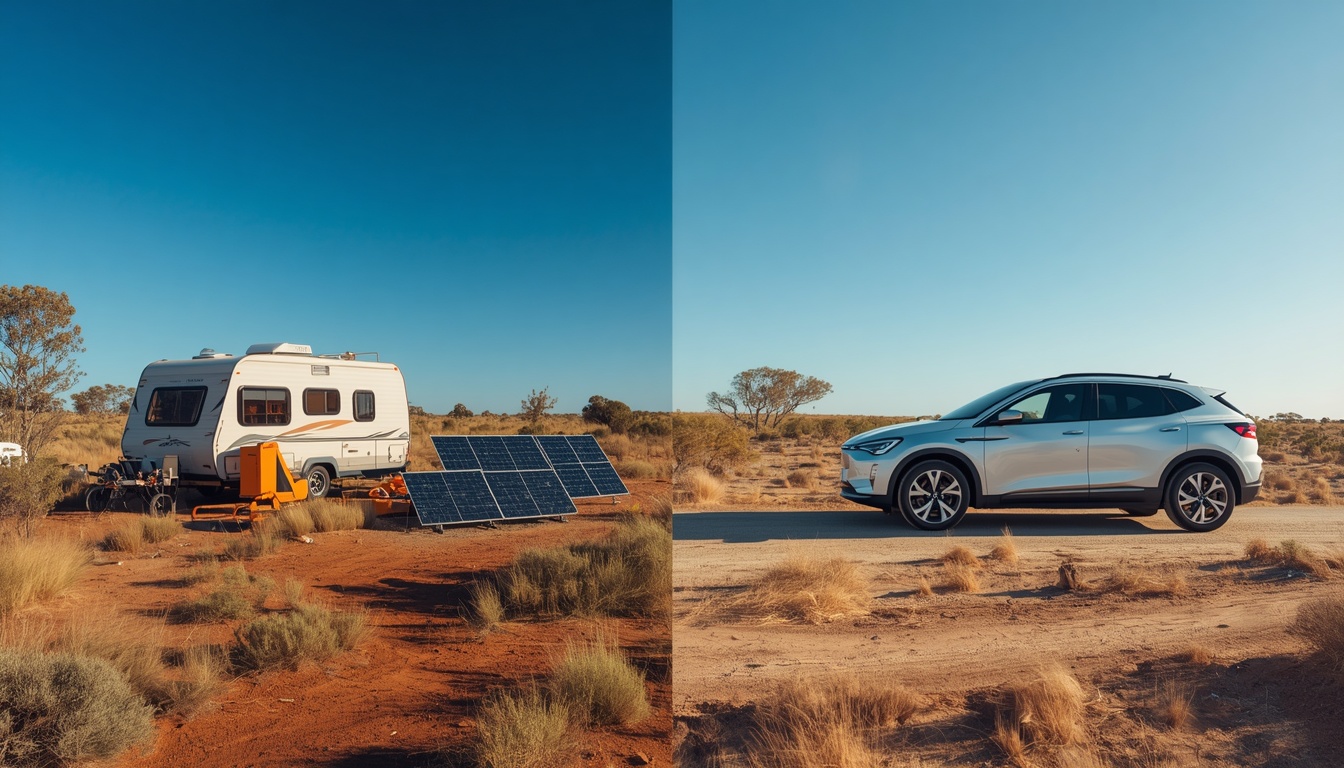
Australia’s climate and travel conditions can place additional demands on energy storage systems, with factors such as high temperatures, remote travel, and frequent cycling placing additional stress on energy storage solutions. Understanding how LFP and NMC batteries perform in these environments can help you choose the right option for your needs.
1. Heat Resistance and Thermal Stability
Australian conditions can place significant stress on battery systems due to extreme temperatures and demanding operating environments. Batteries are often exposed to hot caravans, enclosed battery compartments with limited airflow, high ambient temperatures during summer, remote off-grid installations, and extended periods of heat exposure.
These conditions can significantly affect battery performance, lifespan, operating stability, and overall durability, making temperature tolerance an important factor when choosing battery chemistry.
LFP generally performs better under these conditions.
Why?
- Higher thermal stability
- Better tolerance to sustained heat exposure
- More consistent performance in high-temperature environments
NMC batteries can operate safely when properly engineered but typically require more thermal management.
Winner: LFP

Related Articles:
- Why LFP Batteries Are Becoming Australia’s Standard for Off-Grid Energy
- What Causes a Lithium-Ion Battery Degradation?
- Which Lithium Battery Is the Best?
2. Lifespan and Cycle Life
Cycle life matters when batteries are charged and discharged frequently.
Typical comparisons:
| Battery Chemistry | Typical Cycle Life |
| LFP | 3000–8000+ cycles |
| NMC | 1000–2500 cycles |
For solar systems, recreational vehicles, camping setups, and remote power applications, this difference becomes significant. A battery cycled daily may remain useful far longer with LFP chemistry.
Winner: LFP
3. Energy Density and Weight
Energy density measures how much energy fits into a given size or weight.
NMC offers:
- Higher energy density
- Smaller battery packs
- Reduced weight
This explains why many electric vehicles use NMC chemistry. If minimising weight is the primary goal, NMC often performs better.
Winner: NMC
4. Safety Considerations
Risk reduction is an important consideration when batteries are used in caravans, camper trailers, boats, home battery systems, and other enclosed installations where battery placement and operating conditions can vary significantly. In these applications, battery chemistry and system design play a major role in reducing risk and supporting long-term performance.
LFP’s stronger thermal stability contributes to its reputation as one of the safer lithium battery chemistries for energy storage applications. While proper installation and battery management remain important, LFP is often selected where safety and reliability are key considerations.
Winner: LFP
5. Charging Speed
Charging speed varies significantly between battery designs, cell formats, and battery management systems. While NMC chemistry is often associated with faster charging capabilities in applications such as electric vehicles, modern LFP batteries can also support rapid charging when designed appropriately.
For most caravan, solar, marine, and off-grid systems, charging equipment and battery design often have a greater impact on charging speed than battery chemistry alone.
Winner: Depends on the Application
6. Cost Per Lifetime Cycle
| Battery Chemistry | Typical Cost | Cycle Life | Long-Term Value |
| LFP | Moderate | High | Excellent |
| NMC | Moderate to High | Lower | Moderate |
Purchase prices vary depending on battery size, quality, and application. While LFP batteries were historically more expensive in some markets, they are now often competitively priced and can provide a lower cost per cycle because of their longer lifespan.
Winner: LFP
7. Environmental Impact
LFP batteries do not contain cobalt and generally use more widely available raw materials. NMC batteries rely on nickel and cobalt, which can have greater environmental and supply-chain concerns. However, overall environmental impact also depends on manufacturing processes, battery lifespan, and recycling practices.
Winner: LFP

Chosen LFP? The Next Step Is Choosing the Right Supplier
Selecting the right battery chemistry is only part of the decision. Long-term performance also depends on factors such as battery quality, BMS design, warranty coverage, technical support, component compatibility, and the overall quality of the system being installed.
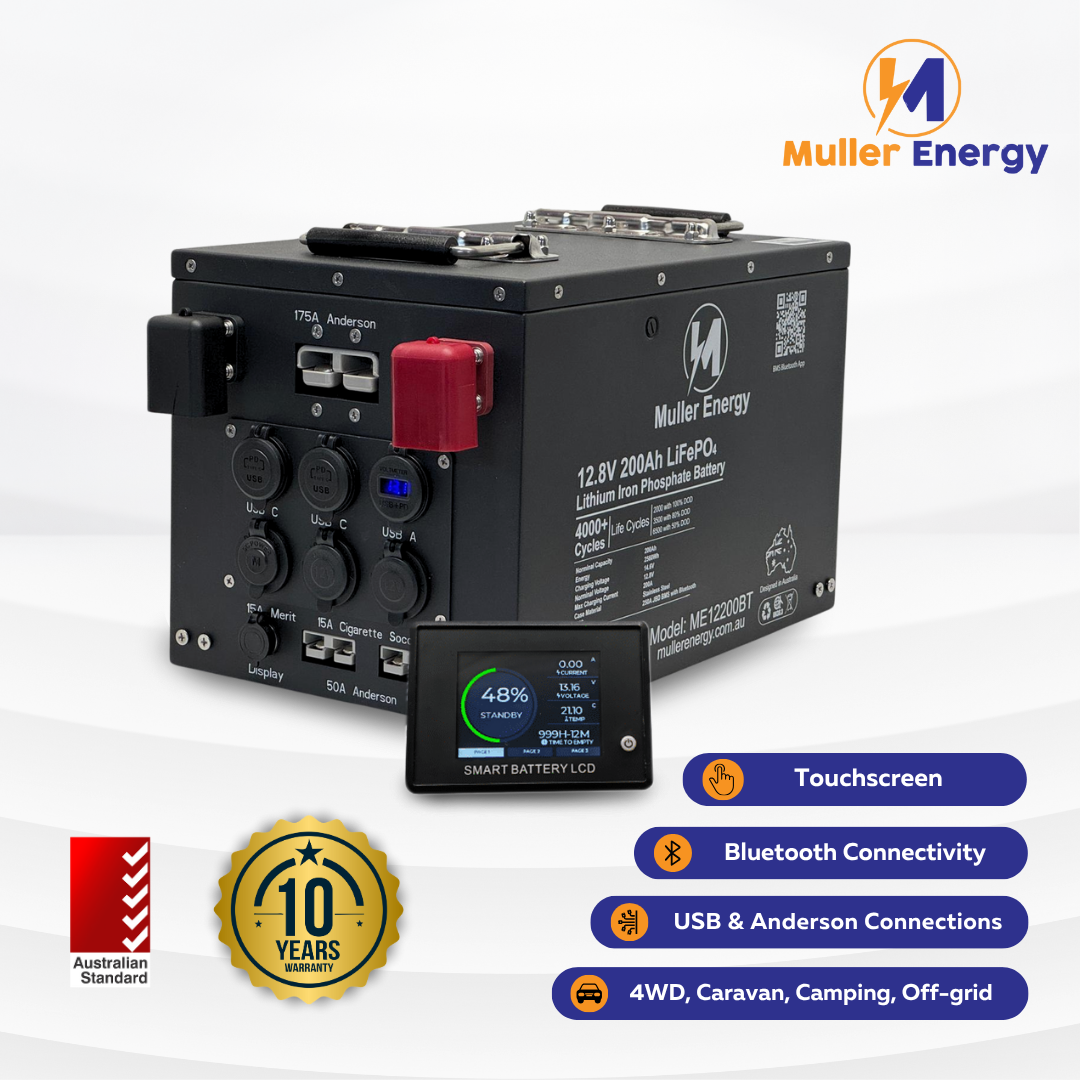
Muller Energy specialises in LiFePO4 battery solutions designed for Australian conditions, with products suited to caravans, 4WDs, camper trailers, marine applications, solar energy storage, and off-grid power systems.
In addition to lithium batteries, we also offer battery cells, BMS units, solar panels, chargers, inverters, cables, and related accessories that can support a complete power system setup.
We focus on Australian-designed solutions, local customer support, and products intended for demanding operating environments. Products are backed by a 10-year Australian warranty, Australia-wide shipping, a 30-day return policy, and personalised technical assistance to help customers select the right setup for their needs.
Frequently Asked Questions
1. Which battery chemistry is easier to maintain?
Both LFP and NMC batteries typically require less maintenance than traditional lead-acid batteries. However, battery lifespan and performance still depend heavily on charging practices, installation quality, and system design.
2. Do LFP batteries perform poorly in cold weather?
LFP batteries generally perform well in many environments, but charging performance can decrease at low temperatures. Some systems use heating functions or temperature protections to improve operation in colder conditions.
3. Can I replace a lead-acid battery with an LFP battery?
In many cases, yes, because many LiFePO4 batteries are designed as drop-in replacements. However, compatibility with chargers, DC systems, and existing electrical setups should be verified before upgrading.