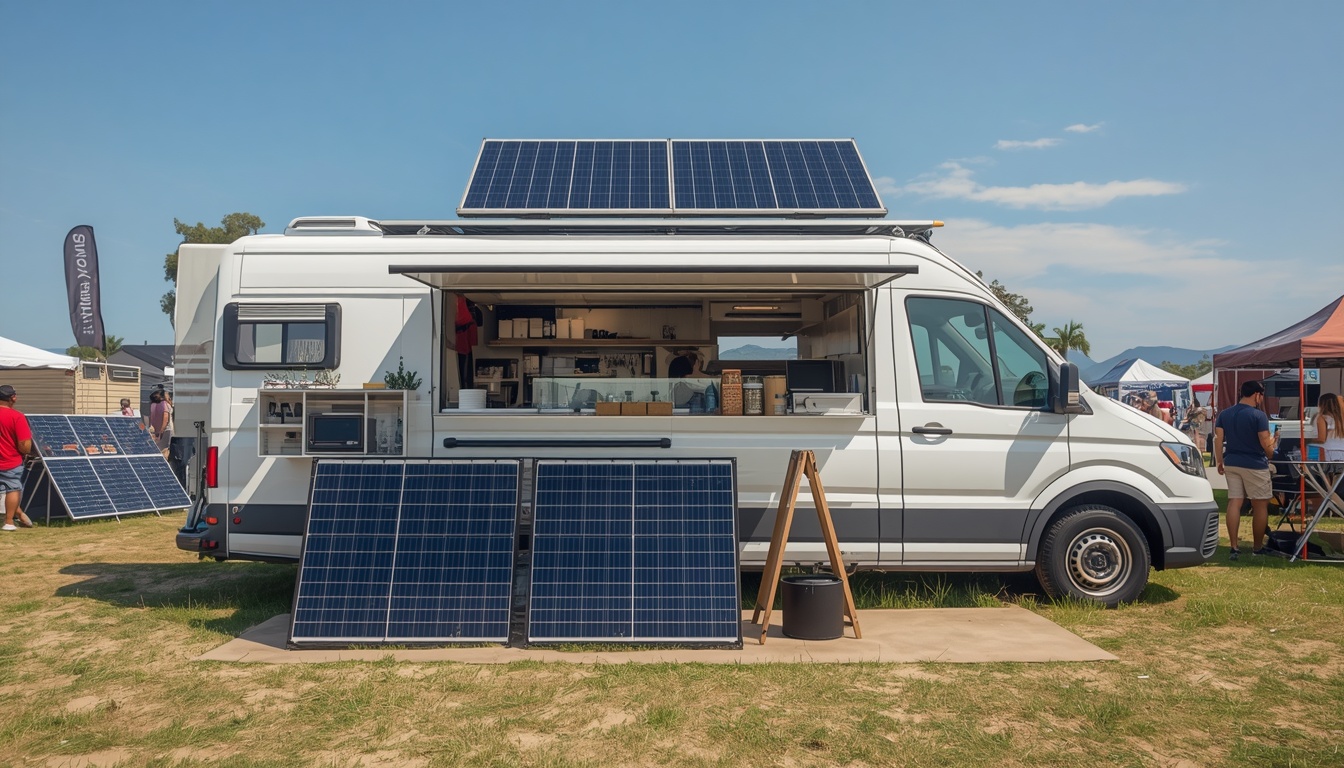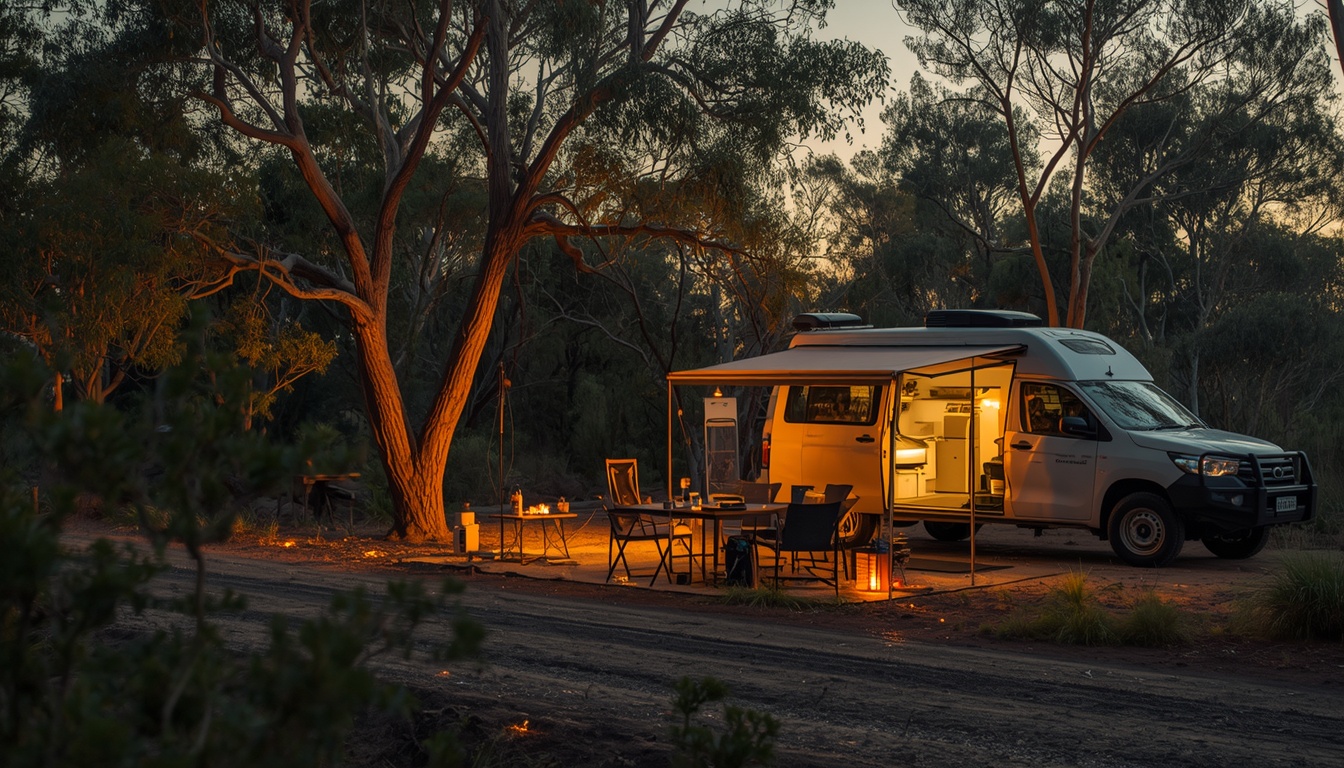
Flexible photovoltaic panels are becoming increasingly popular across Australia for caravans, motorhomes, boats and off-grid applications where solar equipment must handle harsh weather, limited space and mobile conditions. But are flexible solar panels actually worth the investment?
The answer depends on your application. For weight-sensitive installations, curved surfaces and mobile environments, flexible photovoltaic panels can provide significant advantages. However, they are not automatically the best option for every solar system.
Understanding their construction, durability, efficiency and suitability for Australian conditions can help you choose the right solar solution.
3 Factors to Consider When Choosing Flexible Solar Panels in Australia
Australia’s harsh climate can be challenging for solar equipment due to intense UV exposure, high summer temperatures, dust, red dust in inland regions, coastal salt conditions and vibration from travelling. Choosing the right flexible solar panel is therefore essential to ensure reliable long-term performance.
In many parts of Australia, ambient temperatures can exceed 40°C during summer, placing additional stress on solar equipment installed on exposed surfaces.
When choosing a flexible solar panel for Australian applications, consider factors such as UV resistance, heat performance, construction materials and correct installation methods to ensure long-term reliability.
1. UV Resistance
Australian sunlight can be harsh, particularly in remote and off-grid locations where solar equipment is exposed for long periods with limited protection from environmental conditions. Quality flexible panels use protective layers and durable materials designed to maintain performance under strong UV exposure.
2. Heat Management
Solar modules naturally operate at higher temperatures than the surrounding air. Australian summers can expose installations to high operating temperatures, particularly when mounted on vehicle roofs or surfaces with limited airflow.
A well-designed flexible photovoltaic panel should use materials that can withstand elevated temperatures while maintaining reliable energy generation. Installation also plays an important role, as allowing appropriate airflow and following manufacturer recommendations can help maintain long-term performance.
3. Installation Quality
Incorrect installation is one of the common causes of solar panel problems in mobile Australian applications. Caravan and motorhome solar installations experience vibration, movement and changing weather conditions, making correct mounting methods and manufacturer-approved installation procedures important.
Flexible panels should always be installed according to manufacturer guidelines, using suitable mounting methods, correct support spacing and appropriate adhesives or fixing systems.
For example, some flexible panels require regular support points to maintain structural stability and reduce stress on the panel during use. Following the recommended installation process helps improve reliability and long-term performance.
Related Reading: Want to compare materials, durability and build quality before buying? Read our guide on What to Look for When Buying Flexible Solar Sheets.

Match Your Solar Panel With Your Complete Energy System
In Australian caravan, marine and off-grid applications, flexible solar panels need to be matched with the rest of the electrical system to achieve dependable performance. Solar generation capacity should be correctly sized according to battery capacity, charging equipment, energy usage and inverter requirements.
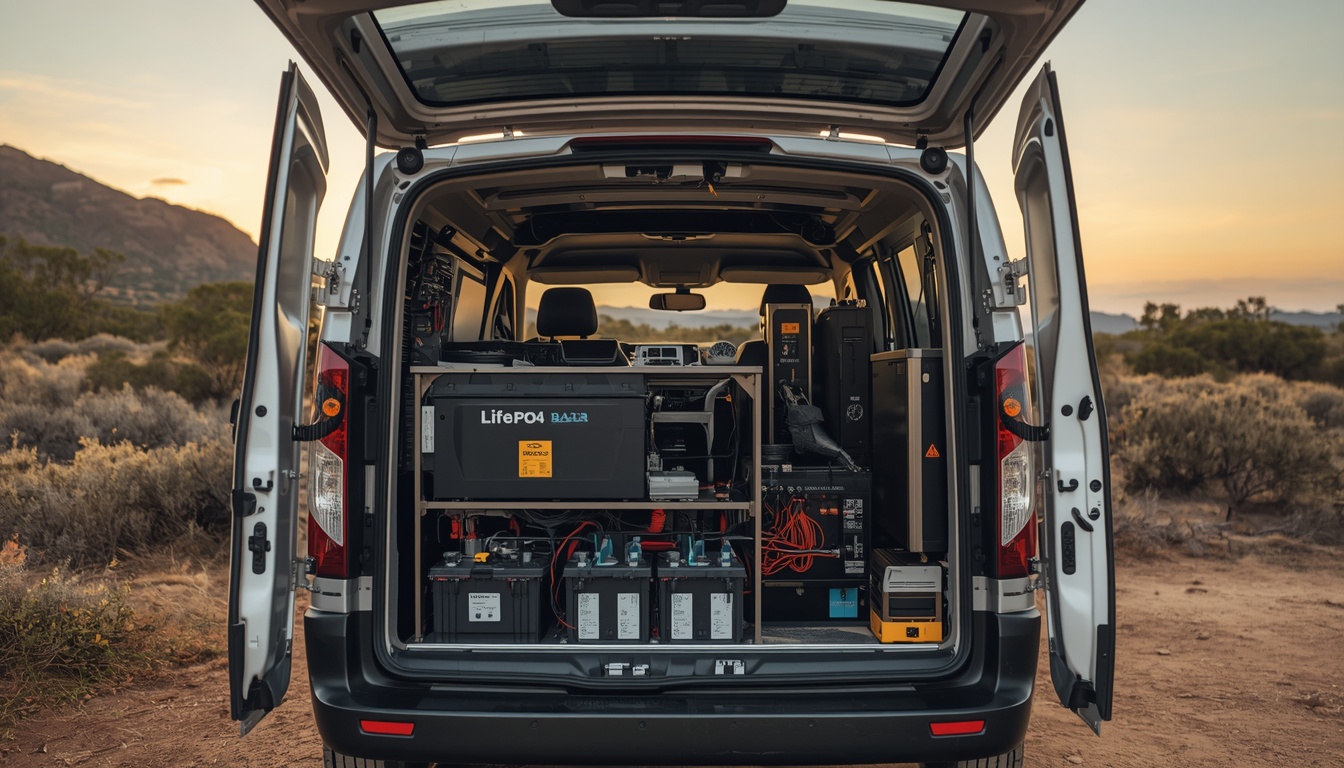
For mobile Australian applications, lightweight flexible solar panels paired with a quality LiFePO4 battery and a suitable MPPT charge controller can help create an efficient and reliable power system that meets daily energy needs.
Related Reading: If you’re deciding between permanently mounted panels and portable solar options, see our comparison of Solar Panel Blankets vs Flexible Solar Panels.
Need Help Choosing the Right Flexible Solar Panel?
Choosing a flexible photovoltaic panel involves more than simply selecting the highest wattage option. The right choice depends on factors such as available roof space, battery capacity, daily energy consumption, mounting surface, travel conditions and charging requirements.
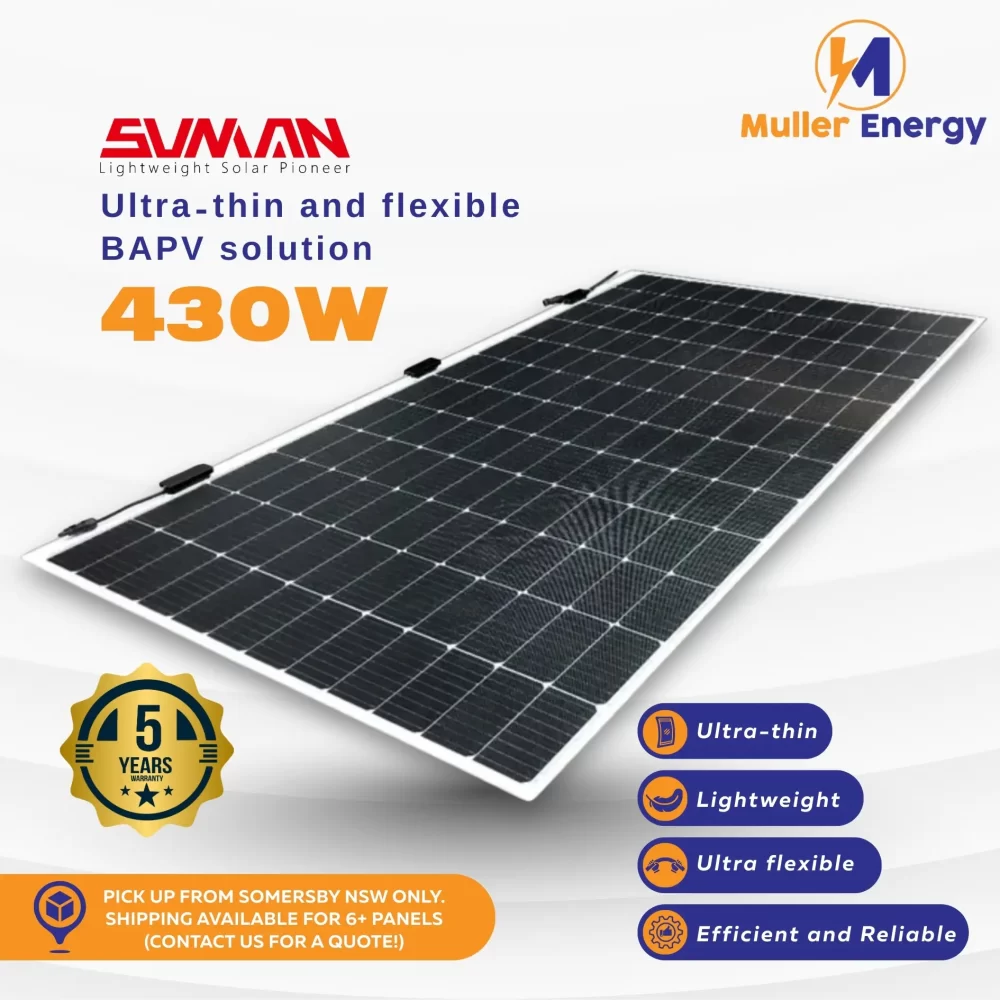
Muller Energy supplies Sunman eArc flexible solar panel solutions designed for caravans, motorhomes, marine vessels and off-grid systems where lightweight construction and installation flexibility are key considerations.
Available options include:
- Sunman eArc 430W Flexible Solar Panel: A lightweight 7.3kg, 2mm-thick solar panel designed for applications where reducing roof weight and maximising available space are important.
- Sunman eArc 520W Flexible Solar Panel: A higher-output 520W solar panel featuring lightweight, glass-free composite construction for users who need more power while keeping installation weight low.
Both panels are designed for Australian mobile applications where reducing weight, improving installation flexibility and maintaining reliable solar performance are key considerations.
Muller Energy can also help customers match flexible solar panels with compatible lithium batteries, MPPT charge controllers, chargers and other components to create a reliable solar power system.

Final Thoughts
Flexible photovoltaic panels are worth considering for Australian caravans, motorhomes, boats and off-grid systems where lightweight construction, harsh weather exposure and installation limitations make traditional solar panels less practical.
They are not a universal replacement for rigid solar panels, but they provide a practical solution where weight, shape or installation limitations make conventional panels less suitable for some mobile Australian applications. The best results come from selecting a quality panel and matching it with the correct battery, charger and overall system design.
FAQs
Q1: Are flexible photovoltaic panels waterproof?
Most quality flexible photovoltaic panels are designed to withstand rain and moisture, but they should always be installed according to the manufacturer’s guidelines to prevent water damage and ensure long-term reliability.
Q2: Are flexible solar panels better than rigid solar panels?
It depends on the application. Flexible panels are ideal where weight, portability or curved surfaces are important, while rigid panels generally offer higher efficiency, greater durability and a longer lifespan for fixed installations.
Q3: What maintenance do flexible photovoltaic panels require?
Routine maintenance includes cleaning dirt, dust and debris, inspecting electrical connections and checking for signs of wear or physical damage to maintain optimal performance.
Q4: Do flexible solar panels require ventilation?
Yes. Adequate airflow beneath the panel helps reduce heat build-up, improving efficiency and extending the lifespan of the solar panel.
Q5: Are flexible photovoltaic panels easy to install?
Flexible photovoltaic panels are generally easier to install than rigid panels because they are lightweight and can be mounted using adhesives or low-profile fixing systems. However, installation should always follow the manufacturer’s recommendations.