Flexible solar sheets have become a practical power solution for people who need lightweight, space-efficient, and adaptable solar energy. But not all flexible panels are built the same. Choosing the wrong one can lead to poor output, early failure, or wasted money.
This guide explains exactly what to look for when buying flexible solar sheets, so you can make a confident, informed decision without technical guesswork.
What Are Flexible Solar Sheets?
Flexible solar sheets are thin, lightweight photovoltaic panels designed to bend slightly, making them ideal for installation on curved or weight-restricted surfaces. Unlike traditional rigid glass panels, they typically use high-efficiency monocrystalline solar cells encapsulated within advanced polymer layers that provide flexibility, durability, and weather resistance.
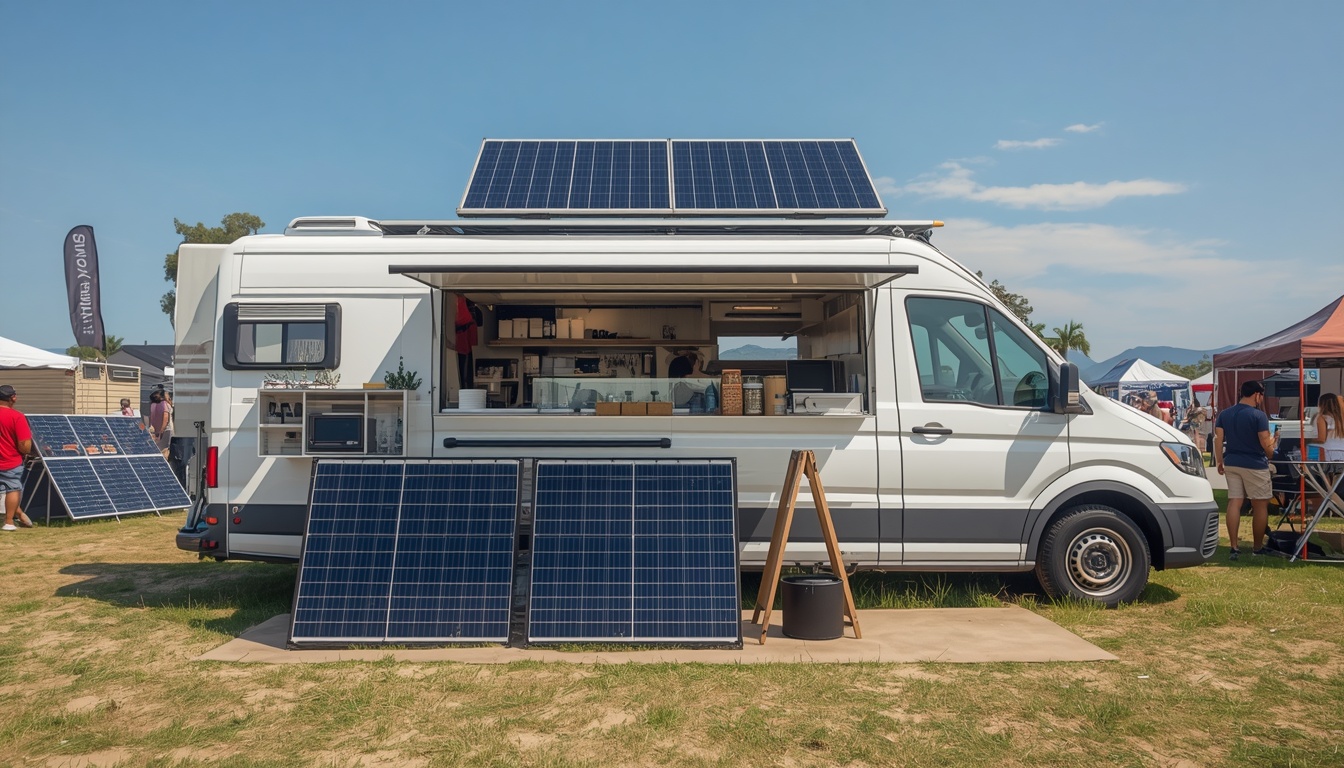
Because of their low profile and reduced weight, flexible solar sheets are widely used on caravans and campervans, marine vessels and yachts, buses and specialty vehicles, as well as lightweight roofs and portable solar power systems where conventional panels are impractical or unsuitable.
How Flexible Solar Sheets Work
Flexible solar sheets convert sunlight into DC electricity using photovoltaic cells, usually high-efficiency monocrystalline cells. When exposed to sunlight, the cells generate an electrical current that flows through internal wiring to a charge controller.
The charge controller regulates voltage and current, ensuring safe and efficient charging of the connected battery system, where the energy is stored for later use.
What to Look for When Buying Flexible Solar Sheets (Key Criteria)
1. Solar Cell Type and Efficiency
Always check the solar cell technology used in a flexible solar sheet before purchasing. Monocrystalline cells are generally preferred because they offer higher efficiency, better low-light performance, and more consistent output in real-world conditions.
Be cautious of vague descriptions such as “high-efficiency cells” that are not supported by clear specifications, as the lack of technical detail often indicates lower-quality or unverified cell performance.
What to look for:
- Consistent cell layout
- Published efficiency range
- Reputable cell manufacturers

2. Flexibility Rating (Not Just “Flexible”)
“Flexible” does not mean a solar sheet can be bent freely or folded without limits. Each flexible solar sheet has a maximum bend radius, often specified in degrees or millimetres, that defines how much curvature it can safely handle.
It is essential to follow the manufacturer’s mounting and support guidelines during installation. Exceeding the recommended bend limits can create microcracks in the solar cells, which may not be visible but can cause permanent power loss and reduced panel lifespan.
3. Weight and Thickness
One major advantage of flexible solar sheets is low weight.
Typical high-quality ranges:
- Weight: 2–10 kg (depending on wattage)
- Thickness: 2–4 mm
Excessively heavy sheets may indicate outdated materials or unnecessary layers.
4. Power Output vs. Rated Wattage
Many buyers assume that a panel’s rated wattage directly reflects real-world performance, but this is often not the case, especially with flexible solar sheets.
Actual output is influenced by factors such as the temperature coefficient, which determines how much performance drops as panel temperature rises, realistic daily energy production under normal conditions, and how consistently power is generated across the entire panel surface.
As a result, a well-engineered 150W flexible solar sheet with good heat management and high-quality cells can outperform a poorly constructed 180W panel in everyday use.
5. Mounting Method Compatibility
Flexible solar sheets can be mounted using:
- Adhesive bonding
- Mechanical fasteners
- Velcro or removable systems
Check:
- Backing material compatibility with adhesives
- Manufacturer-approved mounting methods
- Whether removal damages the panel
Incorrect mounting is a frequent cause of premature failure.
6. Warranty and Manufacturer Credibility
Flexible solar sheets experience greater mechanical and environmental stress than rigid panels, which makes warranty support especially important when choosing a product.
Buyers should review the length of the product warranty, the terms of the power output or performance warranty, and the manufacturer’s track record, including the quality and clarity of their technical documentation.
A strong, clearly defined warranty typically reflects the manufacturer’s confidence in the panel’s materials, construction quality, and long-term reliability.
7. Waterproofing and IP Rating
Flexible solar sheets are often installed in harsh, exposed environments, including rooftops, marine settings, and mobile applications where rain, humidity, dust, and vibration are constant factors. For this reason, waterproofing should never be assumed.
Buyers should check for properly sealed junction boxes, durable cable entry points, and marine-grade connectors when panels are used near water or in coastal conditions. Clear waterproofing or ingress protection standards indicate that the panel has been designed with long-term exposure in mind.
Once moisture enters a flexible solar panel, the damage is typically permanent and cannot be repaired, making waterproof construction a critical buying consideration.

8. Electrical Compatibility
Ensure compatibility with your system:
- Voltage (12V, 24V systems)
- Charge controller type (MPPT recommended)
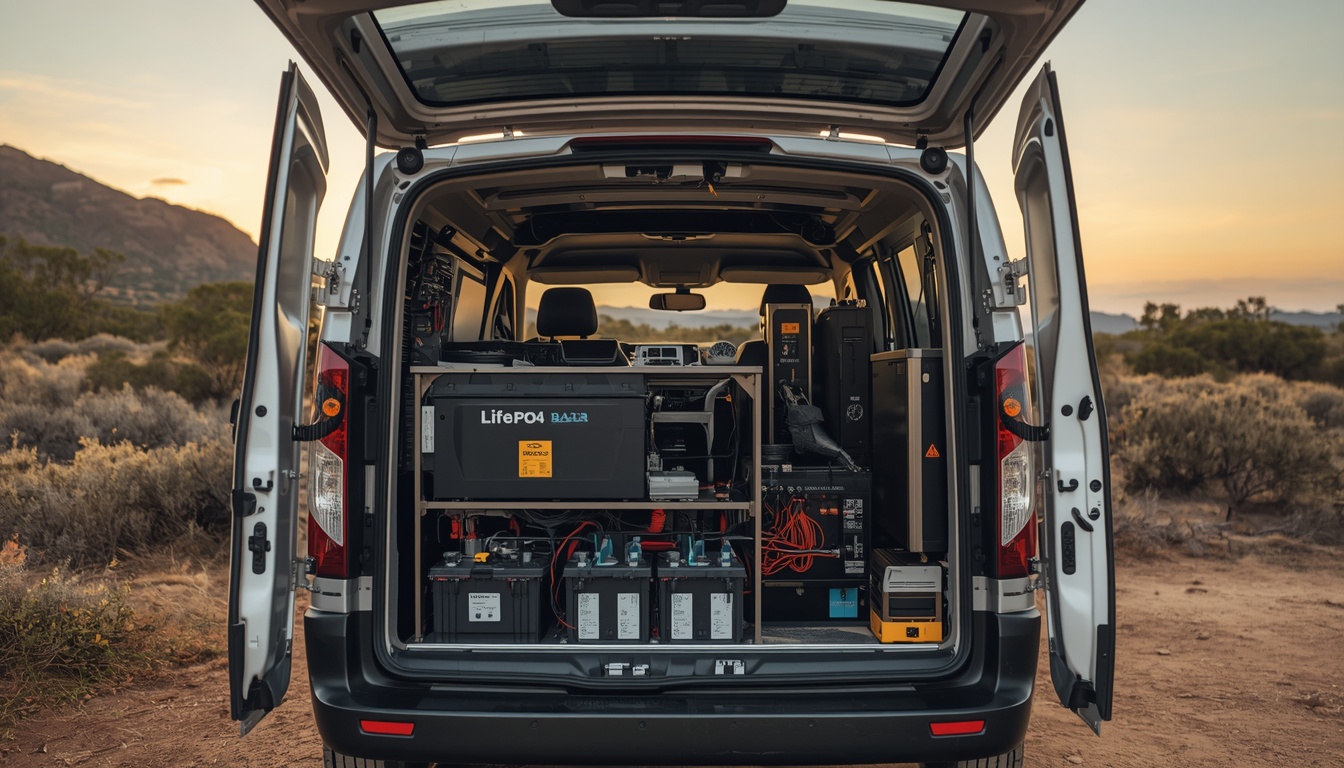
- Lithium battery charging profiles
Flexible solar sheets are commonly used with lithium batteries, so stable voltage output is essential.
9. Material Quality and Encapsulation
The outer layers of a flexible solar sheet play a critical role in protecting the solar cells from moisture ingress, which can lead to corrosion and electrical failure, salt exposure in marine environments, where airborne salt accelerates material degradation, and mechanical stress caused by vibration, movement, or slight flexing during operation.
High-quality outer layers help maintain structural integrity, prevent delamination, and ensure consistent electrical performance over time, especially in mobile, marine, and off-grid applications where environmental exposure is unavoidable.
Considering Professional-Grade Flexible Solar Sheets?
For larger or long-term installations, buyers often choose commercial-grade flexible solar sheets designed for heat, vibration, and high-output performance.
Founded in 2020, Muller Energy focuses on engineered energy solutions rather than mass-market solar hardware. Our company has built a strong reputation in Australia, reflected in its 4.9-star Google rating, by supplying products designed for demanding real-world conditions.
Muller Energy supplies flexible solar technology based on Sunman eArc glassless modules, which are notable for passing the same core durability testing used for conventional glass solar panels. This provides added confidence for applications exposed to heat, vibration, moisture, or harsh operating conditions.
Two flexible solar sheet options are available:
- Sunman 430W Flexible Solar Panel – suited for caravans, marine systems, and lightweight structures where roof space is limited.
- Sunman 520W Flexible Solar Panel – designed for higher-capacity systems such as buses or large mobile platforms, helping reduce panel count and wiring complexity.
These panels are typically chosen after system requirements are clearly defined, especially where replacement or failure would be costly.
Contact us for more information!

Who Should Use Flexible Solar Sheets?
The table below clearly shows when flexible solar sheets are the right choice and when a traditional rigid solar panel is more suitable.
Ideal Use Cases for Flexible Solar Sheets |
Where Flexible Solar Sheets Are Not Ideal |
| Limited roof load capacity on caravans, campervans, or boats | Fixed ground-mounted solar systems |
| Low-profile installations where height clearance matters | Large-scale residential or commercial solar arrays |
| Curved or uneven surfaces that cannot support rigid panels | Installations with no weight or space restrictions |
| Residential and commercial installations with weight or structural limitations | Permanent structures designed for framed glass panels |
‘‘Flexible solar sheets are ideal for weight-sensitive, curved, or mobile installations. If your roof can support heavier panels or you prefer traditional setups, you might also consider rigid solar panels. Learn more in our Flexible vs Rigid Solar Panels guide.’’
Buying flexible solar sheets requires more than selecting the highest wattage on paper. By evaluating cell technology, efficiency, materials, durability, electrical compatibility, and installation requirements, you ensure long-term performance and dependable energy generation.
A well-chosen flexible solar sheet delivers reliable power, reduced weight, and exceptional versatility, making it an ideal solution for modern mobile and off-grid energy systems.
Frequently Asked Questions
1. Are flexible solar sheets less durable than rigid panels?
They can be, but high-quality flexible solar sheets built with advanced composite materials, proper encapsulation, and effective heat management can deliver a reliable lifespan, especially in mobile and vibration-prone applications.
2. Can flexible solar sheets charge lithium batteries?
Yes. Flexible solar sheets can efficiently charge lithium battery systems when paired with a compatible MPPT charge controller and correctly matched system voltage and wiring.
3. Do flexible solar panels work in partial shade?
Like all solar panels, shading will reduce output. However, monocrystalline solar cells used in most flexible solar sheets perform better than polycrystalline cells in low-light and partially shaded conditions.
4. How long do flexible solar sheets typically last?
Premium flexible solar sheets typically last 5–10 years, depending on factors such as installation quality, operating temperatures, mounting method, and overall environmental exposure.