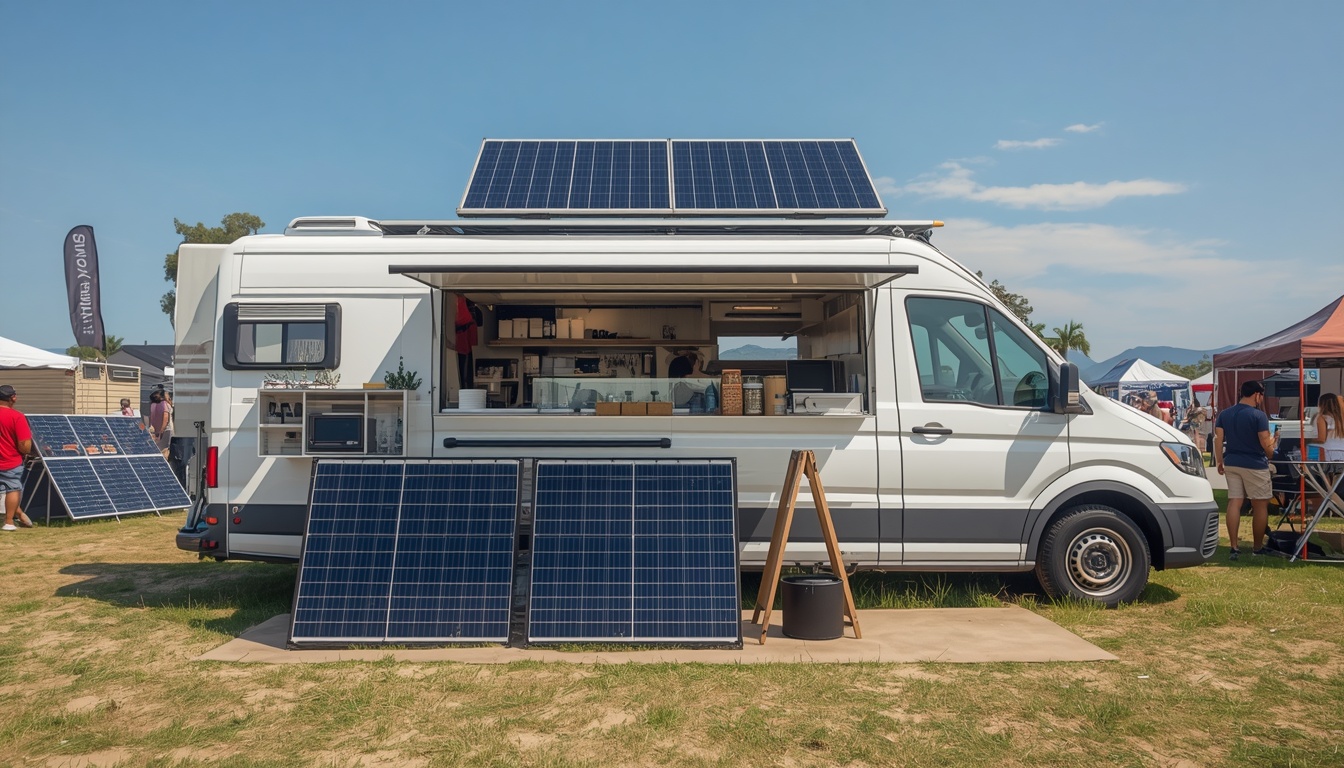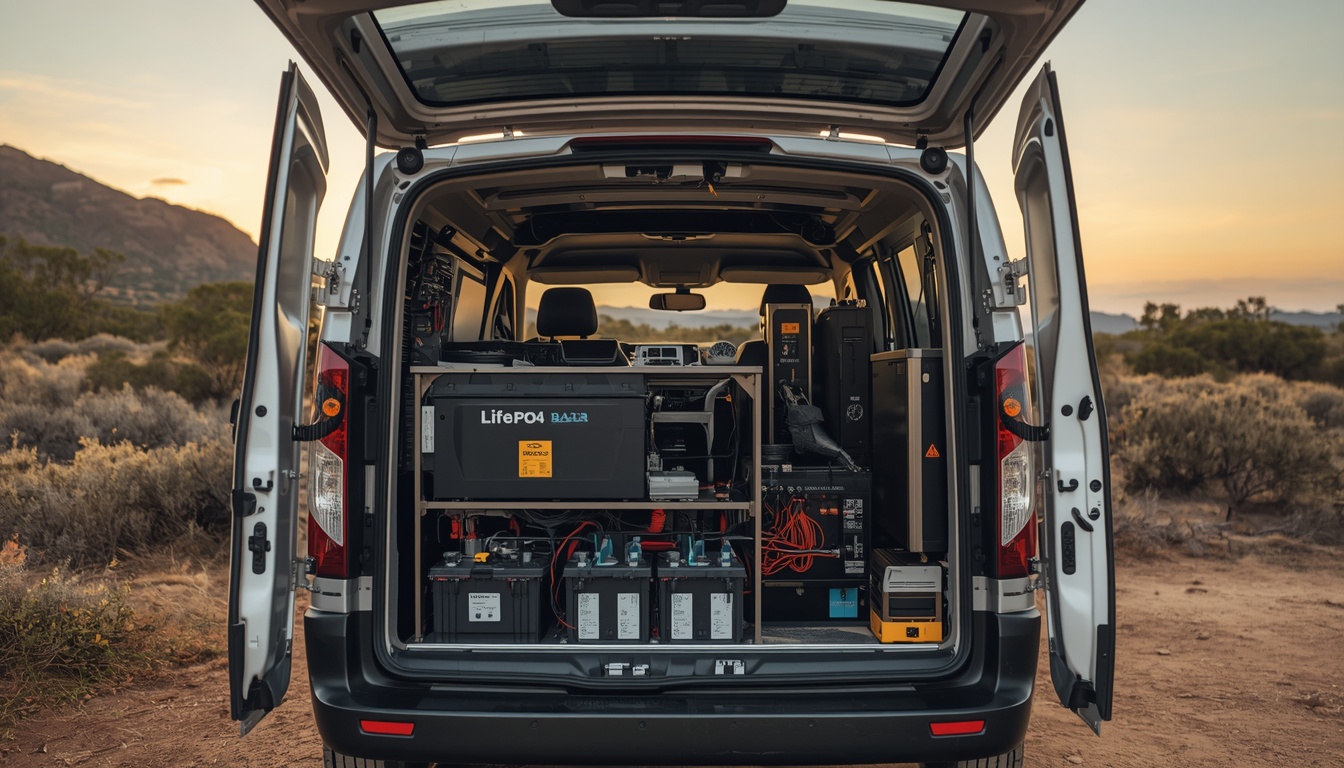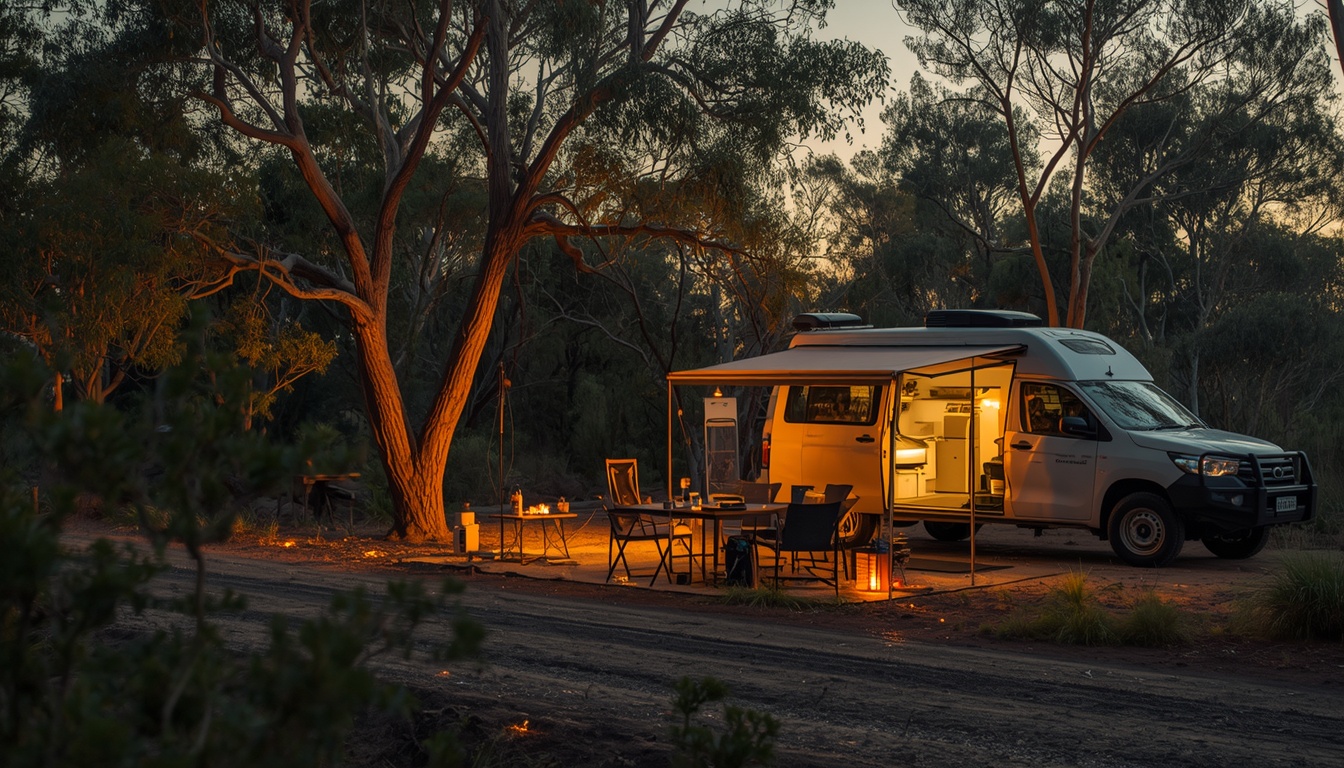
As the demand for off-grid energy solutions grows, solar power has become an essential companion for travellers, campers, and van lifers. The debate between flexible solar panels vs rigid solar panels continues to be a hot topic, especially among those seeking efficient, durable, and space-saving power options for mobile adventures.
Both panel types serve unique purposes, but understanding their performance, installation, lifespan, and efficiency differences is key to making the right choice.
What Are Flexible Solar Panels?
Flexible solar panels are thin, lightweight, and bendable. Instead of being made with heavy glass and metal frames, they use thin layers of solar cells attached to a flexible backing material like plastic.
You can often bend them up to 30 degrees, which makes them perfect for curved or uneven surfaces, like the roof of an RV, a boat deck, or even a tent.
These panels are popular among travellers because they’re easy to install, light to carry, and can be used almost anywhere.
What Are Rigid Solar Panels?
Rigid solar panels are the traditional type you’ve probably seen on rooftops or in solar farms. They’re built with aluminium frames and tempered glass to protect the solar cells inside.
While they’re heavier and bulkier, they’re also very durable and efficient. Rigid panels are designed to handle tough outdoor conditions, including strong winds, rain, and even hail.
If you have a permanent setup, like a roof-mounted system on your RV or cabin, rigid panels might be your best bet.
Differences Between Flexible and Rigid Solar Panels
When choosing between flexible and rigid solar panels, consider how each type suits your energy needs, installation surface, and travel setup. Both offer unique strengths and trade-offs in efficiency, durability, and ease of installation, which can affect overall performance on the road.
Feature |
Flexible Solar Panels |
Rigid Solar Panels |
| Weight | Lightweight | Heavier |
| Installation | Easy, adhesive or velcro mounting | Requires brackets and screws |
| Surface Compatibility | Works on curved or uneven surfaces | Best for flat, solid surfaces |
| Ideal For | Campervans, boats, tents, 4WDs | Homes, RV roofs, fixed setups |

Related Articles:
- How Solar Panels Make Van Life More Sustainable and Affordable
- What Is a Solar Blanket and How Does It Work?
- Marine Solar Panel Kits with Integrated Lithium Batteries
Advantages of Flexible Solar Panels
Flexible solar panels offer several key advantages for travellers, campervans, boats, and off-grid setups. They are lightweight, portable, and easy to install, while their thin, bendable design allows placement on curved or uneven surfaces. These features make them ideal for mobile solar power solutions. Below, we have discussed these advantages in detail:
1. Lightweight and Space-Saving Design
One of the strongest advantages of flexible solar panels is their lightweight structure. Traditional rigid panels can add significant weight to your vehicle, whereas flexible panels are much lighter, reducing strain on the roof and improving fuel efficiency. This makes them a top choice for campervans, yachts, and 4WDs where every kilogram counts.
2. Easy Installation on Any Surface
Their bendable nature allows for installation on curved or irregular surfaces without the need for metal brackets or drilling holes. They can be attached using adhesive tapes or Velcro, minimising setup time and preserving the vehicle’s aesthetics.
3. Portable and Removable
Flexible panels can easily be rolled up and stored when not in use. This portability provides excellent versatility for those who need temporary setups or frequently move between campsites.
4. Sleek Aesthetic Appeal
Because they lie flush with the roof surface, flexible solar panels offer a streamlined, low-profile look. Travellers who value minimal visual disruption or want to maintain aerodynamic efficiency often prefer this option.
“Many travellers rely on flexible solar panels from providers like Muller Energy, which are engineered for durability and curved surfaces, making installation a breeze on campervans and boats.”

Check out this 520w Flexible Solar Panel
Advantages of Rigid Solar Panels
Rigid solar panels offer several key advantages for travellers, RV owners, and off-grid setups. They are durable, weather-resistant, and reliable, providing stable energy output even in harsh conditions.
The mounted design allows better heat dissipation, maintaining performance in hot environments. These features make rigid panels a dependable choice for long-term solar installations. Below, we have discussed these advantages in detail:
1. Superior Efficiency and Longevity
Rigid solar panels typically use high-grade monocrystalline cells, providing greater energy output per square meter. Their solid construction with a tempered glass cover and aluminium frame shields them from environmental damage, ensuring a lifespan of 25 years or more.
2. Better Heat Dissipation
Mounted on brackets, rigid panels allow airflow underneath, which reduces heat buildup and enhances performance. This design feature keeps them efficient even in high-temperature environments like deserts or coastal areas.
3. Long-Term Cost Efficiency
Although they may require a higher upfront setup cost, rigid solar panels provide better value per watt over time due to their durability and stable output. They are often considered the most cost-effective choice for users planning long-term energy independence.
4. Strong Weather Resistance
Rigid panels are built to withstand hail, wind, and heavy rain, making them suitable for harsh outdoor conditions. Their tough frames provide structural integrity during travel or extreme weather events.

Which Type of Solar Panel Is Best for Travel?
The right choice depends on your travel style, surface type, and energy requirements:
- Choose Flexible Panels if:
You want a lightweight, portable, and space-saving energy solution that perfectly suits campervans, boats, and tents. These panels easily contour to curved surfaces and can be installed without bulky brackets. Ideal for travellers who value efficiency, quick setup, and modern design. - Choose Rigid Panels if:
You need maximum durability and sustained high output for long-term or heavy-duty use, such as off-grid cabins, 4WDs, or RV rooftops that face constant exposure.
In many cases, travellers combine both using rigid panels for core power and flexible panels for supplemental charging when stationary or on extended trips.
👉 Still not sure which solar panel is right for your vehicle and travel adventures? Muller Energy provide expert guidance to help you select the ideal panel type based on your vehicle, travel needs, and energy requirements.
Final Verdict
Both flexible and rigid solar panels offer unique benefits for travellers seeking off-grid power. Flexible panels win in convenience and versatility, while rigid panels dominate in efficiency and lifespan.
By aligning your choice with your travel frequency, installation preferences, and power needs, you can ensure an optimised solar setup that supports every adventure, whether it’s a weekend getaway or a full-time van life journey.