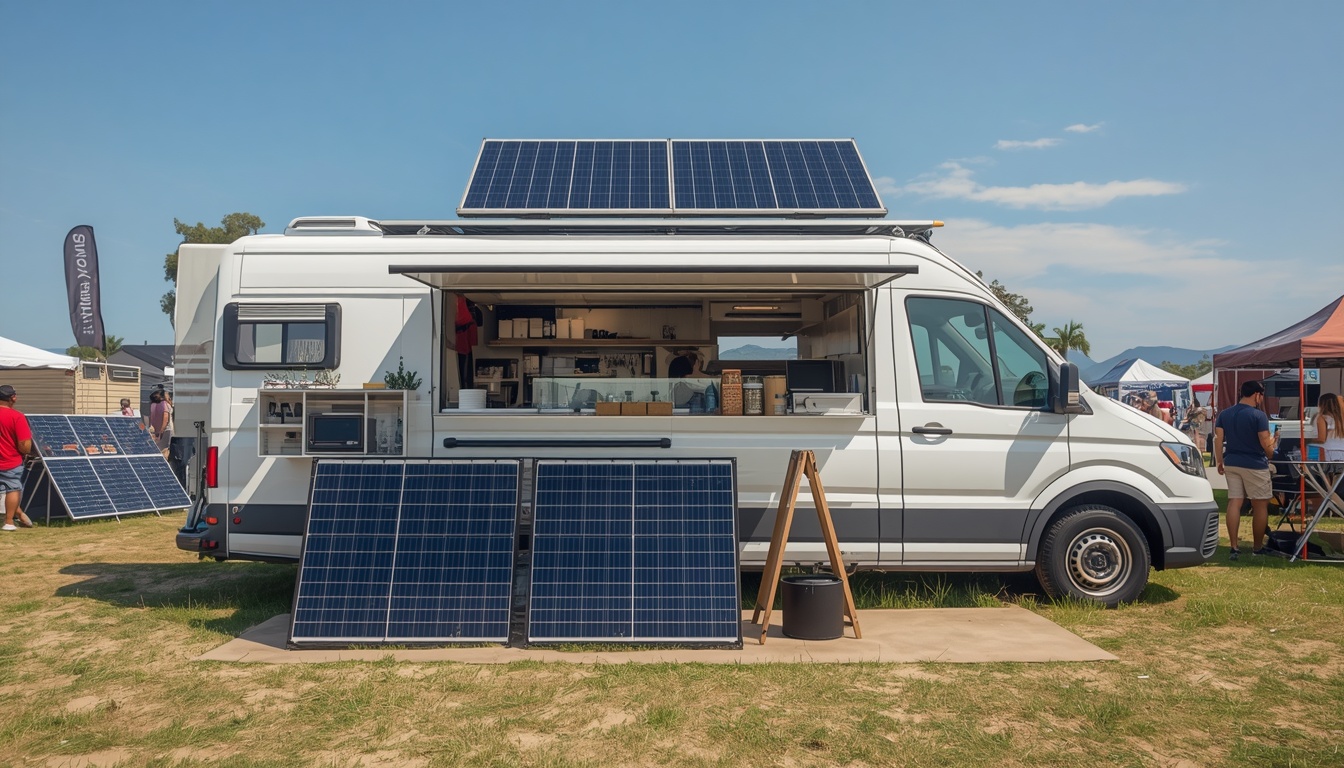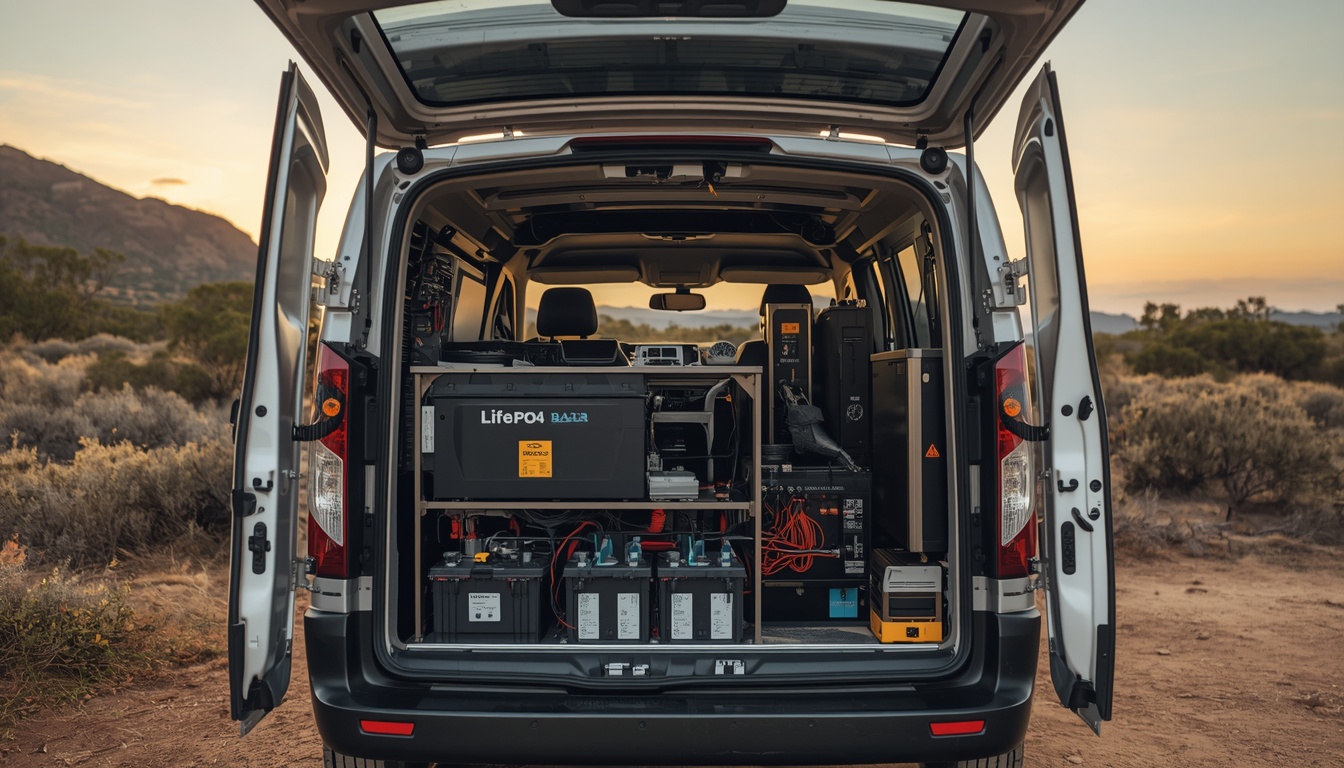
Nothing is more frustrating than arriving at your campsite only to discover your leisure battery is almost flat, even though everything appeared to be switched off.
In many cases, the culprit isn’t a faulty battery at all. It’s phantom battery drain, also called parasitic battery drain, where small electrical loads continue drawing power while your campervan or caravan is parked.
Knowing how to locate and eliminate these hidden power draws can improve battery life, reduce unexpected failures, and ensure your off-grid electrical system is ready whenever you travel.

What Is Phantom Battery Drain?
Phantom battery drain refers to electrical devices that continue consuming power even after you’ve switched everything off.
A small amount of standby current is completely normal, as components such as battery monitoring systems, LPG detectors, alarm systems, radio memory, solar controller standby circuits and Bluetooth-enabled battery management systems (BMS) require a constant power supply to operate.
However, when the total standby current becomes excessive, it can gradually discharge your battery, particularly if your campervan or caravan remains parked and unused for several weeks.
Common Signs of Phantom Battery Drain
You may have a hidden battery drain if you notice:
- Battery voltage drops overnight
- Battery is flat after storage
- Solar struggles to recover battery capacity
- Battery monitor shows continuous current draw
- Battery life seems shorter than expected
- Appliances stop working sooner than expected
If these symptoms appear repeatedly, it’s worth testing your electrical system rather than immediately replacing the battery.
Related reading: If your battery continues to lose charge after you’ve ruled out phantom battery drain, our guide on Lithium Battery Troubleshooting: Common Issues explains how to diagnose battery, charging and electrical system problems before replacing any components.
Common Causes of Phantom Battery Drain
Phantom battery drain can result from a variety of electrical devices that continue drawing power when your vehicle is parked. The most common causes include:
1. Battery Monitors and Displays
Battery monitors consume very little power individually, but they operate continuously. Most only draw a few milliamps, although multiple devices can add up over time.
2. Bluetooth Battery Management Systems
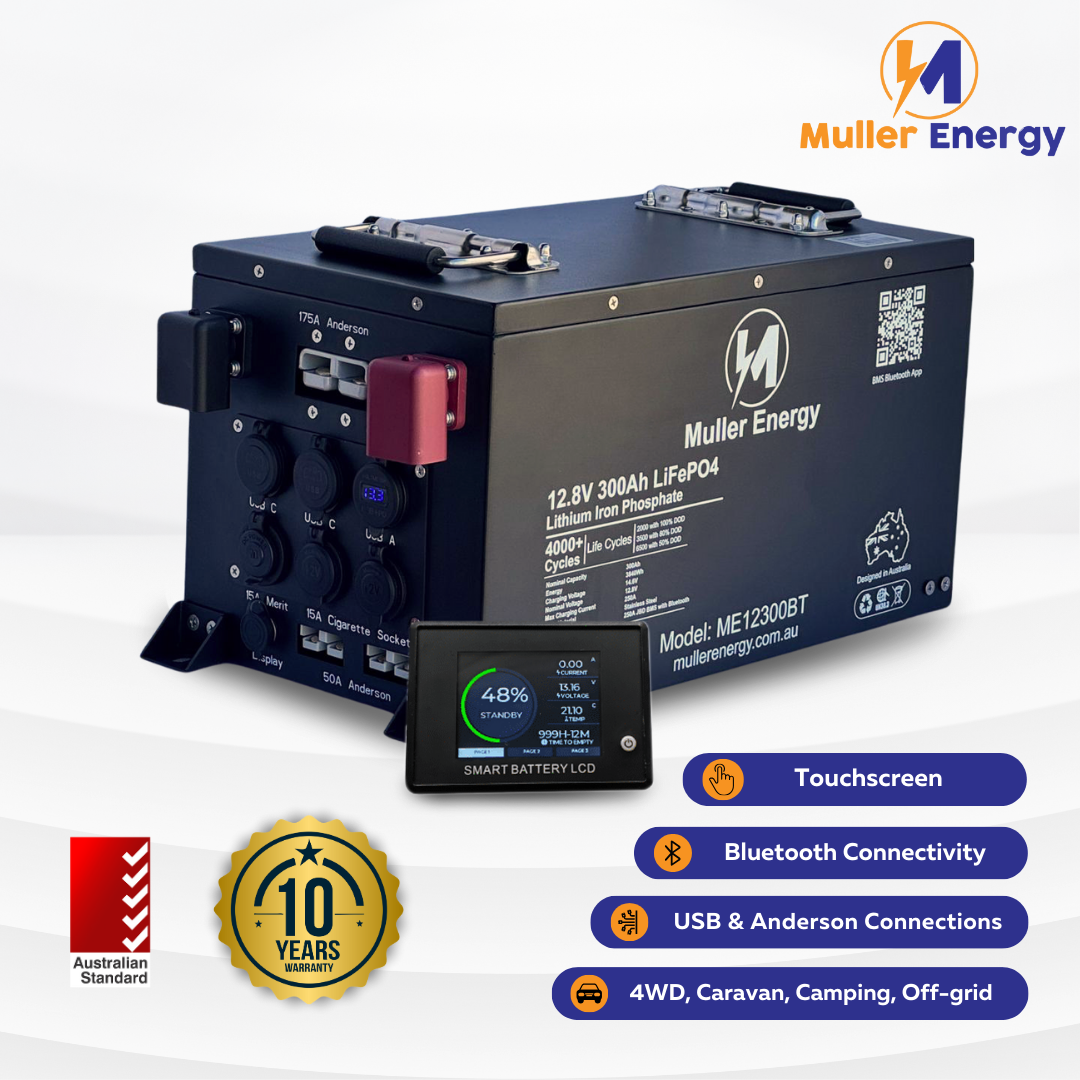
Modern lithium batteries often include Bluetooth connectivity. While extremely useful, Bluetooth modules remain active waiting for connections. Quality BMS systems are designed for very low standby consumption, but cheaper systems may use considerably more.
3. Inverters Left Switched On
This is one of the biggest offenders. Even without powering appliances, many inverters consume standby power. Large pure sine wave inverters may draw several amps while idle.
4. DC Chargers and Solar Controllers
Some DC-DC chargers, MPPT solar charge controllers and vehicle alarm systems consume a small amount of standby power while waiting to operate. This is usually minimal, but faulty equipment or incorrect wiring can increase parasitic battery drain.
5. Accessories Wired Directly to the Battery
Accessories wired directly to the battery are another common source of phantom battery drain. Devices such as USB charging ports, LED strip lighting, Wi-Fi routers, diesel heater controllers, fridges in standby mode, GPS or cellular trackers, aftermarket stereos, reversing cameras, TV antenna amplifiers and electric brake controllers can continue drawing small amounts of power even when they’re not actively being used.
While each device may consume very little electricity on its own, these standby loads can add up over time and significantly discharge your battery if your campervan or caravan remains parked for several weeks.
Related reading: If testing shows your battery has reached the end of its service life, our guide on How to Choose the Best Lithium Battery for a Campervan explains what to consider when selecting a replacement.
How Much Battery Capacity Can Phantom Drain Use?
Even relatively small standby loads can consume a surprising amount of battery capacity over time. While a few milliamps may seem insignificant, continuous current draw adds up every hour your campervan or caravan remains parked.
The table below shows approximately how much battery capacity different standby currents consume over a 24-hour period.
| Standby Current | Approximate Battery Capacity Used Per Day |
| 20mA | 0.48Ah |
| 50mA | 1.2Ah |
| 100mA | 2.4Ah |
| 250mA | 6Ah |
| 500mA | 12Ah |
For example, a constant 100mA standby load uses approximately 2.4Ah of battery capacity every day. Over four weeks, that’s around 67Ah, which can significantly reduce the available capacity of many 100Ah campervan or caravan batteries if they aren’t being recharged.
Although many standby devices individually consume very little power, their combined current draw from battery monitors, Bluetooth-enabled BMS units, alarms, inverters and other accessories can become substantial during extended storage.
How to Test for Phantom Battery Drain
The easiest and most accurate way to check for phantom battery drain is by using a digital multimeter capable of measuring DC current. This allows you to measure the amount of current being drawn from the battery when all appliances are switched off.
Step 1: Fully charge the battery.
Step 2: Switch off every appliance.
Step 3: Disconnect the negative battery terminal.
Step 4: Connect the multimeter in series between the battery and cable.
Tip: Set your multimeter to the correct DC current range before measuring. Using the wrong setting can blow the meter’s internal fuse.
Step 5: Read the standby current.
How to Interpret Standby Current Values
| Current Draw | Meaning |
| Below 30mA | Typical for simple systems |
| 30–80mA | Normal for many modern systems |
| 80–150mA | Worth investigating |
| Above 150mA | Excessive drain likely |
Modern caravans often have enough electronics that 50–80mA can be normal.
Related reading: A quality battery monitor makes it much easier to track standby current and identify unusual power consumption. Learn how they work in our Battery Monitor Australia Guide.
How to Find the Device Causing the Drain
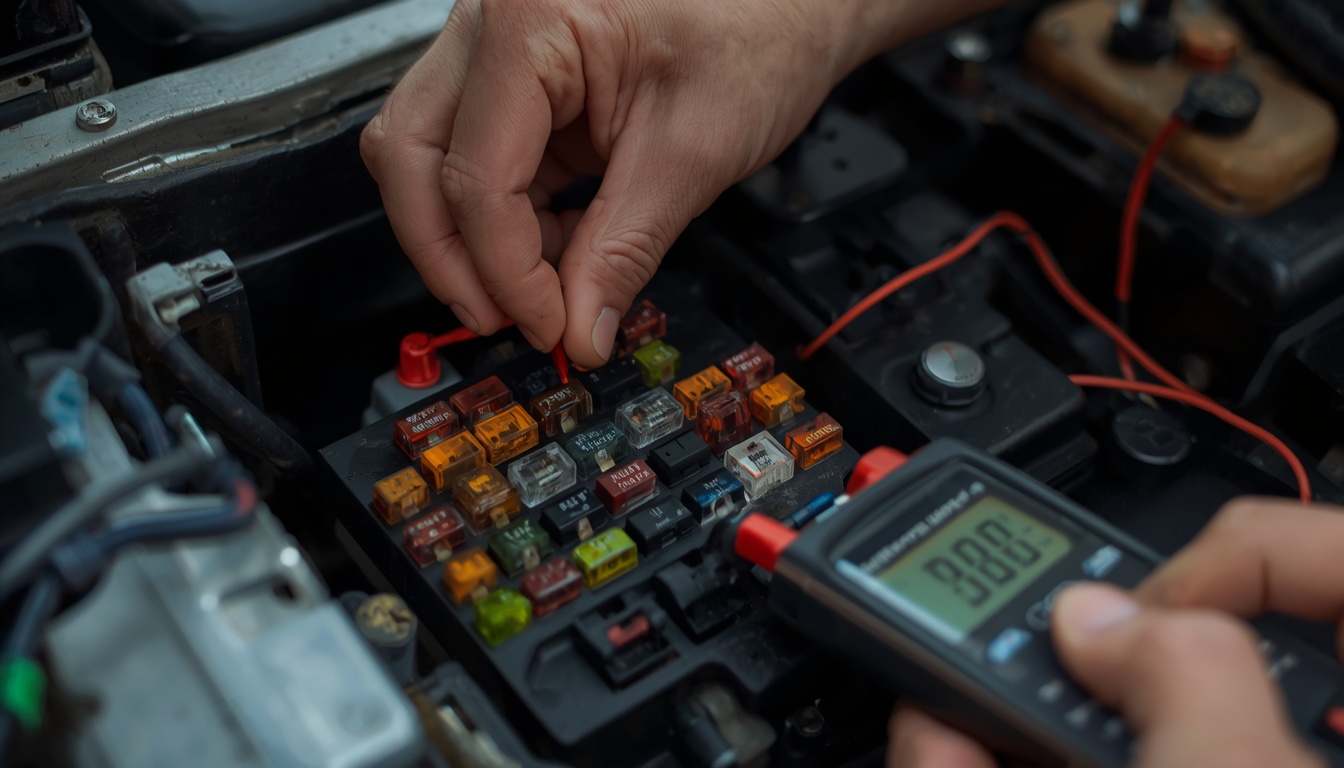
If your multimeter shows a higher-than-normal standby current, use the following method to identify the device or circuit causing the drain:
- Leave the multimeter connected.
- Remove one fuse at a time.
- Watch the current reading.
- When the current suddenly drops, you’ve identified the affected circuit.
- Inspect every device connected to that circuit.
This systematic approach is far quicker than randomly disconnecting accessories.
Ways to Fix Phantom Battery Drain
Depending on the underlying cause, there are several practical steps you can take to reduce or eliminate phantom battery drain, including:
1. Turn Off High-Draw Devices
Before storing your campervan or caravan, switch off high-power devices such as inverters, portable fridges, water pumps and entertainment systems. Even when they’re not actively being used, some of these devices can continue drawing standby power, which may gradually discharge your battery over time.
Disconnecting or completely powering down non-essential equipment helps minimise unnecessary battery drain during storage.
2. Install Battery Isolation Switches
A master battery isolation switch disconnects non-essential circuits during storage. This is one of the simplest ways to eliminate unnecessary battery drain.
3. Replace Faulty Accessories
Older accessories may develop internal faults that continuously consume power. Common examples include damaged USB sockets, LED controllers and failed relays.
4. Check Wiring
Loose connections, moisture damage and incorrect installations can create unexpected electrical loads. Inspect wiring regularly, particularly after off-road travel.
5. Keep the Battery Charged
If your campervan or caravan will be parked for extended periods, keeping the battery charged is one of the best ways to prevent unnecessary discharge. A quality solar charging system or smart battery charger can replace the small amount of power consumed by essential standby devices while maintaining a healthy state of charge.
This helps offset unavoidable standby loads, reduces the risk of deep discharge, and keeps your battery ready for your next trip.
Choose Components Designed for Low Standby Power
Not every electrical component performs equally when your vehicle is parked for extended periods. If you’re upgrading your off-grid electrical system, choose quality lithium batteries with an efficient Battery Management System, reliable MPPT solar chargers, and charging equipment that’s correctly matched to your battery bank.
Components designed for low standby current can help reduce battery discharge during storage. When replacing ageing equipment, compare standby current, battery management features, warranty support and compatibility with your existing electrical system.
For example, Muller Energy supplies Australian-engineered LiFePO4 batteries, MPPT solar chargers, solar panels, and complete off-grid power solutions for caravans, campervans, 4WDs, and marine applications.
Designed for Australian conditions, their batteries are backed by a 10-year warranty, free Australia-wide shipping and expert technical support to help customers build reliable off-grid power systems.
Need Help with Your Battery System? Talk to an Expert
Frequently Asked Questions
Can a Bad Battery Cause Phantom Drain?
Not exactly. A failing battery cannot create phantom battery drain, but an ageing or damaged battery can lose capacity, self-discharge more quickly and make normal standby loads seem more significant. If your battery goes flat despite testing healthy, investigate hidden electrical loads before replacing it.
How long can phantom battery drain flatten a battery?
It depends on battery capacity and current draw. A small parasitic load may take weeks, while larger loads can discharge a battery within days.
Should I disconnect my battery during long-term storage?
If your system won’t be maintained by solar or a smart charger, disconnecting the battery or using a battery isolation switch can help prevent unnecessary discharge.
Does Phantom Battery Drain Affect Lithium and AGM Batteries Differently?
Yes. Phantom battery drain can affect both LiFePO4 (lithium) and AGM batteries because it is caused by electrical devices drawing power, not the battery type. However, AGM batteries are more prone to sulfation if left discharged, while LiFePO4 batteries have a lower self-discharge rate. Regardless of battery chemistry, keeping the battery charged and minimising standby loads helps protect battery life.