A 300Ah lithium battery is not just a high-capacity power source; it is a performance solution designed for users who demand long-lasting, stable, and efficient energy in challenging environments.
Whether powering an off-grid setup, managing heavy loads in a caravan, or running sensitive electronics during remote expeditions, this battery capacity offers a dependable foundation for any advanced energy system.
Below is a comprehensive, high-authority guide designed to answer one essential question: Who truly needs a 300Ah lithium battery, and what full system design supports it most efficiently?

Purpose of a 300Ah Lithium Battery
A 300-amp-hour lithium battery is engineered to deliver sustained energy for extended periods. With LiFePO4 chemistry, users benefit from deeper discharge capability, stable voltage, longer cycle life, and reduced weight compared to lead-acid alternatives.
A 300Ah battery serves users with demanding energy needs who require reliable power without frequent recharging. These batteries excel in environments where continuous loads, extended off-grid stays, and heavy-duty appliances are common.
Note: Brands like Muller Energy, known for engineering robust LiFePO4 batteries for 4WD, caravans, marine, and off-grid setups, design their 300Ah models with automotive-grade cells, strong BMS protection, and Australian-tested reliability. These factors make a big difference in demanding environments.
Who Needs a 300Ah Lithium Battery?
A 300Ah lithium battery is ideal for anyone who needs reliable, high-capacity power to run multiple appliances for long periods without frequent recharging. It suits users who rely on continuous energy in remote or off-grid situations and require a system that can support heavier electrical loads with ease.
1. Off-Grid Homeowners and Remote Cabins
Complete off-grid households must power high-demand appliances such as:
- Refrigerators and freezers
- Water pumps
- LED lighting systems
- Communication equipment
- Inverters supporting 2000–3000W loads
A 300Ah lithium battery provides enough stored energy to operate these devices simultaneously, especially when paired with solar charging. This capacity ensures comfort and security even during long periods without sunlight or generator support.
Tip: For Australian conditions, using a battery designed to handle heat and high discharge loads, such as a Muller Energy 300Ah LiFePO4 with a reinforced internal structure, can significantly extend system life in harsh climates.
2. Caravan and RV Travellers With Heavy Electrical Loads
Modern caravans often include:
- 12V fridges
- Diesel heaters
- Induction cooktops
- Microwaves
- CPAP machines
- Large inverters for off-grid cooking
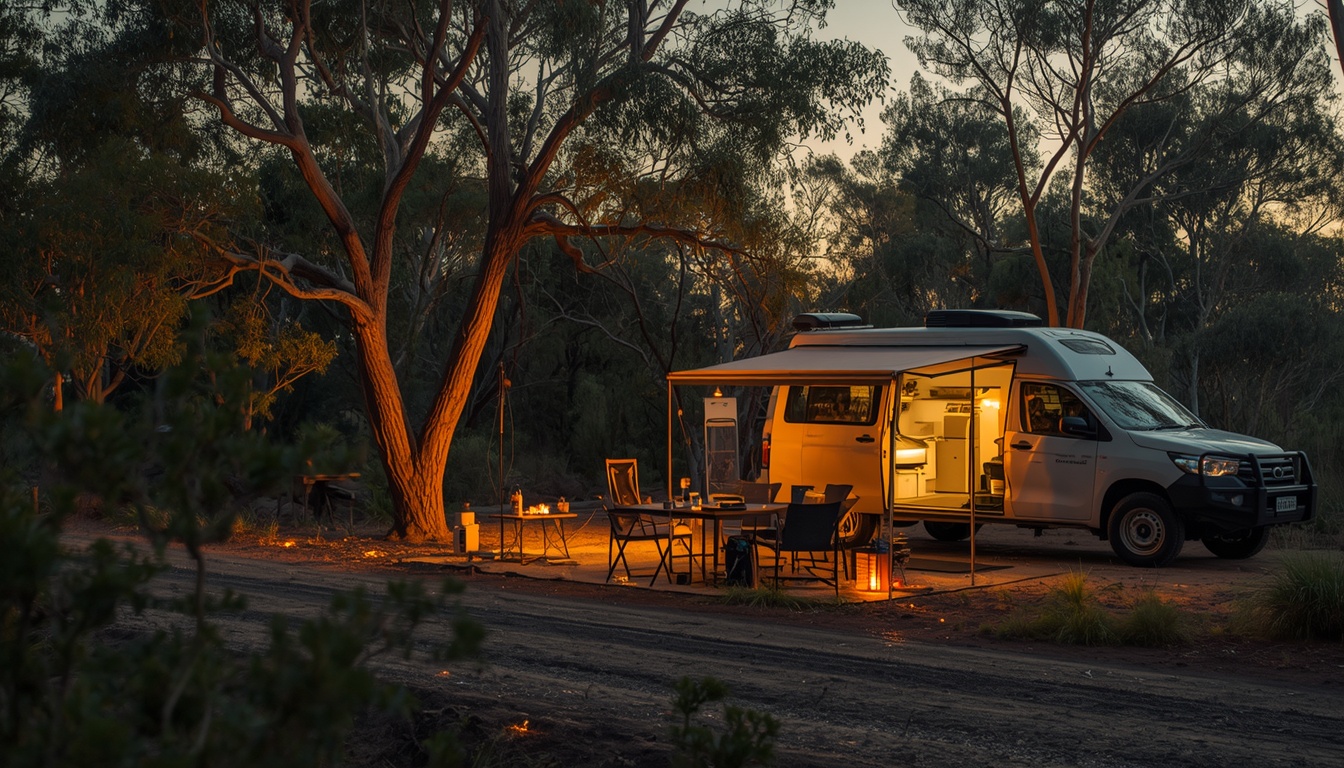
Travellers who spend long periods free-camping rely on 300Ah lithium systems because they provide the runtime and stability needed for high-use functionality. This capacity aligns perfectly with weekend adventures as well as months-long touring.
3. 4WD Touring and Overlanding Setups
Dedicated touring vehicles often operate:
- Dual-zone fridge/freezers
- Portable water pumps
- LED camp setups
- High-output air compressors
- Navigation and communication equipment
A 300Ah battery ensures these devices stay powered over multi-day expeditions without stressing the power system. Overlanders benefit especially from the battery’s ability to tolerate rapid charging from alternators or DC-DC systems.

4. Marine Applications: Boats and Yachts
Boating environments demand stable power under all conditions. A 300Ah lithium battery supports:
- Electric trolling motors
- Fish finders and sonar
- Marine fridges
- Watermakers
- Navigation systems
- Onboard lighting and electronics
Lithium is also ideal for marine use due to its resistance to vibration, long lifespan, and ability to deliver full power without voltage drop.
5. Commercial and Worksite Use
For users requiring portable reliability:
- Mobile workshops
- Survey camps
- Construction lighting
- Emergency communication equipment
- Field inspection vehicles
A 300Ah system ensures uninterrupted operation for mission-critical equipment where downtime is unacceptable.
Brands that offer local support, long warranties, and reliable after-sales service, such as Muller Energy in Australia, are preferred for commercial workflows where downtime is costly.
What Can a 300Ah Lithium Battery Power? Load Breakdowns and Real-World Runtime
To understand its true value, here are common loads and their approximate runtimes with a 12V 300Ah LiFePO4 battery (usable energy ~3,000–3,400Wh):
|
Device / Appliance |
Power Draw | Approx. Runtime |
|
12V fridge/freezer |
40–60W | 40–60 hours |
|
LED lights |
10–20W |
150+ hours |
|
Diesel heater |
10–30W | 80–150 hours |
| CPAP machine | 30–60W |
40–80 hours |
| Water pump | 60–100W |
25–40 hours |
|
1000W inverter load |
1000W |
3 hours |
| Induction cooker (1500W, intermittent) | 1500W |
Variable 20–40 minutes continuous |
A 300Ah lithium battery easily supports a blend of these loads for extended periods, especially in systems supported by solar.

Why a 300Ah Lithium Battery Is Better Than Lead-Acid Alternatives
Users often select 300Ah lithium for its advantages: offering superior capacity, long-term reliability, and the ability to power modern appliances and off-grid systems with greater efficiency and consistency than smaller or traditional battery options.
- 80–100% usable capacity (vs. 50% for AGM)
- Over 3000 cycles, depending on quality
- Much lighter — typically around 28–35kg
- Stable voltage output
- Fast charging compatibility
- Superior performance under load
Where two or three AGM batteries might be required (depending on usable capacity), one 300Ah LiFePO4 can deliver equal or better performance.
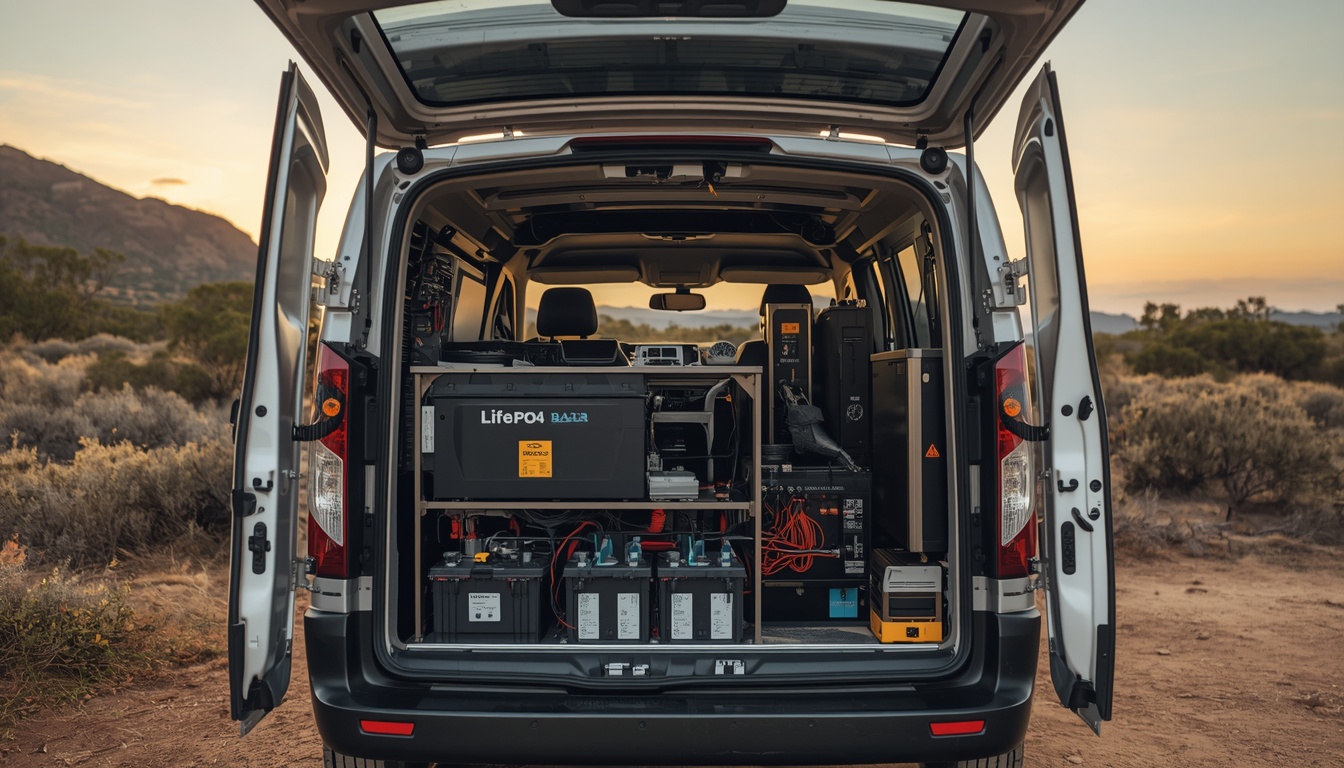
Essential Components in a Complete 300Ah Lithium Power System
A powerful battery requires a properly designed system to perform at its full potential and ensure long-term reliability. Below is the optimal component list that helps maximise efficiency, safety, and overall system performance.
1. Solar Input System
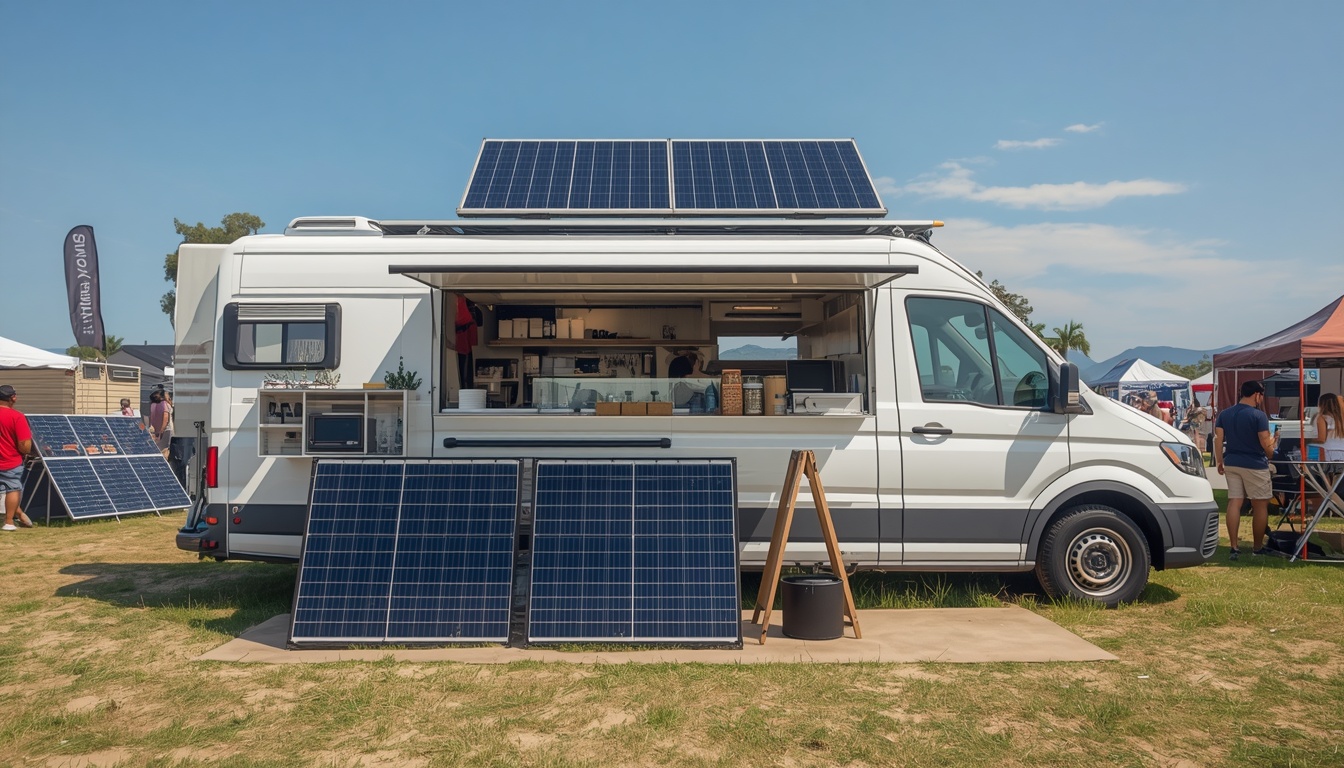
A 300Ah battery requires a strong solar array to replenish the energy used each day.
Recommended solar capacity: 400W–800W
This range delivers dependable daily recharging, supports heavy electrical use, and allows for sustainable long-term off-grid operation even in low-sun conditions.
2. MPPT Solar Charge Controller
An MPPT (Maximum Power Point Tracking) controller ensures the highest possible efficiency when converting solar energy.
Recommended controller size: 40A–60A MPPT
This capacity matches the solar input needs of a 300Ah battery and ensures stable, efficient charging throughout varying sunlight conditions.
3. DC-DC Charger for Alternator Charging
For vehicles, caravans, and 4WD touring systems, a DC-DC charger is essential for safe charging while driving.
Recommended charger: 40A–60A DC-DC
This delivers fast, regulated charging from the alternator, significantly reducing recharge times and keeping the battery healthy during long travel days.
4. AC Charger (240V Mains or Generator)
When shore power or a generator is available, an AC charger provides a reliable backup charging method.
Recommended charger: 30A–50A
This ensures the battery can be fully recharged quickly during cloudy weather, high-usage periods, or when fast turnaround is needed.
5. Quality Inverter (Optional but Common)
To run 240V appliances such as induction cooktops, kettles, microwaves, and power tools, a high-quality inverter is required.
Recommended inverter sizes:
- 2000W pure sine wave – Ideal for general off-grid usage
- 3000W – Suitable for heavy cooking appliances and high-demand systems
A 300Ah lithium battery provides the stable voltage needed for smooth inverter performance, even under high loads.
6. Appropriate Cabling and Fuse Protection
A powerful system requires properly sized and well-protected wiring to ensure safety and efficiency. A complete 300Ah setup should include:
- Correctly sized cables
- Heavy-duty bus bars
- High-quality copper lugs
- ANL or MIDI fuses for protection
- A master isolation switch
- A shunt-based battery monitor for accurate readings
These components reduce voltage drop, improve performance, and protect the system from overload or fault conditions.
Is a 300Ah Lithium Battery Right for You?
A 300Ah battery is ideal if you need a high-capacity, dependable power solution that can comfortably support demanding appliances, extended off-grid living, and consistent performance in real-world conditions.
It is particularly suitable for users who run high-demand appliances frequently, stay off-grid for multiple days, require fast charging and long lifespan, operate power-hungry inverter systems, or rely on stable, reliable energy in remote or mission-critical environments.
If your setup only includes essentials like a fridge, lighting, fans, pumps, and moderate inverter use, a 200Ah battery may be sufficient; however, for heavier loads, larger solar arrays, and long-term remote operation, a 300Ah lithium battery remains the most efficient, capable, and future-proof choice.

Final Thoughts: Why a 300Ah Lithium Battery Is the Smart Choice
A 300Ah lithium battery delivers unmatched performance for serious campers, off-grid homeowners, marine adventurers, and professional operators. When paired with a well-designed charging and inverter system, it offers the perfect balance of power, runtime, and longevity.
It is the ideal solution for anyone who demands reliable, high-capacity power, extensive off-grid flexibility, and dependable performance across all conditions.
If your goal is to build a system capable of powering modern electrical loads with confidence, a 300Ah lithium battery is the foundation your setup needs.