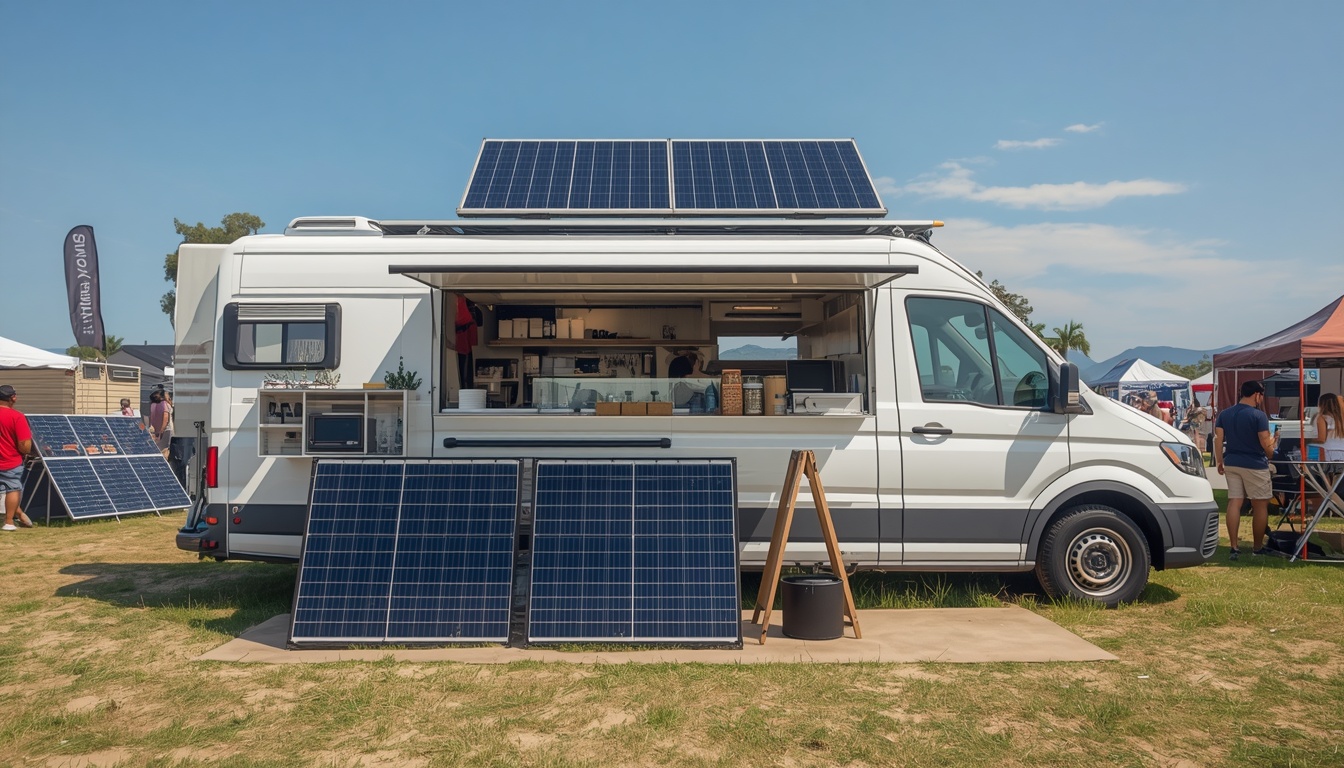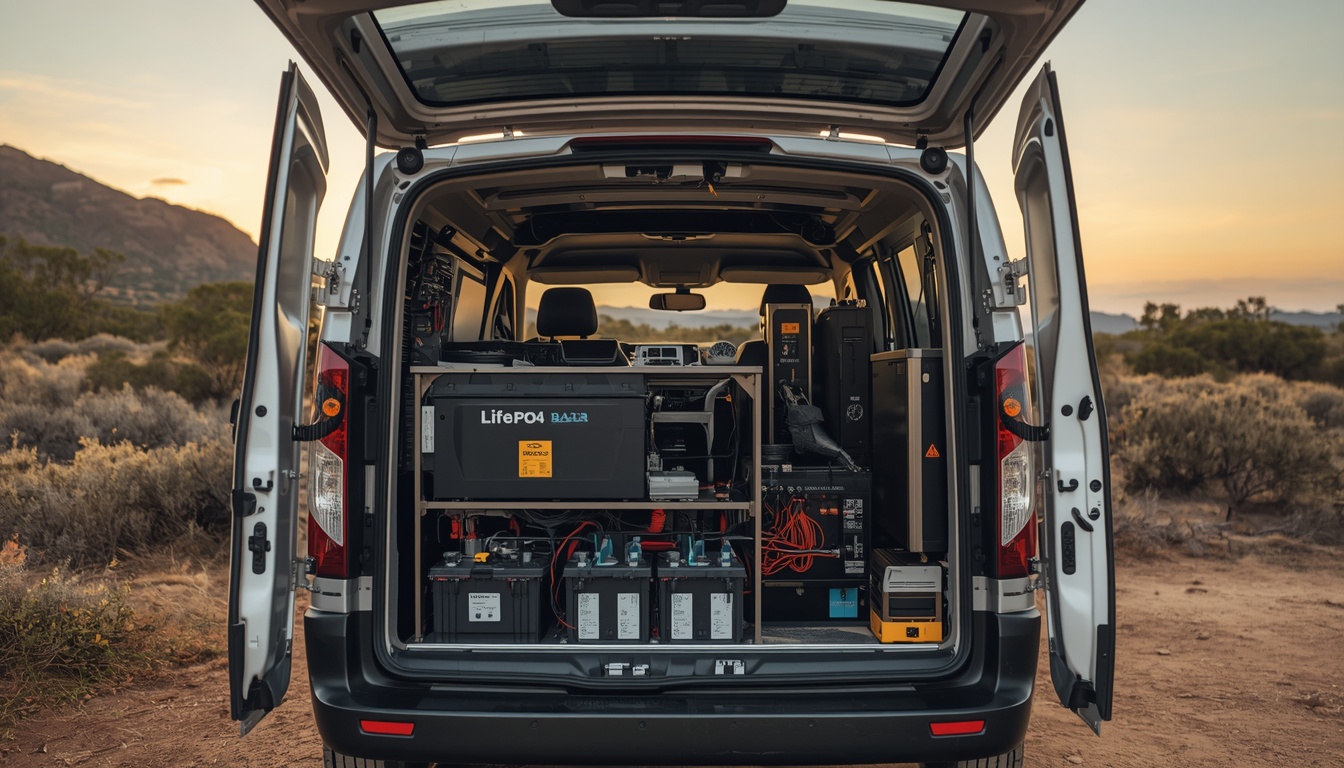
If you’re thinking about installing solar panels on your motorhome, you may have wondered whether they’ll increase fuel consumption. It’s a fair question, especially if you spend a lot of time driving or want to get the most from every tank of fuel.
The reality is that roof-mounted solar panels can have a small effect on fuel economy, but it’s usually much less significant than many people assume. While they add some weight and slightly affect aerodynamics, driving speed, tyre pressure, vehicle weight and weather conditions typically have a much greater influence on fuel consumption.
For most travellers, well-installed solar panels for motorhomes provide reliable off-grid power while having only a small effect on fuel economy. Understanding how solar panels affect airflow and weight can help you choose the right system and minimise any impact.

Do Roof-Mounted Solar Panels Really Affect Fuel Economy?
Yes, but usually only slightly. For most motorhomes, the effect on fuel economy is generally estimated to be in the low single-digit percentage range (around 1–3%) under typical driving conditions. In most cases, driving speed, tyre pressure and overall vehicle weight have a much greater influence on fuel consumption than the solar panels themselves. The actual impact depends on two primary factors:
- Additional weight
- Increased aerodynamic drag
For most modern solar installations, aerodynamic drag contributes more to fuel economy than panel weight, especially when travelling at highway speeds.
If your system uses a streamlined, professionally installed mounting system and secure mounting, the fuel economy penalty is generally modest and is often outweighed by the convenience of off-grid power.
How Roof Design and Solar Panel Installation Affect Airflow
At highway speeds, aerodynamic drag has a greater impact on fuel consumption because air resistance increases with vehicle speed. Roof-mounted solar panels can slightly affect airflow by creating turbulence, increasing wind resistance, or adding noise.
However, the impact depends on the panel design, mounting method, and overall roof setup. A well-installed system can minimise these effects while maintaining efficiency.
Low-Profile Installations
Panels installed with minimal roof clearance create less disruption to airflow, helping reduce aerodynamic drag and minimise any effect on fuel economy.
For travellers looking to minimise aerodynamic drag without sacrificing roof space, slim or low-profile solar panels for motorhomes may be worth considering. Learn more in our guide on Why Slim Solar Panels Are Best for Campervans.
Raised Mounting Systems
Panels installed with a larger gap beneath them allow more air to flow underneath, which can create additional turbulence and increase aerodynamic resistance, particularly at higher speeds.
Flexible Solar Panels
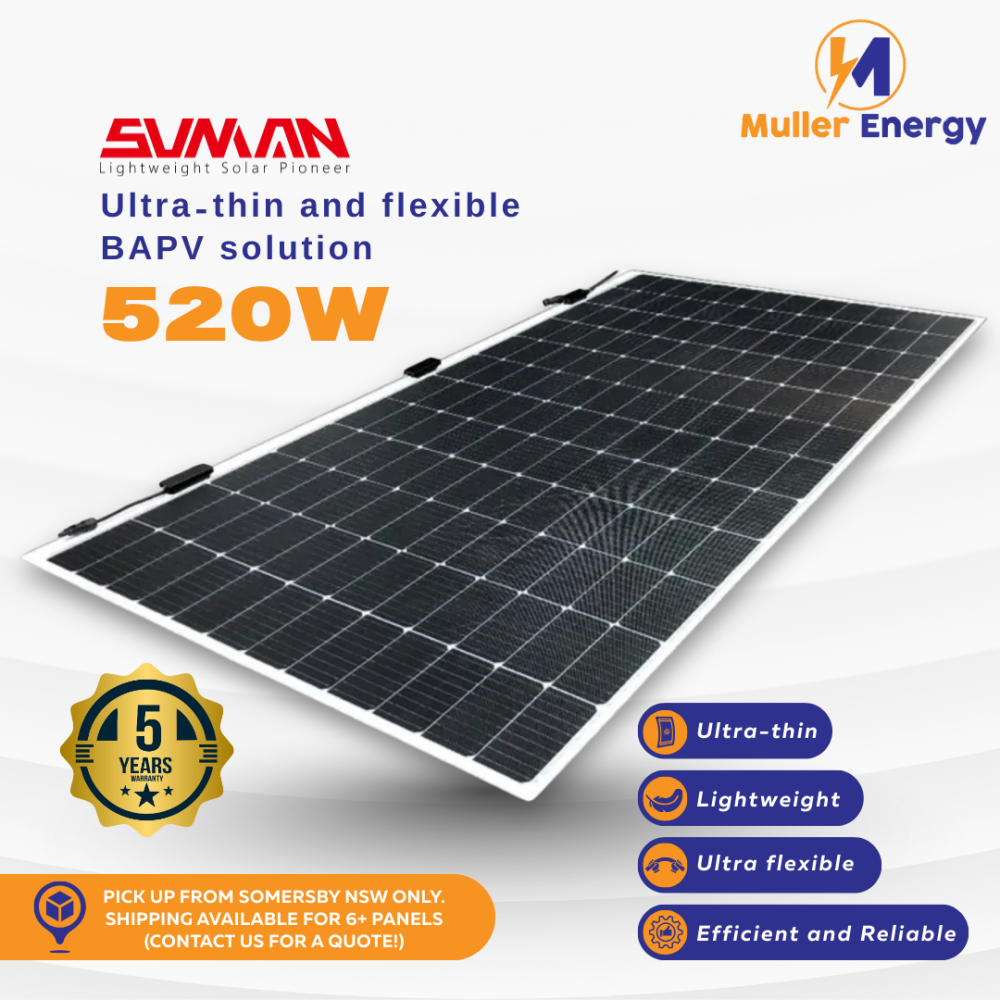
Flexible solar panels sit almost flush against the roof, creating one of the lowest-profile roof installations available. Because they closely follow the roof’s shape, they disturb airflow less than many traditional rigid panel installations, making them a popular choice for motorhomes where maintaining fuel efficiency is a priority.

Does the Weight of Roof-Mounted Solar Panels Affect Fuel Economy?
The weight of roof-mounted solar panels usually has a minimal impact on fuel consumption compared with aerodynamic drag. A complete solar system typically adds around 20–40 kg, which is a small increase for most motorhomes that already weigh over 3,000 kg when loaded.
Since motorhomes commonly carry water, batteries, gear, and other essentials, the added weight of solar equipment generally has little noticeable effect on everyday fuel economy.
Note: If you’re still deciding how much roof space to dedicate to solar, it’s worth calculating your daily energy needs before choosing a panel size. Our guide on How Many Solar Panels for a Van Can Power Full-Time Off-Grid Living? explains how to size a system based on your appliances, battery capacity and travel style.
Factors That Influence Fuel Economy More Than Solar Panels
Roof-mounted solar panels are only one part of the overall fuel economy equation. In practice, several other factors usually have a much greater influence on how much fuel a motorhome consumes.
- Driving speed: Higher speeds increase aerodynamic drag, requiring more engine power and fuel. Reducing cruising speed by 5–10 km/h can often improve fuel economy more than changing the solar panel setup.
- Overall vehicle weight: The combined weight of accessories such as roof racks, bull bars, extra batteries, full water tanks and storage boxes often has a greater effect on fuel consumption than a typical solar installation. Considering the vehicle’s total loaded weight provides a more accurate indication of how weight affects fuel economy.
- Tyre pressure: Underinflated tyres increase rolling resistance, forcing the engine to use more fuel. Keeping tyres inflated to the manufacturer’s recommended pressure can improve both fuel efficiency and tyre life.
- Weather and wind conditions: Driving into a strong headwind increases aerodynamic resistance, often affecting fuel consumption far more than a low-profile solar panel installation.
- Driving style: Smooth acceleration, maintaining steady speeds and anticipating traffic generally improve fuel economy more than small equipment changes.
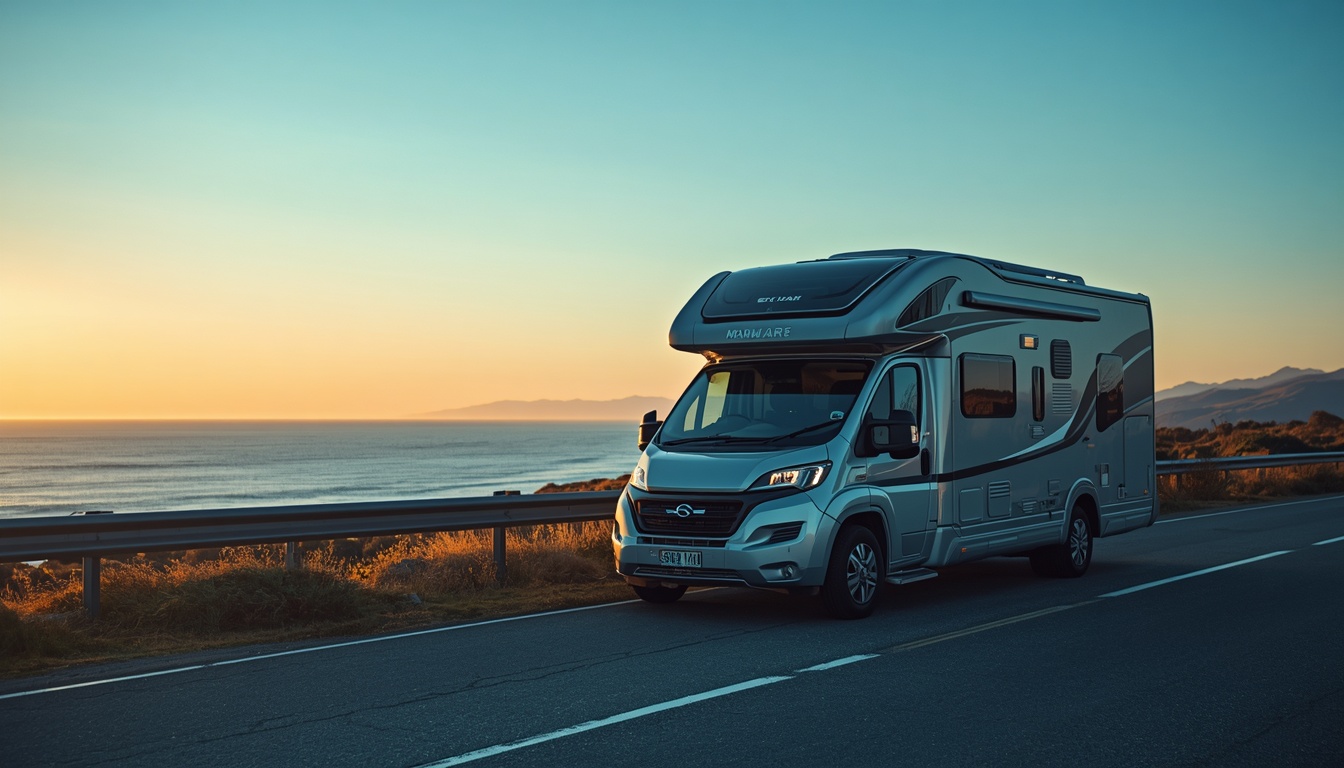
Flexible vs Rigid Solar Panels for Fuel Efficiency
|
Feature |
Flexible Solar Panels | Rigid Solar Panels |
|
Weight |
Lighter | Heavier |
|
Roof profile |
Very low | Higher |
| Aerodynamic impact | Lower |
Slightly higher |
| Cooling airflow | Limited |
Better airflow beneath panel |
| Installation | Bonded directly |
Mounted on brackets |
Flexible panels create less drag because they sit closer to the roof, while rigid panels offer better airflow and cooling. The best choice depends on your roof design, energy needs, installation preferences, and durability goals rather than fuel economy alone.
Tip: For travellers looking for lightweight roof-mounted solutions, products such as Sunman flexible solar panels are designed to sit close to the roof, helping maintain a streamlined roof profile while providing reliable solar generation.
‘‘If you’re comparing the two options, our detailed guide on Flexible Solar Panels vs Rigid Solar Panels explores their differences in durability, efficiency, installation requirements and the applications they’re best suited for.’’
Why the Right Solar System Matters More Than Minor Fuel Economy Changes
Rather than focusing solely on a small change in fuel economy, it’s often more beneficial to choose a solar system that matches your travel style, battery capacity and daily energy use.
A properly designed setup can provide reliable off-grid power without adding unnecessary weight or complexity. Factors such as panel type, battery size, MPPT charge controller selection and installation quality all contribute to overall system performance.
Need help choosing the right motorhome solar setup?
Muller Energy specialises in Australian-engineered off-grid power solutions for motorhomes, campervans, caravans and 4WDs. If you’re comparing flexible solar panels, portable solar blankets, LiFePO4 batteries, MPPT chargers or complete off-grid systems, choosing components that work together is often more important than simply installing the largest panel available.
Muller Energy also provides technical advice, Australian-engineered off-grid power products backed by a 10-year warranty on lithium batteries, and has earned a 4.9-star Google rating from customers across Australia.
Tips to Reduce Any Fuel Economy Loss
While roof-mounted solar panels typically have only a minor impact on fuel economy, a few simple measures can help keep your motorhome as efficient as possible.
| Tip | Why It Helps |
| Drive at moderate highway speeds | Higher speeds increase aerodynamic drag much more than most solar installations. |
| Maintain correct tyre pressure | Proper inflation reduces rolling resistance and improves fuel efficiency. |
| Avoid carrying unnecessary weight | Removing excess cargo reduces the overall load on the vehicle. |
| Limit unnecessary roof accessories | Roof racks, storage pods and antennas often create more aerodynamic drag than the solar panels themselves. |
| Inspect solar mounting hardware regularly | Keeping brackets and cables secure maintains safe operation and helps prevent unnecessary wind resistance. |
| Choose a solar system that suits your energy needs | Avoiding an oversized installation can help minimise unnecessary weight while still providing sufficient power. |
Roof-mounted solar panels can slightly affect motorhome fuel economy, but the real-world impact is generally small when panels are installed correctly. Driving speed, tyre pressure, vehicle loading and roof accessories usually influence fuel consumption far more than the solar system itself.
For most travellers, the ability to generate reliable off-grid power, reduce engine charging time and stay independent of powered campsites makes roof-mounted solar a worthwhile investment.