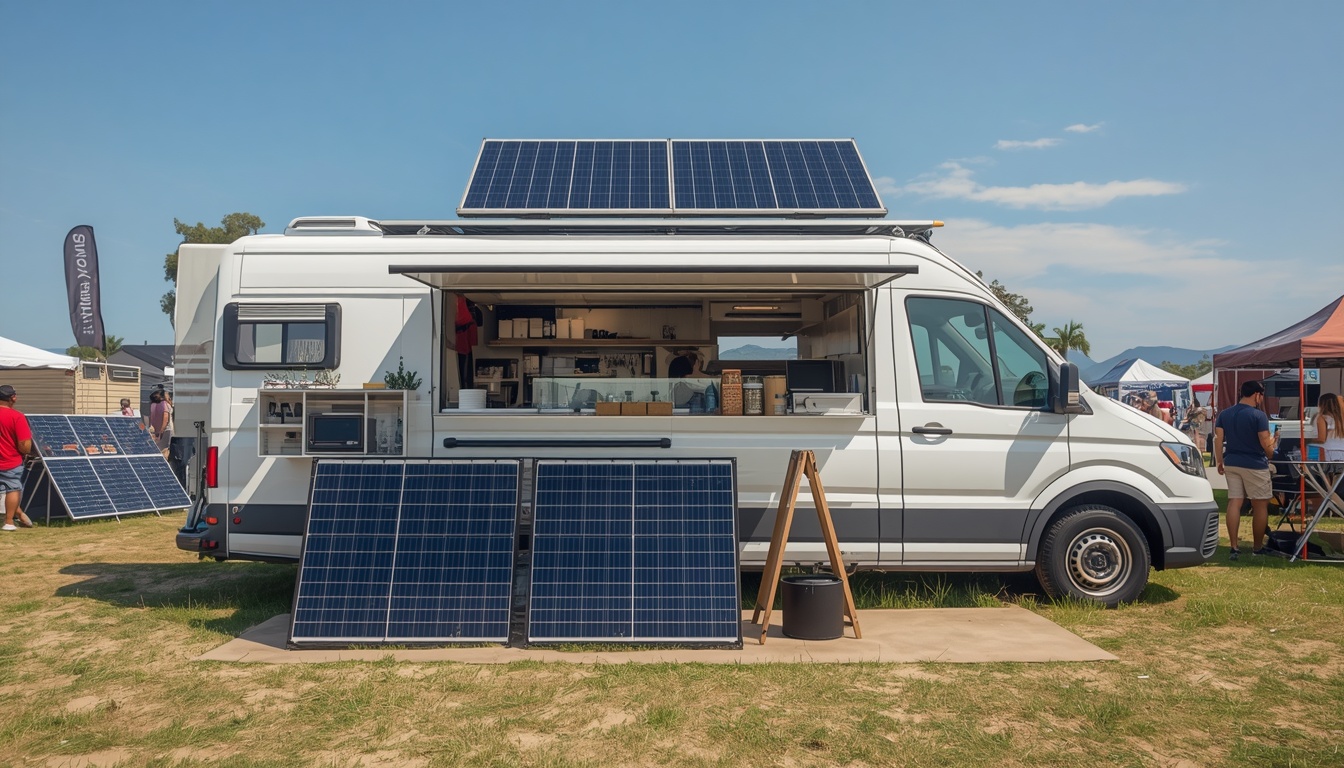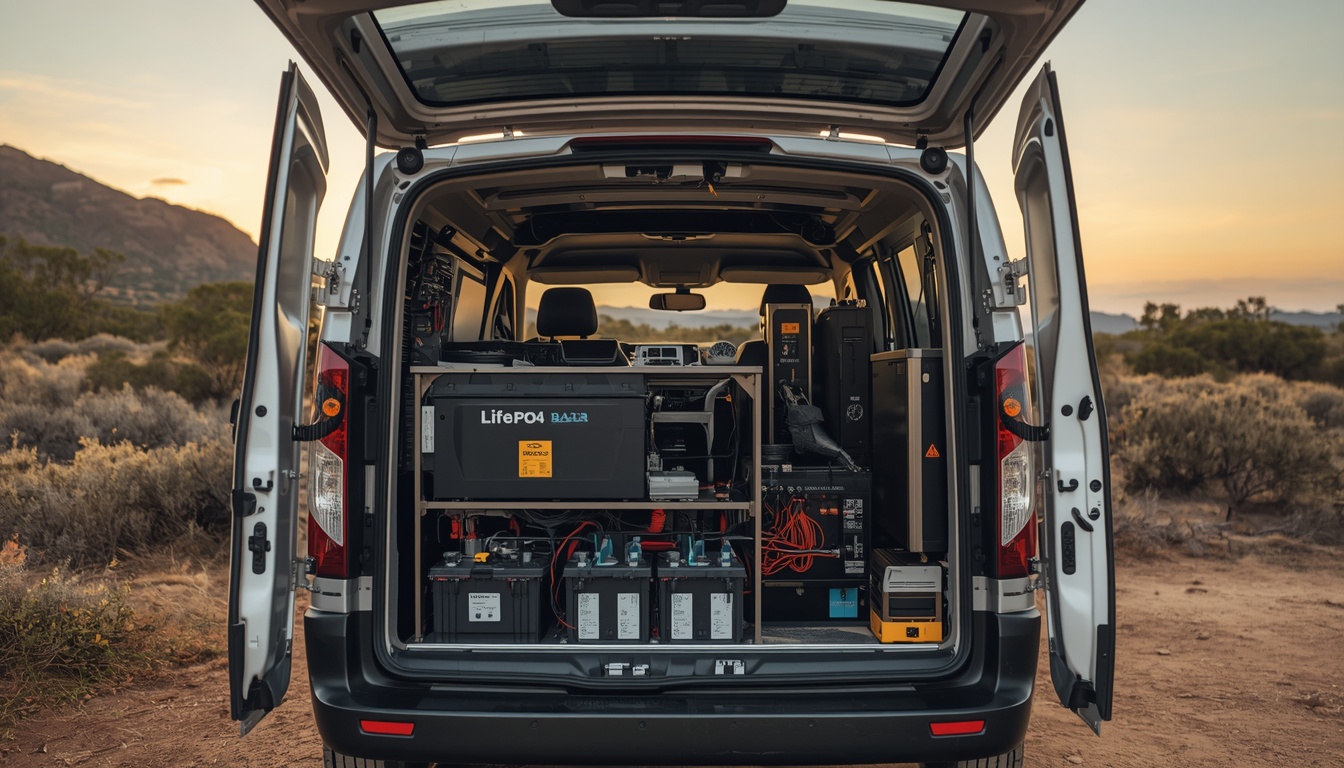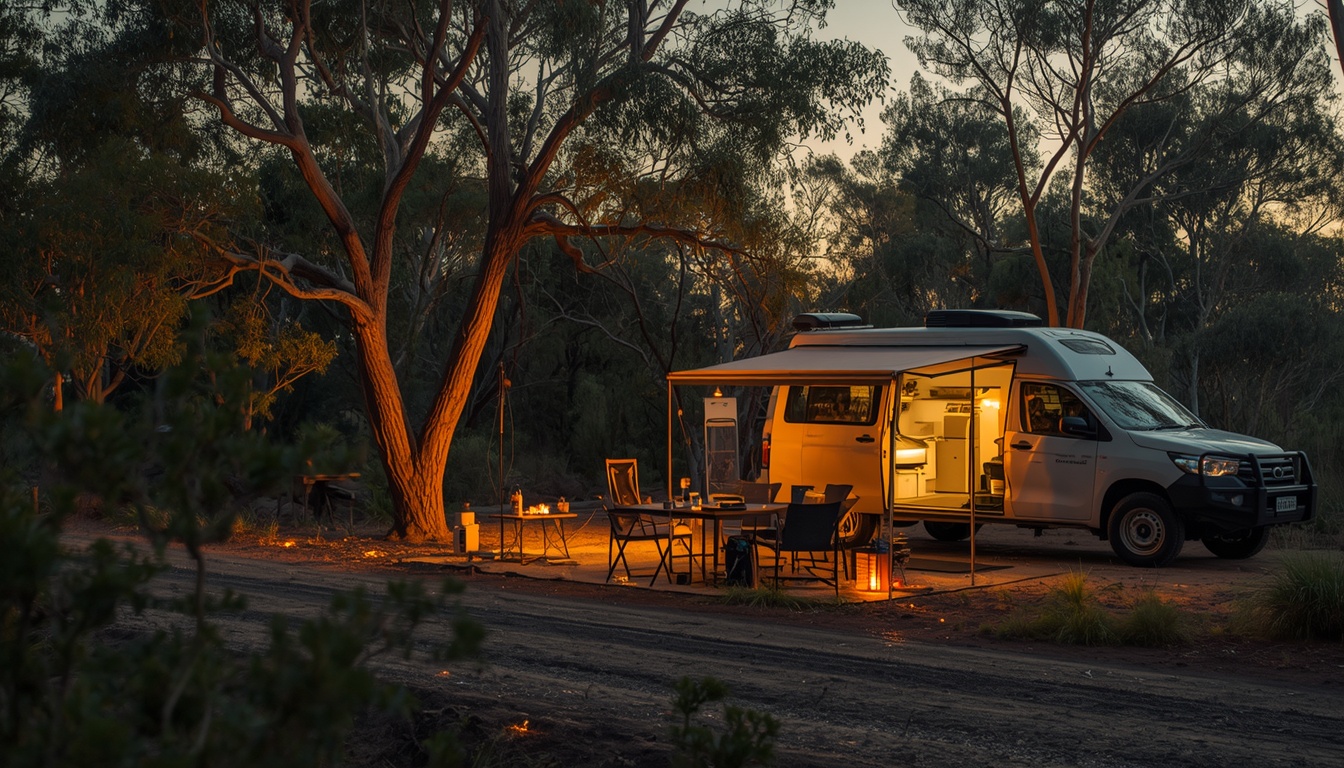
Living full-time in a van means your electrical system must perform reliably every day, with no room for guesswork. One of the most common and costly mistakes new van lifers make is underestimating how many solar panels for a van are needed to support full-time off-grid living.
If you’re wondering how many solar panels for a van are required, the answer depends on your daily power usage, battery capacity, and available roof space. Too little solar leads to flat batteries, constant power management, and reliance on shore power. Too much solar wastes money and valuable roof area.
This guide provides a clear, practical breakdown based on real-world energy use, not vague averages, so you can size a solar system that delivers reliable power for full-time off-grid van life.

What “Solar Power for Full-Time Van Living” Really Means
When people ask how many solar panels a van needs, they’re really asking:
- How much daily electricity will I use?
- Can solar replace shore power completely?
- Will it work in bad weather and winter?
Solar panels don’t power your appliances directly. They charge your battery bank, which then supplies energy to your van’s electrical system. So solar sizing always depends on energy consumption + battery capacity + available sunlight.
Importance of Correct Solar Sizing for Van Life
Unlike weekend camping, living off-grid in a van leaves no margin for error. Your solar system must deliver consistent power every day.
|
Poor Solar Sizing Leads To |
Correct Solar Sizing Delivers |
|
Dead batteries after cloudy days |
Reliable off-grid power |
| Inverter shutting down at night |
Stable power for day and night use |
|
Shortened lithium battery lifespan |
Longer battery health and lifespan |
| Forced driving just to recharge |
Less driving solely for charging |
| Constant power monitoring and stress |
True location freedom |
Note: For full-time van living, LiFePO4 lithium batteries are the preferred choice due to their deep-cycle capability, fast charging, and long service life. Muller Energy’s lithium battery range is designed in Australia using premium components and stainless-steel casings, making them well-suited for demanding mobile and off-grid environments.
With a 10-year warranty and personalised technical support, these batteries are commonly used in campervans, caravans, and off-grid solar systems across Australia.

How Does a Van Solar Power System Work?
A typical van solar setup includes solar panels (rated in watts), an MPPT solar charge controller, a lithium battery bank (LiFePO4), and an inverter for supplying 240V or 120V AC power. These components work together to power both DC loads (lights, fridges, roof fans) and AC appliances via an inverter.
During daylight hours, solar panels generate energy measured in watt-hours (Wh), which is stored in the battery bank and then used to run your van’s electrical system throughout the day and night.
How to Properly Size Solar Panels for a Van?
Proper solar sizing starts with understanding how much power you actually use and how much energy your solar panels can realistically produce each day.
Before choosing panel wattage or quantities, you need to match your daily electricity consumption with real-world solar output based on sunlight, efficiency losses, and system design. The following two steps break this process down clearly.
Step 1: Calculate Your Daily Power Usage
Before choosing solar panels, you must know your daily energy consumption.
Common long-term van travel appliances
|
Appliance |
Daily Usage (Wh) |
|
12V Fridge |
800–1,200 Wh |
| Laptop |
300–600 Wh |
|
Phone, camera, small devices |
100–200 Wh |
| LED lights |
50–100 Wh |
|
Roof fan |
200–400 Wh |
| Water pump |
50 Wh |
| Inverter standby |
100 Wh |
Typical Daily Total
Most full-time van lifers use:
- 2,000–3,000 Wh/day (minimal setup)
- 3,000–4,500 Wh/day (comfortable setup)
- 5,000+ Wh/day (high-power lifestyle)
This number determines everything.
Step 2: Analyse Solar Panel Output in Real Conditions
A 200W solar panel does not produce 200W all day.
In real-world conditions:
- Average usable sunlight = 4–5 peak sun hours/day
- Losses from heat, wiring, MPPT inefficiency = 15–25%
Realistic Daily Output Formula
Panel Watts × Sun Hours × 0.75 = Daily Wh
Example: 400W × 5 × 0.75 = 1,500 Wh/day

How Many Solar Panels Are Needed for Van Life? (Realistic Scenarios)
1. Minimal Full-Time Setup (2,000 Wh/day)
Solar needed: 500–600W
Panels (Recommended Options):
1 × Sunman eArc 520W Flexible Solar Panel
(Compact, high-output option for limited roof space)
OR
1 × Sunman eArc 430W Panel + 1 × Sunman 235W Solar Blanket
(=665W for stronger recovery and better weather buffer)
Battery bank: 200Ah lithium (=2,500Wh)
This setup is best for solo travellers who do not use electric cooking and rely mostly on DC appliances.
2. Comfortable Full-Time Van Life (3,000–4,000 Wh/day)
Solar needed: 700–1,000W
Panels (Recommended Options):
2 × Sunman eArc 430W Flexible Solar Panels
(= 860W total)
OR
1 × Sunman eArc 520W Flexible Panel + 1 × Sunman eArc 430W Panel
(= 950W total, strong headroom for cloudy days)
Battery bank:
1 × 300Ah LiFePO4 battery
OR
2 × 200Ah LiFePO4 batteries (400Ah total)
This setup is best for remote work, heavy laptop use, and running daily loads such as a fridge, fan, and inverter.
3. High-Power Van Life (5,000+ Wh/day)
Solar needed: 1,000–1,200W
Panels:
2 × Sunman eArc 520W Flexible Solar Panels
(= 1,040W total)
OR
2 × Sunman eArc 430W Panels + 1 × Sunman 235W Solar Blanket
(= 1,095W with portable expansion flexibility)
Battery bank:
2 × 300Ah LiFePO4 batteries (600Ah total)
OR
1 × 300Ah + 1 × 200Ah LiFePO4 battery (500Ah total)
This setup is best for induction cooking, running Starlink, supporting multiple people, and extended off-grid stays during winter.

Build a Reliable Van Solar System with Muller Energy
Choosing high-quality components is critical for building a reliable van solar system. Muller Energy supplies high-performance LiFePO4 lithium batteries (105Ah–300Ah, including slimline and touchscreen models) and lightweight Sunman eArc flexible solar panels (430W, 520W, and 235W) ideal for van roofs.
Our batteries are engineered in Australia, backed by a 10-year warranty, and include AS/NZS 3001.2 compliant venting kits for safer installs. With expert support and 4.9-star customer reviews, we help van lifers build dependable off-grid systems with confidence.
Don’t Let Roof Space Limit Your Solar Potential

Note: Most medium-wheelbase vans can fit 600–900W of solar, depending on panel type and roof accessories such as fans and racks.
Lithium Batteries Change Solar Requirements
Modern LiFePO4 batteries allow deeper discharge and faster charging than AGM batteries, typically providing 90–100% usable capacity, compared to around 50% usable capacity for AGM batteries, to avoid damage. They also accept higher charge currents from solar and maintain a stable voltage under load.
This improved efficiency can reduce charging time and improve system performance, but full-time van living still requires adequate solar capacity and headroom for consistent, reliable power.
Final Takeaway on Solar Panels for Long-term Van Travel
Most full-time vans need between 600W and 1,000W of solar, depending on daily power use rather than panel count alone. Lithium batteries improve efficiency but do not replace the need for adequate solar input, and roof space often limits system size. Slightly oversizing the solar array helps reduce power stress and improves overall reliability for full-time van living.
Frequently Asked Questions
Q1. Do I need solar if I have a DC-DC charger?
Yes, A DC-DC charger only works while the engine is running, meaning you must drive to recharge your battery. Solar provides stationary charging, allowing you to stay parked for days without relying on fuel or daily driving.
Q2. Does solar work in winter?
Yes, but output drops significantly due to shorter daylight hours and lower sun angles. Cloud cover further reduces production. Oversizing your solar array and having an alternator charging as backup helps maintain reliable power during winter travel.
Q3. When should you oversize your solar system for van life?
Oversizing your solar system makes sense if you work remotely, travel in winter, stay parked for extended periods, or want less daily power management. As a general rule, install as much solar as your roof space and budget allow to improve reliability and support long-term battery health.
Q4. What type of lithium battery is best for full-time van solar systems?
LiFePO4 (Lithium Iron Phosphate) batteries are widely regarded as the safest and most durable option for van solar systems. Australian-designed options, such as Muller Energy’s lithium batteries, are built to handle deep cycling, high charge rates, and long-term off-grid use.