Rising electricity costs are putting significant pressure on Australian businesses. From manufacturing facilities to hospitality venues, energy bills are now one of the fastest-growing operating expenses.
How businesses can manage the rising energy prices in Australia is no longer just a budgeting question; it’s a strategic priority.
This guide explains what’s driving higher costs, why it matters, and exactly how businesses can reduce exposure through energy efficiency, solar power systems, battery storage, and smarter procurement strategies.

Why Are Energy Prices Rising in Australia?
Several structural factors influence energy prices in Australia:
- Wholesale electricity market volatility
- Network and transmission upgrades
- Increased demand during peak periods
- Fossil fuel price fluctuations
- Grid reliability investments
For businesses, this results in higher electricity tariffs, unpredictable bills, and increased exposure to peak demand charges.
Market Update: The Australian Energy Regulator (AER) reports that wholesale electricity prices increased across all National Electricity Market (NEM) regions in June 2025 after a stable autumn, with quarter-on-quarter rises ranging from 33% in Queensland to 132% in Victoria.
Compared to the same period last year, prices were also 10% to 25% higher in most regions, underscoring ongoing market volatility.
6 Ways Businesses Can Stay Profitable Despite Rising Energy Prices in 2026
Managing energy costs requires a combination of energy efficiency, load management, renewable energy adoption, and storage solutions. Below is a structured approach businesses can follow.
1. Conduct a Professional Energy Audit
What is it?
An energy audit identifies how and where your business consumes electricity, highlighting inefficiencies, usage patterns, and opportunities to reduce operational energy costs.
Why it matters:
Many businesses overpay due to inefficient equipment, outdated systems, or unmanaged peak demand, often without realising how much these factors increase electricity bills.
What to look for:
When reviewing your energy usage, focus on identifying high-load machinery that consumes significant power during operation, as these assets often drive peak demand charges. Inefficient lighting systems, particularly outdated fluorescent or halogen fixtures, can also add unnecessary cost over time.
HVAC systems frequently contribute to energy waste when they continue running outside normal operating hours or are poorly calibrated. Phantom loads, equipment drawing power even when not actively in use, quietly increase baseline consumption.
Additionally, a poor power factor can lead to avoidable penalties from energy retailers. A thorough audit highlights these inefficiencies and helps prioritise upgrades that deliver the fastest and most measurable return on investment (ROI).
2. Improve Energy Efficiency First
Before investing in new generation systems, reduce waste and optimise your existing energy consumption to maximise efficiency and return on investment.
Common upgrades:
- LED lighting retrofits
- Variable speed drives for motors
- Smart thermostats
- Insulation improvements
- Power factor correction
Reducing consumption lowers the required size of any future solar installation or battery storage system, improving ROI.

3. Install Commercial Solar Power Systems
What is it?
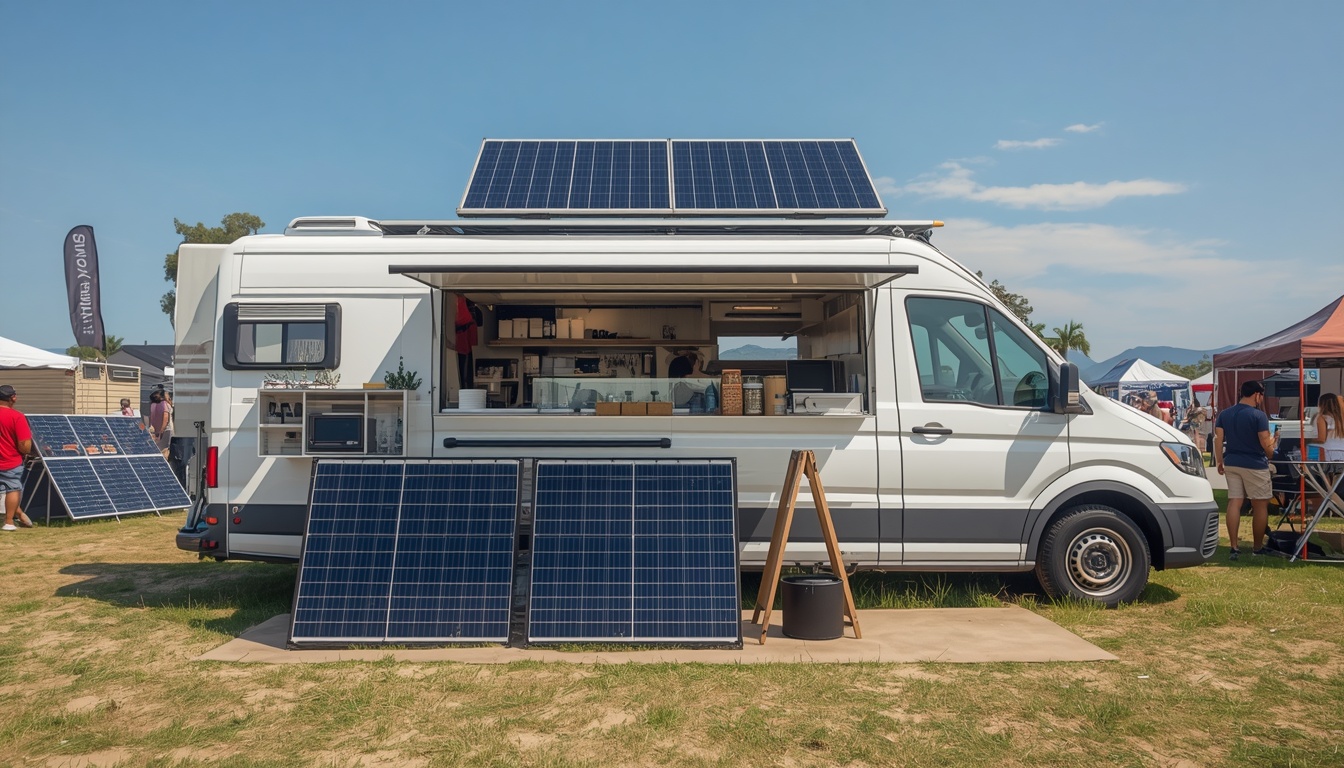
A commercial solar system uses rooftop or ground-mounted panels to generate electricity onsite, reducing reliance on grid power and lowering long-term operating costs.
Why it works:
Solar offsets daytime energy consumption when business electricity rates are typically highest, helping to stabilise operating expenses and reduce exposure to peak pricing.
Best suited for:
Commercial solar systems are ideal for warehouses, manufacturing facilities, food and beverage processing plants, retail centres, and agricultural operations with consistent daytime energy demand.
In these sectors, onsite generation can offset a significant portion of grid electricity use, helping stabilise operating costs and reduce reliance on external supply.
‘‘If you’d like to understand the broader shift toward renewable adoption, you can learn more about why Australians are turning to solar panels and how businesses are applying similar strategies.’’
4. Add Battery Storage to Reduce Peak Charges
Solar alone does not eliminate exposure to demand spikes. That’s where lithium battery storage becomes critical.
What is battery storage?
A system that stores excess solar energy or cheap off-peak grid power for later use, allowing businesses to draw on stored electricity during peak periods or outages.
Why it matters for businesses:
Battery storage matters for businesses because it helps reduce peak demand charges by supplying stored energy during high-usage periods. It also provides reliable backup power during outages, minimising costly downtime and operational disruption.
By improving overall energy resilience and enabling load shifting from peak to off-peak periods, businesses gain greater control over electricity costs and supply stability.
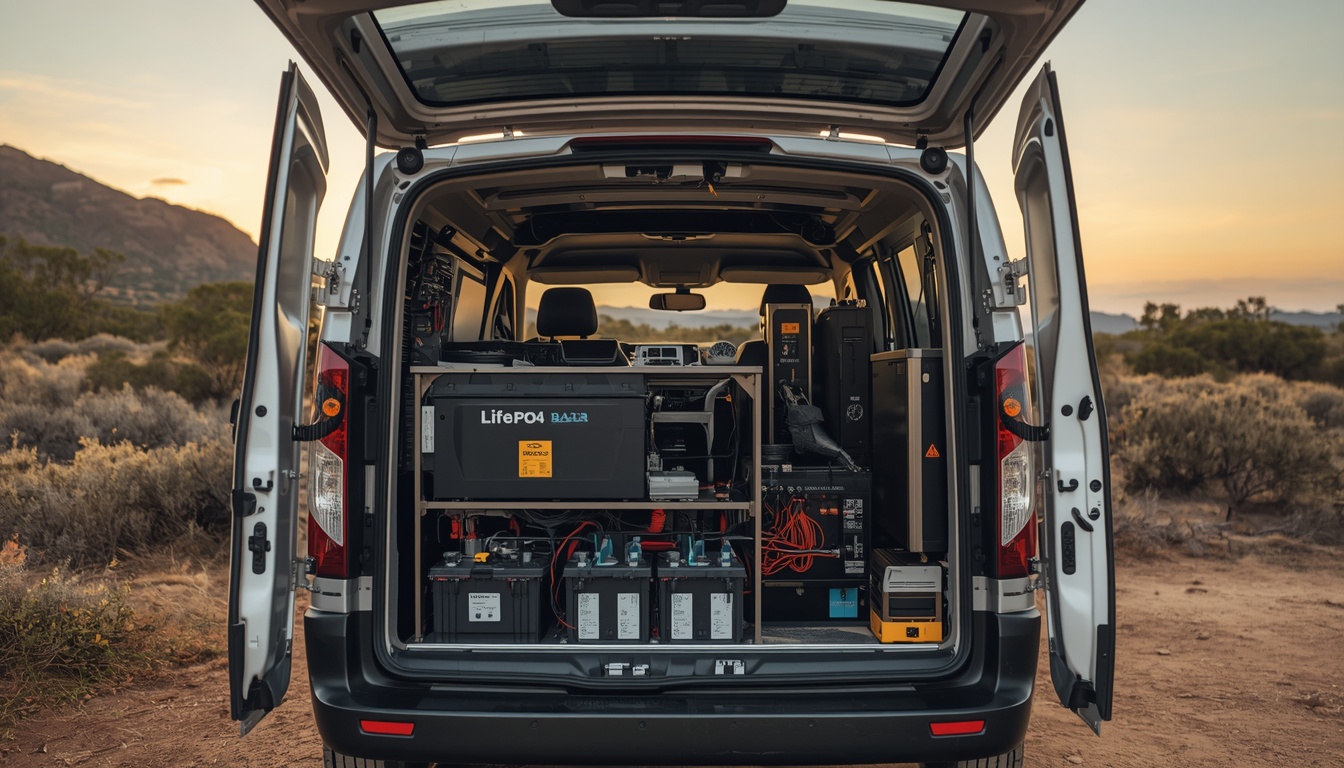
Lithium iron phosphate (LiFePO4) batteries are now the preferred commercial solution due to:
- Long cycle life
- Thermal stability
- Lower maintenance
- Higher usable capacity
For businesses implementing commercial battery storage, choosing high-quality LiFePO4 systems with integrated BMS protection is essential. Suppliers like Muller Energy provide scalable lithium solutions designed specifically for Australian operating conditions, with bulk purchasing options and tailored B2B support.

5. Implement Smart Energy Management Systems
Modern energy management systems (EMS) use real-time monitoring and automation to track consumption patterns, optimise load distribution, and improve overall operational energy efficiency.
Capabilities include:
- Load balancing
- Peak shaving
- Automated switching between solar, battery, and grid
- Usage analytics
This allows businesses to make data-driven decisions and optimise their energy procurement strategy.
6. Consider Off-Grid or Hybrid Energy Systems
For businesses operating in remote locations or regions with high grid electricity costs, a hybrid or off-grid energy setup can significantly reduce long-term exposure to price volatility and supply instability.
Industries such as mining support sites, regional food producers, agricultural operations, and marine and transport sectors often benefit the most due to their continuous or mission-critical energy needs.
These hybrid systems typically integrate solar panels, inverters, lithium battery storage, and backup generators to create a reliable and self-sufficient power solution tailored to operational demands.
Note: In many cases, commercial solar and battery systems achieve a return on investment within 3–6 years, depending on load profile, peak demand exposure, and system sizing. Businesses with high daytime consumption and demand charges often see faster payback periods.
Partnering With a Reliable Energy Solutions Provider
For businesses implementing solar and battery storage systems, selecting reliable components is critical. Compliance with Australian standards, long-term product durability, ongoing technical support, and scalability for future expansion should all be central considerations when choosing a supplier.
A reliable supplier should provide:
- High-performance LiFePO4 batteries
- Battery Management Systems (BMS)
- Inverters and chargers
- Solar Panels
- Bulk purchasing options
- Customisable B2B energy solutions
- Dedicated technical support
Muller Energy supports Australian businesses with scalable lithium battery and solar solutions engineered for commercial applications. Designed for durability and performance in demanding operating environments, systems are backed by a 10-year warranty and a 4.9-star Google rating.
We work with businesses across solar, marine, food & beverage, and off-grid sectors, providing tailored energy packages and technical guidance from system design through to implementation.
Speak to our team for a tailored commercial energy assessment.

When Should Businesses Take Action?
If your business has rising electricity bills, heavy daytime energy use, downtime risks, refrigeration or continuous processes, or operates in regional Australia, it may be time to review your energy strategy and consider solar and battery solutions.
Business Scenario |
Why It’s Important |
| Rising electricity bills year-on-year | Indicates growing exposure to market volatility and tariff increases. |
| Heavy daytime energy loads | Ideal for solar offset, as peak usage aligns with solar generation. |
| Downtime risks | Battery storage provides backup power and operational continuity. |
| Refrigeration or continuous processes | A stable power supply is critical to avoid losses and spoilage. |
| Located in regional Australia | Grid costs and reliability issues are often higher, making hybrid systems attractive. |
Then, implementing solar + battery storage is financially viable in most cases.
The earlier you act, the sooner you lock in energy cost certainty.
Rising energy prices in Australia are unlikely to ease soon. Businesses that proactively invest in energy efficiency, solar, and battery storage can reduce cost volatility, improve resilience, and gain long-term operational certainty. Energy strategy is no longer optional; it’s a core part of staying competitive.
FAQs
1. Are lithium batteries safe for commercial applications?
Yes, modern LiFePO4 batteries are thermally stable, long-lasting, and suitable for commercial use when installed correctly. They include integrated Battery Management Systems (BMS) that monitor temperature, voltage, and current to ensure safe operation and protect against overcharging or overheating.
2 Can small businesses benefit from battery storage?
Yes, Small-to-medium businesses with daytime operations and peak demand charges often see strong returns from hybrid systems. Battery storage helps reduce peak tariffs, improve energy stability, and provide backup power to minimise costly downtime.