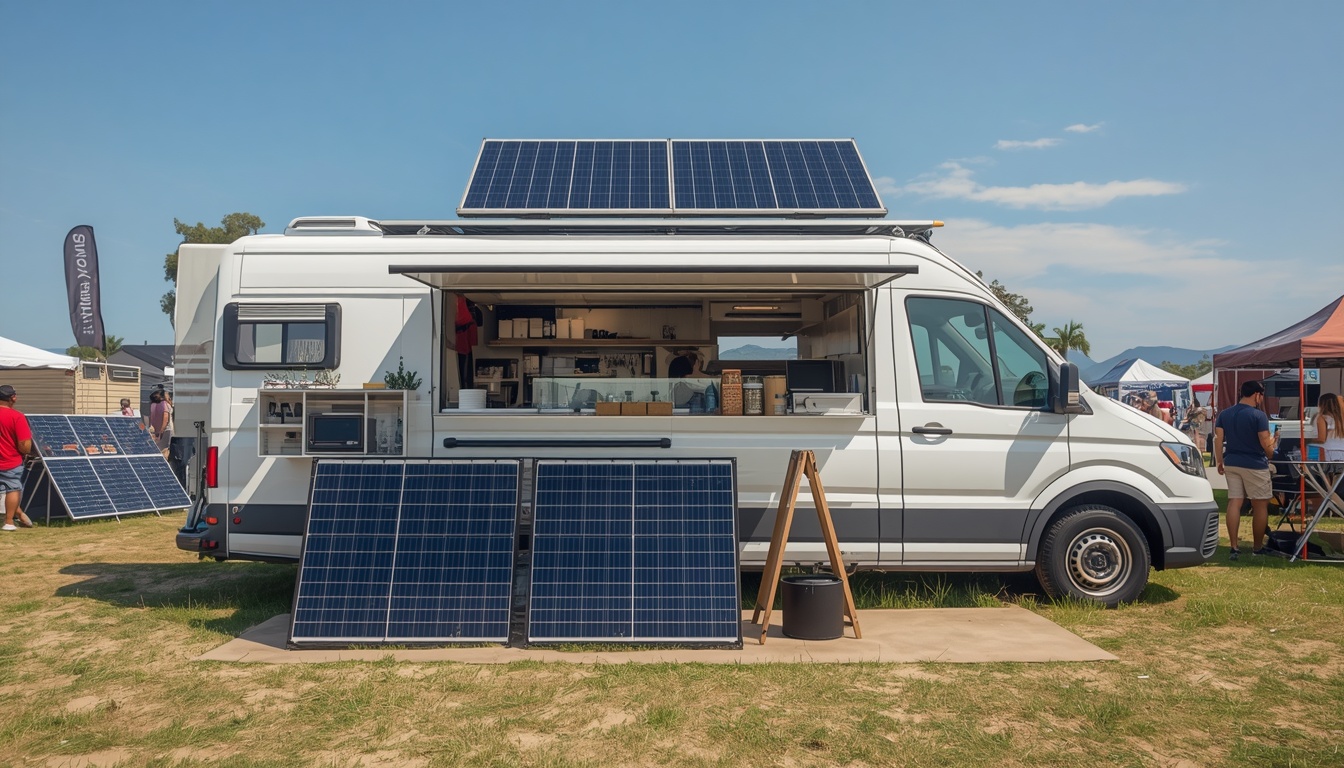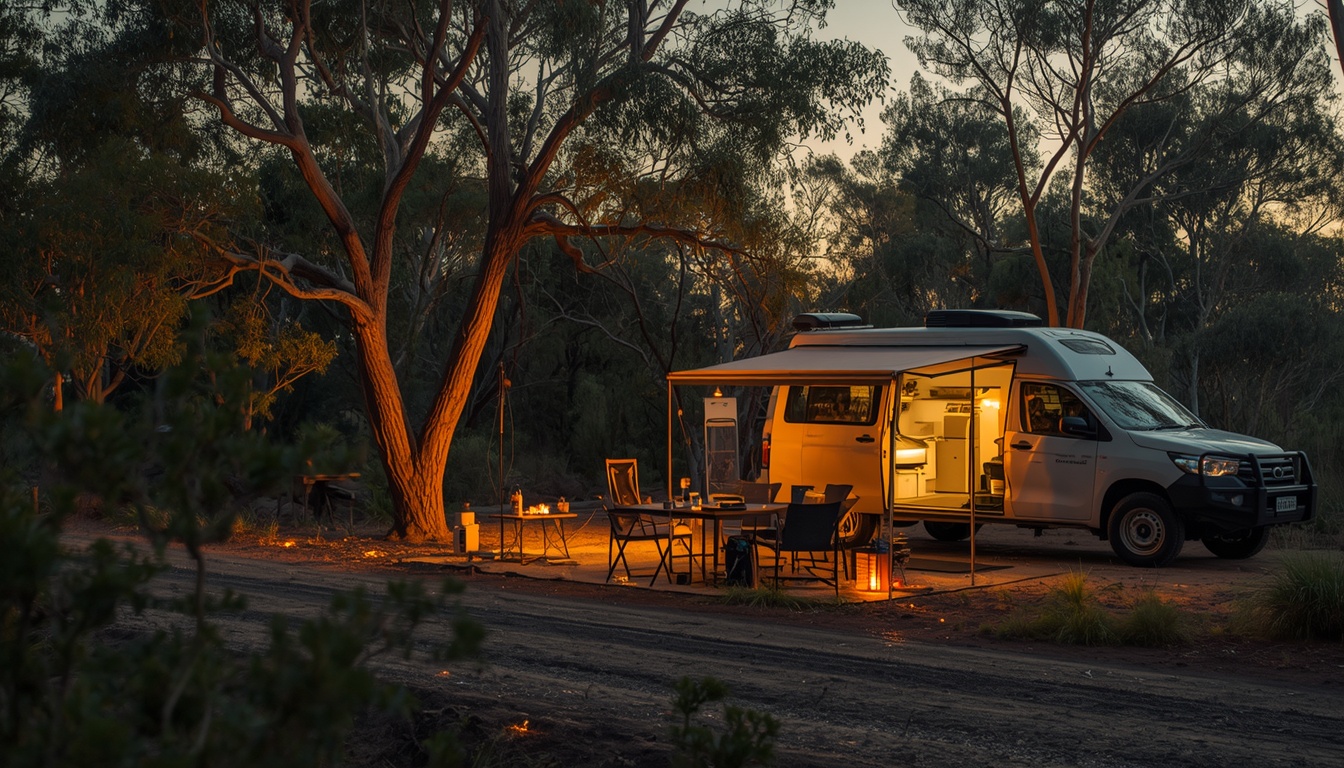
If you’re planning a 12V canopy setup for camping, touring, or remote work, you may be wondering whether solar panels alone can keep everything powered. The answer depends on more than simply installing solar panels; it comes down to designing a system that produces enough energy to match your daily power consumption.
When correctly sized, a solar-powered canopy system can run essentials such as a fridge, LED lighting, USB chargers, water pumps, and other 12V accessories without needing to recharge from your vehicle every day.
This guide explains how solar-only canopy systems work, how to size the main components, and what factors determine whether they’ll reliably support your off-grid adventures.
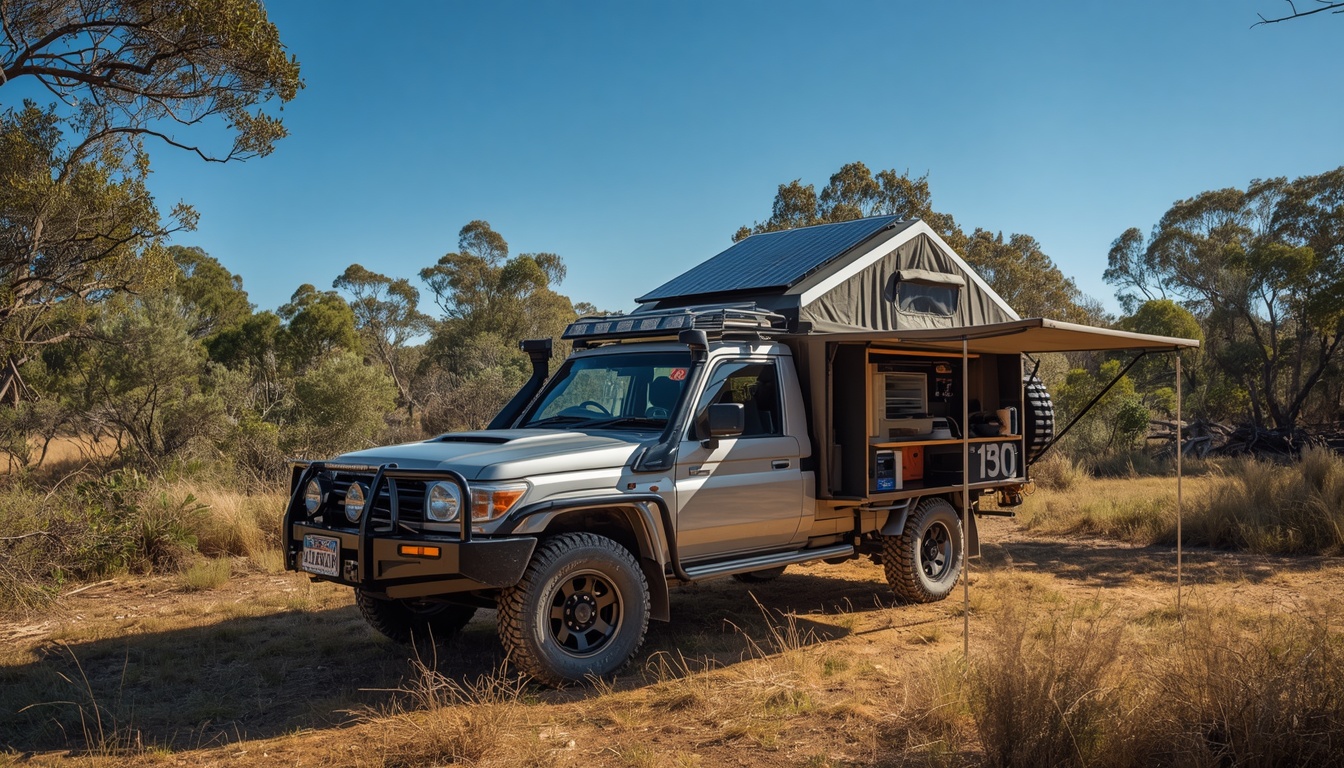
When Does a Solar-Only 12V Canopy Setup Work Best?
A canopy setup can operate entirely on solar power when the energy generated during the day replaces the electricity your appliances consume while keeping enough reserve in the battery for overnight use and periods of poor weather.
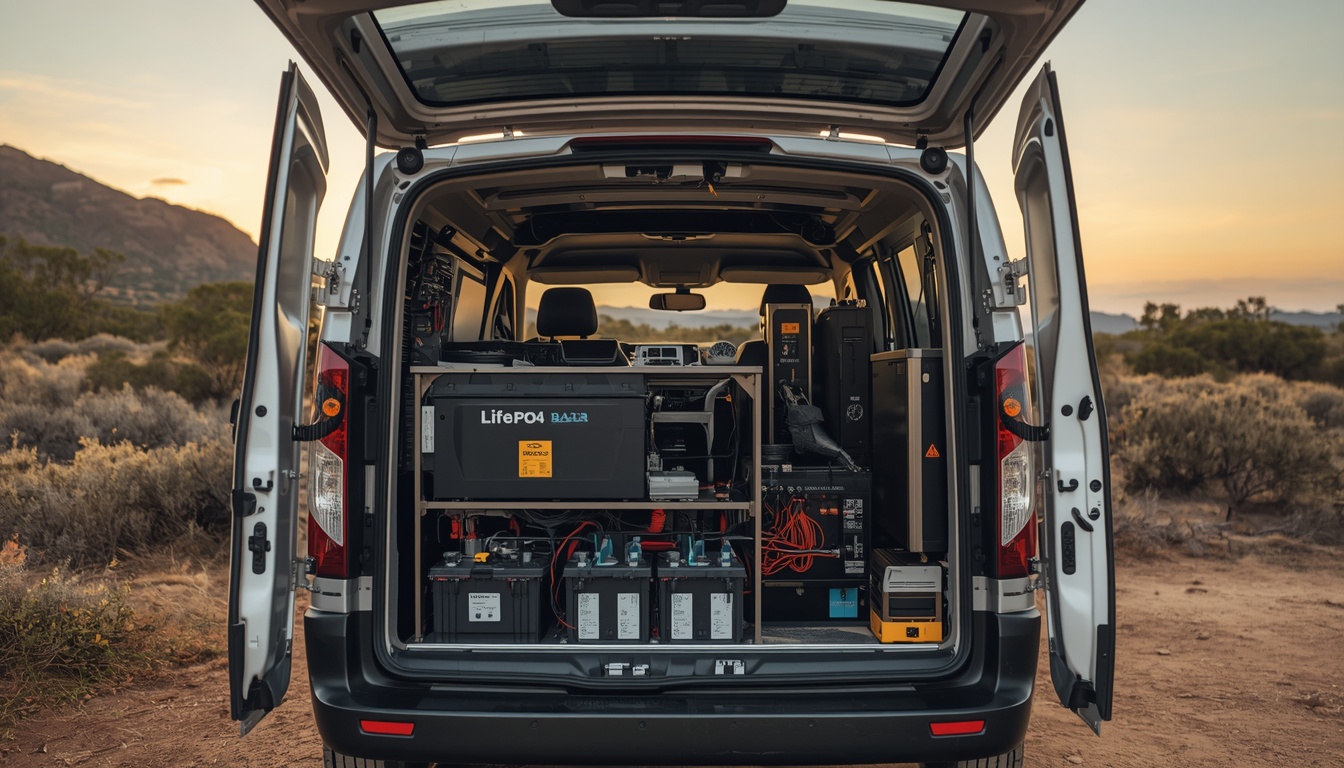
A typical solar-powered canopy system includes:
- Solar panels
- LiFePO4 battery
- MPPT solar charge controller
- Battery Management System (BMS)
- DC distribution panel or fuse box
- Quality cabling and connectors
- Optional inverter for powering 240V appliances
When these components are matched to your daily energy requirements, a well-designed system can provide reliable power for extended off-grid trips without depending on alternator charging.
Estimate Your Daily Power Consumption
Before choosing a battery or solar panel, calculate how much electricity your setup uses each day. Understanding your daily energy consumption helps you size your solar system correctly and avoid running out of power while off-grid.
|
Appliance |
Approximate Daily Consumption |
|
12V fridge |
25–60Ah |
|
LED lighting |
3–8Ah |
|
Water pump |
2–5Ah |
| Phone charging |
2–5Ah |
| Laptop charging |
8–15Ah |
| Portable fan |
5–10Ah |
Many recreational canopy setups consume between 50Ah and 90Ah per day, although larger systems with additional accessories may require considerably more. Knowing your daily consumption is the first step towards choosing the right battery and solar capacity.

Choosing the Right Battery Capacity
LiFePO4 batteries have become the preferred choice for canopy systems because they offer higher usable capacity, faster charging, and a significantly longer service life than traditional lead-acid batteries.
They are also lighter, maintain a more stable voltage under load, and require minimal maintenance, making them well suited to off-grid camping and touring applications.
As a general guide:
- 100Ah – Suitable for light weekend camping.
- 200Ah – A good choice for longer trips and moderate power use.
- 300Ah or more – Better suited to larger setups with higher daily energy demands.
Choosing a battery with enough capacity helps maintain reliable power during cloudy weather or increased energy usage.
Related Articles:
Build a Reliable Off-Grid Solar System
Why an MPPT Solar Charge Controller Is Essential for LiFePO4 Batteries
Top Mistakes People Make When Building an Off-Grid Battery System

How Much Solar Do You Need?
The right solar panel size depends on several factors, including your daily energy consumption, the average sunlight hours at your location, seasonal weather conditions, panel orientation, and the amount of shading your panels receive.
Considering these factors together will help you choose a solar system that consistently meets your power needs.
Estimate Daily Solar Generation
A simple way to estimate how much energy your solar panels can produce each day is:
Daily Solar Generation (Ah) = Panel Watts × Peak Sun Hours × System Efficiency ÷ Battery Voltage
Battery voltage is used to convert solar panel output (watts) into battery capacity (amp-hours). Since this guide focuses on 12V canopy systems, the example uses a nominal battery voltage of 12V.
For example, a 300W solar panel receiving around 5 peak sun hours with an estimated 80% system efficiency would generate approximately:
300W × 5 × 0.8 ÷ 12V = 100Ah per day
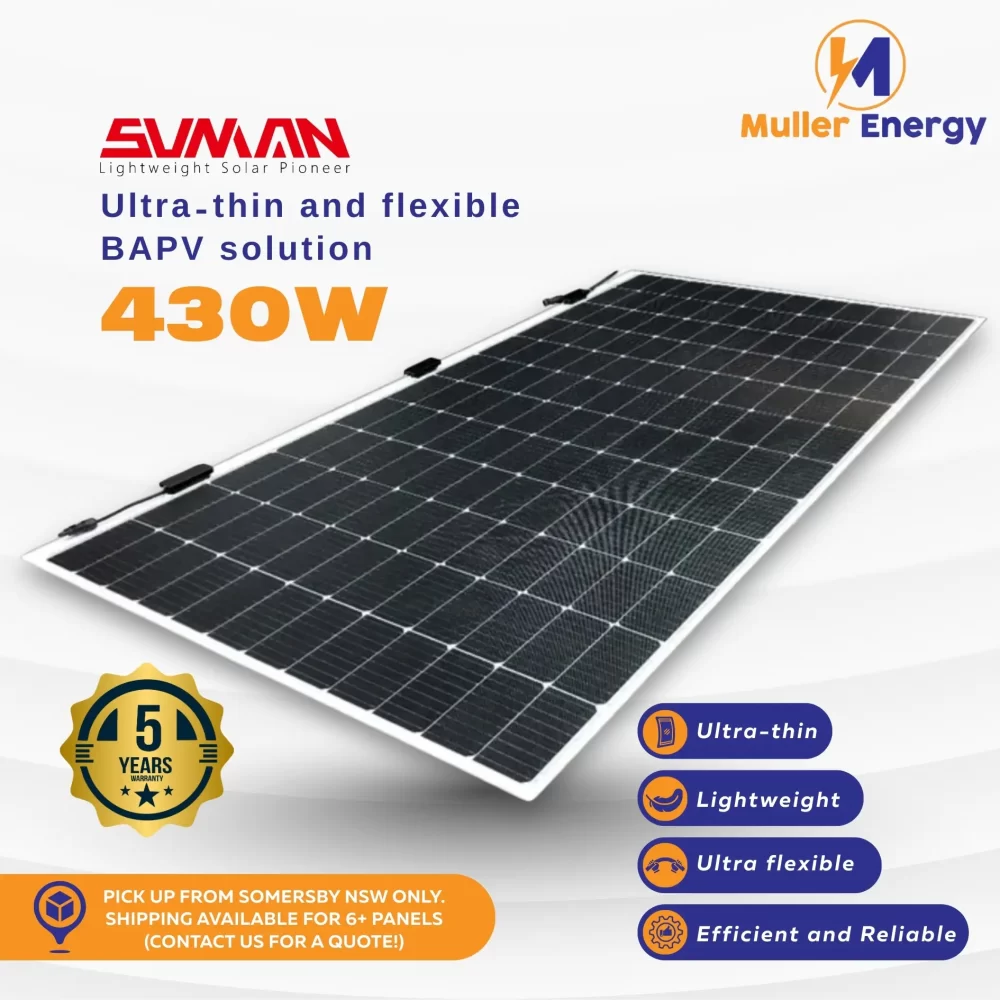
This means a properly installed 300W solar system may produce around 100Ah of charge per day under good Australian conditions, although actual output will vary depending on weather, season, shading, panel orientation, and location.
As a starting point:
| Daily Consumption | Recommended Solar Capacity |
| Up to 50Ah | 200-250W |
| 5080Ah | 250-350W |
| 80-100Ah | 350-450W |
| Over 100Ah | 450W+ |
Note: Installing slightly more solar capacity than your calculations suggest provides additional charging capability during less-than-ideal weather conditions.
Factors That Affect Solar Performance
Even a well-designed system won’t produce the same amount of energy every day. Common factors that reduce solar output include:
- Weather and Seasonal Conditions: Cloudy weather and shorter winter days reduce the amount of energy your panels can generate, slowing battery charging.
- Shade: Trees, roof racks, or other equipment casting shadows across a panel can significantly reduce its output.
- Panel Angle: Panels positioned towards the sun generally produce more energy than those mounted flat.
- Dirty Panels: Dust, mud, leaves, and bird droppings block sunlight and reduce charging efficiency. Cleaning panels regularly helps maintain performance.
Finding the Right Components for Your Canopy Setup
By now, you should have a good idea of the battery capacity and solar system that best suits your needs. When you’re ready to buy, focus on product quality, compatibility, warranty, and after-sales support rather than price alone. Selecting components from a supplier that offers expert technical advice can also help you avoid costly compatibility issues and simplify installation.
If you’re planning a new canopy power system or upgrading an existing one, Muller Energy supplies LiFePO4 batteries, solar panels, MPPT solar charge controllers, DC-DC chargers, inverters, BMS units, cabling, and accessories designed for Australian conditions.
Backed by expert technical advice, dependable after-sales support, and a 4.9-star Google rating, we help customers build reliable off-grid power systems with confidence.
Not sure how much battery capacity or solar you need? Our team can help you choose the right battery, solar panels, and supporting components based on your appliances, travel style, and expected off-grid duration.

When Solar Alone May Not Be Enough
A well-designed solar canopy system can provide reliable power for extended off-grid trips, but solar alone isn’t always enough. Its performance depends on consistent sunlight and matching your daily energy use to the amount of power your solar panels can generate.
You may need additional charging from a DC-DC charger, portable solar panels, or occasional mains power in situations such as:
- Several cloudy days: Consecutive overcast days can significantly reduce solar output, making it difficult to fully recharge your battery.
- Winter camping: Shorter daylight hours and a lower sun angle reduce daily solar generation compared with summer.
- Shaded campsites: Parking under trees or beside tall structures can greatly reduce panel performance, even if only part of a panel is shaded.
- High-power 240V appliances: Running appliances such as induction cooktops, coffee machines, kettles, microwaves, or portable air conditioners through an inverter can consume large amounts of energy and quickly deplete your battery.
- Higher-than-expected energy use: Adding extra lights, charging multiple devices, or using appliances for longer than planned can increase daily power consumption beyond your system’s design.
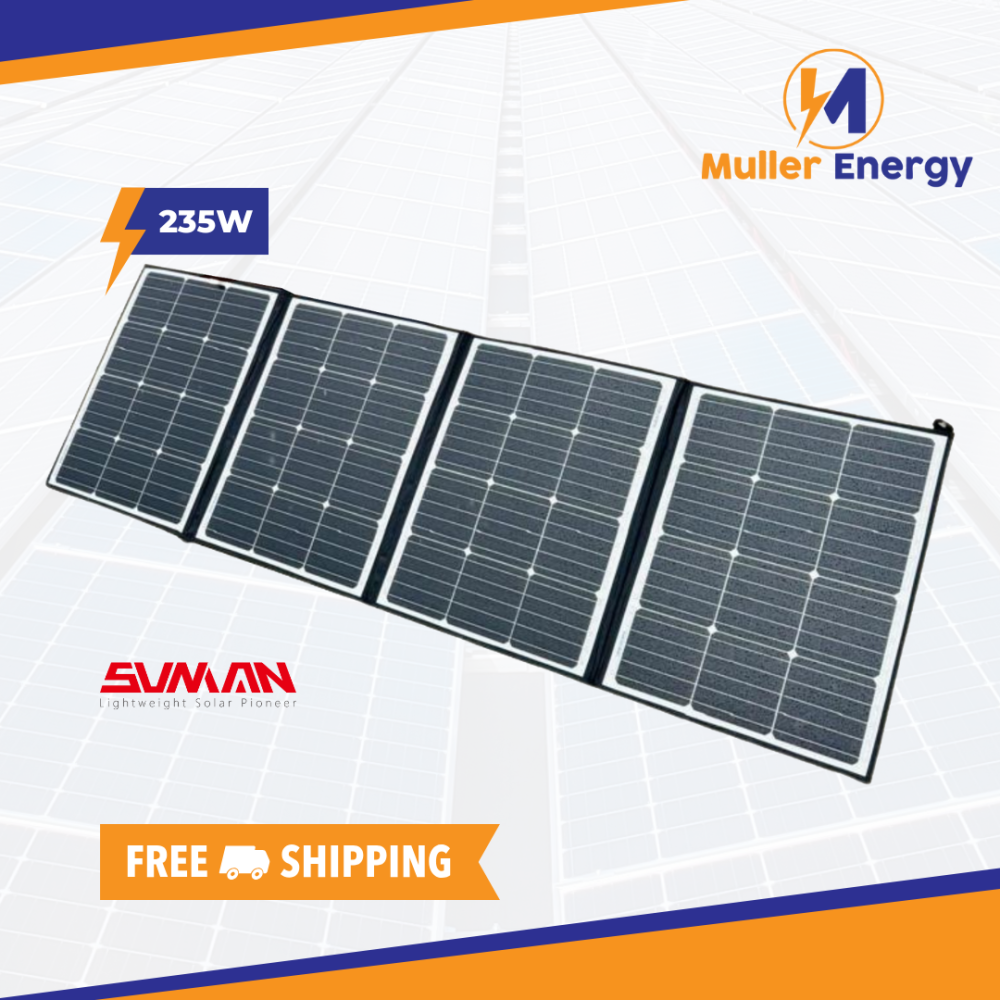
If you regularly camp in these conditions, consider increasing your battery capacity, installing additional solar panels, carrying portable solar panels for improved sun exposure, or adding a DC-DC charger so your battery can recharge while driving.
Frequently Asked Questions
Is a LiFePO4 battery better than an AGM battery for canopy systems?
Yes. LiFePO4 batteries provide greater usable capacity, faster charging, longer service life, lower weight, and improved efficiency compared with AGM batteries.
Do I need an inverter for an off-grid setup?
Only if you need to power 240V appliances; most camping essentials, including 12V fridges, LED lighting, water pumps, and USB chargers, can run directly from your 12V battery system without an inverter.
How Long Can You Stay Off-Grid Using Solar Alone?
How long you can stay off-grid depends on your battery capacity, solar output, weather conditions, and daily power consumption. A properly sized system can support extended trips, provided your solar panels consistently replace the energy you use.
Can Solar Power Run a Fridge All Day?
Yes, provided your system is correctly sized. A 12V compressor fridge is one of the most common appliances in a canopy setup and can run continuously on solar with sufficient battery capacity and daily solar generation.