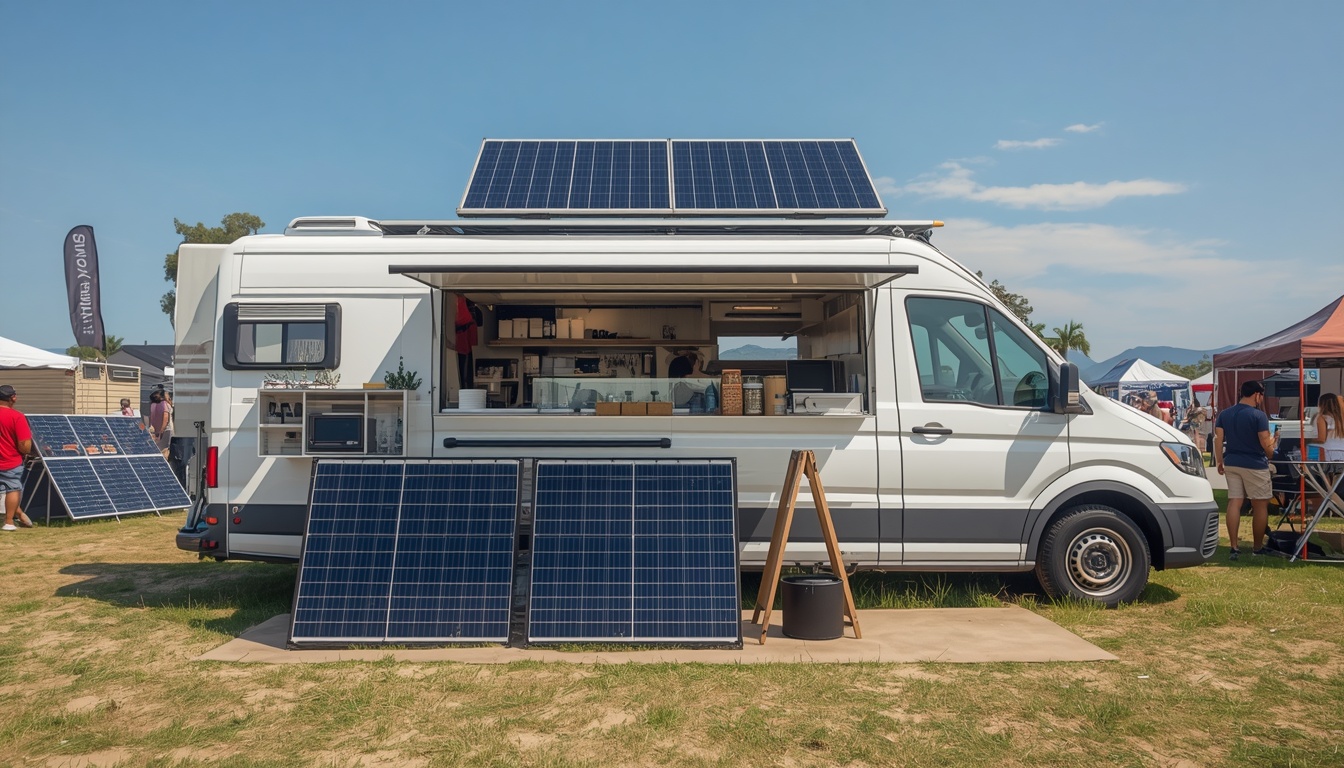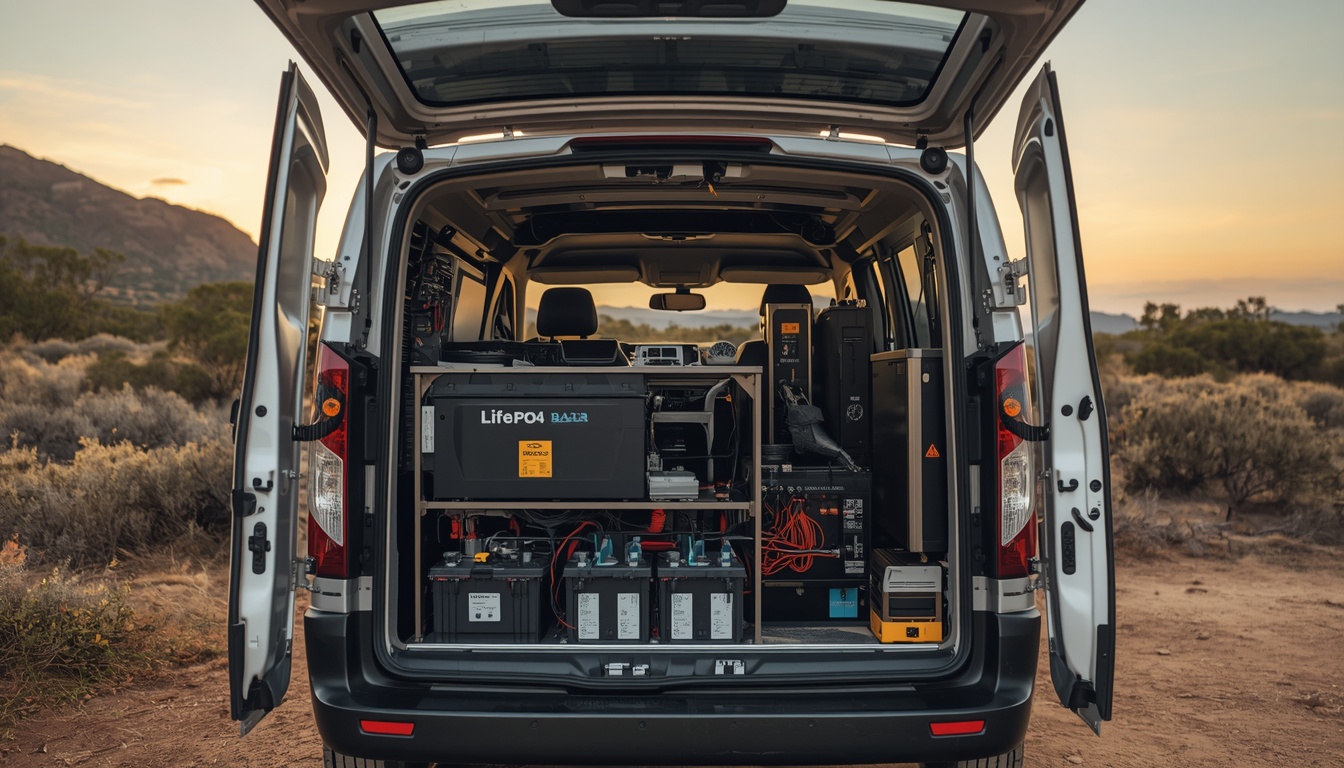
Solar panels are designed to handle heat, but excessive temperatures can reduce their efficiency and lifespan. If you’re searching for how to cool down solar panels, you’re likely dealing with performance drops in hot weather, especially in off-grid, 4WD, or rooftop systems.
This guide explains exactly what causes overheating, why it matters, and practical ways to keep your panels cooler and more efficient without overcomplicating things.
What Does It Mean to Cool Down Solar Panels?
Cooling solar panels means reducing their operating temperature so they can generate electricity more efficiently. Solar panels are rated at 25°C (77°F) under standard test conditions (STC), which refers to the cell temperature, not the surrounding air temperature.
In real-world conditions, especially in hot climates like Australia, panel temperatures typically run 20–35°C higher than ambient temperature, meaning they can easily reach 60–70°C or more, significantly reducing power output.
This temperature increase matters because solar panels typically lose around 0.3% to 0.5% of their efficiency for every degree Celsius above their rated temperature. As panels heat up, their voltage output drops, leading to lower overall energy production.
Over time, consistently high temperatures can also accelerate material degradation, potentially shortening the lifespan of the panels and reducing long-term system reliability.

Why Solar Panels Overheat
Understanding the cause helps you choose the right cooling method.
Common Causes:
- Direct sun exposure (no airflow underneath)
- Poor installation angle or spacing
- Dark roofing materials absorbing heat
- Dust and dirt buildup
- Poorly designed mounting systems that restrict airflow
How to Cool Down Solar Panels (Proven Methods)
Here are the most effective and practical ways to reduce solar panel temperature and maintain consistent performance, especially in hot and demanding conditions. The following methods focus on improving airflow, minimising heat absorption, and optimising overall system efficiency, covering everything from installation techniques and regular maintenance to material choices and component quality.
1. Improve Airflow Under the Panels
This is one of the simplest and most effective ways to keep solar panels cool. It works by allowing air to circulate beneath the panels, which helps carry heat away naturally and prevents excessive temperature buildup.
What to do:
- Leave a gap of at least 100–150mm between the roof and panels
- Use raised mounting brackets
- Avoid flush installations where possible
Best for: Rooftop, caravan, and 4WD setups
2. Clean Panels Regularly
Dust and debris can reduce the efficiency of solar panels by blocking sunlight and limiting energy absorption. Keeping panels clean allows them to capture more sunlight and operate at higher efficiency, resulting in better overall power output.
While cleaning improves performance and helps prevent efficiency losses, its direct impact on reducing panel temperature is minimal. Instead, the main benefit is maintaining consistent energy production and system reliability over time.
Cleaning tips:
- Use water and a soft brush
- Clean early morning or evening (avoid thermal shock)
- Avoid harsh chemicals
Mistake to avoid: Focusing only on cooling methods while ignoring solar panel quality. Lower-grade solar panels tend to lose more efficiency in heat, whereas better-engineered options from brands like Muller Energy, designed for off-grid and camping use, are built to handle high-temperature environments more effectively.

3. Use Reflective or Light-Coloured Surfaces
Dark surfaces tend to absorb more heat, which can increase the temperature of solar panels and reduce their efficiency. To minimise this effect, it’s best to install panels over light-coloured roofs or surfaces that reflect heat rather than absorb it.
Using reflective coatings or heat barriers can further help reduce heat buildup and support better overall panel performance.
4. Install Passive Cooling Systems
Passive cooling improves heat dissipation without requiring any additional energy, making it an efficient and low-maintenance solution for solar panel systems.
This approach typically involves design features such as ventilated mounting structures, aluminium backing or heat sinks, and spacing rails that allow air to flow more freely around the panels, helping to reduce temperature buildup and maintain better performance.
5. Consider Water-Based Cooling (Advanced)
This method can be effective for cooling solar panels, but it is not always practical in every setup. Options such as sprinkler systems or manual water spraying can quickly reduce panel temperature and improve performance in the short term.
However, these approaches come with drawbacks, including increased water usage, ongoing maintenance requirements, and the risk of mineral deposits forming on the panel surface, which can negatively affect efficiency over time.
6. Choose High-Quality Solar Components
Not all solar systems handle heat equally. Higher-quality panels and system components are specifically designed to perform better in high temperatures, helping to minimise energy loss and maintain more consistent output. Over time, this also supports greater reliability and durability, ensuring the system continues to operate efficiently even in demanding conditions.
Tip: If you’re running an off-grid or 4WD solar setup, pairing your panels with a reliable battery system makes a noticeable difference in overall efficiency, especially in hot climates. At Muller Energy, we offer high-performance lithium battery solutions engineered for harsh Australian conditions.
Our systems use premium cells, advanced battery management systems (BMS), and are designed to maintain stable performance even when temperatures fluctuate.
Check out our full range of lithium batteries.

Optimising Your Solar Setup for Heat (Beyond Just Cooling)
Cooling panels are only one part of the equation. Your entire solar system needs to handle high temperatures efficiently to maintain consistent performance.
For off-grid users, campers, and 4WD enthusiasts, this means using heat-resistant solar panels, efficient solar chargers and inverters, reliable lithium battery storage, and smart energy management to ensure stable and dependable power in demanding conditions.
Muller Energy offers a complete ecosystem of energy solutions, including solar panels, LiFePO4 lithium batteries, solar chargers, inverters, and essential accessories, all designed for demanding Australian conditions.
Our systems are:
- Engineered in Australia for harsh environments
- Built with premium materials for durability and heat resistance
- Equipped with advanced BMS for safe, stable performance
- Backed by a 10-year warranty on batteries for long-term reliability
For example, pairing high-quality solar panels with a well-designed battery system, like those in our 4WD Batteries range, ensures your setup continues to perform efficiently even when temperatures rise.
This system-level approach is key: even if panels heat up during peak sun, a well-matched setup helps minimise losses and maintain consistent energy output.