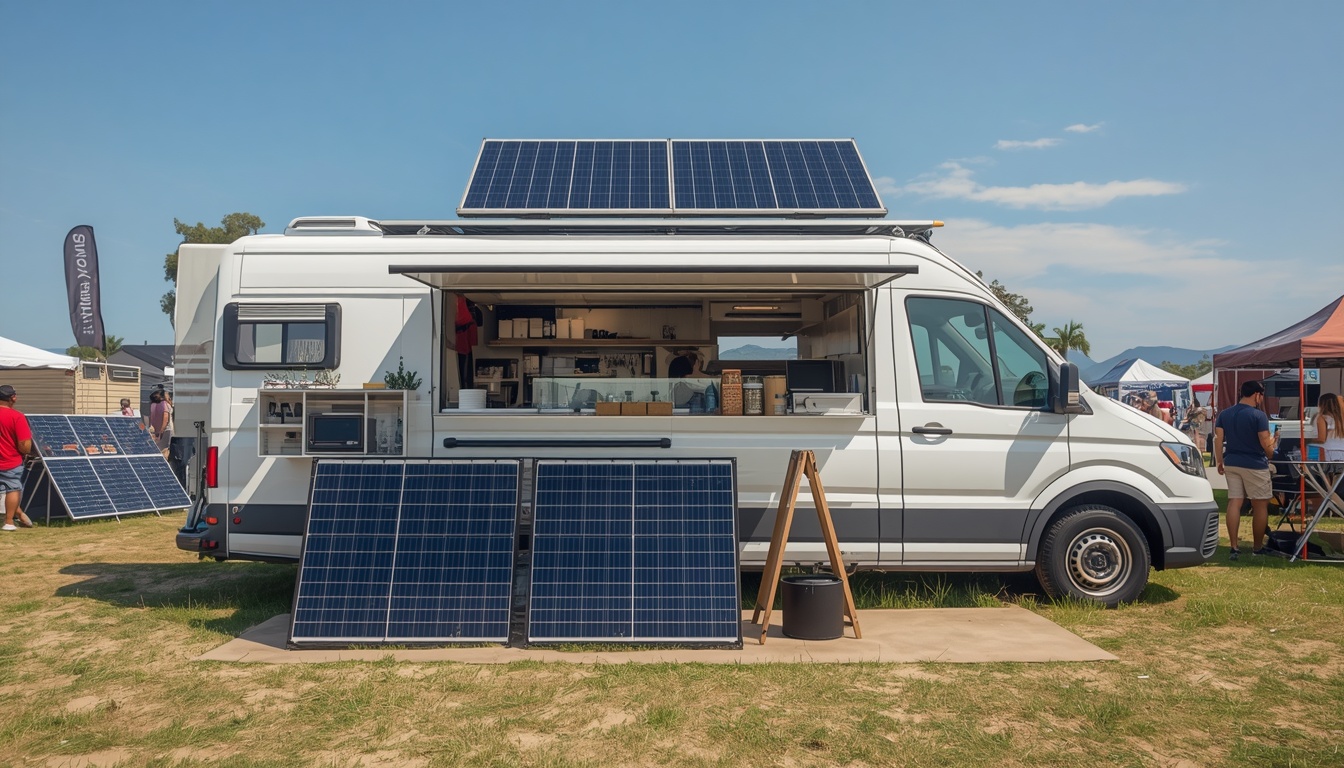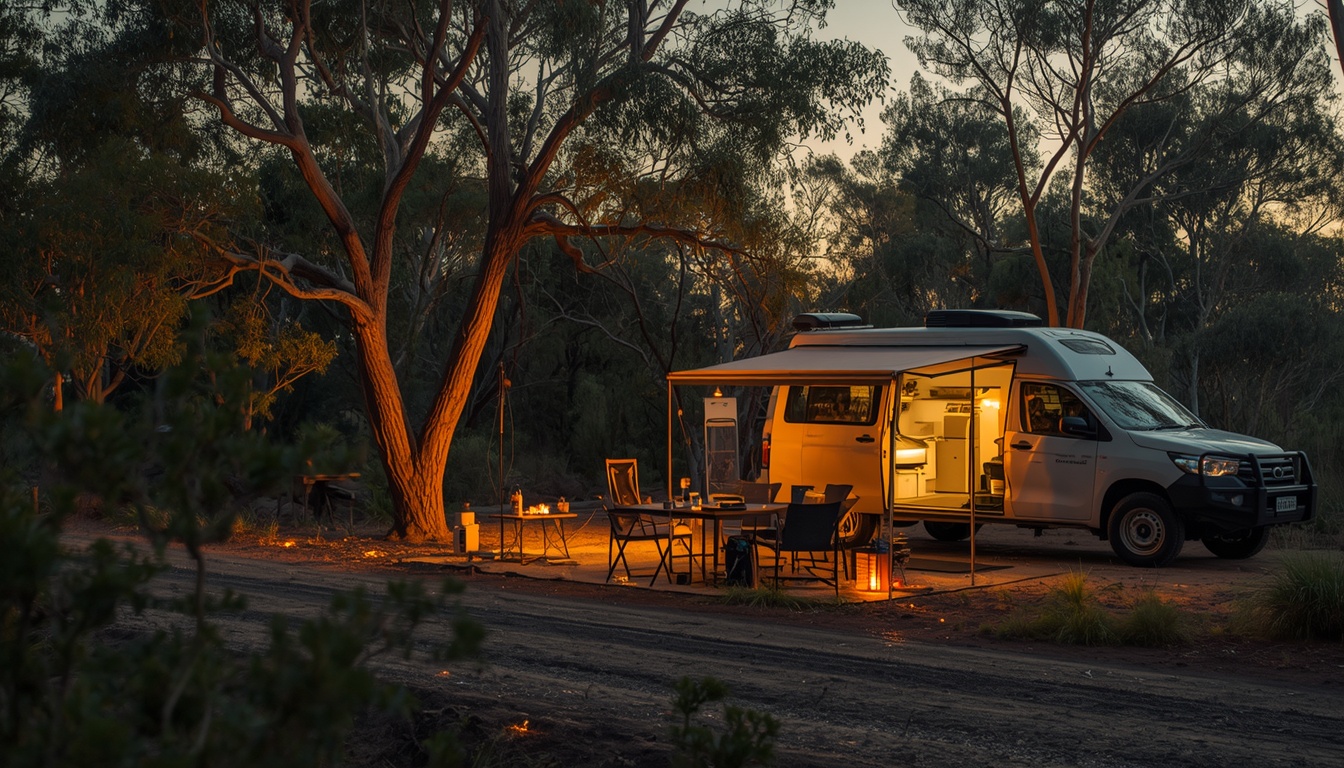
Living in remote locations means reliable power is more than a convenience; it is often essential for everyday life. When outages last longer, or access to support services becomes more difficult, dependable backup power becomes increasingly important.
Whether running an off-grid property, dealing with frequent outages, or preparing for emergencies, many people compare solar battery vs generator systems to determine which option provides the right balance of reliability, performance, and long-term value.
Understanding how each system performs in real-world rural conditions helps determine which backup solution best fits different energy needs.
Why Reliable Backup Power Is Essential for Rural Properties
Power interruptions affect rural and off-grid properties differently than suburban homes. Outages often last longer, fuel deliveries may be less convenient, and essential equipment frequently depends on reliable electricity.
Backup power systems are commonly used to keep refrigerators, water pumps, lighting, security equipment, internet connections, medical devices, and solar energy systems operating when grid power is unavailable.
Because backup systems in rural environments often support essential daily operations rather than convenience appliances, choosing between battery storage and fuel-powered generation involves balancing cost, performance, and long-term energy security.

How Solar Battery Backup Systems Work
Battery backup systems store electricity for later use and may be charged from solar panels, grid electricity, generators, or multiple energy sources depending on system design.
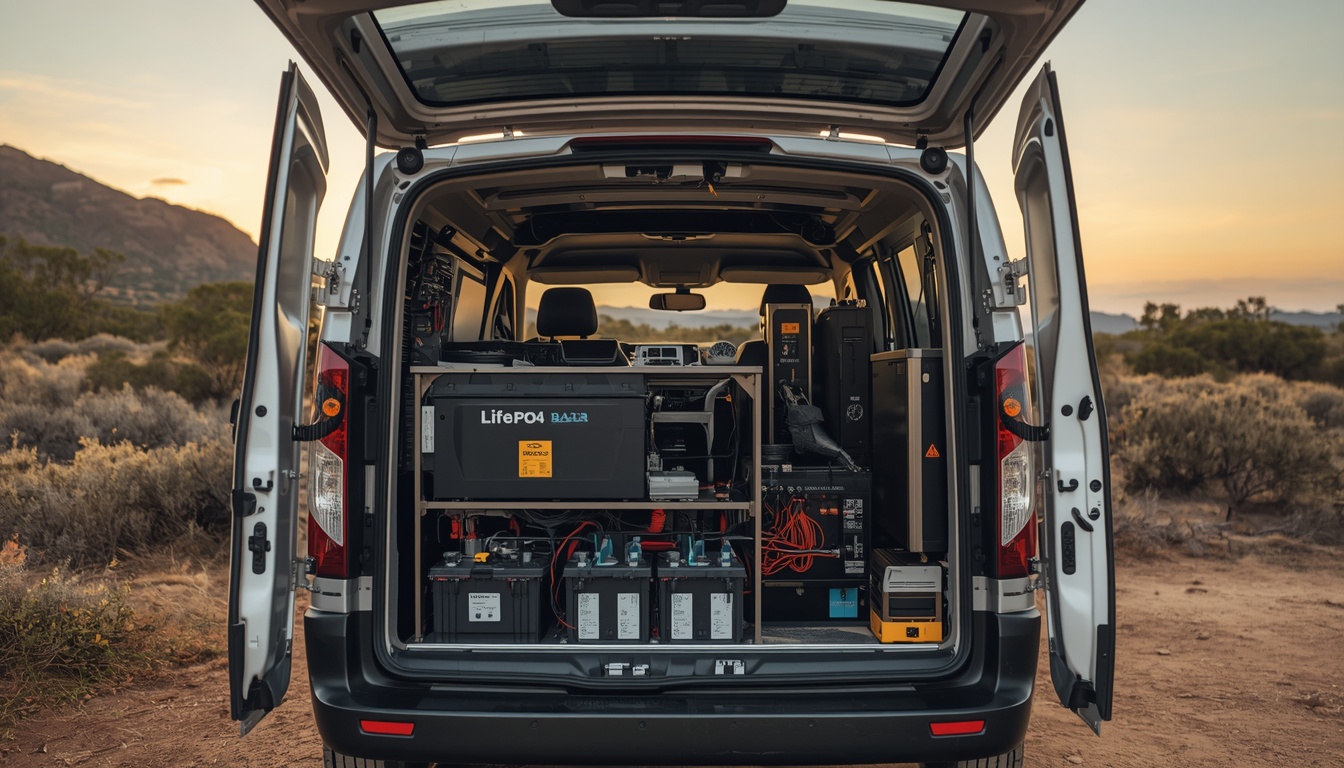
These systems typically combine multiple components working together, including solar panels, lithium batteries, battery management systems (BMS), inverters, chargers, and supporting accessories designed to improve system performance and reliability.
‘‘Users planning larger backup installations may also benefit from understanding how different components work together when designing an off-grid energy system. Read our guide on building a reliable off-grid solar system for a more detailed breakdown.’’
Advantages of Solar Battery Backup
1. Lower Operating Costs
Although solar battery systems generally require a higher upfront investment, lower operating and maintenance costs may reduce total ownership costs over time, particularly for properties experiencing frequent outages or daily off-grid operation.
2. Silent Operation
Battery systems operate with little to no noise because they do not rely on combustion engines. This makes them particularly suitable for homes, farms, caravans, remote properties, and other environments where constant generator noise may become disruptive.
3. Reduced Maintenance
Compared with fuel-powered generators, lithium battery systems typically require significantly less routine maintenance. There are no oil changes, fuel filters, spark plugs, or engine servicing requirements, which can reduce both maintenance costs and downtime.
4. Better Automation
Many battery backup systems automatically detect power interruptions and switch to stored energy without requiring manual intervention. This automatic operation helps maintain power to essential appliances and equipment during outages with minimal disruption.
Note: Automatic backup capability is one reason battery systems are increasingly used for blackout protection and emergency power. To learn more, read our guide on lithium batteries for emergency backup during blackouts.
Disadvantages of Solar Batteries
- Higher upfront investment
- Limited energy storage capacity without expansion
- Solar production depends on weather conditions
How Generators Work for Backup Power
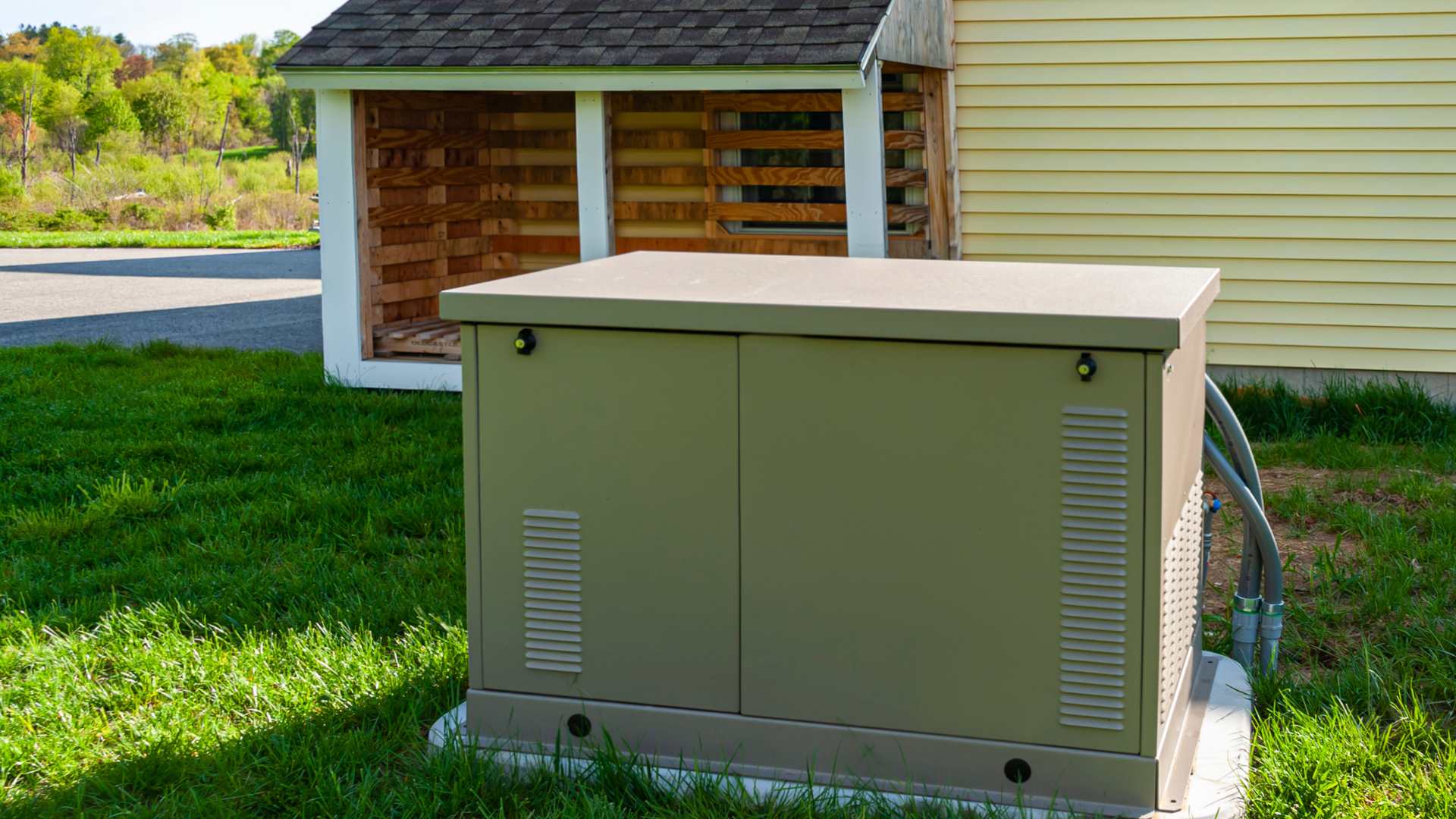
Generators produce electricity by converting fuel into electrical power using combustion engines. Depending on the model, generators commonly operate using petrol, diesel, LPG, or natural gas, with each fuel type offering different advantages in terms of cost, availability, runtime, and maintenance requirements.
Advantages of Generators
1. Lower Initial Purchase Price
Generators generally require a lower upfront investment compared with complete solar battery systems, especially for smaller backup setups. For users who only need occasional emergency power, this lower entry cost can make generators a more accessible solution.
2. High Power Output
Generators are often better suited for running large appliances, heavy equipment, and devices with high startup demands. Equipment such as water pumps, power tools, air conditioners, and workshop machinery may place large surge loads on a system.
Generators often handle these loads effectively, although properly designed battery systems with suitable inverter capacity can also support many high-startup appliances.
3. Long Runtime With Fuel Availability
Unlike battery systems, which are limited by stored energy capacity, generators can provide extended operation when sufficient fuel supplies are available. This can provide flexibility during extended outages, particularly when higher energy consumption is required for long periods.
However, extended runtime also depends on fuel availability, fuel storage practices, and the ability to safely obtain additional fuel during prolonged disruptions.
Generator Limitations
- Fuel expenses increase over time
- Noise pollution
- Regular servicing requirements
- Mechanical failure risks
- Fuel storage challenges during emergencies
Solar Battery vs Generator: Quick Comparison
|
Factor |
Solar Battery System | Generator |
|
Noise Level |
Silent |
Loud |
|
Fuel Required |
No | Yes |
|
Maintenance |
Low | Moderate to High |
|
Running Costs |
Very Low | Ongoing fuel costs |
| Initial Cost | Higher |
Lower |
| Runtime | Depends on battery capacity |
Depends on fuel availability |
| Environmental Impact | Lower |
Higher |
| Automatic Operation | Usually Yes |
Depends on setup |
Neither system is universally better. The right choice depends on energy usage patterns.
Note: For users exploring long-term energy independence, understanding the broader role batteries play in off-grid systems can also be useful. Read more about the role of lithium batteries in off-grid living and solar power.
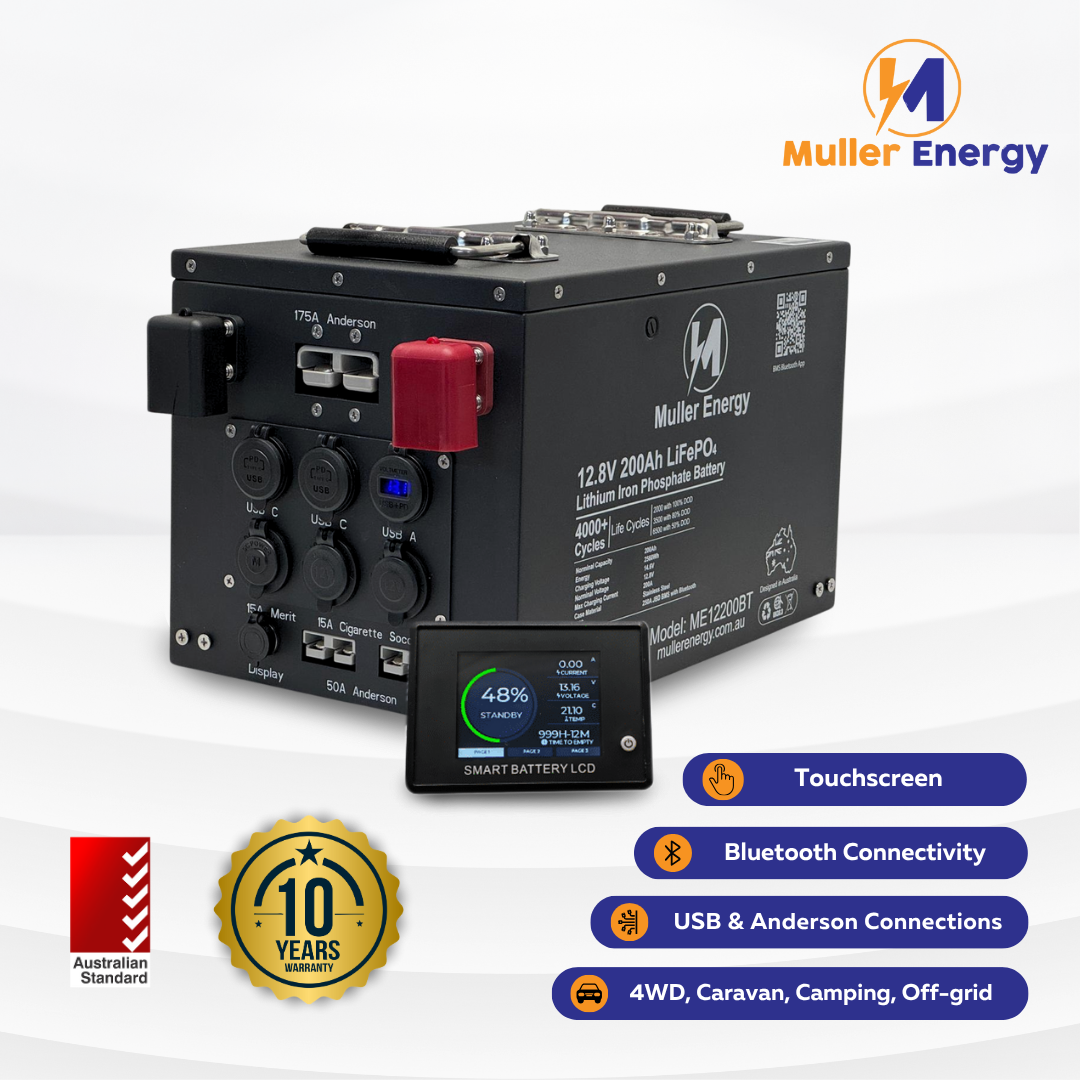
Choosing Components Matters More Than Simply Choosing Batteries
If a solar battery system is the right choice for your backup needs, component quality becomes just as important as battery capacity. Poorly matched batteries, inverters, chargers, or battery management systems (BMS) can affect reliability, efficiency, and long-term performance.
Muller Energy supplies Australian-engineered lithium batteries, BMS units, solar panels, inverters, chargers, cables, and accessories designed for demanding off-grid, rural, caravan, and backup power applications.
For many backup systems, choosing compatible components from a single ecosystem can simplify installation, improve reliability, and reduce long-term maintenance requirements. This is one reason LiFePO4 battery systems are commonly selected for backup applications because they typically offer long cycle life, lower maintenance requirements, stable performance, and good energy efficiency.
Which Backup Option Is Better for Different Users?
Solar battery systems are generally better suited for users who rely on backup power regularly, live off-grid, or want a quieter, lower-maintenance solution for everyday energy needs.
Generators are often better suited for occasional emergency backup, temporary power requirements, or situations where high energy demand makes fuel-powered generation more practical.
Hybrid systems combine both approaches and are commonly used when users want battery-powered daily backup with additional support during extended outages, prolonged bad weather, or periods of unusually high energy consumption.