Off-grid power systems live or die by one component, which is the battery. Yet many buyers still choose low-cost options without fully understanding the risks. Cheap batteries for off-grid power may look appealing upfront, but they often create hidden costs, safety issues, and performance limitations that become obvious only after installation.
This guide is written for buyers and beginners building or upgrading off-grid systems, whether for 4WD setups, caravans, or solar storage. If you want reliable, long-term power, you need to know exactly what can go wrong with cheap batteries and how to avoid it.

Why Cheap Batteries for Off-Grid Power Often Fail
When comparing batteries, price alone doesn’t reflect real value. Lower-cost units typically cut corners in cell quality, battery management systems (BMS), and construction standards. These compromises directly impact performance, lifespan, and safety.
Below are the six most common and costly problems.
1. Poor Battery Cell Quality → Reduced usable capacity & early failure costs
The heart of any battery is its cells, and this is where cheap batteries often fall short. Many low-cost options use lower-grade or second-tier lithium cells, which degrade much faster and struggle to deliver consistent performance.
Over time, this leads to noticeable capacity loss, meaning the battery won’t hold as much energy as it once did. You may also experience voltage drops when running appliances, especially under load, resulting in unreliable power delivery. In practical terms, this creates unpredictable runtime, making it difficult to depend on your system when you need it most.
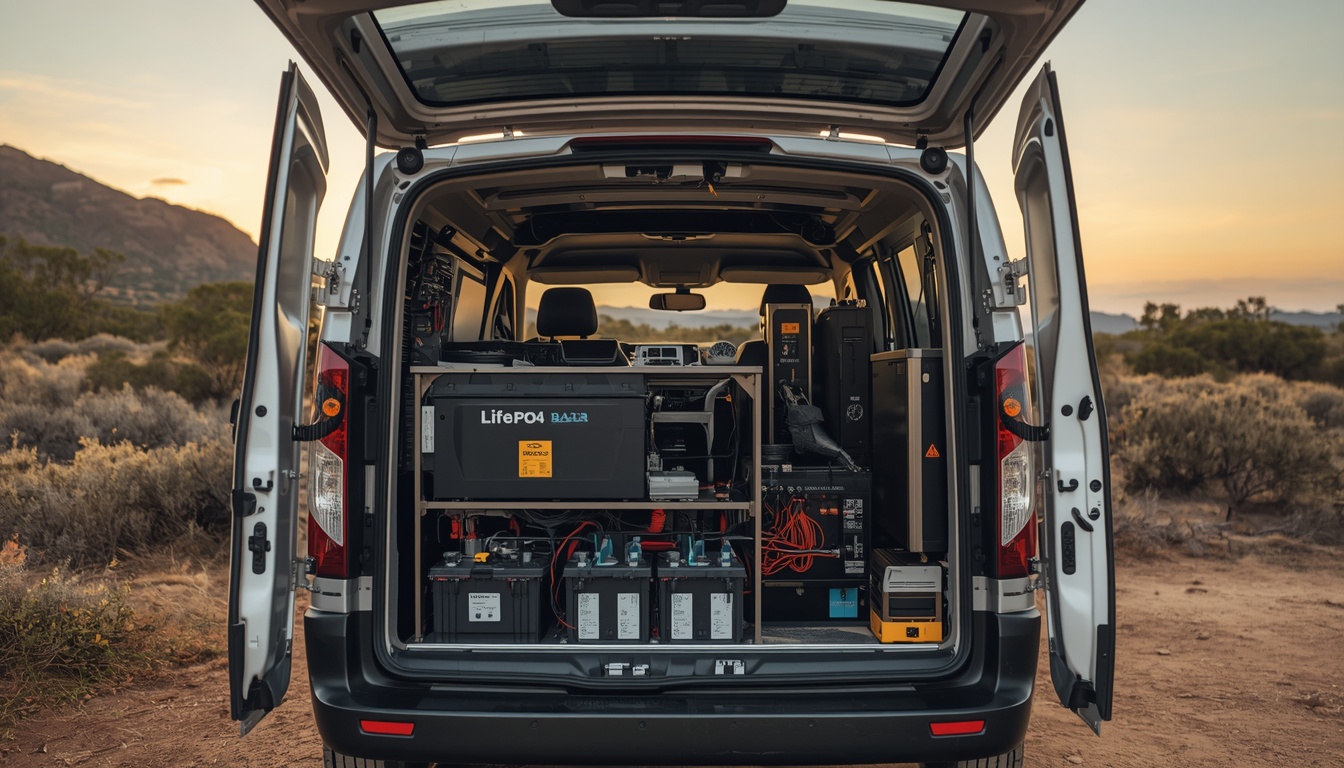
In contrast, high-quality systems typically use LiFePO4 cells, which are known for their stability, consistent output, and long cycle life. While cheaper batteries may advertise similar specifications, they often fail to maintain that performance in real-world conditions.
‘‘To understand the factors that accelerate battery wear, you can also explore what causes lithium-ion battery degradation in real-world use.’’
2. Weak or Unsafe BMS → Higher risk of damage and system failure
A reliable battery management system (BMS) is essential for both safety and performance in any off-grid setup. It plays a critical role in protecting the battery from overcharging, over-discharging, overheating, and short circuits. However, in cheap batteries, the BMS is often one of the most compromised components.
These systems may struggle with proper cell balancing, leading to uneven performance and faster degradation. In many cases, voltage monitoring is inaccurate, which increases the risk of operating the battery outside safe limits. Thermal protection is also frequently limited or completely absent, making the battery more vulnerable in high-temperature or demanding conditions.
As a result, the risk of battery failure increases significantly, and in extreme situations, this can increase the risk of overheating or failure in extreme cases. This is particularly concerning in off-grid environments, where systems are often left running unattended and real-time monitoring is limited.
3. Short Lifespan & Low Cycle Count → Frequent replacement costs
Cheap batteries may advertise high capacity, but they often fail after far fewer cycles than expected. In real-world use, this usually shows up as may show significant capacity loss after a few hundred to around 1000 cycles, depending on build quality, inconsistent charging efficiency, and early failure even under normal operating conditions. What looks like a cost-saving upfront quickly turns into a reliability issue.
A high-quality LiFePO4 battery is designed for longevity and consistent performance. For example, well-engineered systems like those from Muller Energy are built to deliver around 4000+ cycles under proper use, while cheaper alternatives often deliver a noticeably shorter lifespan in real-world conditions.

4. Inconsistent Real-World Performance → Power interruptions & system inefficiency
Off-grid systems operate under constantly changing conditions, including fluctuating loads, varying temperatures, and inconsistent charging inputs. While cheap batteries may appear to perform well under controlled lab conditions, they often struggle in real-world environments.
In extreme heat or cold, their efficiency can drop significantly, affecting overall reliability. When running high-demand appliances such as fridges or inverters, these batteries may experience voltage sag, leading to unstable power delivery. Solar charging can also become less efficient, especially when the battery cannot properly handle variable input.
This inconsistency ultimately results in unreliable performance and can cause unexpected power interruptions at critical moments, which is the last thing you want in an off-grid setup.
5. Poor Safety Standards & Build Quality → Risk of damage, failure, or hazards
Many low-cost batteries lack proper certifications or are built using inferior materials, which directly impacts safety and durability. In some cases, these products are not designed to meet recognised standards such as AS/NZS 3001.2:2022, which governs electrical installations in transportable structures like caravans and RVs.
This raises serious concerns about their suitability for real-world off-grid applications. Build quality is often another weak point. Cheap batteries may use fragile casings that are prone to damage, along with poorly assembled internal wiring and inadequate insulation.
In mobile setups like 4WDs or caravans, where constant vibrations and heat are unavoidable, these weaknesses become even more critical. Over time, poor construction can lead to internal failures, reduced performance, or even dangerous electrical faults.
Tip: If you’re unsure how standards like AS/NZS 3001.2:2022 apply in real setups, you can read our guide on LiFePO4 battery ventilation in a campervan. It explains the key safety considerations in practical terms and also shows how Muller Energy batteries are designed to comply with these standards in real-world off-grid and mobile applications.

6. Limited Warranty & Support → High out-of-pocket repair/replacement costs
Cheap batteries often come with minimal warranty coverage or unclear support policies, which can create problems when something goes wrong. In many cases, these products only offer short warranty periods of one to two years, and the claims process can be difficult or unclear. Access to technical support is also limited, leaving users without proper guidance when issues arise.
This lack of support becomes a serious drawback if the battery fails prematurely, which is a common issue with low-quality products. Without a reliable warranty or responsive customer service, you’re left to deal with replacement costs and downtime on your own, something that can be particularly disruptive in an off-grid setup.
Where a Quality Brand Makes a Difference
One way to avoid these issues is to choose a battery supplier that prioritises engineering, safety, and long-term performance rather than just price.
For example, Muller Energy designs lithium batteries specifically for demanding applications like off-grid systems, caravans, and 4WD setups. Our approach focuses on:
- Designed and tested in Australia with attention to detail
- High-quality LiFePO4 cells and advanced BMS systems
- Durable construction suited for mobile and off-grid use
- 10-year warranty for long-term reliability
- Strong customer support with tailored advice
This isn’t about choosing a specific brand; it’s about understanding what quality actually looks like in real-world use.

How to Avoid These Problems (Practical Buying Tips)
Before purchasing a battery for your off-grid setup, prioritise long-term reliability over upfront cost. The table below highlights what to look for and why each factor matters.
| What to Check | What It Means | Why It Matters |
| LiFePO4 Cell Quality | Use of high-grade, tested lithium iron phosphate cells | Ensures longer lifespan, stable performance, and better safety |
| Battery Management System | Advanced BMS with full protections (overcharge, discharge, temperature, etc.) | Prevents damage, improves safety, and extends battery life |
| Cycle Life Rating | Proven lifespan of 3000+ charge cycles | Reduces replacement frequency and long-term costs |
| Build Quality | Strong casing, proper insulation, and solid internal construction | Handles vibration, heat, and harsh off-grid conditions |
| Warranty & Support | Clear warranty terms (5–10 years) with reliable customer support | Protects your investment and ensures help is available if issues arise |
Focusing on these key factors helps you avoid the common pitfalls seen in cheap off-grid batteries. If you’re unsure how to evaluate different options, our guide on how to choose the best lithium battery for a campervan breaks down the key factors in more detail.