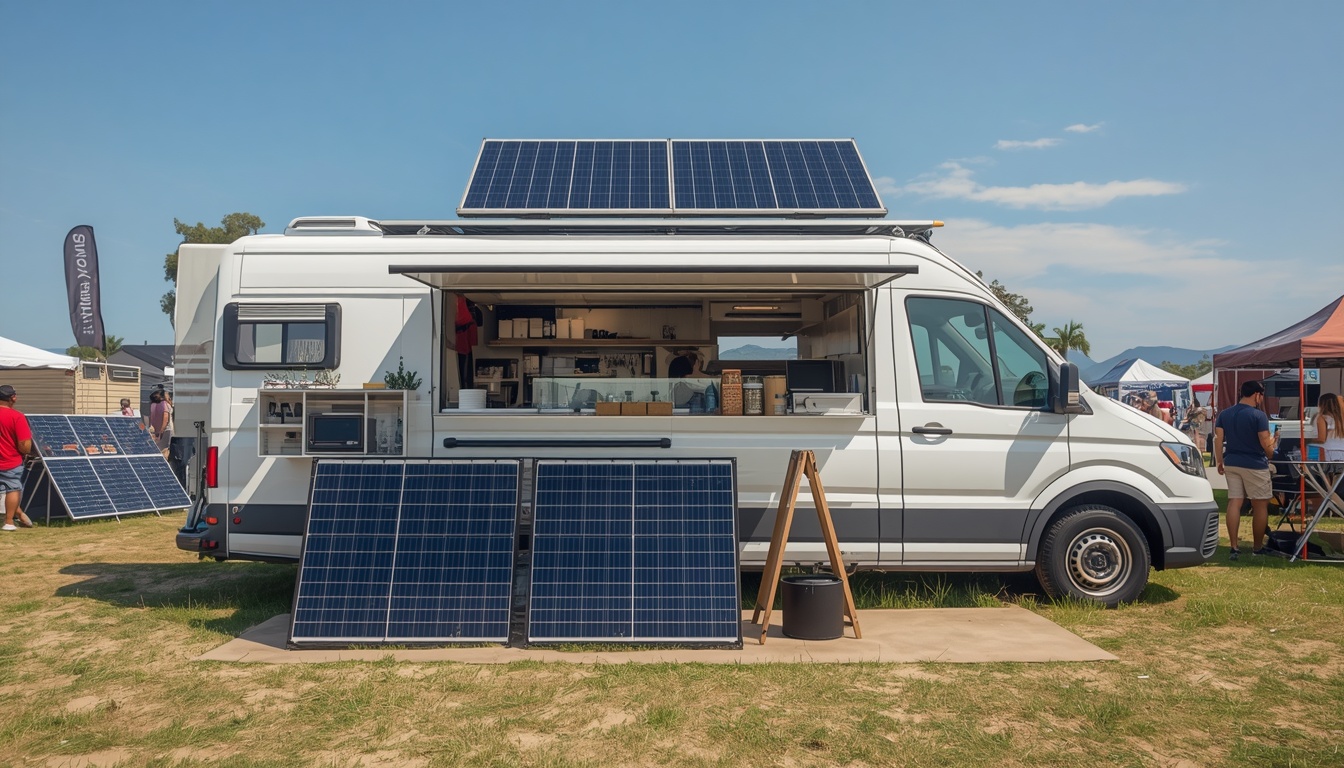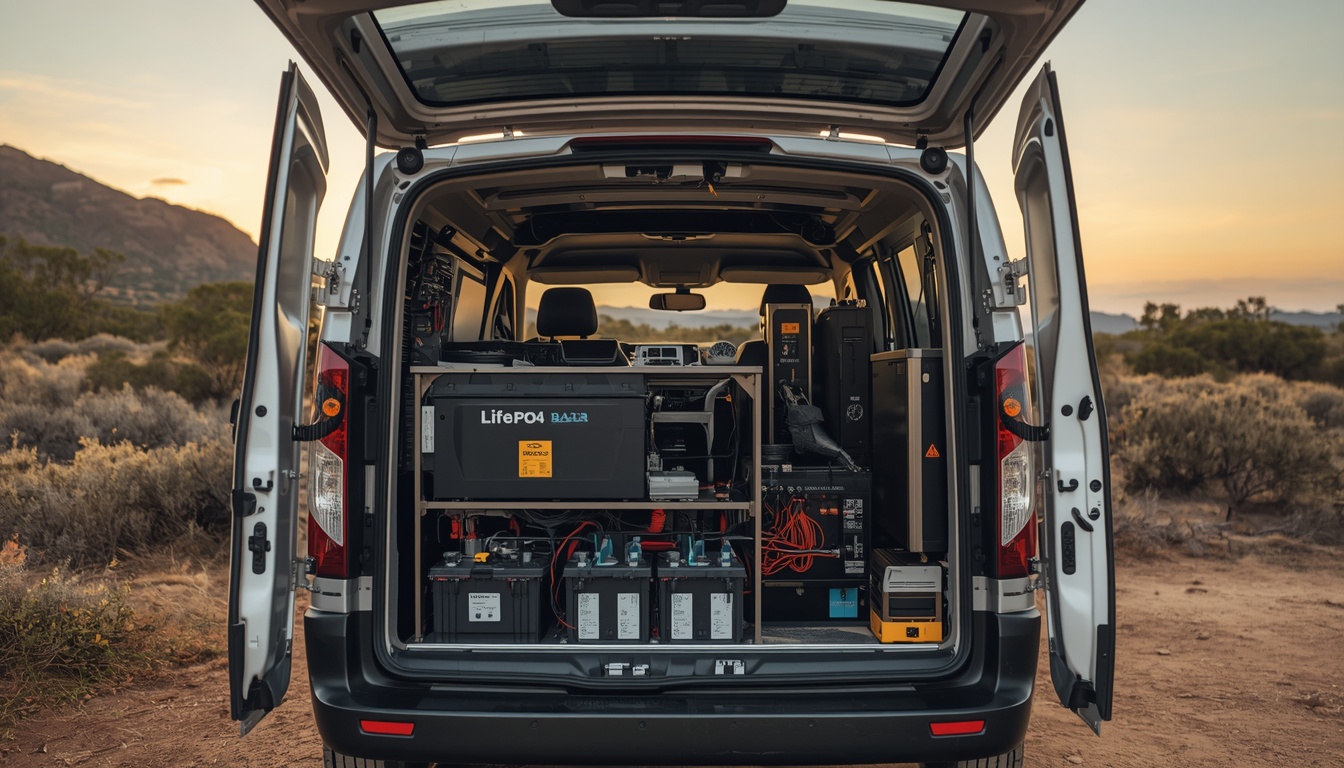
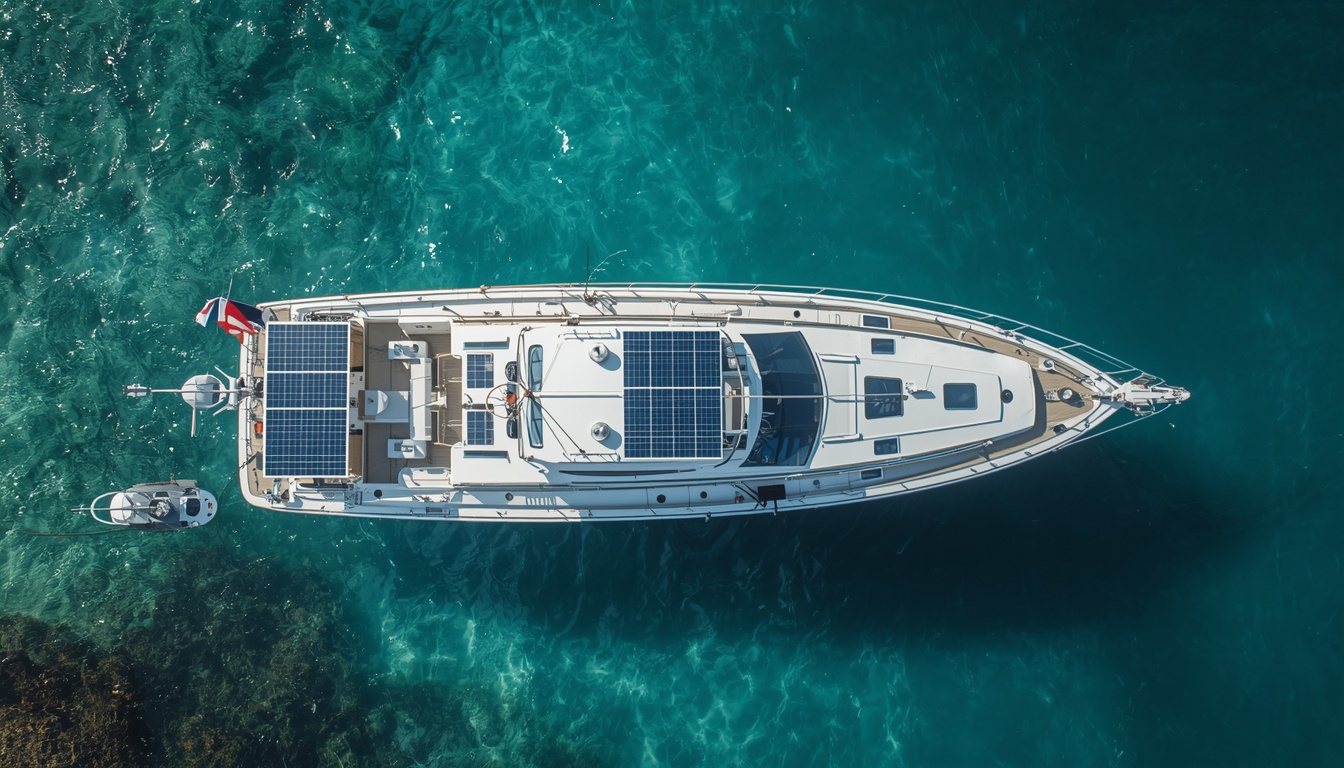
Installing solar panels on a boat can reduce reliance on shore power, improve energy independence, and keep essential systems running while underway or at anchor. However, choosing the wrong mounting location can significantly reduce solar output due to shading, poor ventilation, and limited sun exposure.
Understanding the best locations for marine solar panels is essential for maximising performance and long-term reliability.
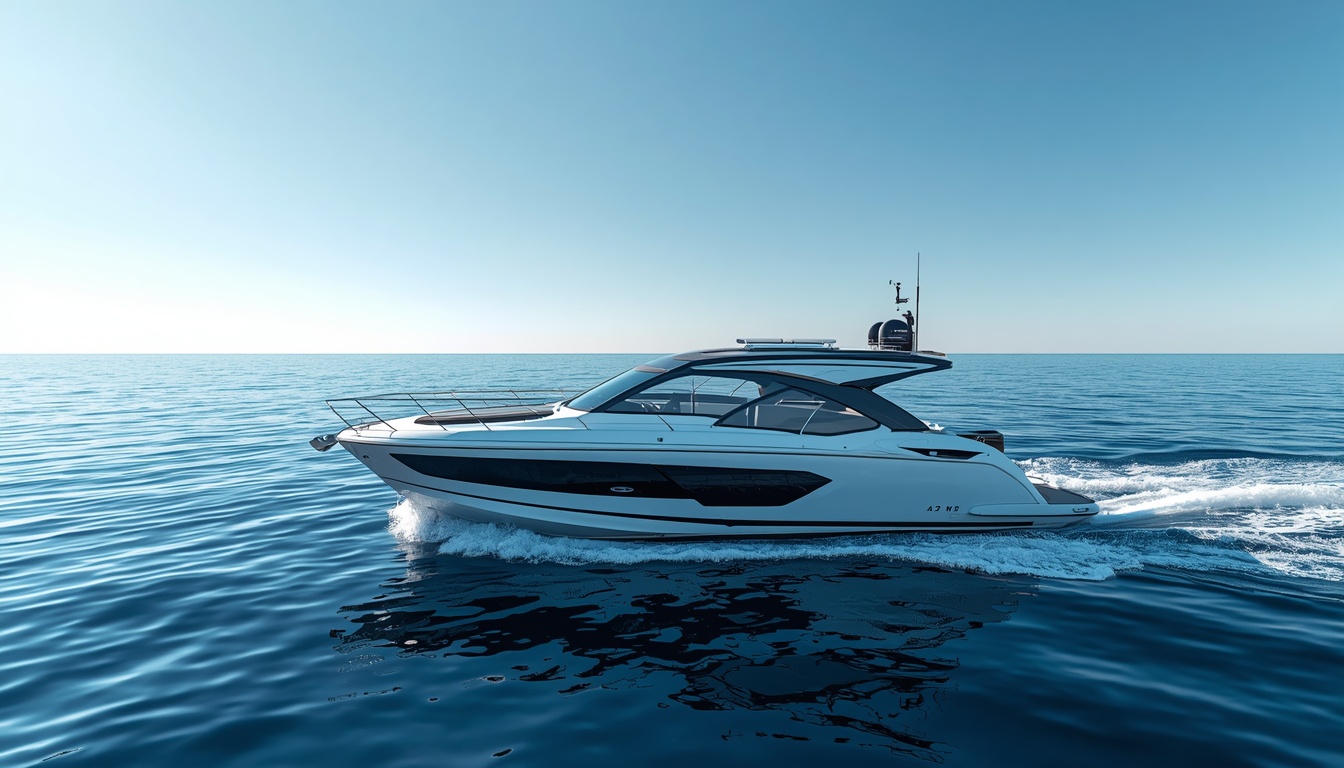
How Solar Panel Placement Affects Solar Performance on a Boat
Unlike residential solar systems, boats operate in constantly changing environments. Movement on the water, limited mounting space, sails, rigging, antennas, and other onboard equipment can all influence solar panel placement and overall system performance. Choosing the right installation location is essential for maximising energy generation and ensuring reliable operation.
An ideal mounting position should receive maximum sunlight throughout the day while minimising shading from surrounding structures. It should also provide secure mounting in marine conditions, allow easy access for cleaning and maintenance, and avoid interfering with normal boat operations.
Panel placement is one of the most important factors in the success of a marine solar system because it influences sunlight exposure, maintenance accessibility, ventilation, and installation practicality.
Best Locations to Install Solar Panels on a Boat
The best location for solar panels depends on your boat’s design, available space, and power requirements. The following mounting options are among the most common and effective choices for maximising solar performance while maintaining practicality and accessibility onboard.
1. Bimini Top
The bimini top is one of the most popular locations for installing solar panels on a boat. Positioned above much of the vessel’s structure, it typically receives good sun exposure while helping keep valuable deck space free. It can also simplify cable routing, making installation more straightforward for many boat owners.
Considerations
Flexible solar panels are often preferred for bimini installations because they can better accommodate fabric or slightly curved surfaces. The mounting system should be designed to withstand vibration, wind, and constant movement in marine environments.
If the bimini is regularly folded or stored, energy production may be temporarily reduced. Despite these factors, a bimini-mounted system remains a practical and effective solution for many cruising boats and sailboats.
2. Hardtop Roof
A hardtop provides one of the strongest and most stable mounting platforms for boat solar panels. Its solid construction is well suited to rigid solar panels, creating a secure installation capable of handling demanding marine conditions. The gap beneath the panels can also promote airflow, helping reduce heat buildup and support efficient operation.
The elevated position of a hardtop often makes it easier to utilise available roof space while keeping the solar system clear of everyday onboard activities.
Considerations
Before installation, it is important to assess available mounting space and account for radar domes, antennas, navigation lights, and other rooftop equipment. Proper planning helps maximise usable roof space and simplify maintenance access. For many powerboats, however, a hardtop remains one of the most practical and efficient installation locations.
3. Arch or Stern Rail
Solar arches and stern-mounted frames are popular on cruising boats, particularly those used for extended trips or liveaboard applications. These structures often provide ample room for multiple solar panels, making it easier to increase generating capacity without sacrificing usable deck space.
Some systems can also be adjusted to optimise panel positioning throughout the day, helping improve overall performance.
Considerations
When using a stern-mounted installation, factors such as available mounting space, equipment placement, cable routing, and structural support should be taken into account. Larger solar arrays may also require additional structural reinforcement to ensure long-term durability.
Even with these considerations, solar arches and stern rails remain a preferred option for many long-range cruising vessels.
4. Cabin Roof
The cabin roof is another commonly used location because it often provides a large and relatively flat mounting surface. Depending on the vessel’s design, it can accommodate both rigid and flexible solar panels while allowing for a relatively simple installation process. Its central location can also make wiring and system integration more convenient.
Considerations
Careful planning is important because cabin roofs frequently serve as access routes for passengers and crew. Foot traffic can increase the risk of damage, while hatches, antennas, and other rooftop equipment may interfere with panel placement. Maintaining clear access to essential equipment should remain a priority during installation.
5. Deck Installation
Installing solar panels directly on the deck can be a practical solution when other mounting locations are unavailable. Deck-mounted panels are generally easy to access for cleaning, inspection, and routine maintenance, making ongoing upkeep straightforward.
Considerations
The deck environment can expose panels to passengers, gear, and other temporary obstructions that may affect performance. Frequent foot traffic can also impact durability over time.
For this reason, flexible solar panels are often chosen due to their low-profile design and ability to integrate more easily with deck surfaces. Careful positioning can help minimise interference while maintaining reliable energy production.
Related Articles:
- What to Look for When Buying Flexible Solar Sheets
- Flexible Solar Panels vs Rigid Solar Panels
- Does Shading Affect Solar Panels?
Factors That Affect Solar Panel Placement on a Boat
Choosing the right location for solar panels involves more than simply finding available space. Factors such as shading, panel orientation, ventilation, and mounting strength can all influence the performance, efficiency, and long-term reliability of your marine solar system. Consider the following factors before finalising your installation.
- Shading: It is one of the biggest factors affecting solar panel performance on a boat. Common sources include masts, sails, radar equipment, antennas, dinghies, and fishing gear. Before installation, observe how shadows move across the vessel throughout the day to identify locations with the least obstruction and the greatest solar potential.
- Panel Orientation: Solar panels produce the most energy when facing direct sunlight. Because boats change direction constantly, it is often impossible to maintain an ideal angle. Installing panels in the least obstructed location generally delivers better results than attempting complex tilt systems.
- Ventilation: Solar panels operate more efficiently when they remain cool. Rigid panels mounted slightly above the surface allow airflow underneath, helping reduce heat buildup and maintain output.
- Structural Strength: Marine environments can be harsh, so solar panels must be mounted on surfaces capable of handling wind loads, salt exposure, vibration, and wave impacts. A strong, secure mounting system helps ensure long-term reliability and protects the solar installation in demanding conditions.
Building a Complete Marine Solar System
Choosing the right location for your solar panels is only one part of creating an effective boat solar setup. To get the most from your system, it’s important to ensure that energy generation, storage, and charging components work together efficiently.
When planning a marine solar installation, consider the entire energy system rather than just the panels themselves. A well-matched combination of solar generation, battery storage, charging equipment, and power management hardware can improve reliability and energy availability on the water.
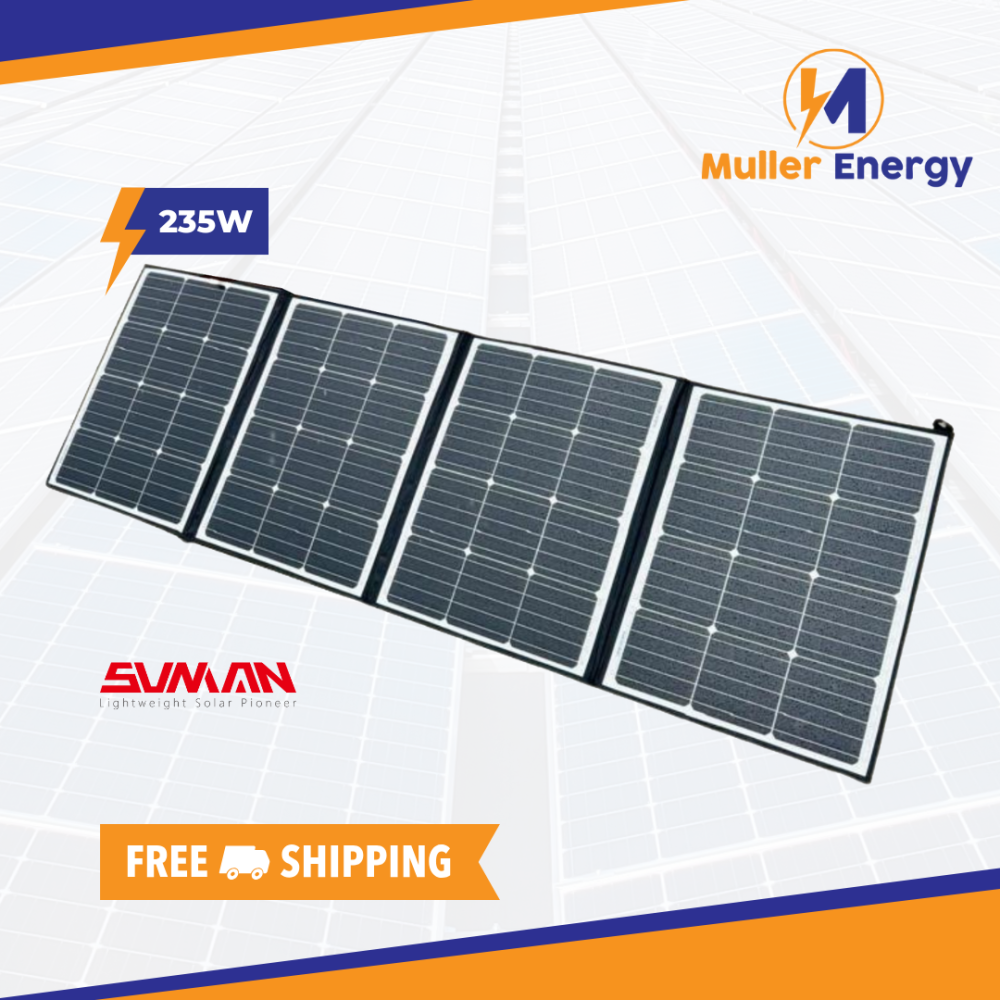
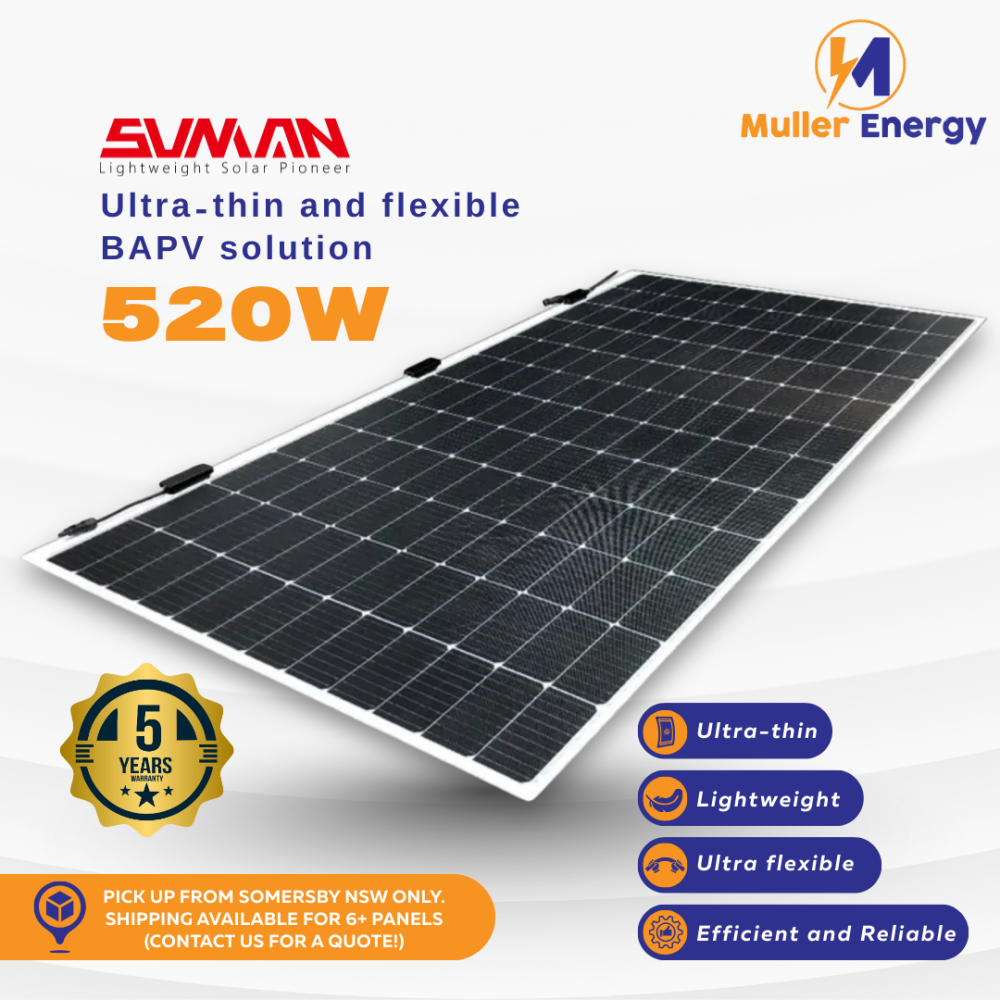
When selecting components, prioritise compatibility, durability, and marine-grade construction. For boat owners seeking complete marine power solutions, Muller Energy offers a range of marine energy solutions designed for demanding boating and off-grid applications, including solar panels, LiFePO4 batteries, chargers, inverters, BMS units, MTTP and essential accessories.
Selecting compatible components can help optimise charging performance, maximise usable battery capacity, and provide dependable onboard power. Whether you’re installing a compact system for weekend boating or a larger setup for extended cruising, combining quality components with proper solar panel placement can help ensure consistent performance in marine environments.
Final Thoughts
The best location for solar panels on a boat depends on the vessel design, available space, and onboard power requirements. Bimini tops, hardtops, stern arches, and cabin roofs are generally the most effective mounting locations because they provide strong sunlight exposure, practical mounting surfaces, and good accessibility for maintenance.
When planning a marine solar installation, focus on sunlight access, structural integrity, ventilation, and future equipment placement. Combining properly positioned solar panels with a quality marine lithium battery system can significantly improve onboard energy independence and reliability.