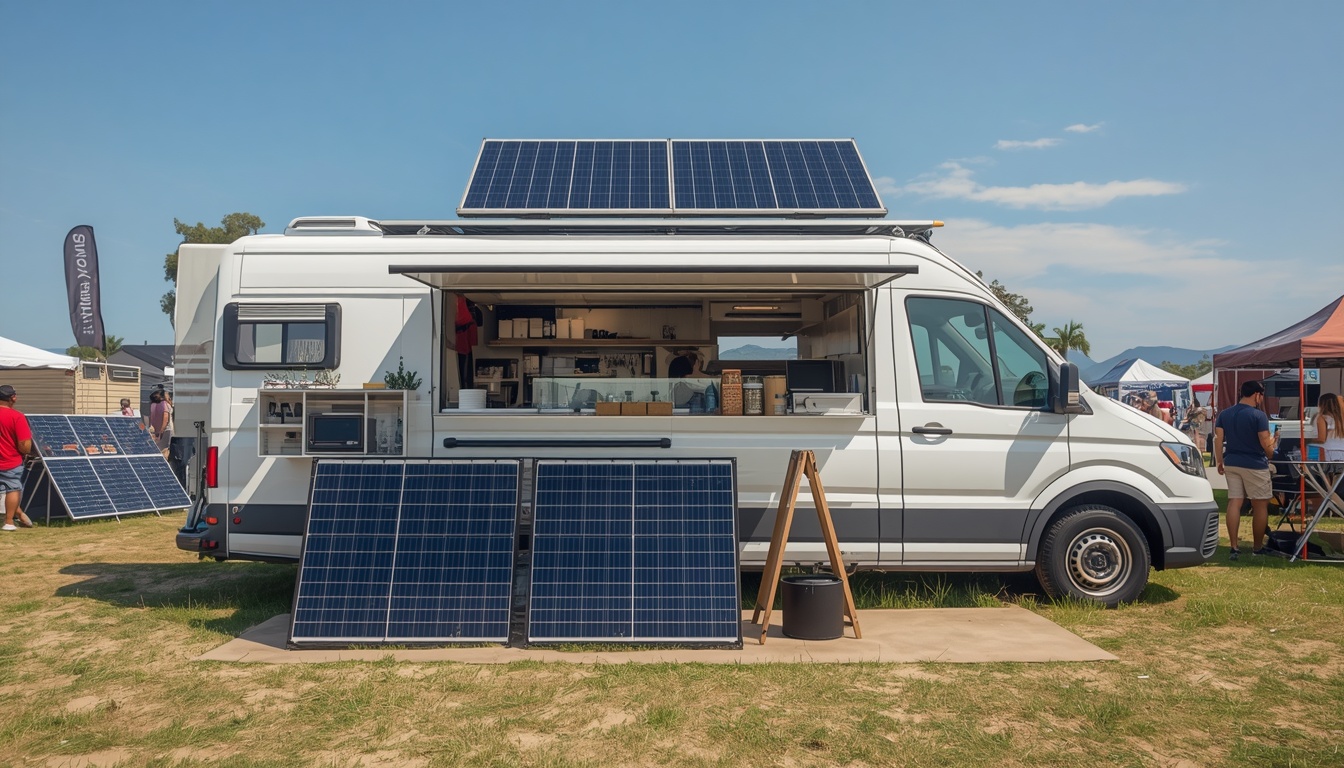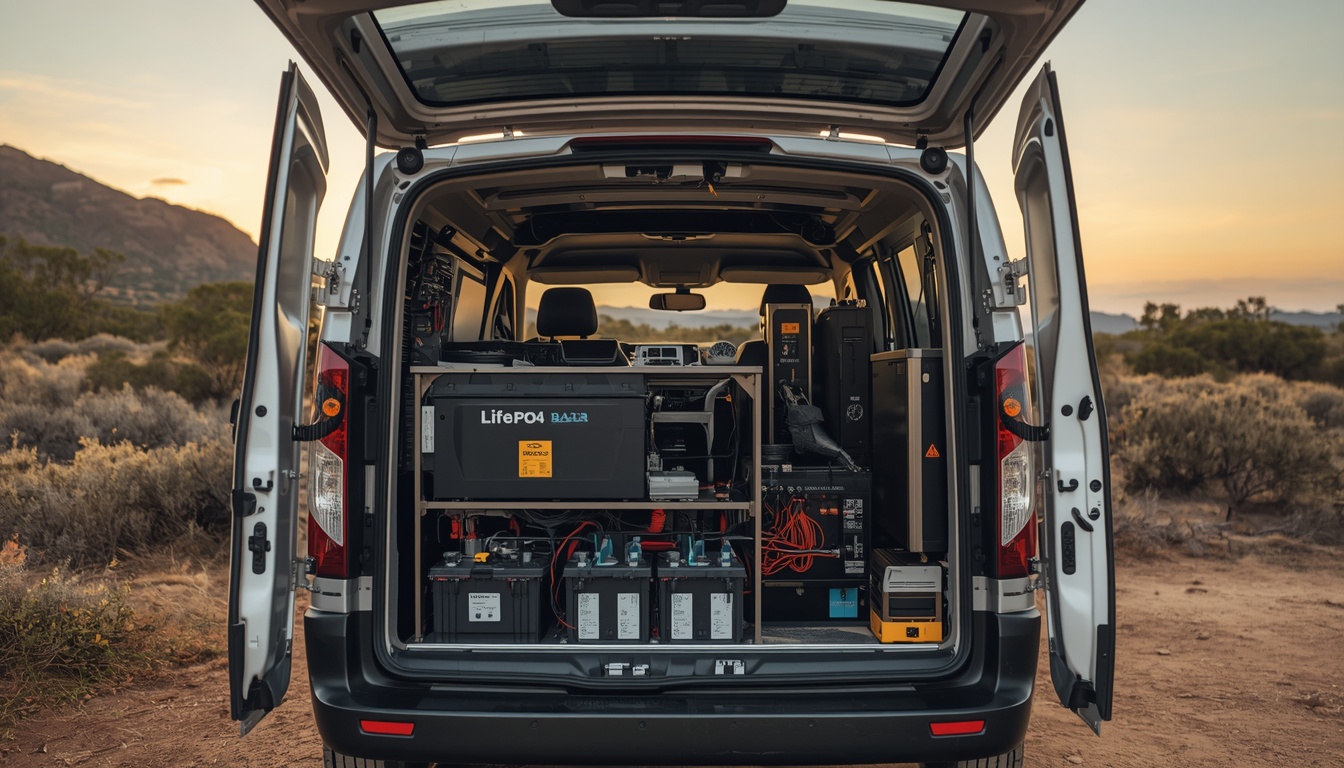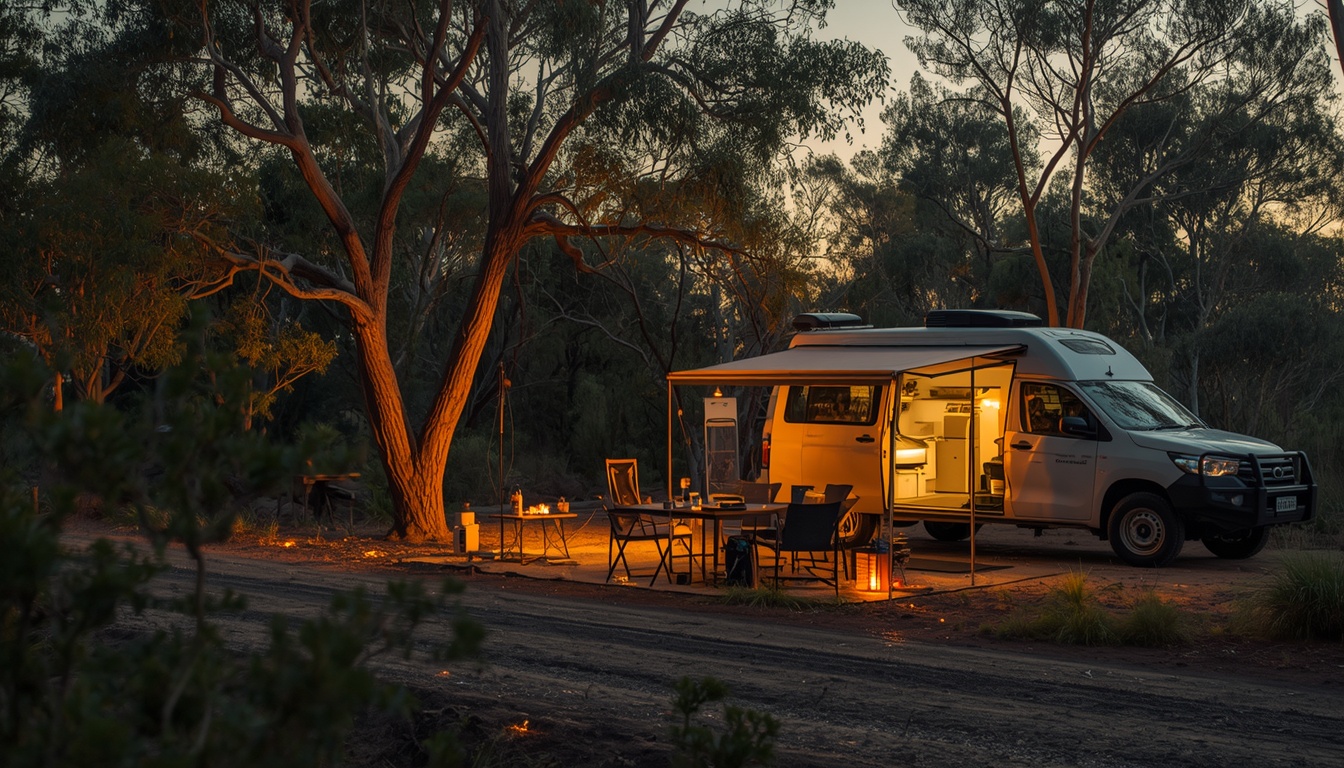
Choosing between a solar panel blanket and a flexible solar panel isn’t about which technology is better; it’s about how you use your solar system. For most campers and occasional travellers, a solar panel blanket offers greater flexibility because it can be positioned in direct sunlight throughout the day.
For caravans, boats, and permanent off-grid installations, flexible solar panels provide greater convenience through continuous charging without daily setup. The better option depends on how and where you use your solar system.
This guide explains the differences in performance, installation, durability, portability, and best use cases to help you choose the right option.
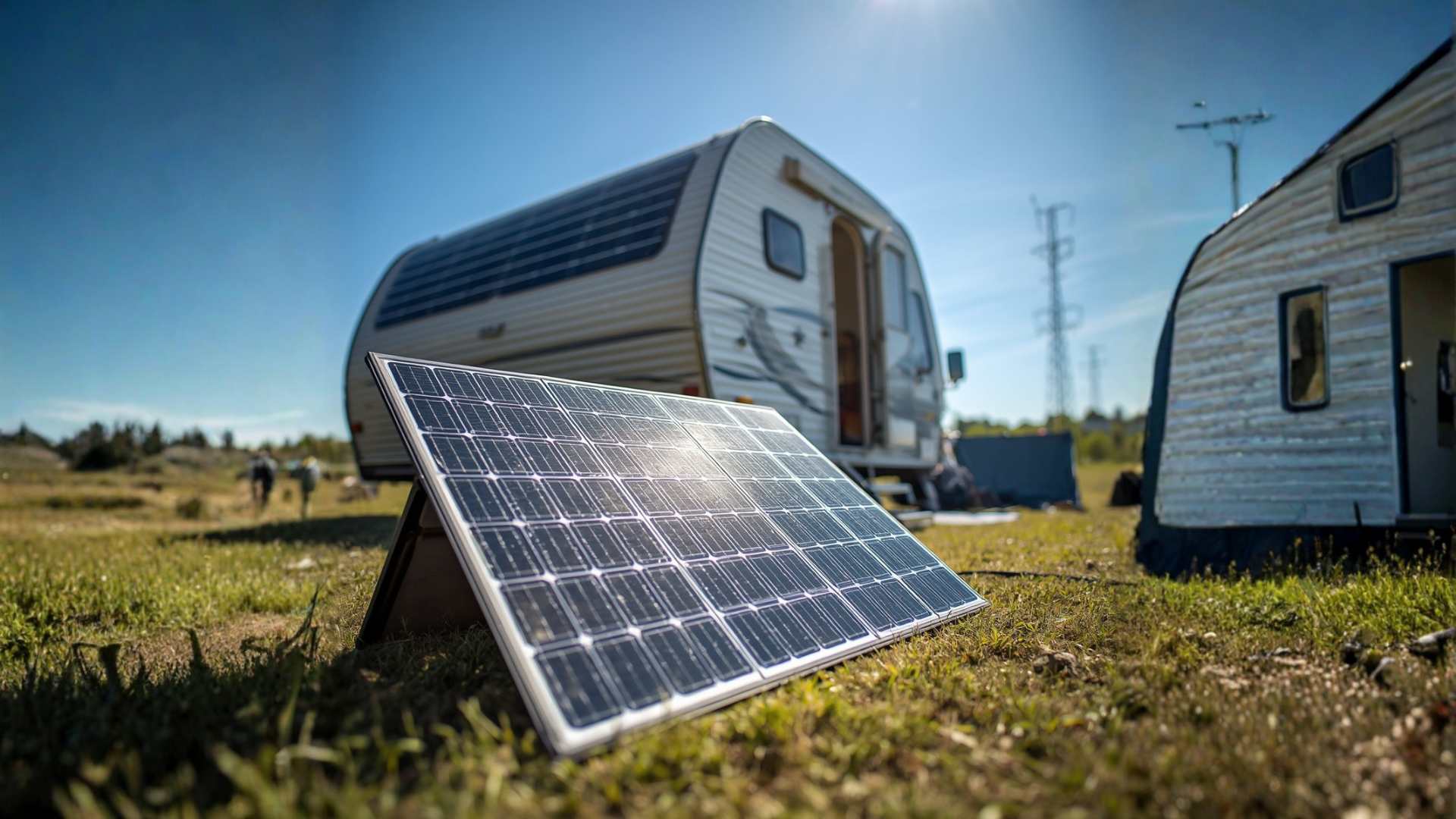
Quick Feature Comparison
Both solar panel blankets and flexible solar panels commonly use high-efficiency monocrystalline PERC cells and can charge LiFePO4 batteries when paired with a suitable MPPT solar charge controller. The main differences lie in how they are installed, used, and suited to different applications.
| Feature | Solar Panel Blanket | Flexible Solar Panel |
| Installation | Portable | Permanent or semi-permanent |
| Portability | Excellent | Limited |
| Weight | Extremely lightweight | Lightweight |
| Storage | Foldable | Fixed in place |
| Best For | Camping, 4WDs, temporary setups | Caravans, boats, motorhomes, cabins |
| Daily Setup Required | Yes | No |
| Curved Surface Installation | No | Yes |
| Maintenance | Clean and dry before storage; inspect cables and connectors. | Occasional cleaning and periodic inspection of mounting points and wiring. |
If you frequently move camp or want maximum flexibility, a solar blanket is usually the better choice. If you prefer a “set and forget” solution mounted permanently on your vehicle or boat, a flexible solar panel is often the smarter investment.
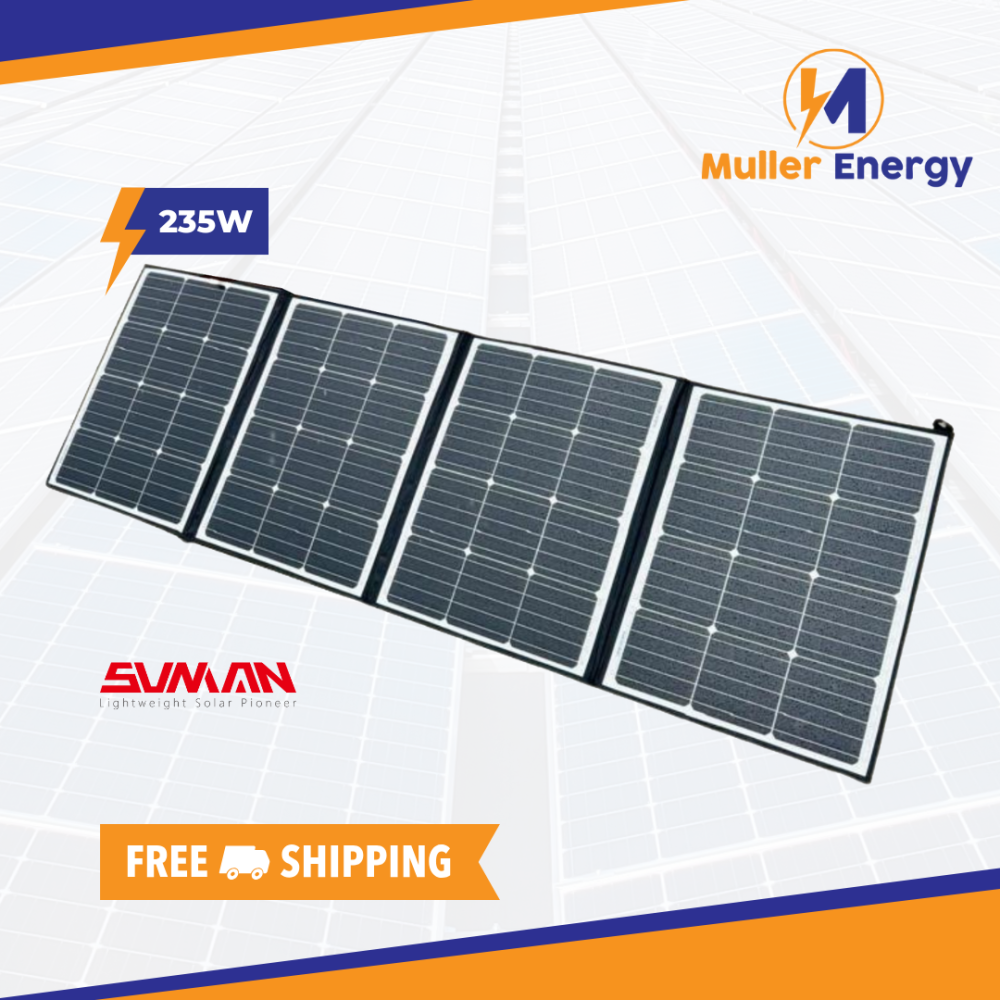
What Is a Solar Panel Blanket?
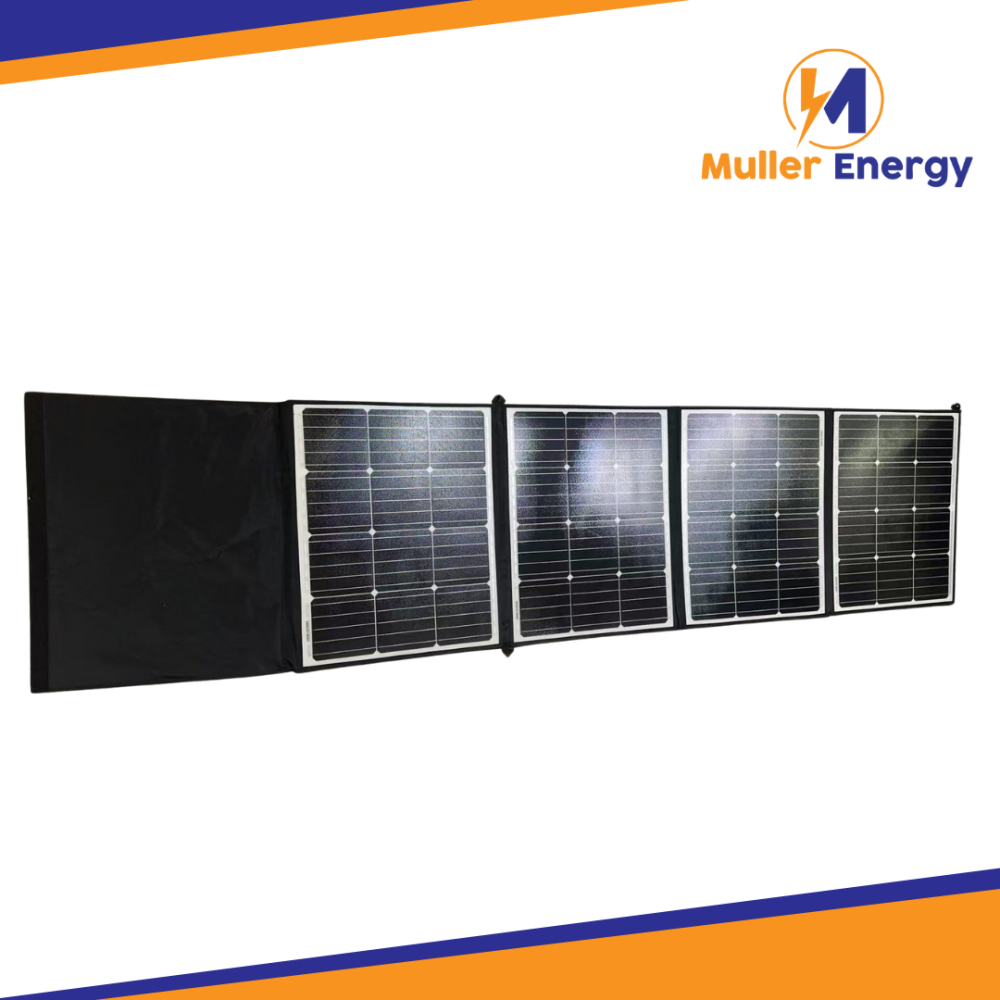
A solar blanket is a foldable, portable solar panel designed for temporary use. It unfolds when needed and folds into a compact carry bag when not in use.
Advantages
- Highly portable – Lightweight and foldable, making it easy to carry, transport, and store.
- Quick to set up – Simply unfold the blanket, position it in direct sunlight, and connect it to your system.
- Flexible positioning – Place the blanket in full sun while keeping your vehicle, caravan, or campsite comfortably in the shade.
- No permanent installation – No drilling or roof mounting is required, making it ideal for temporary setups.
- Ideal for mobile adventures – Well-suited for camping, 4WD touring, overlanding, and weekend trips where portability is a priority.
Limitations
- Must be unpacked and packed away each day
- Requires storage space during travel
- Can be affected by wind if not secured properly
- Less suitable for permanent energy systems
What Is a Flexible Solar Panel?
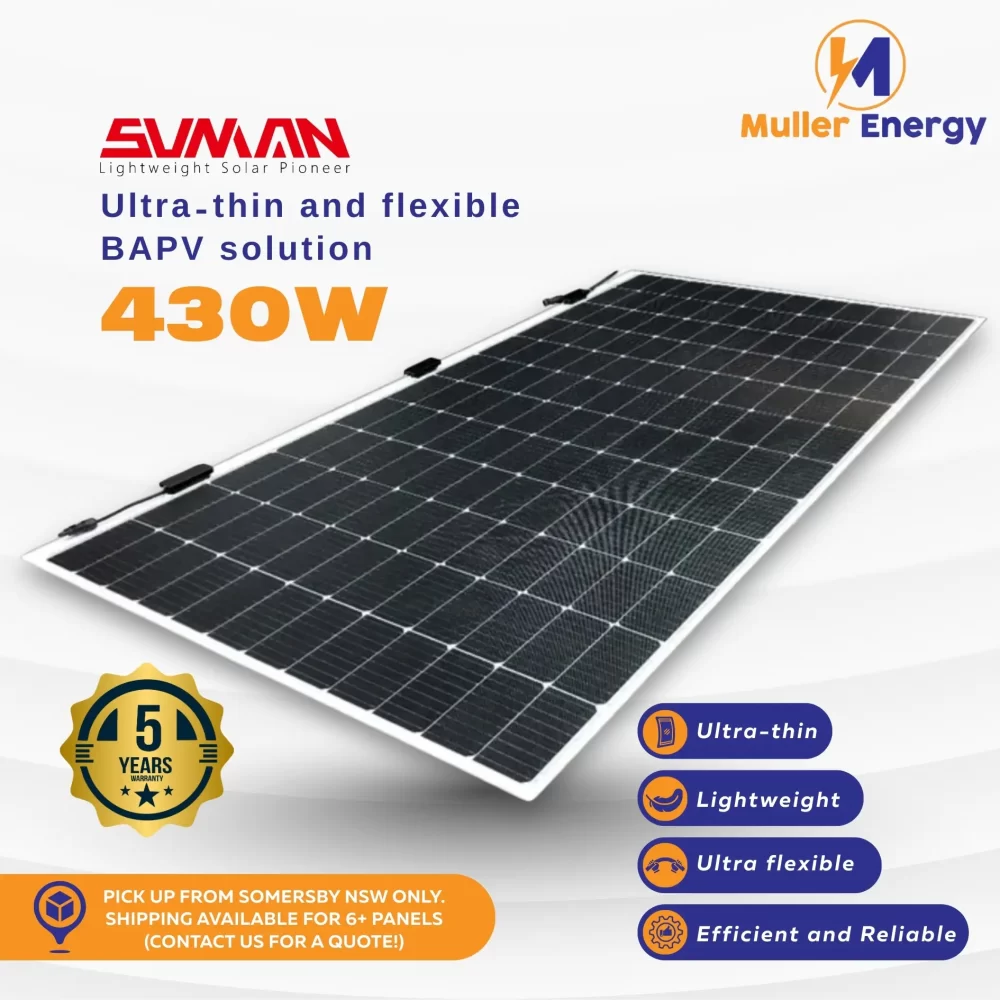
A flexible solar panel is a lightweight solar module designed to mount directly onto suitable roofs or other surfaces, providing continuous solar power generation without requiring daily setup. Unlike traditional rigid panels, it uses lightweight composite backing materials instead of a tempered glass panel, allowing it to bend slightly to suit gently curved surfaces while reducing overall weight.
This makes it a practical solution for caravans, motorhomes, boats, yachts, camper trailers, off-grid cabins, and tiny homes. Once connected to your solar system, it generates electricity whenever sufficient sunlight is available, with no need to unpack, position, or reconnect it each day.
Advantages
- Automatic operation – Generates electricity whenever sufficient sunlight is available.
- Low maintenance – Requires only occasional cleaning and routine inspections.
- Suitable for curved or weight-sensitive surfaces – Can be installed on gently curved roofs where rigid panels may not be practical.
- Low-profile design – The slim, glass-free construction sits close to the mounting surface for a neat, streamlined appearance.
- Ideal for permanent installations – Provides ongoing solar power with minimal day-to-day user involvement.
Limitations
- Cannot easily be repositioned to avoid shade
- Installation requires planning and suitable mounting support
- Higher initial installation effort
Note: To make a more informed buying decision, explore our article on What to Look for When Buying Flexible Solar Sheets, which covers the essential features to evaluate before choosing a flexible solar panel.

Which Performs Better?
Performance depends less on whether a panel is portable or flexible and more on sunlight exposure, panel orientation, shading, operating temperature, and the quality of the overall solar system.
For example:
- A solar blanket positioned in direct sunlight can generate more energy than an installed flexible solar panel that remains partially shaded for much of the day.
- An installed flexible solar panel can continue charging throughout the day in suitable sunlight, including while travelling or when parked.
Both systems commonly use monocrystalline PERC cells, so their efficiency is often similar. In real-world conditions, overall energy production depends on factors such as available sunlight, shading, panel positioning, temperature, and a properly matched solar charge controller, rather than the panel style alone.
Instead of asking which technology is inherently better, consider which option allows your setup to capture the most sunlight throughout the day.
Tip: Wondering how shade affects solar performance? Read our guide on Does Shading Affect Solar Panels? to learn how even partial shading can impact energy production.
Which Option Is Better for Different Applications?
1. Camping and 4WD Touring
Best choice: Solar blanket
Campers typically benefit from portability. You can move the blanket throughout the day to maximise solar production while relaxing under shade.
2. Caravans and Motorhomes
Best choice: Flexible solar panel
Installed solar panels provide automatic charging whenever sunlight is available, making them convenient for travellers who use solar regularly.
3. Boats and Marine Use
Best choice: Flexible solar panel
Boat decks and cabin roofs often have limited space and curved surfaces. Lightweight flexible panels reduce weight while fitting more easily than rigid alternatives.
4. Weekend Trips
Either solution works well. If storage space isn’t an issue and you only need solar occasionally, a blanket offers excellent versatility.
5. Full-Time Off-Grid Living
Flexible solar panels generally provide greater convenience because they’re always operating whenever sunlight is available.
Should You Combine Solar Panel Blankets and Flexible Solar Panels?
Yes. Many experienced travellers use both because each serves a different purpose. An installed flexible solar panel provides a steady source of solar energy whenever sunlight is available, while a portable solar blanket can be deployed to increase charging capacity during extended stays, cloudy conditions, or periods of higher energy demand.
This combination may reduce battery charging times, depending on available sunlight, panel capacity, and your overall system configuration. It can also improve energy production during shorter winter days and provide additional power for running larger loads, such as portable refrigerators, induction cooktops, or inverters.
For users planning to expand their off-grid setup, combining both options offers greater flexibility without requiring additional fixed solar panels.
Tip: To maximise charging efficiency, read our guide on Why an MPPT Solar Charge Controller Is Essential for LiFePO4 Batteries and learn how the right controller can improve solar system performance.
Buying Considerations
Before purchasing a solar panel blanket or flexible solar panel, consider your daily power consumption, battery capacity, available mounting space, and any weight limitations of your vehicle or vessel.
You should also consider the weather conditions you’ll typically encounter, whether your existing solar charge controller is compatible, and if you may want to expand your solar system in the future.
Choosing components that work well together, including your solar panels, LiFePO4 battery, inverter, and charger, will help maximise charging efficiency, system reliability, and long-term performance.
Finally, think about the ongoing maintenance requirements. Portable solar blankets should be cleaned and dried before storage, while flexible solar panels benefit from occasional cleaning and routine inspection of their mounting system and electrical connections.
Expert Tip: Instead of choosing a solar panel based solely on its wattage, design your off-grid power system around your daily energy consumption. Battery capacity, the type of solar charge controller, cable sizing, panel placement, and available sunlight all influence charging performance. A well-balanced system will usually deliver more reliable, efficient power than simply installing the highest-wattage panel available.
Choosing the Right Solar Equipment for Your System
Even the best solar technology performs poorly if the components aren’t matched correctly. For caravans, marine applications, and off-grid systems, it’s important to choose solar panels that are compatible with your battery, solar charge controller, inverter, and overall energy requirements.
Selecting components that work together can improve charging efficiency, system reliability, and long-term performance. Once you’ve determined which panel type best suits your application, choosing quality, compatible equipment becomes much easier.
Muller Energy offers lightweight Sunman solar blankets and flexible solar panels, along with LiFePO4 batteries, MPPT-compatible charging solutions, inverters, and accessories to help build complete off-grid power systems.
Our team provides practical advice to help customers choose equipment that suits their specific vehicle, vessel, or application rather than recommending a one-size-fits-all solution.
Explore our solar solutions:
- 235W Portable Solar Blanket – Lightweight and foldable, making it ideal for camping, 4WDs, and portable off-grid power.
- 235W Solar Blanket with MPPT Controller – Includes a Victron SmartSolar MPPT Bluetooth charge controller for efficient charging of LiFePO4 batteries in portable solar systems.
- 430W Flexible Solar Panel – Designed for caravans, motorhomes, boats, and other weight-sensitive or gently curved surfaces where a permanent installation is preferred.
- 520W Flexible Solar Panel – Delivers higher power output for larger caravans, motorhomes, marine applications, and off-grid systems with greater energy demands.
Whether you’re upgrading a caravan, fitting out a boat, or building a portable camping setup, selecting compatible, high-quality components can improve charging efficiency, simplify installation, and provide reliable power wherever your adventures take you.
Final Thoughts
Solar panel blankets and flexible solar panels both offer efficient renewable power, but they solve different problems. Choose a solar blanket if portability and flexible positioning are your priorities.
Choose a flexible solar panel if you want a low-maintenance solar solution that provides reliable charging without requiring daily setup. For many travellers, combining both provides the ideal balance of convenience and additional charging capacity.